
How To Maximize Performance – The Role Of Carbide Burs In Engine Porting
This guide will help you understand how to enhance the performance of your engine through effective porting techniques, particularly focusing on the imperative role of carbide burs. By utilizing these tools, you can precisely shape and smooth various components within your engine, optimizing airflow and improving overall efficiency. As you navigate the world of engine porting, you’ll discover how selecting the right carbide burs and applying proper techniques can significantly impact your engine’s performance potential. Let’s examine the details and elevate your engine builds to the next level.
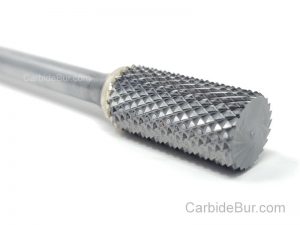
Find more carbide bur die grinder tool bits here
Carbide Burs: The Essential Tool in Engine Modifications
Composition and Design: What Makes Carbide Burs Unique
Carbide burs stand out due to their unique composition, blending durability and precision. Made primarily from tungsten carbide, they provide an exceptional hardness level, making them ideal for cutting through tough materials like aluminum and cast iron. Their finely engineered design features sharp cutting edges and various shapes, enabling you to navigate intricate passages within the engine port. Whether you’re modifying intakes or exhaust ports, the right carbide bur provides an unmatched balance of control and aggressive material removal, allowing for smooth finishes without sacrificing structural integrity.
This combination of hardness and custom design allows carbide burs to maintain their cutting efficiency even under significant stress. The ability to withstand high temperatures and resist wear means that these tools remain effective across multiple jobs without frequent replacement. In contrast to traditional steel burs, carbide burs retain their shape and cutting action much longer, making them a worthwhile investment for serious engine modifiers. If you want to achieve precision results in engine porting, carbide burs are your best choice.
Common Applications in Engine Porting
When engaging in engine porting, carbide burs are integral to various tasks including the reshaping of intake and exhaust ports, smoothing out rough surfaces, and performing area-specific adjustments for optimized airflow. Depending on your goals—such as increasing horsepower or improving fuel efficiency—selecting the appropriate bur shape and size can significantly impact the outcome of your modifications. Burrs designed as ball shapes or tapered forms excel at accessing hard-to-reach areas, ensuring you can modify your engine design effectively.
Beyond mere material removal, carbide burs also play a vital role in achieving the targeted flow characteristics desired in your porting efforts. By honing the contours and smoothing the interior surfaces of the engine passages, you create pathways that minimize turbulence and enhance air and fuel delivery. As a result, carefully executed porting with carbide burs not only promotes better engine performance but can lead to increased throttle response and enhanced overall drivability. Tailoring the workflow using the right burs can significantly elevate your engine’s capabilities.
Precision Matters: How Carbide Burs Enhance Airflow
The Science of Aero-Dynamics in Engine Performance
Effective airflow is fundamental to enhancing engine performance, acting as the lifeblood that fuels combustion efficiency. When air flows more smoothly into the engine, the fuel mix ignites more thoroughly, resulting in not just increased power output but also improved throttle response. Carbide burs are designed to refine and shape port entrances and exits, minimizing turbulence and smoothing out transitions. By using these burs to create the ideal shape, you can optimize airflow patterns, ensuring that your engine breathes easier, particularly at high RPMs when demand for air peaks.
The principles of aerodynamics dictate that a streamlined pathway for air minimizes resistance. Carbide burs excel in achieving these shapes due to their precision engineering and durability, allowing you to carve out the exact contours necessary. The intricate work done with these specialized tools can significantly reduce flow restrictiveness and amplify engine potential. In high-performance applications, this precision can make the difference in meeting specific horsepower goals or achieving a desired torque curve across the RPM range.
Find more carbide bur die grinder tool bits here
Measuring Flow Rates: The Role of Carbide Burs in Optimization
To effectively leverage the changes you make with carbide burs, measuring flow rates is important. This quantification allows you to assess the impact of your modifications on airflow. By utilizing flow benches, you can determine the changes in cubic feet per minute (CFM) and evaluate how well your engine’s ports are performing post-modification. These measurements give you an empirical basis to compare before and after scenarios, allowing for precise adjustments that enhance the overall flow characteristics.
Flow rates can serve as measurable indicators of efficiency and power potential. After using carbide burs to optimize the intake and exhaust ports, you can directly compare the curve of airflow pre- and post-machining. This data doesn’t just confirm improvements but also provides valuable insights for further enhancements. It’s possible that additional tweaks can push the performance envelope even further—creating a cycle of continuous improvement guided by actual numbers and results. Investing the time and resources to measure flow with precision tools pays dividends in refining your engine tuning process.
Access to flow rate data is instrumental for setting performance benchmarks. By understanding how refinements affect airflow dynamics, you can make targeted decisions on additional porting or shaping required to reach desired performance metrics. This analytical approach transforms the art of engine porting into a scientific method of tuning that can be repeated and optimized based on your specific performance objectives.
Choosing the Right Carbide Burs for Your Project
The Impact of Shape and Size on Porting Efficiency
The shape and size of your carbide burs can significantly influence the efficiency of the porting process. For instance, larger burs can remove material more quickly, which is beneficial in initial roughing stages. However, they may lack the precision needed for fine-tuning the contours of the port. Conversely, smaller burs, like those with a fine point, enable you to reach tighter areas and create intricate designs that enhance airflow dynamics. Finding the right balance is crucial for achieving that perfect finish while maintaining optimal airflow.
Also, consider fluted designs; they play an integral role in chip removal during the porting process. A tapered bur might offer a versatile solution for both widening openings and refining edges in a single tool, which saves time and material. Experimenting with different shapes and sizes can lead to discoveries about which tools yield the best results for specific applications in your engine modifications.
Top Brands and Their Innovative Offerings
Several top brands have established themselves as leaders in the carbide bur market due to their innovative designs and cutting-edge manufacturing techniques. Brands like Rotozip, DeWalt, and DREMEL have developed specialized burs with unique geometries that cater to both general and specialized engine work. These burs are designed to withstand high temperatures and strains, making them ideal for performance projects where durability is as crucial as precision.
These manufacturers continuously adapt to the evolving automotive landscape, introducing new designs tailored for different engine types and specific modifications. For example, Rotozip’s line of quick-change carbide burs allows mechanics to switch tools effortlessly, enhancing workflow and increasing time efficiency during porting tasks.
By staying updated on the latest offerings from these brands, you can ensure that your carbides are not only top-quality but also aligned with the current best practices in engine porting. Choosing a reputable brand’s innovative product can greatly augment your project outcomes, providing smoother finishes and improved airflow capabilities, ultimately leading to enhanced overall performance of your engine.
Techniques for Effective Porting with Carbide Burs
Best Practices: Speed, Angle, and Pressure in Burring
Your approach to speed, angle, and pressure can dramatically influence the efficiency and quality of the porting process. A common rule of thumb is to maintain a moderate speed of around 15,000 to 30,000 RPM for most applications, which aids in effective material removal without overheating the burr or the workpiece. Angle plays a significant role as well; angling the burr at approximately 30 to 45 degrees not only enhances cutting efficiency but also minimizes the risk of chatter or bounce that can result in uneven surfaces. The pressure applied should be firm yet controlled; too much pressure can cause excessive friction and heat, while too little might fail to achieve the desired material removal.
The dynamic nature of porting requires you to adapt your technique based on the material you are working with and the specific changes you wish to make. For softer materials, you might opt for quicker, lighter passes, while harder metals will require slower, more deliberate movements to maintain control and precision. Adjusting your hand positioning to ensure a stable grip affords you better control, allowing you to focus on creating smooth transitions in port shape and size.
Common Pitfalls to Avoid for Optimal Results
Numerous pitfalls can hinder your porting endeavors, leading to subpar results. One of the most prevalent mistakes is failing to plan the workflow; without a clear idea of what modifications you aim to achieve, it’s easy to end up with inconsistent results. Ensure that you mark the areas of interest clearly and visualize the airflow dynamics before you start working. Another common issue arises from overzealous use of the burr, where excessive material is removed, compromising the structural integrity of the port and leading to unexpected performance losses.
Inadequate cooling is often overlooked, yet it can have severe repercussions. If the burr or the workpiece overheats, it can result in warping or damage to the port. Including periodic pauses to allow the tool and workpiece to cool down can help mitigate this risk significantly. Similarly, ensure consistent inspection of your progress rather than rushing to complete the job. Checking the port shape at various stages helps catch deviations from the intended design early, thus preserving the functionality of the modifications you’re making.
Maintenance and Longevity of Carbide Burs
Proper maintenance of your carbide burs can significantly extend their lifespan and ensure optimal performance during engine porting. The longevity of these tools often hinges on how well they are cared for after each use. Regular cleaning is necessary; debris can accumulate in the flutes and affect cutting efficiency. Utilizing a wire brush or ultrasonic cleaner can help dislodge the built-up material, ensuring you maintain the uniform cutting edge that carbide burs are known for. Additionally, storing them in a dry, protective case prevents them from getting damaged, especially when they are not in use.
Care Tips to Ensure Durability and Performance
To enhance the durability and performance of your carbide burs, consider implementing a few straightforward maintenance practices. Always inspect your burs for wear and tear after use to determine if they require resharpening or replacement. Keeping them clean is also fundamental; every few jobs, give your burs a thorough cleaning. Another critical aspect is using them at the right speed—exceeding recommended RPM can lead to accelerated wear. Furthermore, employing the appropriate amount of pressure during use can prolong the life of the cutting edge.
- Regularly inspect for wear after each session.
- Clean burs after each use with a wire brush.
- Store in a protective case to avoid damage.
- Use the correct RPM to prevent overheating.
- Apply appropriate pressure while operating.
Recognizing these maintenance tips will not only maximize your burs’ longevity but also enhance their efficiency in your porting endeavors.
Resharpening vs. Replacement: When to Make the Call
Determining whether to resharpen or replace your carbide burs comes down to the extent of wear they’ve sustained. Generally, if the flutes show minimal wear and the cutter can still produce a clean cut, resharpening can be a cost-effective solution. On the other hand, if you find cracks or significant chipping, it’s time to consider a replacement. The cost of a new carbide bur is often justified by the improved performance and reliability you’ll receive, whereas continuing to use a diminished tool can lead to subpar results, risking the overall quality of your porting work. Adopting a systematic approach to monitor the condition of your burs ensures that you make informed decisions regarding resharpening or replacement, optimizing both your tools and your performance in engine porting.
Conclusion
Summing up, maximizing your engine performance is significantly enhanced by the use of carbide burs during the porting process. These tools enable you to achieve a higher degree of precision and efficiency when modifying the intake and exhaust passages. By selecting the appropriate size and shape of carbide burs, you can effectively optimize airflow, reduce turbulence, and improve overall engine efficiency. This deliberate approach not only elevates your engine’s horsepower and torque but also promotes a smoother operation across the entire RPM range.
Moreover, investing time into your porting techniques and understanding the impact of carbide burs can lead to performance gains that make a noticeable difference in your driving experience. As you continue to refine your skills, you’ll find that the right tools and methods in engine porting can unlock the full potential of your vehicle. Embrace the art and science of this process, and you will reap the benefits of enhanced performance and reliability from your engine.
Find more carbide bur die grinder tool bits here

Can You Use a Carbide Burr With an Electric Die Grinder?
Can You Use a Carbide Burr With an Electric Die Grinder? Most people don’t realize how much a carbide burr can change the way an electric die grinder works. Using the right burr type can [...]
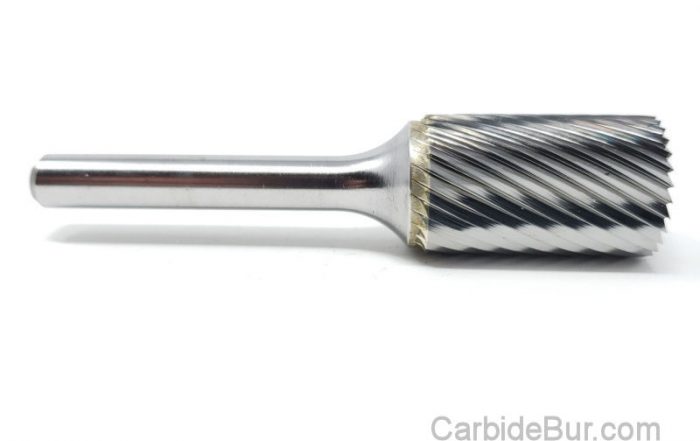
How to Deburr Holes With a Carbide Burr
How to Deburr Holes With a Carbide Burr Most people think any tool will do for deburring holes. The truth is, using the right carbide burr with the correct size and shape changes everything. In [...]
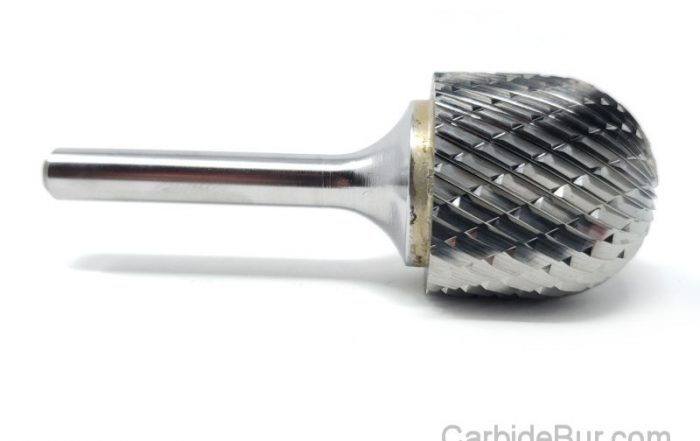
How to Choose the Correct Carbide Burr Shank Size
How to Choose the Correct Carbide Burr Shank Size Many machinists lose hours troubleshooting tool issues caused by the wrong carbide burr shank size. Using a shank that doesn’t fit your grinder can lead to [...]
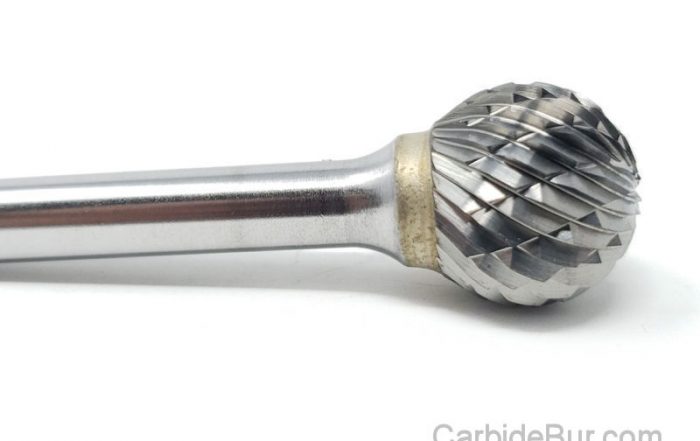
How to Remove Casting Flash With a Carbide Burr
How to Remove Casting Flash With a Carbide Burr Casting flash ruins the look and fit of your metal parts. You’ve tried sanding or grinding, but the results aren’t clean or fast enough. Learning how [...]
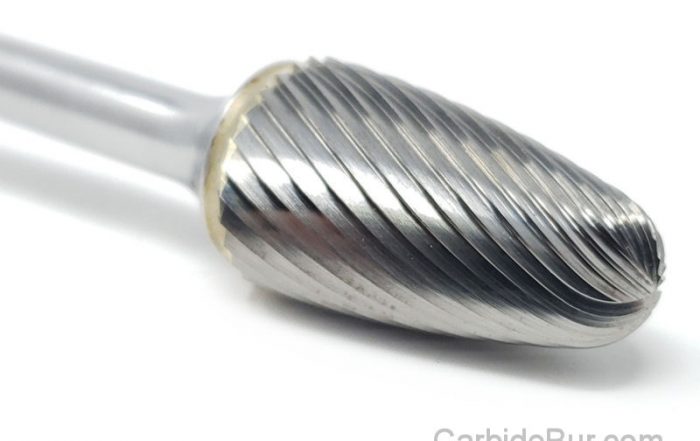
Best Carbide Burr for Enlarging a Hole in Metal
Best Carbide Burr for Enlarging a Hole in Metal When you need to enlarge a hole in metal, grabbing the wrong carbide burr can turn a simple task into a frustrating mess. Picking the best [...]
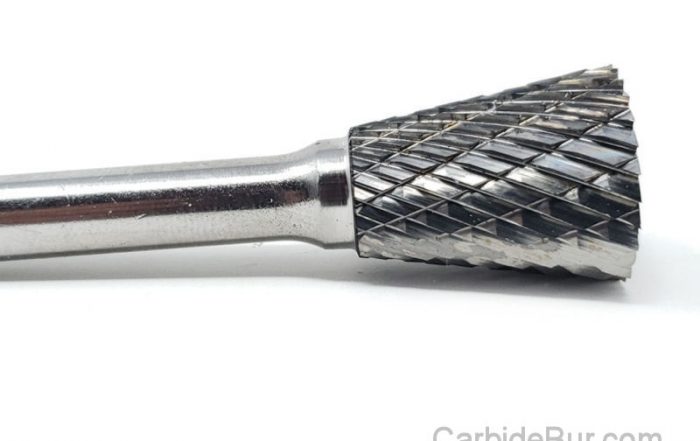
Carbide Burr Safety: 15 Mistakes That Can Cause Injury or Damage
Carbide Burr Safety: 15 Mistakes That Can Cause Injury or Damage Carbide burr safety is often overlooked until a costly mistake happens. Many metalworkers and DIYers make the same errors that lead to injuries or [...]
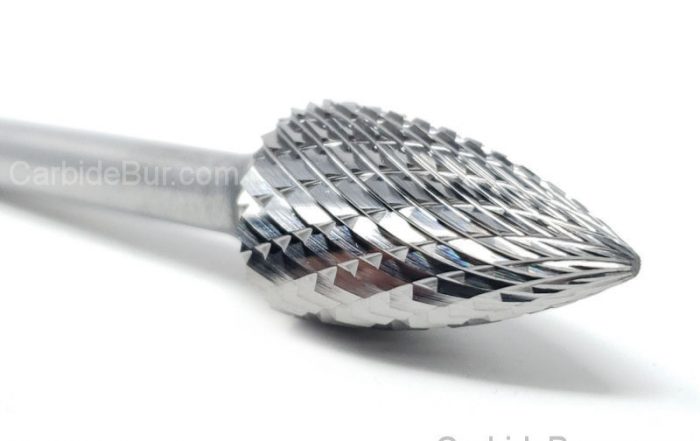
Can You Use a Carbide Burr in a Drill?
Can You Use a Carbide Burr in a Drill? Most people think a standard drill can’t handle a carbide burr, but that’s not true. Using carbide burr in the right drill can speed up your [...]
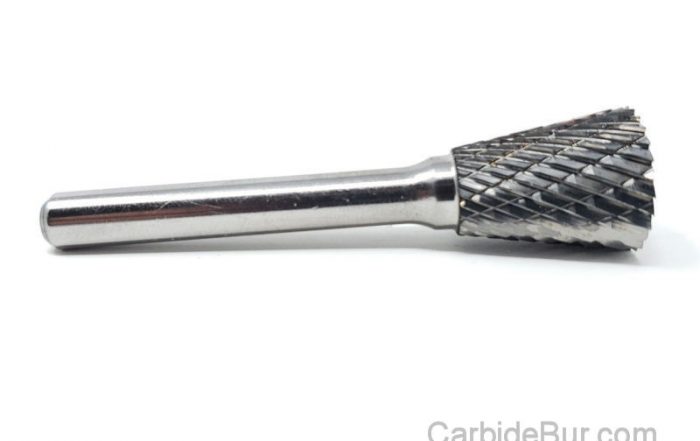
Carbide Burrs for Removing Rust: What Works Best?
Carbide Burrs for Removing Rust: What Works Best? Rust can turn your favorite tools into useless junk faster than you expect. Removing it without ruining the metal underneath takes more than just elbow grease—it demands [...]
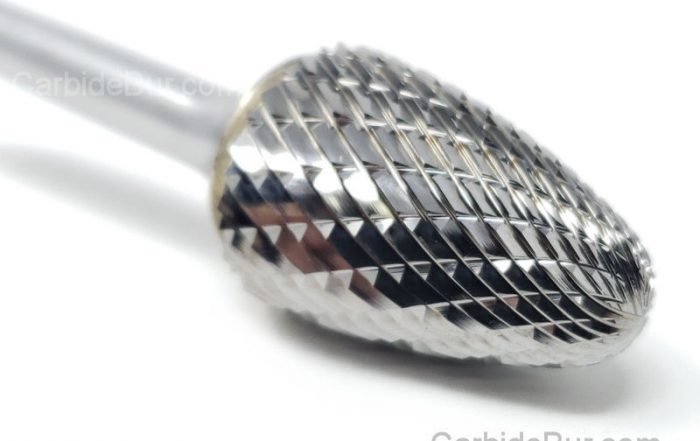
How Much Pressure Should You Use With a Carbide Burr?
How Much Pressure Should You Use With a Carbide Burr? Most people think pressing harder with a carbide burr speeds up the job. That’s not true—too much pressure wears out your tool and ruins the [...]
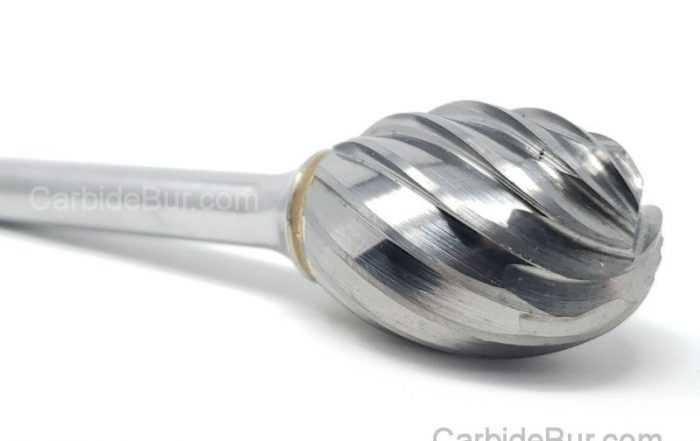
Can You Use Carbide Burrs With an Air Die Grinder?
Can You Use Carbide Burrs With an Air Die Grinder? Most people don’t realize how well carbide burrs work with air die grinders until they try them. If you’ve ever struggled with finding the right [...]
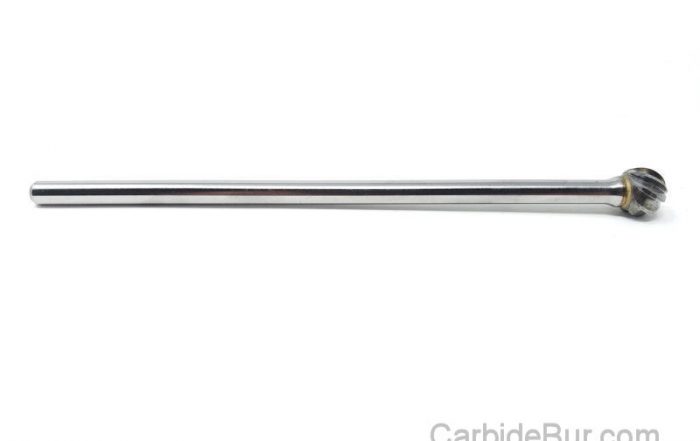
Best Long Reach Carbide Burr for Deep Metal Work
Best Long Reach Carbide Burr for Deep Metal Work Long reach carbide burrs often promise deep metal access, but many fall short where it counts most. You need a tool that cuts cleanly, lasts through [...]
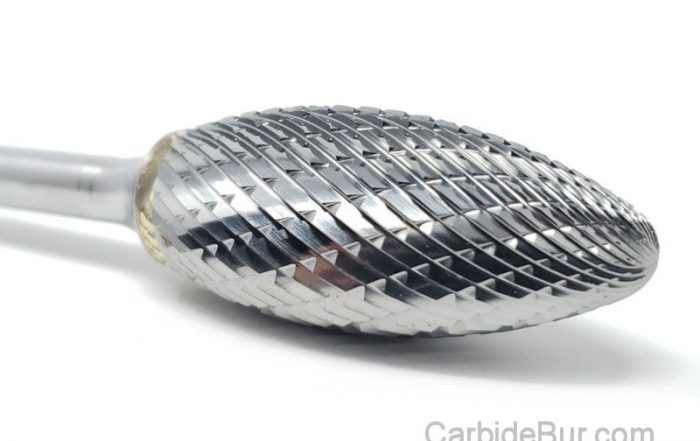
What RPM Should You Use for a 1/8 Inch Carbide Burr?
What RPM Should You Use for a 1/8 Inch Carbide Burr? Most people guess the right carbide burr RPM by feel—and waste hours redoing work. If you want cleaner cuts and longer tool life, your [...]
