
Maximize Your Machinist Tools: Selecting the Right Burr Types for Your Needs
Picking the wrong carbide bur can waste hours and wear down your tools fast. Many machinists struggle to find burs tough enough for different metals while fitting their tool’s shank size just right. This guide breaks down carbide bur selection by material hardness, burr types, and cut styles, so you get durable burs that work for your projects. Keep reading to sharpen your choices and save time on the shop floor. Learn more here.
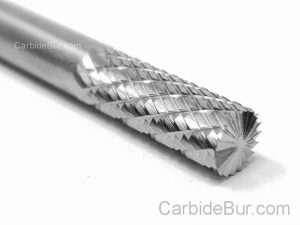
Which carbide bur tools do you use the most?
Understanding Burr Types
Before you dive into selecting the perfect carbide bur, it’s essential to know what options you have. This section will help you understand different burr types and how they relate to your metalworking needs.
Selecting Metalworking Burs
Choosing the right metalworking burs starts with understanding the specific tasks you face. Whether you’re carving intricate designs or smoothing rough edges, the type of bur you select makes a huge difference. Carbide bur selection involves knowing the shapes and sizes available. For example, cylindrical burs are perfect for contouring, while ball-shaped ones excel at making concave cuts.
To make an informed choice, think about the metals you work with most. Is it aluminum or harder materials like steel? Different burs suit different metals. For instance, aluminum-cut burs have fewer flutes to prevent clogging. Most people might think all burs work the same, but that’s not true. Each type is designed with a purpose in mind. Check out this guide to enhance your understanding.
Exploring Material Hardness
Once you’ve pinpointed the task, consider the material’s hardness. This factor dictates the bur’s durability and performance. Harder metals require tougher burs. For softer metals, you can opt for less aggressive options. Material hardness affects not only the longevity of your tools but also your work’s efficiency.
Using the wrong bur on hard materials can lead to premature wear. A study found that using the correct bur type can extend tool life by up to 30%. You might think any bur can handle hard metals, but that assumption can cost you time and money. For more insights, read this article.
Choosing the Right Shank Size
Now that you have a grasp on burr types, let’s shift our focus to selecting the right shank size. Proper shank selection helps in achieving precise and stable cuts.
Matching Shank to Task
The shank size of your bur must match your tool’s specifications. Using the wrong size can lead to wobbling and poor results. For tight spaces, a 1/8-inch shank is ideal, while larger tasks may require a 1/4-inch shank.
Consider what you mainly use your tools for. If you often find yourself in tight spots, a smaller shank gives you maneuverability. On the other hand, larger shanks provide stability for heavy-duty work. Here’s the key insight: most people think the bigger the shank, the better the performance. That’s not always the case. Learn more from this resource.
Ensuring Durable Burs
Durability is paramount when selecting your burs. You want tools that withstand the test of time. To ensure this, look at the material quality. High-quality tungsten carbide burs generally last longer.
Investing in durable burs saves you money in the long run. The longer you wait to upgrade, the more you risk tool failure. Durable burs also mean fewer replacements and less downtime. Most machinists worry about price, but remember, the initial investment pays off. For more tips on choosing durable options, check out this link.
Evaluating Cut Types
Lastly, let’s look at cut types. The way you cut can dramatically alter your results, so selecting the right type is crucial.
Identifying Common Cut Styles
Different cuts offer various finishes, from rough to smooth. Double-cut burs provide a smooth finish, ideal for fine work. Single-cut burs are better for heavy material removal. Identify which suits your needs best.
Here’s a quick example: A machinist needed a fast material removal for a project. Switching to a coarse single cut, he noticed a 40% increase in speed. Most might think finer cuts are always better, but sometimes, a rougher approach is necessary. Discover more about cut styles in this guide.
Optimizing for Machinist Tools
To get the most out of your machinist tools, the right cut style is essential. Fine-tuning your choice enhances performance. Think about the projects you tackle most often. Are you creating detailed designs or removing lots of material? Adjust your choice accordingly.
For optimal results, balance between speed and finish quality. The choice of cut style can make your work smoother and faster. Remember, the wrong cut style can hinder your progress. Align your choice with your goals for better results. The longer you wait to optimize, the more you compromise on quality.
In summary, selecting the right carbide burs involves understanding burr types, material hardness, shank size, and cut types. By focusing on these aspects, you enhance your efficiency and tool longevity. Keep these insights in mind, and watch your productivity soar!
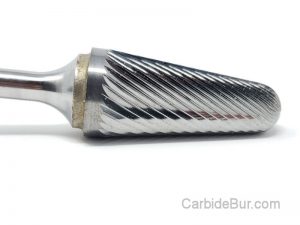
Find more information at CarbideBur.com
Understanding the Evolution of Carbide Burs
From Manufacturing History to Bur Design: Understanding the Evolution of Carbide Burs Carbide bur technology didn’t emerge overnight—it’s the product of decades of manufacturing history pushing the limits of precision tools. If you’re working with [...]
Selecting the Right Burr Types for Your Needs
Maximize Your Machinist Tools: Selecting the Right Burr Types for Your Needs Picking the wrong carbide bur can waste hours and wear down your tools fast. Many machinists struggle to find burs tough enough for [...]
Your Go-To Guide for Injury-Free Cylinder Head Porting
Mastering RPM Safety Tips: Your Go-To Guide for Injury-Free Cylinder Head Porting Most cylinder head porting mishaps happen because safety takes a backseat. You might think you know how to handle carbide burs, but skipping [...]
Achieving Superior Results in Engine Porting and Machining
Carbide Burs in Focus: Achieving Superior Results in Engine Porting and Machining Forget everything you know about engine porting tools. Most carbide burs leave you juggling slow cuts and rough finishes that waste time and [...]
Elevate Your Dental Practice with Expert Insights on Carbide Bur Applications
Elevate Your Dental Practice with Expert Insights on Carbide Bur Applications Most dental pros underestimate how much the right carbide burs can speed up their work. Using the wrong types of burs wastes time and [...]
Investing in USA-Made Carbide Innovations
Future-Proof Your Toolkit: Investing in USA-Made Carbide Innovations Most tooling options promise durability but fail to keep pace with real-world demands. If your current carbide burrs and die grinder bits wear out too fast or [...]
Tips for Clean Porting and Protecting Your Cylinder Heads
Avoiding Carbide Burs Mistakes: Tips for Clean Porting and Protecting Your Cylinder Heads You’ve probably seen how a simple slip with carbide burs can turn a precise porting job into a costly mess. Using the [...]
Why Our USA-Made Carbide Tools Stand Out
Comparing Brands: Why Our USA-Made Carbide Tools Stand Out Most tool brands promise quality, but few deliver it with the consistency you deserve. When you’re choosing between options, details like warranty coverage and customer support [...]
How Carbide Burs Transformed Dental Technology
The Power of Precision: How Carbide Burs Transformed Dental Technology Steel burs served dentists well for decades, but their limits became clear as demands for precision grew. You’ve likely felt the frustration when steel burs [...]
Maintenance Tips for Long-Lasting Carbide Burr Cutting Tools
Maintenance Tips for Long-Lasting Carbide Burr Cutting Tools Carbide burr maintenance can make or break how long your tools last. If you’ve ever struggled with dull edges or damaged bits, you know how frustrating it [...]
How Precise Carbide Burs Boost Car Performance
Mastering Flow Testing: How Precise Carbide Burs Boost Car Performance Most porting results disappoint because the tooling wasn’t precise enough. When you use carbide burs with care, flow numbers jump in ways you might not [...]
Why Choose USA-Made Die Grinder Bits
Automotive Repair Essentials: Why Choose USA-Made Die Grinder Bits Most die grinder bits look the same until you put them to the test on tough engine work or stubborn rust removal. USA-made bits stand out [...]
