
Mastering RPM Safety Tips: Your Go-To Guide for Injury-Free Cylinder Head Porting
Most cylinder head porting mishaps happen because safety takes a backseat. You might think you know how to handle carbide burs, but skipping proper PPE guidelines and ignoring RPM safety tips puts you at real risk. This guide breaks down hazard avoidance methods and material removal techniques to keep your work injury-free and precise. For more information on avoiding common mistakes, check out this link.
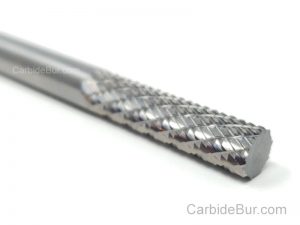
Have you checked out our selection of Carbide Bur Tools?
Essential PPE for Porting
Before diving into RPM safety, let’s discuss the protective gear that keeps you safe while porting cylinder heads. This gear not only prevents injuries but also enhances precision.
Key Protective Gear
First, equip yourself with safety glasses to shield your eyes from flying debris. Next, ear protection is crucial since prolonged exposure to loud noises can damage your hearing. Don’t forget to wear respirators to avoid inhaling harmful dust particles. Gloves offer hand protection, but ensure they maintain your dexterity. Lastly, a sturdy apron can prevent cuts and scrapes.
Consider this: A machinist overlooked wearing gloves, resulting in a hand injury. By simply donning all the essential gear, such mishaps can be reduced significantly.
Ensuring Proper Fit
Wearing PPE that doesn’t fit well can be almost as dangerous as not wearing it at all. Your safety glasses should sit comfortably on your face without slipping. Earplugs or earmuffs must create a tight seal around your ears. The respirator should fit snugly to filter out dust effectively.
Remember, the longer you wait to address fit issues, the more you compromise safety. A well-fitted PPE ensures you maintain focus on your work without constant adjustments.
Maintenance of PPE
Maintaining your PPE is vital for ongoing protection. Regularly inspect your gear for wear and tear. Replace safety glasses with scratched lenses as they can impair vision. Clean respirator filters to maintain effective air filtration.
Most people think PPE lasts forever, but it requires consistent upkeep. By setting a monthly reminder to check your gear, you can avoid unexpected failures.
RPM Safety Tips Explained
Once your PPE is sorted, understanding RPM safety is the next step. This section clarifies how to work with carbide burs efficiently while minimizing risk.
Understanding RPM Limits
Every tool has its limits, including your porting tools. Knowing the RPM limits can prevent equipment failure and ensure accuracy. Check the manufacturer’s guidelines for maximum RPMs, and never exceed these limits.
Imagine you’re driving a car; going over the speed limit can lead to accidents. The same principle applies to RPM limits. Be mindful, and you’ll keep your tools and work in top shape.
Choosing the Right Carbide Burs
Selecting the right carbide burs for your project is crucial. Different materials require different burs for optimal results. For instance, aluminum work demands burs designed specifically for softer metals.
Head over to this guide for expert insights on choosing the perfect burs for various materials.
Monitoring Speed and Pressure
Keeping a close eye on speed and pressure during porting can prevent tool damage and increase precision. Use a tachometer to measure RPM accurately. Apply consistent pressure to avoid gouging and uneven surfaces.
Most people assume more pressure means faster work, but it often leads to more errors. By maintaining steady pressure, you enhance the quality of your porting work.
Hazard Avoidance Methods
With RPM safety tips in mind, let’s explore methods to identify and avoid hazards. This final section covers everything from risk identification to emergency responses.
Identifying Common Risks
Being aware of potential risks can prevent accidents before they happen. Look out for loose clothing, frayed wires, and cluttered workspaces. These are common but easily overlooked hazards.
Remember, a clean workspace is a safe workspace. Regularly tidying your area reduces the chances of accidents occurring unexpectedly.
Safe Material Removal Techniques
When removing material, precision is key. Use a steady hand and make small, controlled cuts. Avoid removing too much material at once, as this can weaken the cylinder head.
Here’s the key insight: Slow and steady wins the race in material removal. A deliberate approach ensures accuracy and safety, saving you from costly mistakes.
Emergency Response Preparedness
Finally, be prepared for emergencies. Keep a first-aid kit nearby and know how to use it. Have a plan for seeking medical help if needed. Training can make all the difference when seconds count.
It’s easy to assume emergencies won’t happen, but preparation is the best defense. Equip yourself with knowledge and tools to handle unexpected situations effectively.
Summary: By prioritizing PPE, understanding RPM limits, and employing hazard avoidance methods, you’ll ensure your cylinder head porting is both safe and precise. Make safety a habit, not an afterthought, to enjoy a smooth and injury-free porting experience. For more information about porting safety, explore this resource.
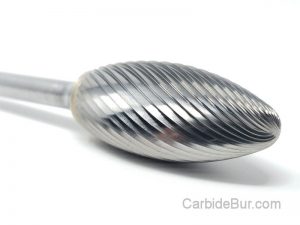
Looking for Carbide Bur Tools?
Check out our entire selection of USA made carbide bur die grinder tool bits
Follow us on Twitter

Return to CarbideBur.com
Carbide Burs – 1/4″ on 1/8″ Shanks – Accessories – Aluminum Cut – Bur Sets – End Mills – Long Shank – Solid Burs
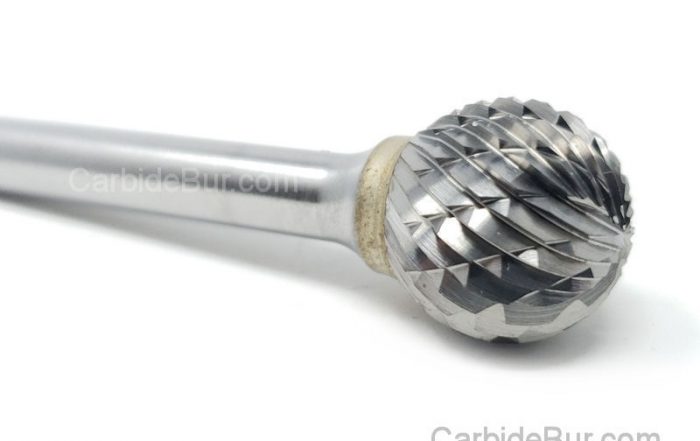
Carbide Burr vs. Grinding Stone: Which Is Better for Metal Removal?
Carbide Burr vs. Grinding Stone: Which Is Better for Metal Removal? When you need to remove metal, smooth a rough edge, or shape a metal component, two common options are carbide burrs and grinding stones. [...]
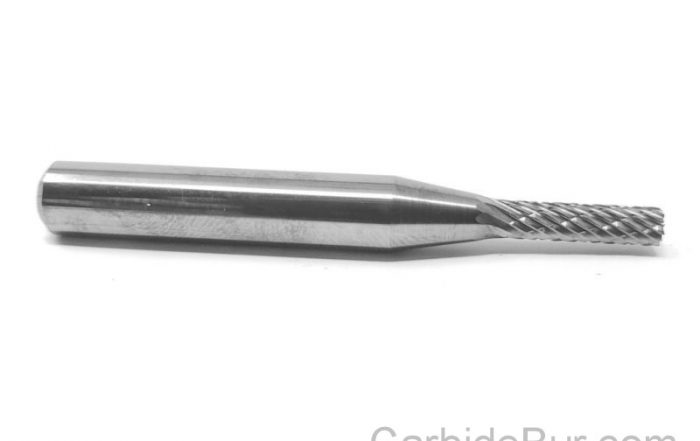
Carbide Burr Safety: RPM, Eye Protection, and Common Mistakes
Carbide Burr Safety: RPM, Eye Protection, and Common Mistakes Carbide burrs are versatile cutting tools used for metal fabrication, welding cleanup, engine porting, deburring, and general material removal. When used correctly, they can help remove [...]
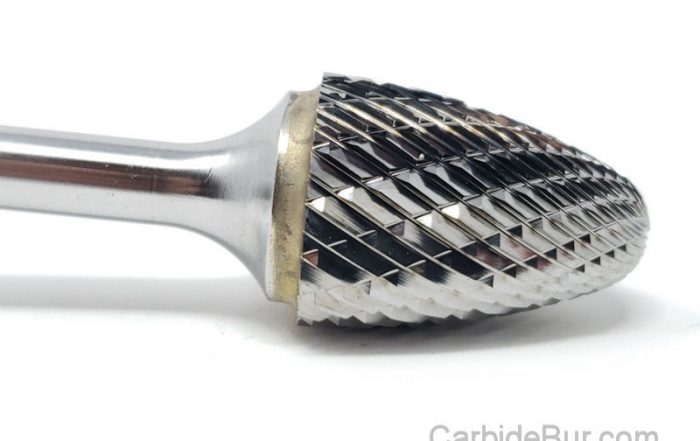
How to Stop Aluminum from Clogging Your Carbide Burr
How to Stop Aluminum from Clogging Your Carbide Burr Aluminum is widely used in automotive work, welding, metal fabrication, aerospace components, and general machining. It is lightweight, relatively easy to machine, and versatile across many [...]
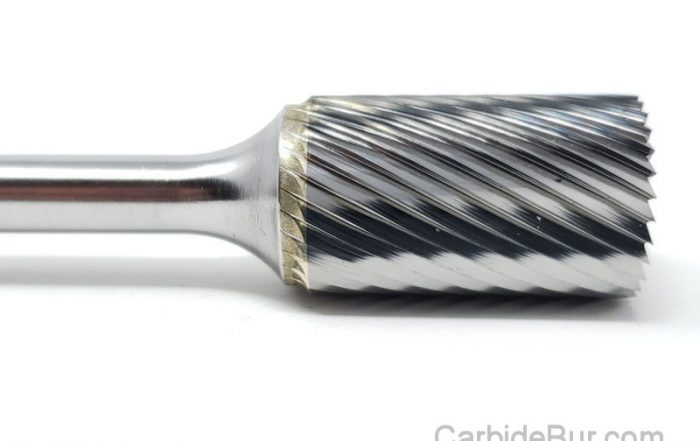
Carbide Burrs for Intake Manifolds: Shaping, Cleanup, and Fitment
Carbide Burrs for Intake Manifolds: Shaping, Cleanup, and Fitment Intake manifold work often involves more than simply bolting a component onto an engine. Depending on the application, metal intake components may have casting irregularities, rough [...]
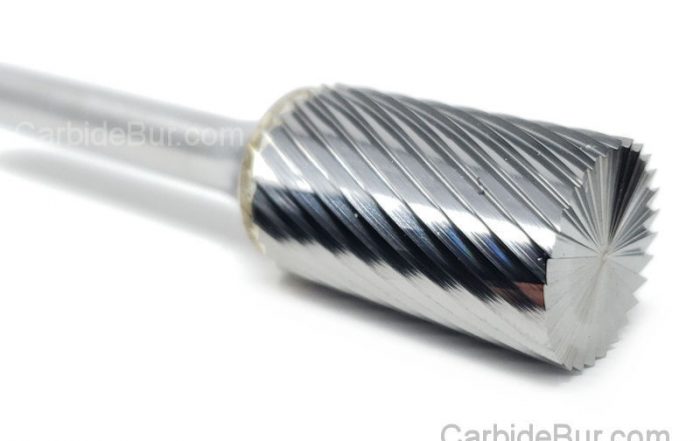
Why Long-Shank Carbide Burrs Are Useful for Hard-to-Reach Areas
Why Long-Shank Carbide Burrs Are Useful for Hard-to-Reach Areas When working on metal parts, the area that needs grinding or shaping is not always easy to reach. Recessed openings, deep cavities, interior surfaces, and complicated [...]
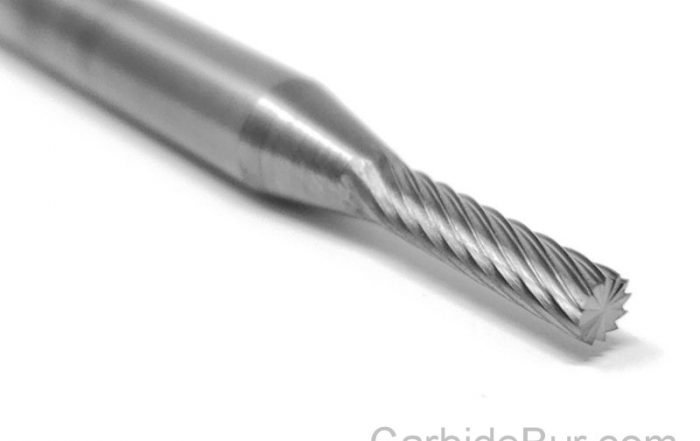
Choosing Carbide Burrs for Stainless Steel Fabrication
Choosing Carbide Burrs for Stainless Steel Fabrication Stainless steel is widely used in fabrication because of its corrosion resistance, strength, and durability. However, those same properties can make it challenging to machine and finish. Removing [...]
Can You Use Carbide Burrs in a Dremel? Shank Sizes Explained
Can You Use Carbide Burrs in a Dremel? Shank Sizes Explained If you use a Dremel or another rotary tool for detail work, metal shaping, or small fabrication projects, you may wonder whether you can [...]
How to Choose the Best Carbide Burr for Welding and Metal Fabrication
How to Choose the Best Carbide Burr for Welding and Metal Fabrication Welding and metal fabrication often require more than joining two pieces of metal together. Once the welding is finished, fabricators frequently need to [...]
Carbide Burrs for Cylinder Heads: What Automotive Enthusiasts Need to Know
Carbide Burrs for Cylinder Heads: What Automotive Enthusiasts Need to Know Cylinder head work is an important part of engine building, restoration, and performance machining. Whether you are cleaning up casting imperfections, refining port surfaces, [...]
Engine Porting 101: How Carbide Burrs Help Shape Cylinder Head Ports
Engine Porting 101: How Carbide Burrs Help Shape Cylinder Head Ports Engine performance enthusiasts, automotive machinists, and engine builders often look for ways to improve airflow through an engine's cylinder heads. One technique used in [...]
When to Use a 4-Inch or 9-Inch Die Grinder Extension
When to Use a 4-Inch or 9-Inch Die Grinder Extension Metal fabrication, welding, automotive repair, and engine building often require working in places where a standard die grinder and carbide burr cannot easily reach. Recessed [...]
Why Buy USA-Made Carbide Burr Tools? What Buyers Should Compare
Why Buy USA-Made Carbide Burr Tools? What Buyers Should Compare When shopping for carbide burr tools, it's tempting to compare products based on price alone. However, professionals who use rotary cutting tools for welding, metal [...]
