
The Power of Precision: How Carbide Burs Transformed Dental Technology
Steel burs served dentists well for decades, but their limits became clear as demands for precision grew. You’ve likely felt the frustration when steel burs dull too quickly or lack the control you need. Carbide dental burs changed the game by offering unmatched strength and accuracy. Let’s trace the history of dental tools and see why this shift matters for your practice today. For more on the history of dental tools, visit this link.
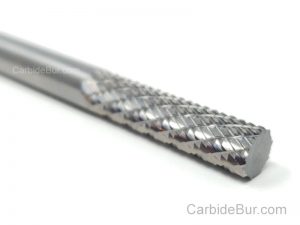
Have you checked out our selection of Carbide Bur Tools?
Evolution of Dental Burs
As we explore the past of dental instruments, understanding the shift from steel to carbide becomes crucial. This evolution marked a significant milestone in dental technology.
From Steel to Carbide
Steel burs were once the cornerstone of dental procedures. They were reliable but often fell short in durability. They dulled quickly, leading to frustration during procedures. Imagine the struggle of a blunt tool when precision is paramount. Carbide dental burs emerged as a solution. They offered the strength and sharpness steel could not. With carbide, you experience tools that stay sharp longer, giving you the precision you need for intricate work. This change was not just about better materials but about improving the quality of care you provide.
History of Dental Tools
Dental tools have come a long way from their rudimentary beginnings. In early dentistry, tools were basic and often crude. As the field advanced, so did the instruments. The introduction of steel burs was a leap forward, allowing for more refined techniques. Yet, the real game-changer was the advent of carbide burs. This transition mirrored the broader innovations in dental practice, pushing boundaries of what’s possible. This journey through time shows how each invention built upon the last, paving the way for modern dentistry. For an in-depth look at this evolution, check out this link.
Precision and Strength
Focusing on precision and strength, the shift to carbide burs significantly influenced dental practices. This section delves into why carbide tools are the new standard.
Carbide Dental Burs
Carbide dental burs have become essential in modern dentistry. Why? Because they offer unmatched precision and strength. When you use carbide burs, you’re tapping into a tool that can withstand high speeds without losing its edge. This means cleaner cuts and more control. Unlike their steel counterparts, carbide burs reduce the need for frequent replacements. Imagine the cost and time savings this provides. Plus, with carbide, you can tackle tough materials effortlessly, enhancing your efficiency in procedures. If you’re exploring options to elevate your practice, carbide burs are the way to go.
Steel vs Carbide Burs
Comparing steel burs to carbide burs highlights a clear winner. Steel burs are known for their affordability but fall short in longevity and sharpness. Carbide burs, on the other hand, maintain their sharpness and last longer. This means fewer interruptions and more consistent results. Here’s a simple breakdown:
-
Durability: Carbide wins with prolonged sharpness.
-
Precision: Carbide provides cleaner, more accurate cuts.
-
Cost-effectiveness: Initial investment in carbide pays off over time.
Choosing carbide burs is not just about getting the job done but doing it better and faster. For more on this topic, see this resource.
Impact on Dental Technology
The impact of carbide burs extends beyond individual tools, influencing the broader landscape of dental equipment. Let’s explore how these changes have reshaped dentistry.
Evolution of Dental Equipment
Dental equipment has evolved dramatically, with carbide burs playing a pivotal role. This evolution reflects a commitment to improving patient outcomes and procedural efficiency. As technology advanced, so did the expectations for precision and reliability in dental tools. Carbide burs helped meet these demands, setting a new standard for quality. They integrate seamlessly with modern equipment, enhancing overall performance. This synergy between tools and technology continues to drive innovation in the field.
Precision Dental Tools
Precision is the hallmark of modern dentistry, and carbide burs are at the forefront. By offering superior control and consistency, they empower you to deliver exceptional care. This precision translates into better patient experiences and outcomes. When tools perform at their best, you can focus on what truly matters: providing top-notch dental care. The ongoing refinement of these tools ensures you’re equipped to meet the challenges of contemporary dentistry. Embrace the change and see how precision dental tools can transform your practice.
In conclusion, the evolution of dental burs from steel to carbide has revolutionized the way dental professionals operate. By embracing these advancements, you’re not just keeping up with technology—you’re setting the pace for the future of dentistry.
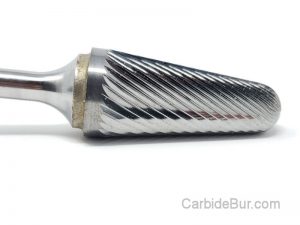
Find more information at CarbideBur.com
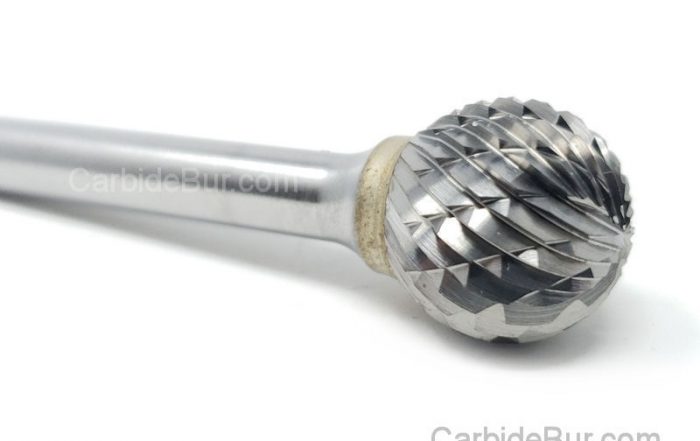
Carbide Burr vs. Grinding Stone: Which Is Better for Metal Removal?
Carbide Burr vs. Grinding Stone: Which Is Better for Metal Removal? When you need to remove metal, smooth a rough edge, or shape a metal component, two common options are carbide burrs and grinding stones. [...]
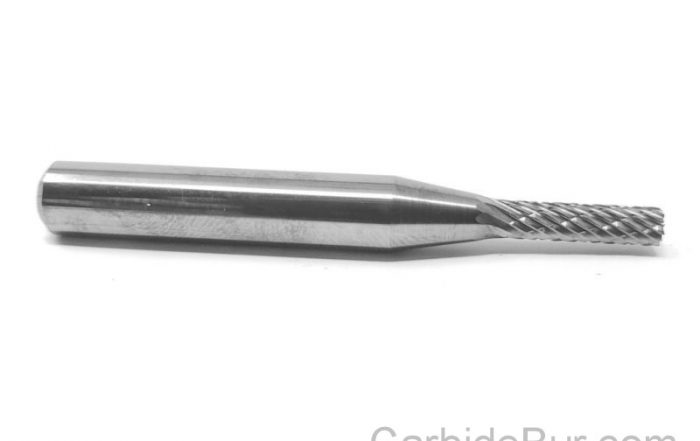
Carbide Burr Safety: RPM, Eye Protection, and Common Mistakes
Carbide Burr Safety: RPM, Eye Protection, and Common Mistakes Carbide burrs are versatile cutting tools used for metal fabrication, welding cleanup, engine porting, deburring, and general material removal. When used correctly, they can help remove [...]
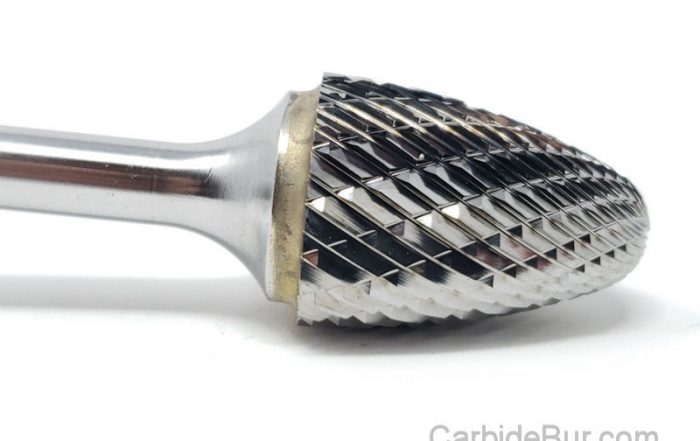
How to Stop Aluminum from Clogging Your Carbide Burr
How to Stop Aluminum from Clogging Your Carbide Burr Aluminum is widely used in automotive work, welding, metal fabrication, aerospace components, and general machining. It is lightweight, relatively easy to machine, and versatile across many [...]
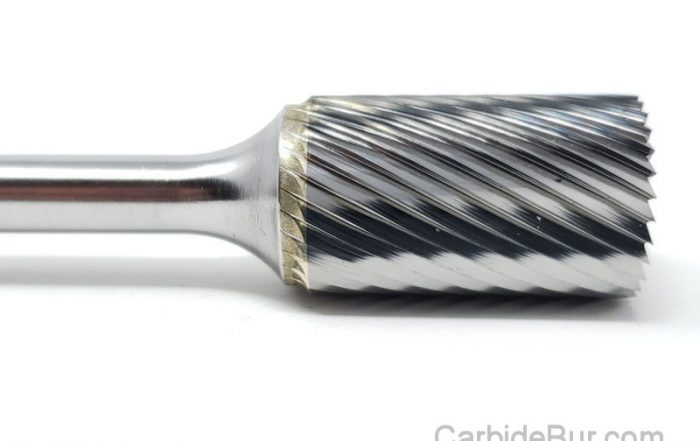
Carbide Burrs for Intake Manifolds: Shaping, Cleanup, and Fitment
Carbide Burrs for Intake Manifolds: Shaping, Cleanup, and Fitment Intake manifold work often involves more than simply bolting a component onto an engine. Depending on the application, metal intake components may have casting irregularities, rough [...]
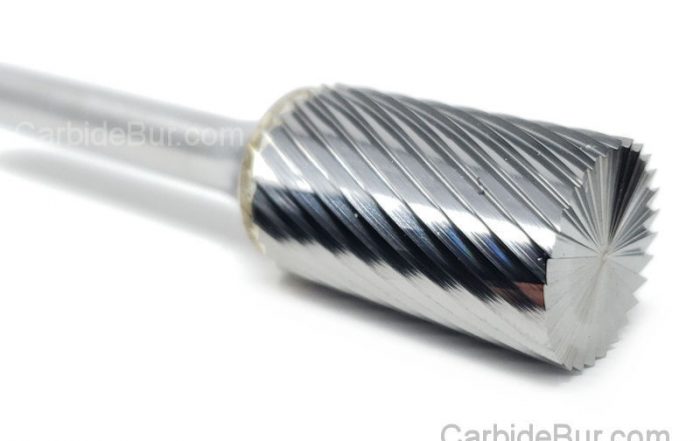
Why Long-Shank Carbide Burrs Are Useful for Hard-to-Reach Areas
Why Long-Shank Carbide Burrs Are Useful for Hard-to-Reach Areas When working on metal parts, the area that needs grinding or shaping is not always easy to reach. Recessed openings, deep cavities, interior surfaces, and complicated [...]
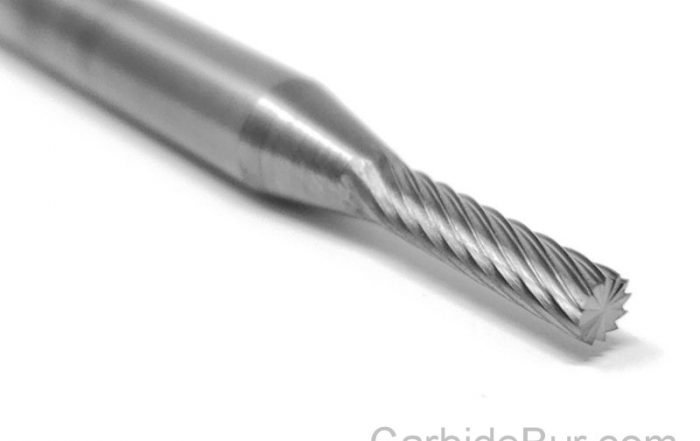
Choosing Carbide Burrs for Stainless Steel Fabrication
Choosing Carbide Burrs for Stainless Steel Fabrication Stainless steel is widely used in fabrication because of its corrosion resistance, strength, and durability. However, those same properties can make it challenging to machine and finish. Removing [...]
Can You Use Carbide Burrs in a Dremel? Shank Sizes Explained
Can You Use Carbide Burrs in a Dremel? Shank Sizes Explained If you use a Dremel or another rotary tool for detail work, metal shaping, or small fabrication projects, you may wonder whether you can [...]
How to Choose the Best Carbide Burr for Welding and Metal Fabrication
How to Choose the Best Carbide Burr for Welding and Metal Fabrication Welding and metal fabrication often require more than joining two pieces of metal together. Once the welding is finished, fabricators frequently need to [...]
Carbide Burrs for Cylinder Heads: What Automotive Enthusiasts Need to Know
Carbide Burrs for Cylinder Heads: What Automotive Enthusiasts Need to Know Cylinder head work is an important part of engine building, restoration, and performance machining. Whether you are cleaning up casting imperfections, refining port surfaces, [...]
Engine Porting 101: How Carbide Burrs Help Shape Cylinder Head Ports
Engine Porting 101: How Carbide Burrs Help Shape Cylinder Head Ports Engine performance enthusiasts, automotive machinists, and engine builders often look for ways to improve airflow through an engine's cylinder heads. One technique used in [...]
When to Use a 4-Inch or 9-Inch Die Grinder Extension
When to Use a 4-Inch or 9-Inch Die Grinder Extension Metal fabrication, welding, automotive repair, and engine building often require working in places where a standard die grinder and carbide burr cannot easily reach. Recessed [...]
Why Buy USA-Made Carbide Burr Tools? What Buyers Should Compare
Why Buy USA-Made Carbide Burr Tools? What Buyers Should Compare When shopping for carbide burr tools, it's tempting to compare products based on price alone. However, professionals who use rotary cutting tools for welding, metal [...]
