
Elevate Your Dental Practice with Expert Insights on Carbide Bur Applications
Most dental pros underestimate how much the right carbide burs can speed up their work. Using the wrong types of burs wastes time and risks the quality of your results. This guide breaks down carbide bur applications, showing you which shapes and materials fit each job—from cutting tools in dentistry to finishing dental tools that polish to perfection. Stick with us, and you’ll sharpen your skills and save hours chairside. Learn more about carbide burs.
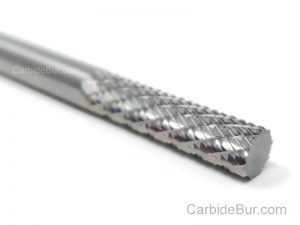
Have you checked out our selection of Carbide Bur Tools?
Understanding Carbide Burs
Grasping the basics of carbide burs sets the stage for enhancing your dental practice. They are more than just tools; they are your partners in precision. Let’s explore what makes them indispensable.
Materials and Composition
Carbide burs are crafted from high-quality materials designed for durability and precision. Typically made from tungsten carbide, these burs offer:
-
Longevity: Lasts longer than steel, offering more use per bur.
-
Hardness: Handles tough materials with ease, reducing wear.
Imagine a tool that cuts through enamel with minimal effort. That’s the power of tungsten carbide. Discover more about carbide bur materials.
Common Shapes and Designs
Shapes matter. The right design can make your work faster and more precise. Common designs include:
-
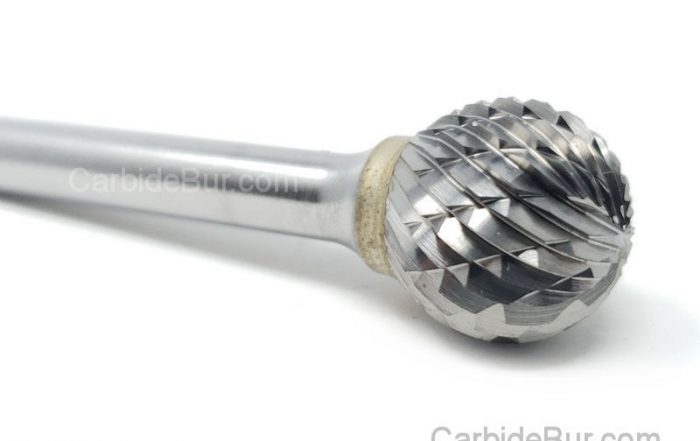
Round Burs: Perfect for creating access points.
-
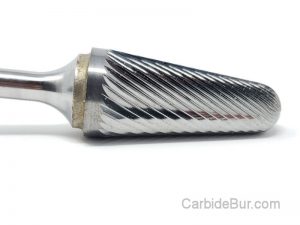
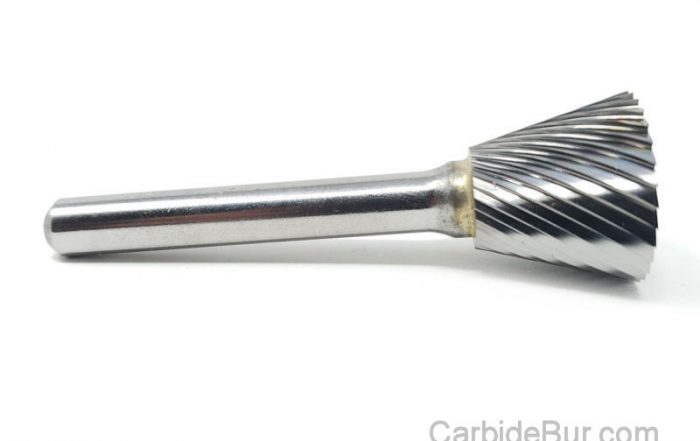
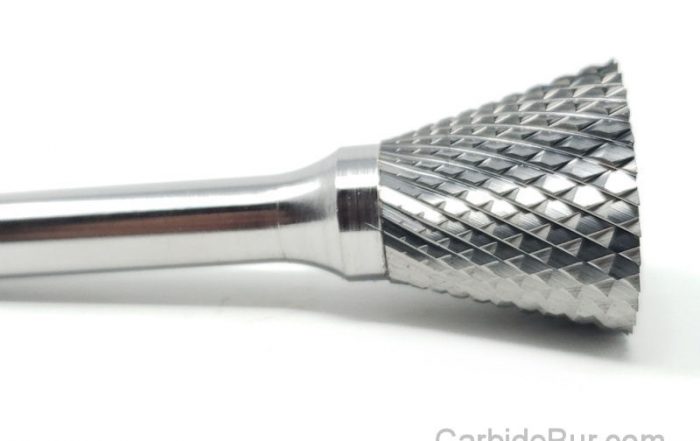
Inverted Cone: Ideal for undercuts in cavity prep.
-
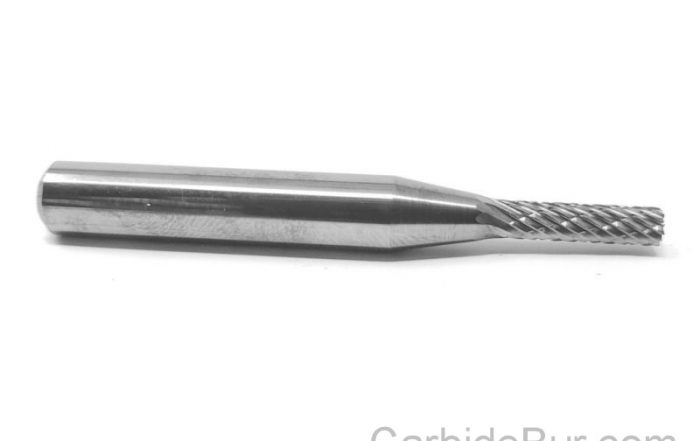
Fissure Burs: Used for smoothing and finishing.
Each shape serves a specific purpose, enhancing your ability to deliver top-notch care. Learn about shape-specific applications.
Practical Applications in Dentistry
The real magic happens when you apply these burs to your daily tasks. Let’s dive into how they transform your dental practice.
Cutting Tools in Dentistry
Cutting through enamel and dentin requires precision. Carbide burs excel in:
-
Speed: Quick cutting reduces chair time.
-
Precision: Clean edges for better restoration fits.
Most dentists believe slower means safer, but carbide burs challenge this notion, offering speed without sacrificing quality. Integrate these into your routine to see immediate improvements. Find out more about cutting applications.
Shaping Utilities for Precision
Achieving the perfect shape is crucial. Carbide burs help you:
-
Refine: Smooth out rough edges with ease.
-
Adapt: Change shapes swiftly to meet patient needs.
Precision is not just about tools; it’s about how you use them. With carbide burs, you have the utility to shape with confidence.
Enhancing Dental Procedures
The right tools can elevate your practice from good to exceptional. Let’s explore how finishing touches make a difference.
Finishing Dental Tools
Finishing is where perfection meets practice. Carbide burs allow you to:
-
Polish: Achieve a mirror-like finish on restorations.
-
Detail: Add intricate designs with ease.
Most assume finishing is a tedious process, but with the right burs, it becomes a breeze. Explore finishing techniques.
Selecting the Right Types of Burs
Choosing the right bur can be daunting. Here’s how you can make the best choice:
-
Assess Needs: Match bur type to the task at hand.
-
Evaluate Options: Consider the shape and material.
Don’t fall into the trap of one-size-fits-all. Each bur has a unique role in your toolkit. Selecting wisely enhances outcomes and efficiency.
In conclusion, understanding and utilizing carbide burs transforms your practice, making your procedures faster and more precise. Keep exploring and adapting to sharpen your skills further.
Find more information at CarbideBur.com
Carbide Burr vs. Grinding Stone: Which Is Better for Metal Removal?
Carbide Burr vs. Grinding Stone: Which Is Better for Metal Removal? When you need to remove metal, smooth a rough edge, or shape a metal component, two common options are carbide burrs and grinding stones. [...]
Carbide Burr Safety: RPM, Eye Protection, and Common Mistakes
Carbide Burr Safety: RPM, Eye Protection, and Common Mistakes Carbide burrs are versatile cutting tools used for metal fabrication, welding cleanup, engine porting, deburring, and general material removal. When used correctly, they can help remove [...]
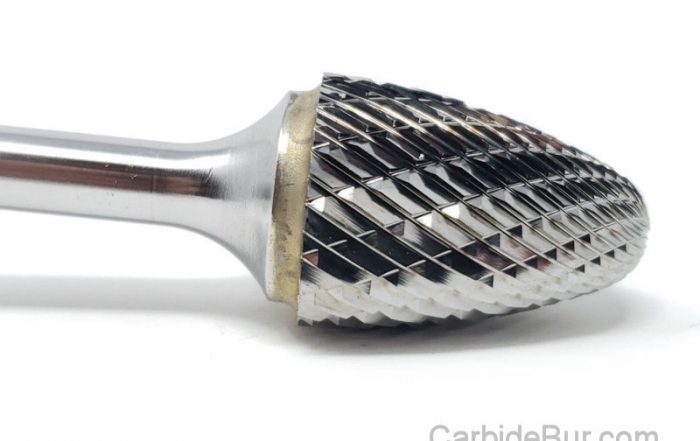
How to Stop Aluminum from Clogging Your Carbide Burr
How to Stop Aluminum from Clogging Your Carbide Burr Aluminum is widely used in automotive work, welding, metal fabrication, aerospace components, and general machining. It is lightweight, relatively easy to machine, and versatile across many [...]
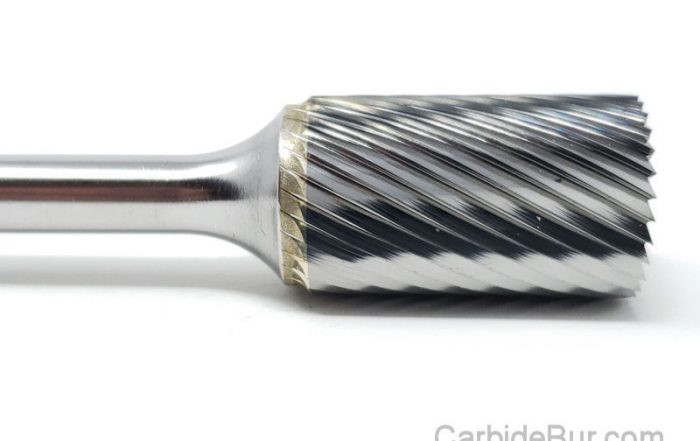
Carbide Burrs for Intake Manifolds: Shaping, Cleanup, and Fitment
Carbide Burrs for Intake Manifolds: Shaping, Cleanup, and Fitment Intake manifold work often involves more than simply bolting a component onto an engine. Depending on the application, metal intake components may have casting irregularities, rough [...]
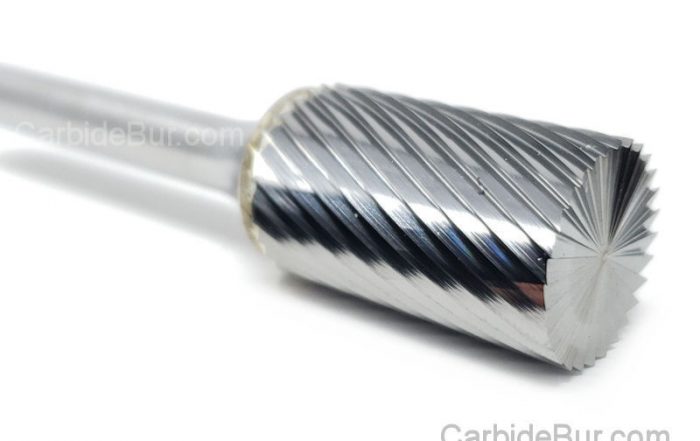
Why Long-Shank Carbide Burrs Are Useful for Hard-to-Reach Areas
Why Long-Shank Carbide Burrs Are Useful for Hard-to-Reach Areas When working on metal parts, the area that needs grinding or shaping is not always easy to reach. Recessed openings, deep cavities, interior surfaces, and complicated [...]
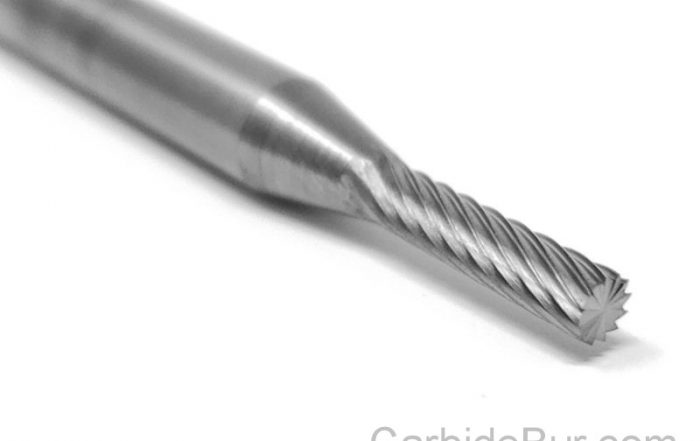
Choosing Carbide Burrs for Stainless Steel Fabrication
Choosing Carbide Burrs for Stainless Steel Fabrication Stainless steel is widely used in fabrication because of its corrosion resistance, strength, and durability. However, those same properties can make it challenging to machine and finish. Removing [...]
Can You Use Carbide Burrs in a Dremel? Shank Sizes Explained
Can You Use Carbide Burrs in a Dremel? Shank Sizes Explained If you use a Dremel or another rotary tool for detail work, metal shaping, or small fabrication projects, you may wonder whether you can [...]
How to Choose the Best Carbide Burr for Welding and Metal Fabrication
How to Choose the Best Carbide Burr for Welding and Metal Fabrication Welding and metal fabrication often require more than joining two pieces of metal together. Once the welding is finished, fabricators frequently need to [...]
Carbide Burrs for Cylinder Heads: What Automotive Enthusiasts Need to Know
Carbide Burrs for Cylinder Heads: What Automotive Enthusiasts Need to Know Cylinder head work is an important part of engine building, restoration, and performance machining. Whether you are cleaning up casting imperfections, refining port surfaces, [...]
Engine Porting 101: How Carbide Burrs Help Shape Cylinder Head Ports
Engine Porting 101: How Carbide Burrs Help Shape Cylinder Head Ports Engine performance enthusiasts, automotive machinists, and engine builders often look for ways to improve airflow through an engine's cylinder heads. One technique used in [...]
When to Use a 4-Inch or 9-Inch Die Grinder Extension
When to Use a 4-Inch or 9-Inch Die Grinder Extension Metal fabrication, welding, automotive repair, and engine building often require working in places where a standard die grinder and carbide burr cannot easily reach. Recessed [...]
Why Buy USA-Made Carbide Burr Tools? What Buyers Should Compare
Why Buy USA-Made Carbide Burr Tools? What Buyers Should Compare When shopping for carbide burr tools, it's tempting to compare products based on price alone. However, professionals who use rotary cutting tools for welding, metal [...]
