
Carbide vs. Diamond-Coated: Choosing the Best Burs for Hard Materials Machining
Most machinists don’t realize how much the right bur changes their deburring results. Carbide burs cut with sharp flutes, but diamond-coated burs grind away even the toughest materials like hardened steel and ceramics. Picking the right bur for hard materials machining can save you time and avoid tool damage. Let’s break down the difference between burs so you know exactly which cutting tool fits your job. For more insights, check out this resource.
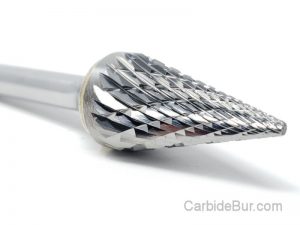
Click here to see our entire selection of USA made carbide bur tools
Understanding Carbide Burs
When it comes to deburring, getting familiar with carbide burs is key. These tools are the backbone of many machining tasks, offering precision and efficiency. Let’s delve into what makes them so essential.
Types of Carbide Burs
Carbide burs come in various types tailored to different tasks. The single cut carbide burr is perfect for removing material quickly and creating a smooth finish. On the other hand, the double cut carbide burr is ideal for more precise work, offering a finer finish. The choice between them depends on your specific needs. For example, if you’re working with aluminum, using a carbide burr for aluminum deburring ensures a clean result without clogging. Each type has its place, so knowing when to use each can improve your work quality significantly.
Carbide Burr Shapes for Deburring
The shape of a carbide burr can impact its effectiveness. Cylinder, ball, and flame shapes each serve different purposes. Cylinder shapes tackle flat surfaces efficiently, while ball shapes are great for curved surfaces. Choosing the right shape can make your deburring process smoother and faster. For tricky spots, a carbide burr set offers a variety of shapes, giving you all the options you might need. It’s worth having a set handy for different tasks.
Carbide Burrs for Different Materials
Carbide burs aren’t one-size-fits-all; they excel when matched with the right materials. A carbide burr for steel is tough enough to handle the demands of metalwork but can also work wonders on softer materials. For extremely hard materials, like hardened steel, selecting the right burr is crucial to avoid tool damage. Matching the tool to the task is key to getting the best results and prolonging tool life. You can find more insights on selecting the right tools at this website.
Exploring Diamond-Coated Burs
Transitioning from carbide to diamond-coated burs opens new possibilities. These tools bring a different approach to handling tough materials and are crucial in specific applications.
Advantages of Diamond-Coated Burs
The primary advantage of diamond-coated burs lies in their abrasive capabilities. They grind away material rather than cutting, which makes them perfect for extremely hard surfaces like ceramics and hardened steel. They last longer and maintain their sharpness, reducing the need for frequent replacements. Using these burs can save you time and money, especially in demanding environments. The longer lifespan and superior performance are what make diamond-coated burs a preferred choice for tough jobs.
Applications for Hard Materials
Diamond-coated burs shine brightest in applications involving hard materials. They’re the go-to choice for machining tasks involving glass, ceramics, and hardened steel. Their ability to handle such materials without losing efficiency is unmatched. You’ll find them invaluable in industries requiring precision and durability. Knowing when to switch from carbide to diamond-coated can make all the difference in achieving a flawless finish. For more on why they’re your best bet, visit this article.
Optimal Use and Techniques
To make the most of diamond-coated burs, certain techniques can enhance their performance. Running them at lower RPMs, around 6,000–12,000, with light pressure helps maintain control and finish quality. This technique prevents overheating and extends the tool’s life. Patience and precision are your allies here. Embracing these methods ensures you get the best from your burs and achieve superior results consistently. Proper technique is what sets apart average work from excellence.
Choosing the Right Deburring Tool
Now that you’re familiar with both carbide and diamond-coated burs, choosing the right tool becomes easier. Each has distinct advantages, but understanding your needs is crucial.
Comparing Carbide and Diamond-Coated
The core difference between carbide and diamond-coated burs is in their function. Carbide burs cut with sharp flutes, ideal for softer metals and high-speed applications. In contrast, diamond-coated burs grind with abrasive particles, making them superior for hard materials. Choosing depends on the material and the finish you desire. Both have their strengths, and the right choice depends on your specific application. For a deeper dive, this resource can offer more insights.
Selecting Based on Material Hardness
When selecting a deburring tool, the hardness of the material dictates your choice. For softer materials, a tungsten carbide burr deburring tool is sufficient. However, for harder materials like ceramics or steel above 60 HRC, diamond-coated burs are essential. Matching the tool to the material ensures efficiency and prolongs tool life. This step is crucial in achieving a quality finish without unnecessary wear on your tools.
Tips for Effective Deburring
For effective deburring, keep these tips in mind:
-
Select the right tool for the material – This avoids damage and ensures a smooth finish.
-
Use the correct speed and pressure – Prevents overheating and extends tool life.
-
Regularly inspect and maintain your tools – Keeps them in optimal condition.
These practices not only enhance your work quality but also save time and resources. By following these tips, you can ensure a smooth, efficient deburring process every time.
In conclusion, understanding the difference between carbide and diamond-coated burs and their applications can greatly improve your machining projects. Each tool has its place, and knowing when to use each ensures efficiency and quality in your work.
Click here to see our entire selection of USA made carbide bur tools
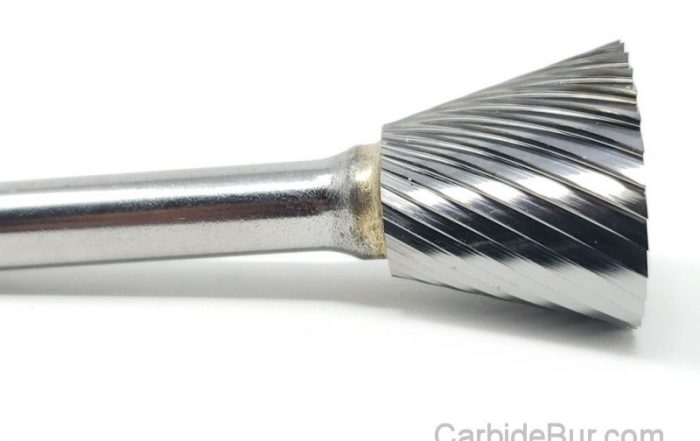
1/8 vs 1/4 Inch Carbide Burrs: What’s the Difference?
1/8 vs 1/4 Inch Carbide Burrs: What's the Difference? Choosing between a 1/8 inch carbide burr and a 1/4 inch carbide burr can change how your project turns out. Many machinists and hobbyists overlook how [...]
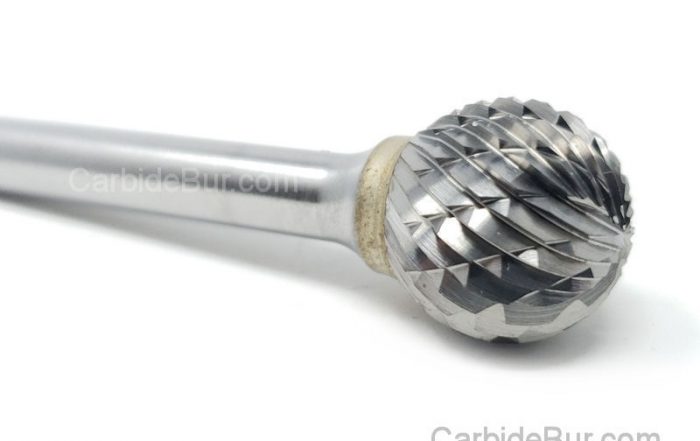
Best Carbide Burr for Removing Flash From Castings
Best Carbide Burr for Removing Flash From Castings Removing flash from castings is a task that can slow down your entire metalworking process if you don’t have the right tools. Picking the best carbide burr [...]
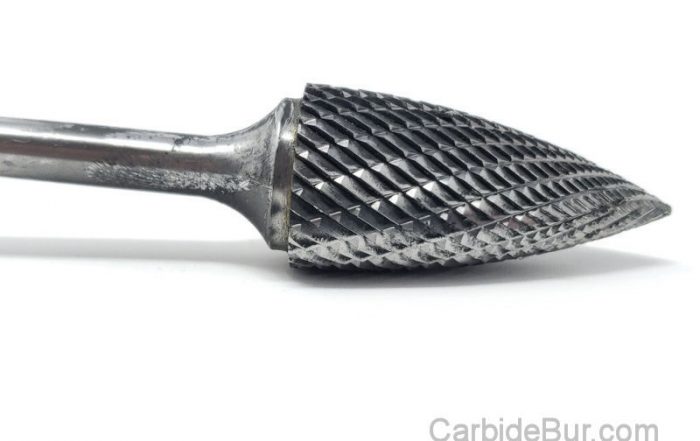
What RPM Should You Use for a 1/4 Inch Carbide Burr?
What RPM Should You Use for a 1/4 Inch Carbide Burr? Most machinists guess the right speed for a 1/4 inch carbide burr and hope for the best. Using the wrong carbide burr RPM can [...]
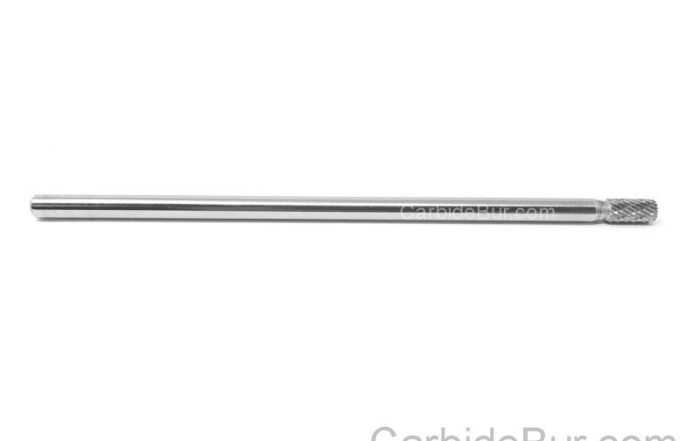
Long Shank Carbide Burrs: When Do You Need One?
Long Shank Carbide Burrs: When Do You Need One? Most machinists overlook the power of long shank carbide burrs until a project demands precision in tight spaces. When your usual tools can’t reach intricate contours, [...]
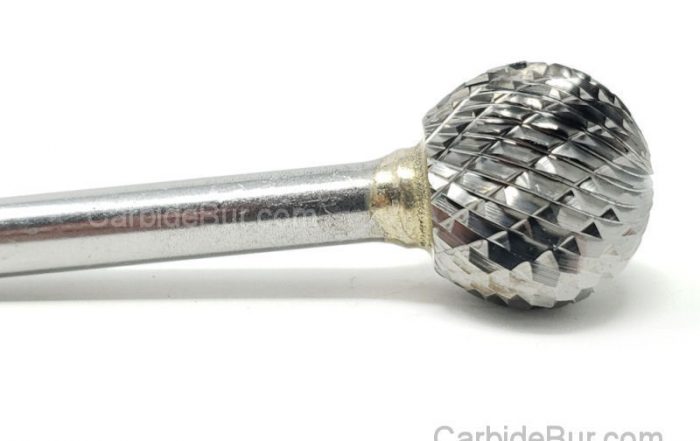
How Deep Can a Carbide Burr Cut Metal?
How Deep Can a Carbide Burr Cut Metal? Carbide burrs often get praised for their precision, but many users hit a wall wondering how deep they can actually cut metal. The truth is, cutting depth [...]
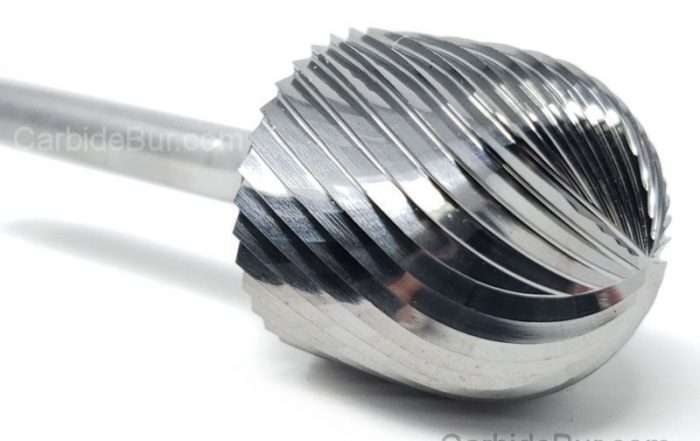
How to Use Carbide Burrs for Port Matching
How to Use Carbide Burrs for Port Matching Most engine builds hit a wall when airflow doesn’t flow smoothly between the ports and manifolds. If your engine isn’t breathing right, your performance stalls. Using the [...]
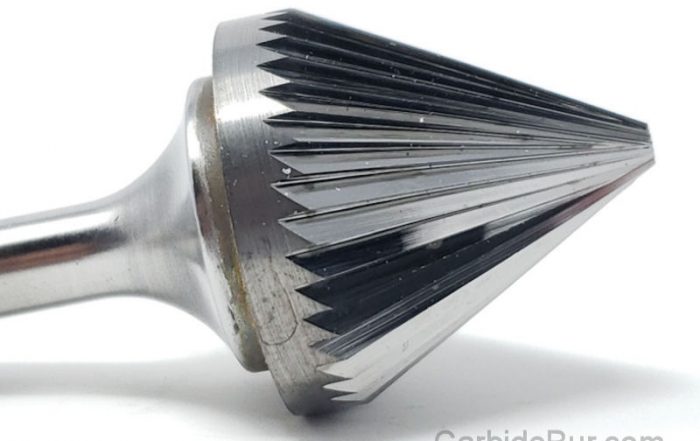
Best Carbide Burr for Porting Intake Manifolds
Best Carbide Burr for Porting Intake Manifolds Porting intake manifolds can make or break your engine’s airflow, yet many struggle with the right tools for the job. Choosing the best carbide burrs is key to [...]
Best Carbide Burr for Concave Surfaces
Best Carbide Burr for Concave Surfaces Concave surfaces can turn a straightforward project into a frustrating challenge if you don’t have the right tool. Carbide burrs designed for these tricky curves make all the difference [...]
How to Grind a Slot in Metal With a Carbide Burr
How to Grind a Slot in Metal With a Carbide Burr Grinding a precise slot in metal can feel like a tricky task, especially if you’re unsure which tools to trust. Carbide burr grinding offers [...]

Best Carbide Burr for Inside Corners
Best Carbide Burr for Inside Corners Working in tight inside corners can turn even simple projects into frustrating tasks. Many carbide burrs just don’t fit or cut cleanly where you need them most. The best [...]
What Size Carbide Burr Do I Need?
What Size Carbide Burr Do I Need? Picking the wrong carbide burr can turn a simple project into a frustrating mess. You might have the best machining tools but still miss the mark if your [...]
How to Smooth Sharp Metal Edges With a Carbide Burr
How to Smooth Sharp Metal Edges With a Carbide Burr Sharp metal edges can turn your project from professional to risky in seconds. If you’ve struggled with smoothing metal edges without scratching or weakening the [...]
