
Avoiding Carbide Burs Mistakes: Tips for Clean Porting and Protecting Your Cylinder Heads
You’ve probably seen how a simple slip with carbide burs can turn a precise porting job into a costly mess. Using the wrong RPM or pushing your bur too hard leads to cylinder head damage that no mechanic wants. This guide breaks down common carbide burs mistakes and shows you clean porting techniques that protect your investment and get the job done right. Learn more here.
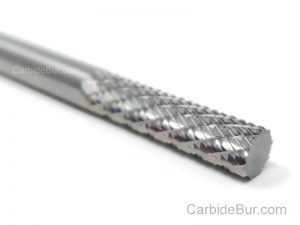
Have you checked out our selection of Carbide Bur Tools?
Common Porting Errors
Getting the porting right is crucial for any mechanic. Let’s look at two main areas where things can go wrong.
RPM for Carbide Burs
Using the correct speed is key. Too fast or too slow, and you risk ruining your work. Aim for a consistent RPM to ensure smooth cuts.
-
High RPMs can cause overheating. This might lead to damaged tools and warped materials. Keep an eye on the heat.
-
Low RPMs might not cut effectively. This can make your work uneven and increase the time spent on the job.
For more guidance, watch this video on choosing the right RPM for your tools.
Avoiding Cylinder Head Damage
Cylinder heads are expensive. Avoiding damage here saves both time and money.
-
Gentle Pressure: Pushing too hard can crack or warp the head.
-
Steady Hand: Keep your hand steady to prevent slips that gouge the surface.
Most people tend to rush, thinking speed saves time. But precision is your friend here. Remember, careful work reduces the risk of costly errors.
Fixing Bur Overload
Too much pressure or speed leads to overload. Here’s how to avoid that.
Effective Bur Use Tips
Overloading carbide burs is a common mistake. Here’s how to handle them:
-
Use the Right Bur: Match the bur size to the job. Bigger isn’t always better.
-
Control Pressure: Apply even pressure to prevent overheating.
-
Check Your Tool: Ensure your equipment is in top condition to handle the job.
By following these steps, you maintain control and avoid overloading. This ensures a clean, professional finish.
Clean Porting Techniques
Want to achieve that perfect finish? Clean porting is what you need.
-
Regular Maintenance: Clean your tools after each use. This prolongs their life and keeps them sharp.
-
Practice Patience: Take your time for a polished result.
For a deeper dive into maintenance, explore this guide.
Mastering Your Craft
You’ve learned about common errors, but mastering your craft is the ultimate goal.
Preventing Carbide Burs Mistakes
Avoiding mistakes is about preparation and knowledge.
-
Educate Yourself: Stay informed about the latest techniques. Knowledge is power.
-
Seek Feedback: Don’t hesitate to ask for opinions. It helps you grow.
Most people stop learning once they feel comfortable. But true mastery lies in continuous improvement.
Achieving Precision and Confidence
Precision leads to confidence in your work. Here’s how you can achieve both:
-
Set Goals: Small, achievable targets lead to big results.
-
Reflect on Progress: Regularly assess what you’ve learned and how you can improve.
The longer you wait to refine your skills, the more challenges you might face. Take the time to hone your craft and enjoy the satisfaction of a job well done. For additional insights, check out this resource.
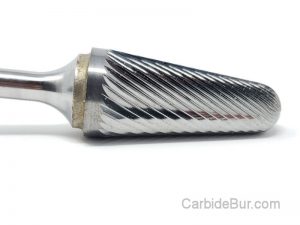
Find more information at CarbideBur.com
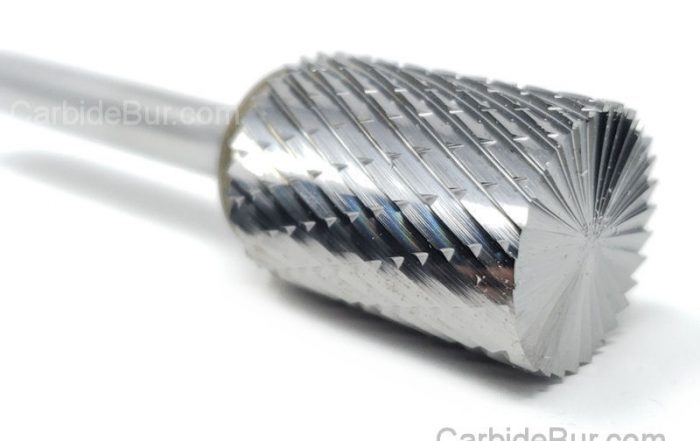
When to Use a 4-Inch or 9-Inch Die Grinder Extension
When to Use a 4-Inch or 9-Inch Die Grinder Extension Metal fabrication, welding, automotive repair, and engine building often require working in places where a standard die grinder and carbide burr cannot easily reach. Recessed [...]
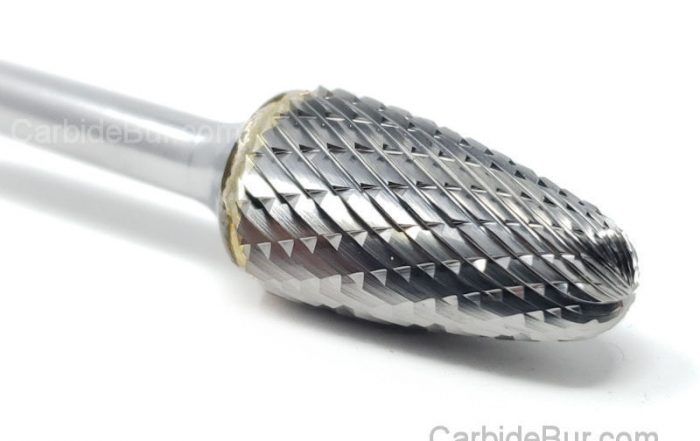
Why Buy USA-Made Carbide Burr Tools? What Buyers Should Compare
Why Buy USA-Made Carbide Burr Tools? What Buyers Should Compare When shopping for carbide burr tools, it's tempting to compare products based on price alone. However, professionals who use rotary cutting tools for welding, metal [...]
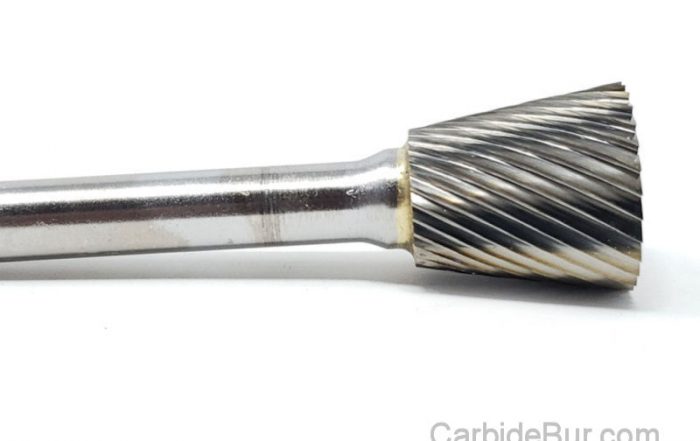
How to Use 1/8-Inch Rotary Bits with a Die Grinder
How to Use 1/8-Inch Rotary Bits with a Die Grinder Die grinders are popular tools for metalworking, fabrication, deburring, and precision material removal. However, many die grinders use a 1/4-inch collet, while smaller rotary tools [...]

Can You Use a Carbide Burr With an Electric Die Grinder?
Can You Use a Carbide Burr With an Electric Die Grinder? Most people don’t realize how much a carbide burr can change the way an electric die grinder works. Using the right burr type can [...]
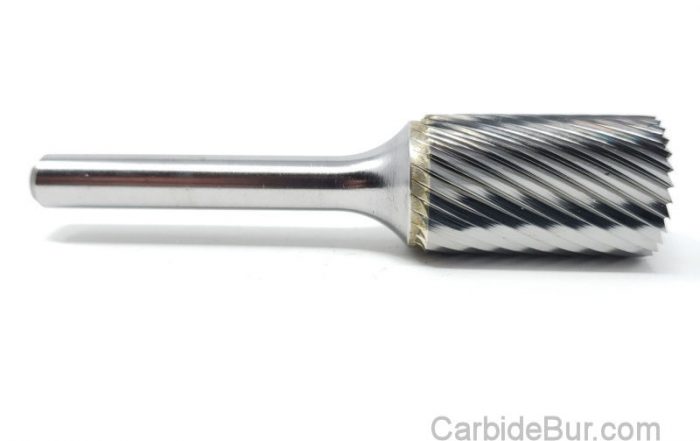
How to Deburr Holes With a Carbide Burr
How to Deburr Holes With a Carbide Burr Most people think any tool will do for deburring holes. The truth is, using the right carbide burr with the correct size and shape changes everything. In [...]
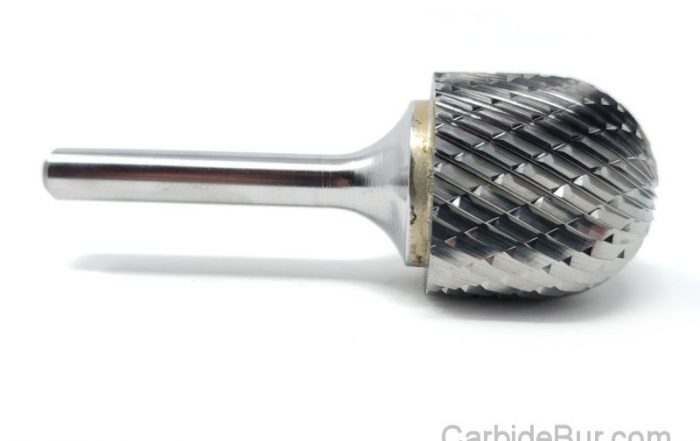
How to Choose the Correct Carbide Burr Shank Size
How to Choose the Correct Carbide Burr Shank Size Many machinists lose hours troubleshooting tool issues caused by the wrong carbide burr shank size. Using a shank that doesn’t fit your grinder can lead to [...]
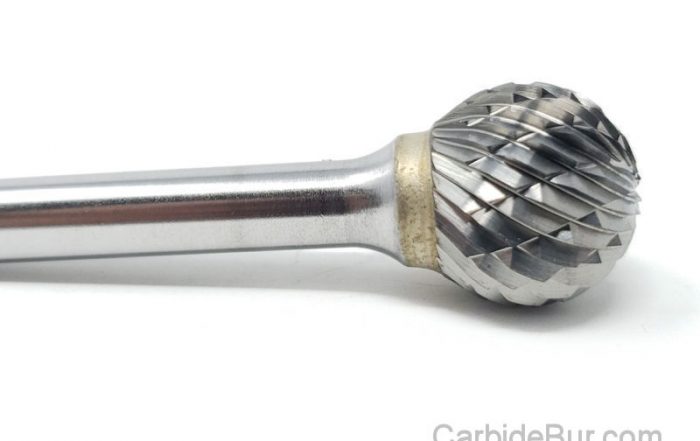
How to Remove Casting Flash With a Carbide Burr
How to Remove Casting Flash With a Carbide Burr Casting flash ruins the look and fit of your metal parts. You’ve tried sanding or grinding, but the results aren’t clean or fast enough. Learning how [...]
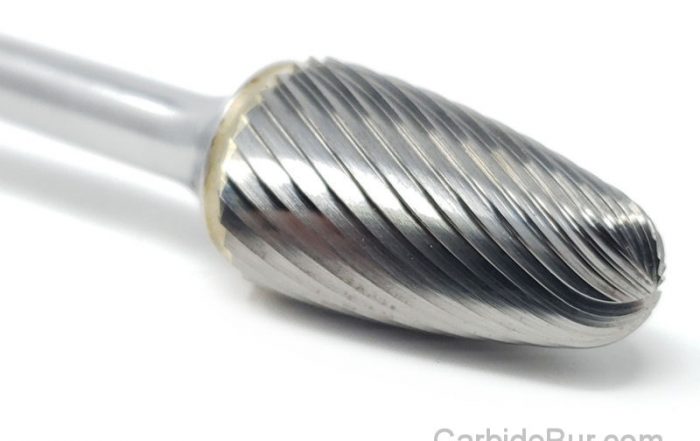
Best Carbide Burr for Enlarging a Hole in Metal
Best Carbide Burr for Enlarging a Hole in Metal When you need to enlarge a hole in metal, grabbing the wrong carbide burr can turn a simple task into a frustrating mess. Picking the best [...]
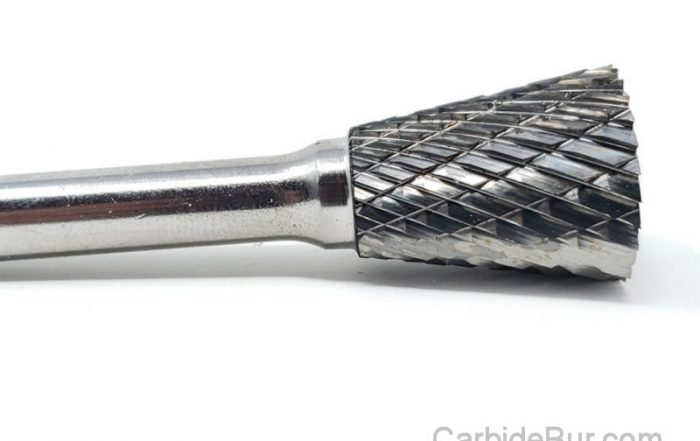
Carbide Burr Safety: 15 Mistakes That Can Cause Injury or Damage
Carbide Burr Safety: 15 Mistakes That Can Cause Injury or Damage Carbide burr safety is often overlooked until a costly mistake happens. Many metalworkers and DIYers make the same errors that lead to injuries or [...]
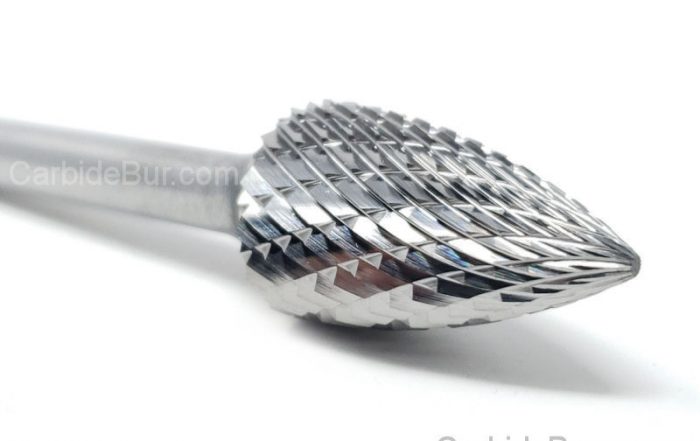
Can You Use a Carbide Burr in a Drill?
Can You Use a Carbide Burr in a Drill? Most people think a standard drill can’t handle a carbide burr, but that’s not true. Using carbide burr in the right drill can speed up your [...]
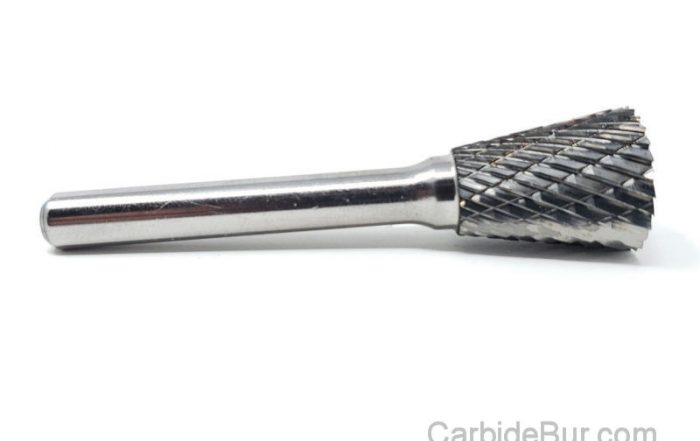
Carbide Burrs for Removing Rust: What Works Best?
Carbide Burrs for Removing Rust: What Works Best? Rust can turn your favorite tools into useless junk faster than you expect. Removing it without ruining the metal underneath takes more than just elbow grease—it demands [...]
How Much Pressure Should You Use With a Carbide Burr?
How Much Pressure Should You Use With a Carbide Burr? Most people think pressing harder with a carbide burr speeds up the job. That’s not true—too much pressure wears out your tool and ruins the [...]
