
When to Sharpen or Replace: Tips for Optimal Carbide Tool Care
Many machinists waste hours with dull carbide burrs, slowing down projects and risking poor cuts. Knowing when to sharpen carbide burrs can save time and keep your tools working like new. This guide breaks down the key burr sharpening techniques, tools like diamond wheels, and tips for a proper grinder setup, so you can handle carbide tool care with confidence. For more information on tool longevity and maintenance, you can visit this page.
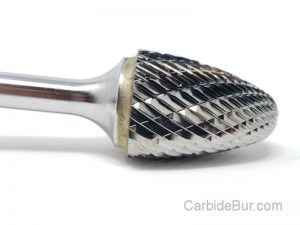
Check out this selection of USA made carbide burs
Importance of Carbide Tool Care
Taking care of your carbide tools is crucial to ensure their effectiveness and longevity. Let’s explore why these tiny, yet powerful tools need your attention.
Understanding Carbide Burrs
Carbide burrs are essential in shaping, grinding, and cutting materials. They come in various shapes and sizes, tailored for different tasks. But what makes them special? Carbide material is incredibly hard and durable, capable of withstanding intense heat and pressure. This quality allows you to work on tough surfaces with precision. However, their performance can degrade over time without proper care. Keeping them sharp not only enhances their effectiveness but also saves you from costly replacements.
Benefits of Proper Maintenance
Proper maintenance of your carbide burrs can significantly boost their lifespan. When burrs are sharp, they cut through materials smoothly, saving you time and effort. Regular upkeep also ensures a superior finish on your projects, enhancing the quality of your work. Moreover, well-maintained burrs reduce the strain on your equipment, minimizing the risk of damage. By dedicating time to maintenance, you can achieve consistent results and extend the life of your tools.
Common Challenges
Despite their benefits, maintaining carbide burrs presents some challenges. Over time, they may become dull or chipped due to frequent use. Identifying the right time to sharpen them can be tricky. Some machinists struggle with using the correct tools and techniques, leading to subpar results. Moreover, safety concerns can arise if tools are handled improperly. Addressing these challenges is essential for maintaining your tools’ performance and ensuring a safe working environment.
Essential Sharpening Tools
Understanding the importance of care is just the beginning. Equipping yourself with the right sharpening tools is the next step to mastering the art of carbide tool maintenance.
Grinder Setup Basics
Setting up your grinder is the foundation of successful sharpening. A proper setup involves securing the grinder on a stable surface, ensuring it doesn’t wobble during use. Make sure the grinder is at a comfortable height to work efficiently. Use a tool rest to support the burr during sharpening, maintaining consistent contact with the wheel. Adjust the grinder’s speed settings according to your needs, keeping in mind that slower speeds offer more control.

Need a longer reach for your die grinder?
Choosing Diamond Wheels
Diamond wheels are preferred for sharpening carbide burrs due to their hardness. When selecting a diamond wheel, consider the grit size. Finer grits (e.g., 1500) are ideal for polishing, while coarser grits (e.g., 600) work well for shaping. Look for high-quality diamond wheels that promise long-lasting performance. You can learn more about choosing the right wheels here. Keep an eye on wear and replace the wheel when necessary to maintain efficiency.
Optimal Angles for Cutting Edges
Achieving the perfect cutting edge involves sharpening at the right angle. The typical angle for carbide burrs ranges between 10 to 15 degrees. Maintaining this angle ensures a sharp edge without compromising the burr’s integrity. Use angle guides if needed to maintain consistency. Remember, the goal is to achieve a sharp, thin edge that can effortlessly cut through materials.
Burr Sharpening Techniques
With the right tools in place, it’s time to dive into the techniques that will keep your burrs in peak condition.
Step-by-Step Sharpening Guide
Here’s a simple guide to sharpen your burrs effectively:
-
Secure the Burr: Clamp the burr firmly to prevent movement.
-
Position the Burr: Align the burr with the diamond wheel at the correct angle.
-
Sharpen: Move the burr steadily across the wheel, applying light pressure.
-
Cool Down: Dip the burr in water periodically to avoid overheating.
By following these steps, you’ll ensure a sharp, efficient tool ready for action.
Maintaining Carbide Integrity
Protecting the integrity of your carbide burrs during sharpening is crucial. Avoid excessive pressure, as it can cause the burr to chip or crack. Overheating is another risk, which can weaken the carbide. Keep a bowl of water nearby to cool the burr frequently. Regularly check for any signs of damage, such as chips or cracks, and address them promptly to prolong the life of your tools.
Safety Tips and Precautions
Safety should always be a priority when sharpening. Wear protective gear, including goggles and gloves, to shield yourself from flying debris and sharp edges. Ensure your workspace is well-lit and free from clutter. Use tools as intended and avoid taking shortcuts. Stay focused on the task to prevent accidents and injuries.
When to Sharpen or Replace
Knowing when to sharpen or replace your burrs can make all the difference in maintaining optimal performance.
Signs It’s Time to Sharpen
Dull burrs can lead to poor cuts and wasted time. Look for these signs to know when it’s time to sharpen:
-
Reduced Cutting Speed: If the burr struggles to cut, it needs sharpening.
-
Rough Finishes: Uneven surfaces indicate a dull edge.
-
Excessive Heat: Overheating during use suggests the burr isn’t sharp enough.
Recognizing these signs early helps you maintain efficiency in your projects.
Indicators for Replacement
Sometimes, sharpening isn’t enough. Here are signs that suggest it’s time to replace your burr:
-
Chipped Edges: Chips that can’t be smoothed out require a new burr.
-
Visible Cracks: Cracks compromise the burr’s integrity and should be replaced.
-
Excessive Wear: When sharpening no longer restores the edge, it’s time for a replacement.
Investing in a new burr ensures safety and quality in your work.
Cost-Benefit Analysis
Consider the cost versus the benefits of sharpening or replacing. While sharpening is more economical, there are times when replacement is necessary. Evaluate the quality of your work and the time saved with sharp tools. Over time, investing in new burrs can be more cost-effective, ensuring high-quality results and reduced downtime.
Maximizing Burr Longevity
Extend the lifespan of your carbide burrs with these practical tips.
Regular Maintenance Practices
Regular maintenance keeps your burrs in top condition. Clean them after each use to remove debris. Inspect regularly for signs of wear and sharpen as needed. By incorporating these simple practices, you ensure your tools remain reliable and effective.
Storing Your Carbide Burrs
Proper storage extends tool life. Store burrs in a dry, cool place to prevent rust. Use a dedicated storage case to organize and protect them from damage. By taking care of your burrs even when not in use, you preserve their quality for future projects.
Enhancing Performance and Efficiency
Enhancing your burrs’ performance goes beyond sharpening. Use the right speed settings for your projects to prevent premature wear. Select the appropriate burr shape for each task to ensure precision. With these strategies, you optimize your tools’ performance, achieving excellent results every time.
By following these guidelines, you’ll unlock the full potential of your carbide burrs, ensuring they remain sharp and effective for all your machining needs.
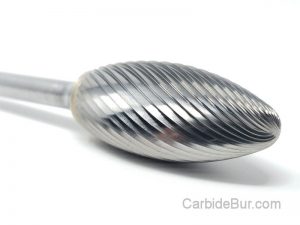
Looking for Carbide Bur Tools?
Check out our entire selection of USA made carbide bur die grinder tool bits
Follow us on Twitter

Return to CarbideBur.com
Carbide Burs – 1/4″ on 1/8″ Shanks – Accessories – Aluminum Cut – Bur Sets – End Mills – Long Shank – Solid Burs
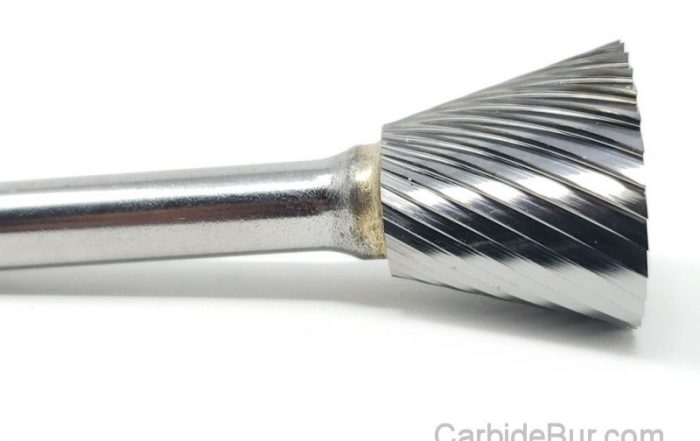
1/8 vs 1/4 Inch Carbide Burrs: What’s the Difference?
1/8 vs 1/4 Inch Carbide Burrs: What's the Difference? Choosing between a 1/8 inch carbide burr and a 1/4 inch carbide burr can change how your project turns out. Many machinists and hobbyists overlook how [...]

Best Carbide Burr for Removing Flash From Castings
Best Carbide Burr for Removing Flash From Castings Removing flash from castings is a task that can slow down your entire metalworking process if you don’t have the right tools. Picking the best carbide burr [...]
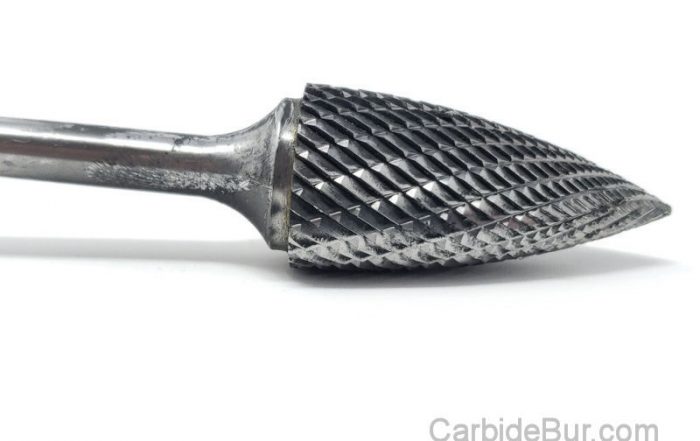
What RPM Should You Use for a 1/4 Inch Carbide Burr?
What RPM Should You Use for a 1/4 Inch Carbide Burr? Most machinists guess the right speed for a 1/4 inch carbide burr and hope for the best. Using the wrong carbide burr RPM can [...]
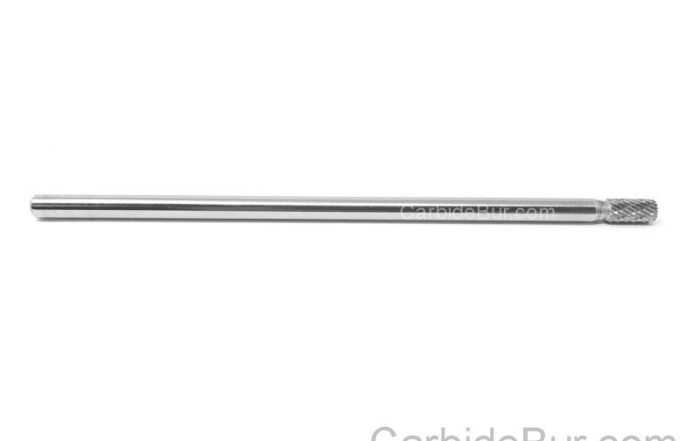
Long Shank Carbide Burrs: When Do You Need One?
Long Shank Carbide Burrs: When Do You Need One? Most machinists overlook the power of long shank carbide burrs until a project demands precision in tight spaces. When your usual tools can’t reach intricate contours, [...]
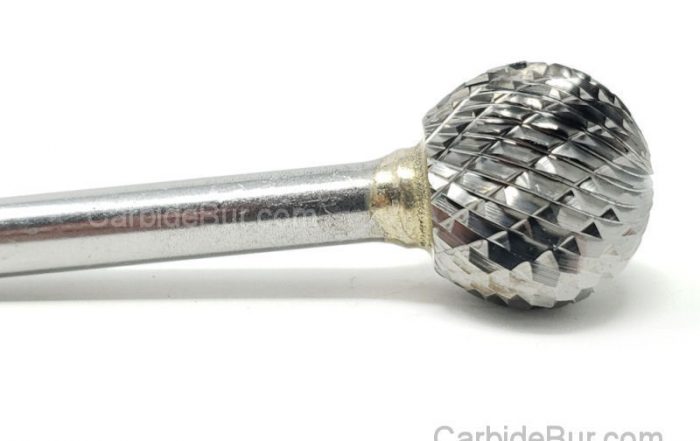
How Deep Can a Carbide Burr Cut Metal?
How Deep Can a Carbide Burr Cut Metal? Carbide burrs often get praised for their precision, but many users hit a wall wondering how deep they can actually cut metal. The truth is, cutting depth [...]
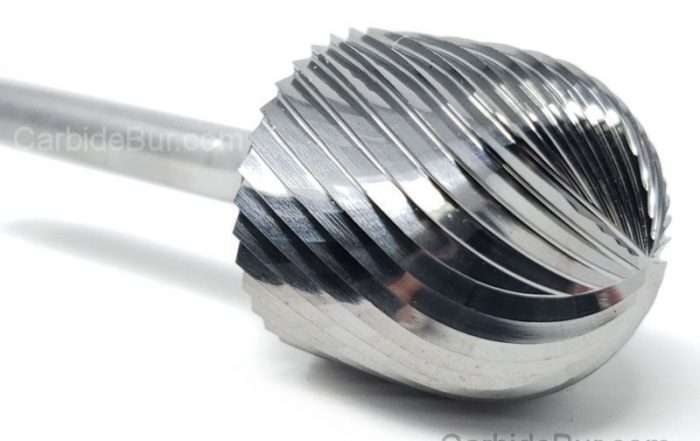
How to Use Carbide Burrs for Port Matching
How to Use Carbide Burrs for Port Matching Most engine builds hit a wall when airflow doesn’t flow smoothly between the ports and manifolds. If your engine isn’t breathing right, your performance stalls. Using the [...]
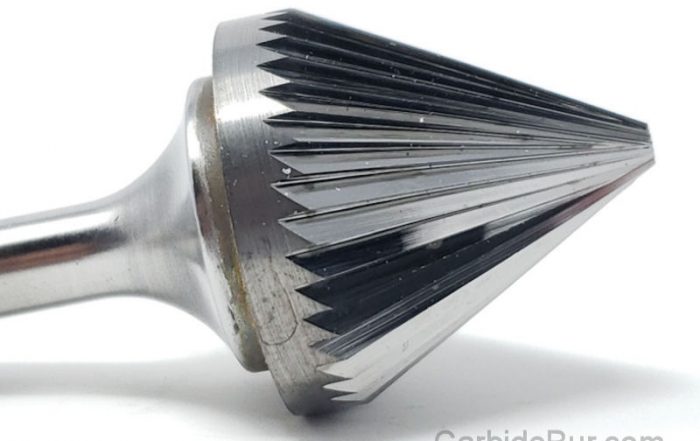
Best Carbide Burr for Porting Intake Manifolds
Best Carbide Burr for Porting Intake Manifolds Porting intake manifolds can make or break your engine’s airflow, yet many struggle with the right tools for the job. Choosing the best carbide burrs is key to [...]
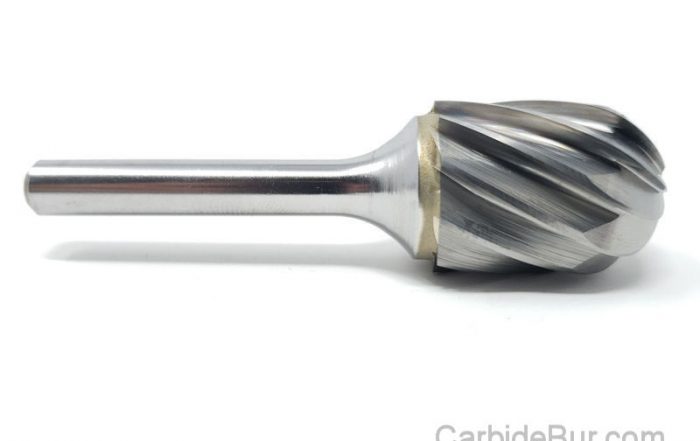
Best Carbide Burr for Concave Surfaces
Best Carbide Burr for Concave Surfaces Concave surfaces can turn a straightforward project into a frustrating challenge if you don’t have the right tool. Carbide burrs designed for these tricky curves make all the difference [...]
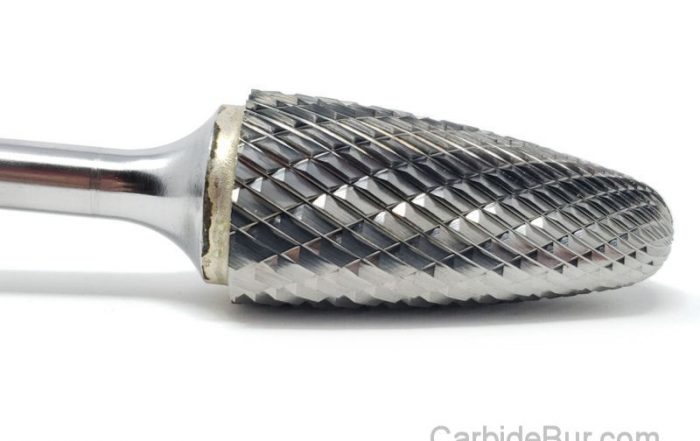
How to Grind a Slot in Metal With a Carbide Burr
How to Grind a Slot in Metal With a Carbide Burr Grinding a precise slot in metal can feel like a tricky task, especially if you’re unsure which tools to trust. Carbide burr grinding offers [...]

Best Carbide Burr for Inside Corners
Best Carbide Burr for Inside Corners Working in tight inside corners can turn even simple projects into frustrating tasks. Many carbide burrs just don’t fit or cut cleanly where you need them most. The best [...]
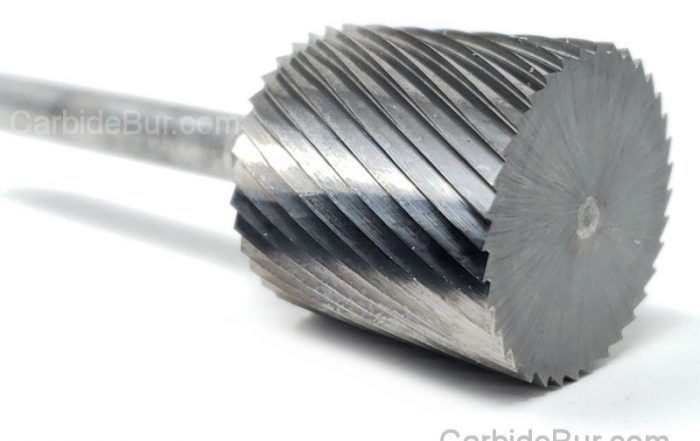
What Size Carbide Burr Do I Need?
What Size Carbide Burr Do I Need? Picking the wrong carbide burr can turn a simple project into a frustrating mess. You might have the best machining tools but still miss the mark if your [...]
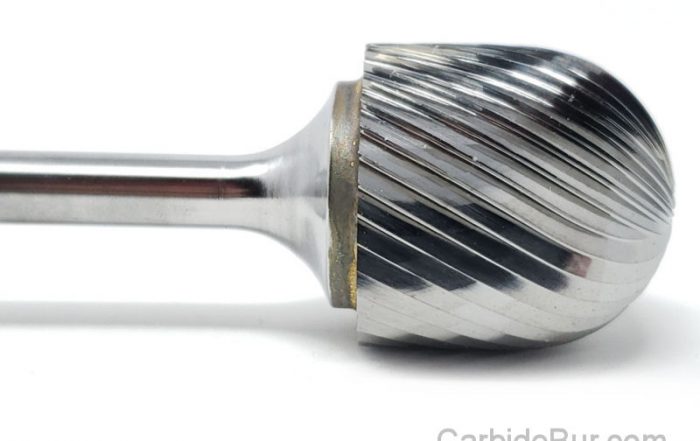
How to Smooth Sharp Metal Edges With a Carbide Burr
How to Smooth Sharp Metal Edges With a Carbide Burr Sharp metal edges can turn your project from professional to risky in seconds. If you’ve struggled with smoothing metal edges without scratching or weakening the [...]
