
Mastering Carbide Burr Use: Top Tips to Prevent Burr Loading
Carbide burr loading can slow down your work and wear out your tools faster than you expect. When burrs clog up, your cuts lose precision, and frustration sets in. This guide breaks down how to prevent burr loading by adjusting your cutting techniques, choosing the right speed, and keeping your tools clean. Follow these tips to keep your carbide burrs sharp and your projects running smoothly. For additional insights, check out this resource.
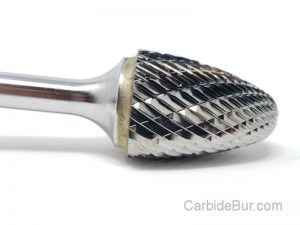
Check out this selection of USA made carbide burs
Understanding Carbide Burr Loading
Before diving into solutions, let’s understand what causes burr loading and how it impacts your work.
What Causes Burr Loading?
Burr loading happens when material builds up on the flutes of your tool. This can occur due to several reasons:
-
Material Type: Softer materials like aluminum can clog burrs easily.
-
Improper Speed: Using the wrong speed may cause the material to stick.
-
Cutting Technique: Incorrect angles and pressure can lead to buildup.
Imagine working on a project, and suddenly, your tool stops cutting cleanly. This is a common scenario when burrs load up. To keep your tools running smoothly, you need to address these factors.
Impact on Tool Performance
When burrs load up, it directly affects the tool’s performance. Imagine expecting a smooth cut, but instead, you get a jagged finish. Here’s what happens:
-
Reduced Precision: Clogged burrs can lead to inaccurate cuts.
-
Increased Wear: More friction leads to faster tool wear.
-
Frustration Sets In: Constantly stopping to clean burrs disrupts workflow.
Most people assume only beginners face this issue, but even seasoned professionals can struggle without the right strategies. Understanding the impact is key to finding effective solutions.

Need a longer reach for your die grinder?
Strategies to Prevent Burr Loading
Now that you know the causes, let’s explore strategies to prevent burr loading.
Choosing the Right Material
Material choice plays a significant role in preventing burr loading. Consider these points:
-
Select Harder Materials: They are less likely to cause clogging.
-
Check Material Compatibility: Ensure your tool is suited for the material.
For example, if you’re working with aluminum, it’s vital to choose a burr that can handle softer metals. This simple choice can save time and keep your tools clean.
Optimizing Burr Speed
Selecting the right speed is crucial. Here’s how you can optimize speed:
-
Start Slow: Gradually increase speed to find the sweet spot.
-
Monitor Performance: Adjust if you notice clogging.
A common mistake is running the tool too fast, thinking it will save time. In reality, slower speeds often prevent loading and enhance precision.
Effective Cutting Techniques
Cutting techniques significantly influence burr loading. Here, we’ll discuss mastering angles and managing pressure.
Mastering Cutting Angles
The angle at which you cut affects performance. Follow these tips:
-
Maintain Consistent Angles: This reduces the chance of loading.
-
Experiment to Find Best Angle: Different projects may require different angles.
Consider a machinist, who notices cleaner cuts with slight angle adjustments. This alone can be a game-changer in preventing loading.
Managing Feed Pressure
Applying the right pressure is crucial for smooth operation. Think about:
-
Consistent Pressure: Avoid pushing too hard or too light.
-
Feel the Tool: Let the burr dictate the pressure needed.
Most people think more pressure equals faster cuts, but this can lead to loading. Instead, find a balance that allows for clean cuts without buildup.
Cleaning and Maintenance Tips
Even with the best strategies, regular cleaning and maintenance are necessary.
Essential Burr Cleaning Techniques
Keeping your burrs clean is vital. Here’s how:
-
Use Solvents: Dissolve material buildup.
-
Brush Regularly: Remove debris from flutes.
Check out this detailed guide on cleaning burrs effectively.
Routine Tool Maintenance Tips
Routine maintenance extends the life of your tools. Consider these practices:
-
Inspect Tools Regularly: Check for wear and damage.
-
Sharpen as Needed: Keep edges sharp for cleaner cuts.
Imagine a woodworker who maintains their tools meticulously, resulting in a long-lasting set that always delivers precise results.
Enhancing Burr Performance
To get the most out of your tools, consider these enhancement strategies.
Selecting the Right Burr Design
Choosing the right design can prevent loading. Think about:
-
Match Design to Material: Use specific designs for specific tasks.
-
Consult Experts: Get advice on burr selection for your projects.
A professional might find that a cross-cut burr design works best for their needs, minimizing loading and maximizing performance.
Adjusting Techniques for Different Projects
Each project may require a unique approach. Here’s how to adapt:
-
Tailor Techniques: Based on material and design.
-
Stay Flexible: Be ready to adjust as needed.
By being adaptable, you ensure efficient and smooth operation across all tasks. Consider exploring expert tips for optimal longevity and performance.
Conclusion
You now have a comprehensive guide to minimize burr loading. By choosing the right materials, optimizing speed, mastering cutting techniques, and maintaining your tools, you can ensure smoother, more efficient operations for all your projects. The longer you wait to implement these tips, the more likely your tools are to suffer. Take action today, and enjoy the benefits of well-maintained, high-performing carbide burrs.
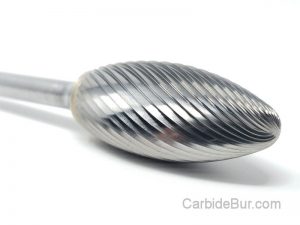
Looking for Carbide Bur Tools?
Check out our entire selection of USA made carbide bur die grinder tool bits
Follow us on Twitter

Return to CarbideBur.com
Carbide Burs – 1/4″ on 1/8″ Shanks – Accessories – Aluminum Cut – Bur Sets – End Mills – Long Shank – Solid Burs
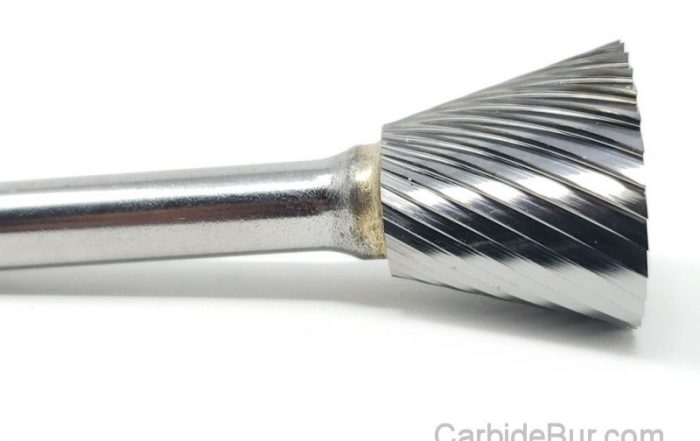
1/8 vs 1/4 Inch Carbide Burrs: What’s the Difference?
1/8 vs 1/4 Inch Carbide Burrs: What's the Difference? Choosing between a 1/8 inch carbide burr and a 1/4 inch carbide burr can change how your project turns out. Many machinists and hobbyists overlook how [...]
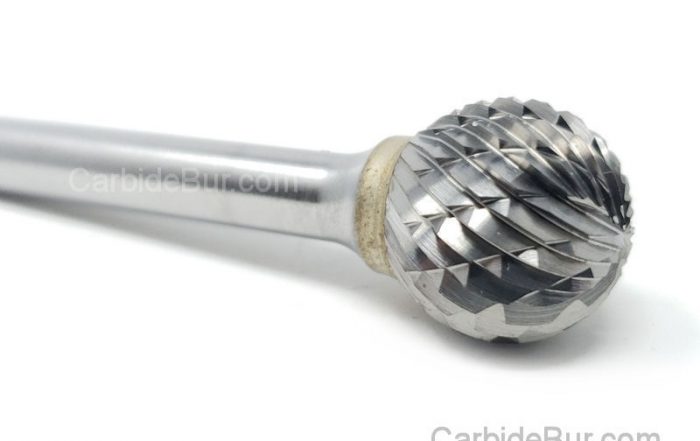
Best Carbide Burr for Removing Flash From Castings
Best Carbide Burr for Removing Flash From Castings Removing flash from castings is a task that can slow down your entire metalworking process if you don’t have the right tools. Picking the best carbide burr [...]
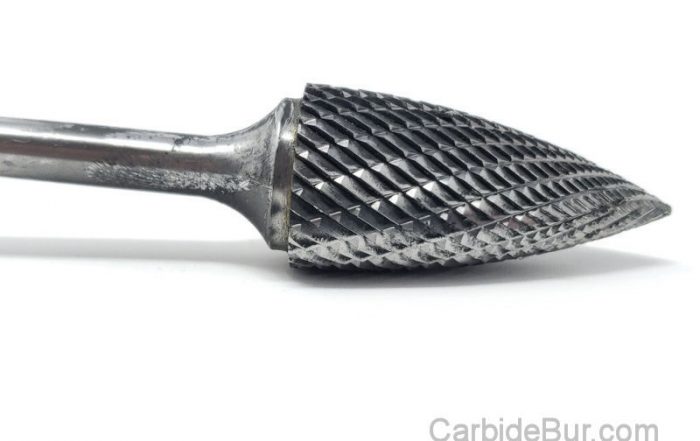
What RPM Should You Use for a 1/4 Inch Carbide Burr?
What RPM Should You Use for a 1/4 Inch Carbide Burr? Most machinists guess the right speed for a 1/4 inch carbide burr and hope for the best. Using the wrong carbide burr RPM can [...]
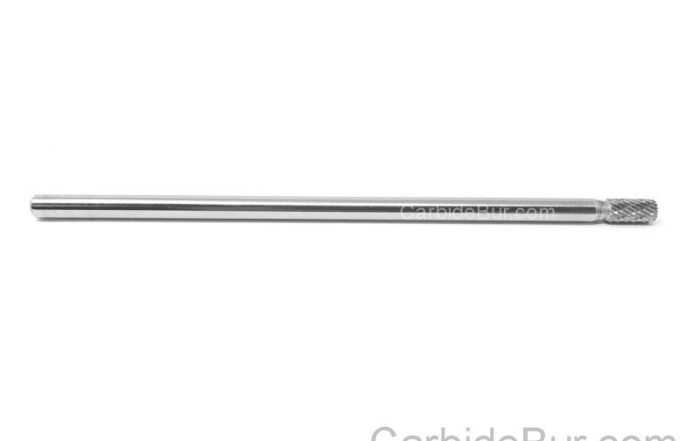
Long Shank Carbide Burrs: When Do You Need One?
Long Shank Carbide Burrs: When Do You Need One? Most machinists overlook the power of long shank carbide burrs until a project demands precision in tight spaces. When your usual tools can’t reach intricate contours, [...]
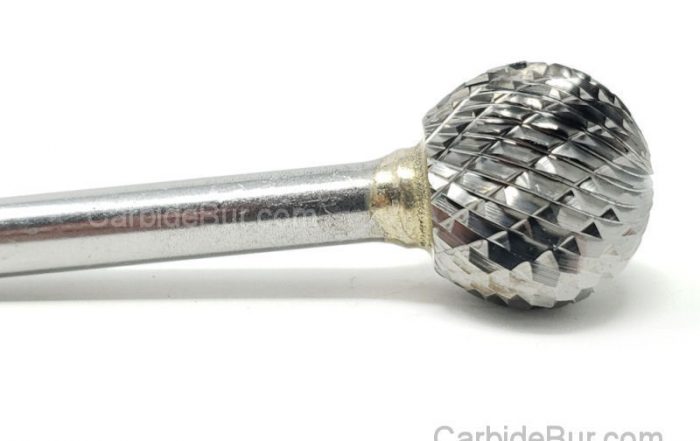
How Deep Can a Carbide Burr Cut Metal?
How Deep Can a Carbide Burr Cut Metal? Carbide burrs often get praised for their precision, but many users hit a wall wondering how deep they can actually cut metal. The truth is, cutting depth [...]
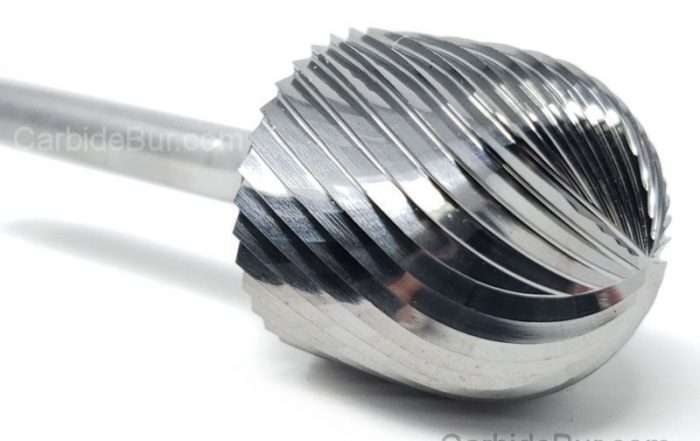
How to Use Carbide Burrs for Port Matching
How to Use Carbide Burrs for Port Matching Most engine builds hit a wall when airflow doesn’t flow smoothly between the ports and manifolds. If your engine isn’t breathing right, your performance stalls. Using the [...]
Best Carbide Burr for Porting Intake Manifolds
Best Carbide Burr for Porting Intake Manifolds Porting intake manifolds can make or break your engine’s airflow, yet many struggle with the right tools for the job. Choosing the best carbide burrs is key to [...]
Best Carbide Burr for Concave Surfaces
Best Carbide Burr for Concave Surfaces Concave surfaces can turn a straightforward project into a frustrating challenge if you don’t have the right tool. Carbide burrs designed for these tricky curves make all the difference [...]
How to Grind a Slot in Metal With a Carbide Burr
How to Grind a Slot in Metal With a Carbide Burr Grinding a precise slot in metal can feel like a tricky task, especially if you’re unsure which tools to trust. Carbide burr grinding offers [...]

Best Carbide Burr for Inside Corners
Best Carbide Burr for Inside Corners Working in tight inside corners can turn even simple projects into frustrating tasks. Many carbide burrs just don’t fit or cut cleanly where you need them most. The best [...]
What Size Carbide Burr Do I Need?
What Size Carbide Burr Do I Need? Picking the wrong carbide burr can turn a simple project into a frustrating mess. You might have the best machining tools but still miss the mark if your [...]
How to Smooth Sharp Metal Edges With a Carbide Burr
How to Smooth Sharp Metal Edges With a Carbide Burr Sharp metal edges can turn your project from professional to risky in seconds. If you’ve struggled with smoothing metal edges without scratching or weakening the [...]
