
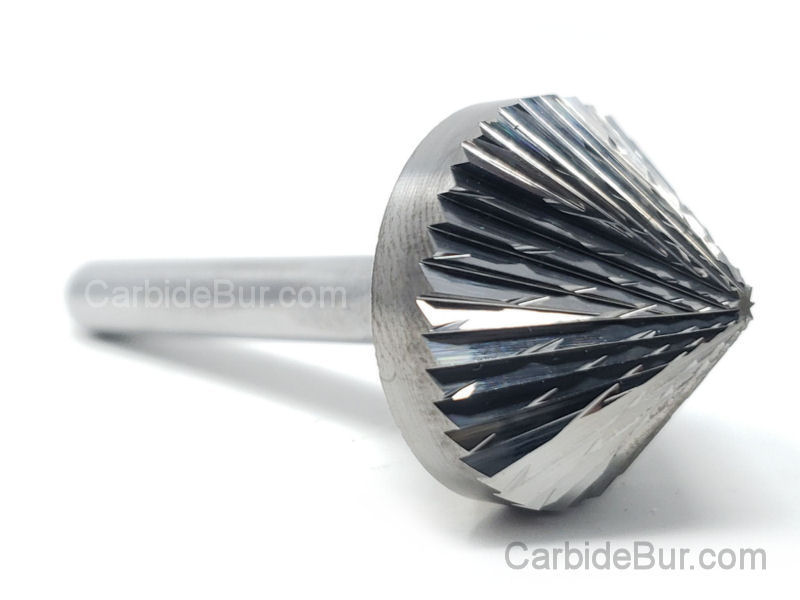
Unlocking the Secrets of Carbide Bur Welding for Superior Welding Performance
In the intricate world of industrial tools, the pursuit of optimal performance hinges on the often-overlooked art of carbide bur welding. For industrial engineers, tool manufacturers, and machinery operators, selecting the right carbide weld is not just a choice but a necessity for achieving superior welding performance. The proper selection can significantly enhance tool efficiency, offering robust wear resistance and effective heat management, which are crucial in demanding environments. Furthermore, understanding the selection parameters for carbide bur welding can lead to substantial reductions in operational costs, ensuring that the tools not only perform reliably but also endure the rigors of heavy use. Join us as we delve into the nuances of carbide bur welding, unlocking the secrets that promise to elevate your industrial applications to new heights. For more insights, visit this guide.
Understanding Carbide Bur Welding
Carbide bur welding is integral in enhancing the performance and longevity of industrial tools. It involves using carbide welds to join materials, offering a durable and wear-resistant bond. In this section, we explore why choosing the correct carbide weld is crucial and how it enhances tool efficiency and wear resistance.
Importance of Carbide Weld
Carbide welds are essential because they provide durability and strength in the most demanding industrial applications. The right weld ensures that tools withstand high-stress environments without compromising performance.
A well-chosen carbide weld contributes to enhanced tool life, reducing the need for frequent replacements. This is particularly vital in industries where equipment downtime can lead to substantial operational costs.
Moreover, carbide welds improve heat management during operations, preventing tool degradation. For in-depth details on choosing the right carbide burr, visit Carbide Bur.
Enhancing Tool Efficiency
Tool efficiency is paramount in industrial operations. A well-welded carbide bur can significantly enhance this efficiency by providing a consistent cutting performance. This consistency reduces operational interruptions, resulting in increased productivity.
-
Selection of Material: Choose a carbide composition that matches the requirements of the specific application.
-
Proper Welding Techniques: Employ techniques that ensure a strong bond without compromising the tool’s integrity.
-
Regular Maintenance: Implement routine checks to maintain optimal tool performance.
For additional insights on maintaining tool efficiency, reference Carbide Burr.
Benefits of Wear Resistance
The wear resistance of a tool determines its longevity and reliability. Carbide bur welding enhances this property, enabling tools to withstand abrasive environments without excessive wear.
Example: A mining operation employs carbide-tipped drills, where wear resistance is critical.
-
Extended Tool Life: Reduced wear leads to fewer replacements and less downtime.
-
Cost Efficiency: Lower replacement rates translate into reduced operational costs.
For a comprehensive overview of wear-resistant carbide burrs, visit 22 Things to Know About Tungsten Carbide Burrs.
Parameters for Optimal Performance
Achieving optimal performance with carbide bur welding requires understanding and applying key selection parameters. These parameters guide the welding process to ensure tools meet industry standards and perform exceptionally in challenging environments.
Key Selection Parameters
Selecting the right parameters is crucial for effective carbide bur welding. Consider these factors:
-
Material Hardness: Ensure the carbide’s hardness matches the application needs.
-
Joint Configuration: Proper joint design impacts the weld’s effectiveness.
-
Welding Environment: Control temperature and humidity for optimal results.
Visit Norton Abrasives for more on these parameters and their impact on performance.
Role of Heat Management
Heat management in welding plays a pivotal role in maintaining tool integrity. Excessive heat can degrade the carbide, while insufficient heat may lead to weak welds.
-
Control Welding Temperature: Ensures the carbide does not overheat, preserving its properties.
-
Use of Cooling Systems: Implement systems to dissipate heat during welding.
For more on maintaining temperature during welding, explore resources on Carbide Burr.
Reducing Operational Costs
Operational costs can be significantly reduced through effective carbide bur welding. By improving tool performance and longevity, businesses can minimize replacements and downtimes.
-
Invest in Quality Materials: Ensures fewer replacements and repairs.
-
Train Technicians: Skilled personnel can execute welding more efficiently, reducing errors.
Case Study: A manufacturing firm reduced costs by 30% by focusing on quality welding practices.
For further reading, visit Carbide Bur.
Applications of Industrial Tools
Industrial tools are vital across various sectors. This section explores how carbide bur welding improves welding performance, ensures longevity, and maximizes productivity in industrial environments.
Improving Welding Performance
Welding performance can make or break an industrial operation. High-quality carbide welds enhance performance by providing robust and reliable joints.
-
Consistent Quality: Ensures each weld meets industry standards.
-
Increased Strength: Robust joints withstand high loads and stress.
For more about enhancing welding performance, check out Norton Abrasives.
Ensuring Longevity and Reliability
Longevity and reliability in tools are achieved through meticulous welding processes. Properly welded tools offer consistent performance over extended periods.
-
Routine Maintenance: Regular checks ensure tools remain in top condition.
-
Use of Advanced Techniques: Employ modern techniques to enhance weld quality.
For detailed insights on ensuring tool longevity, explore 22 Things to Know About Tungsten Carbide Burrs.
Maximizing Productivity in Industrial Environments
Maximizing productivity involves using tools that efficiently perform their intended function without frequent interruptions. High-quality carbide bur welds contribute significantly to this goal.
-
Minimized Downtime: Reliable tools reduce the need for repairs.
-
Enhanced Efficiency: Tools perform tasks faster and with greater precision.
For strategies on maximizing productivity, visit Carbide Bur.
Find more carbide bur die grinder tool bits here
Carbide Burr Safety: 15 Mistakes That Can Cause Injury or Damage
Carbide Burr Safety: 15 Mistakes That Can Cause Injury or Damage Carbide burr safety is often overlooked until a costly mistake happens. Many metalworkers and DIYers make the same errors that lead to injuries or [...]
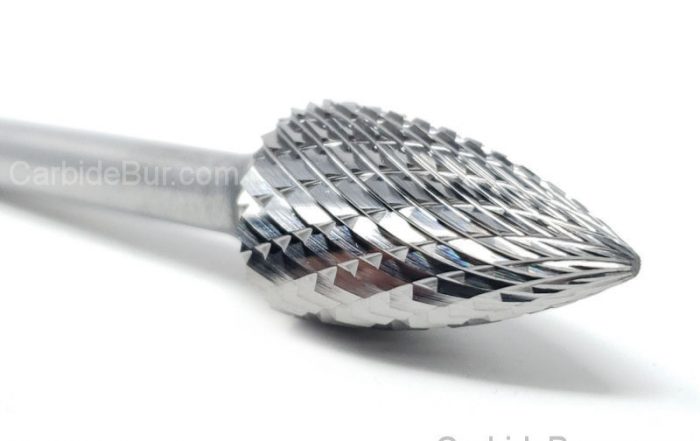
Can You Use a Carbide Burr in a Drill?
Can You Use a Carbide Burr in a Drill? Most people think a standard drill can’t handle a carbide burr, but that’s not true. Using carbide burr in the right drill can speed up your [...]
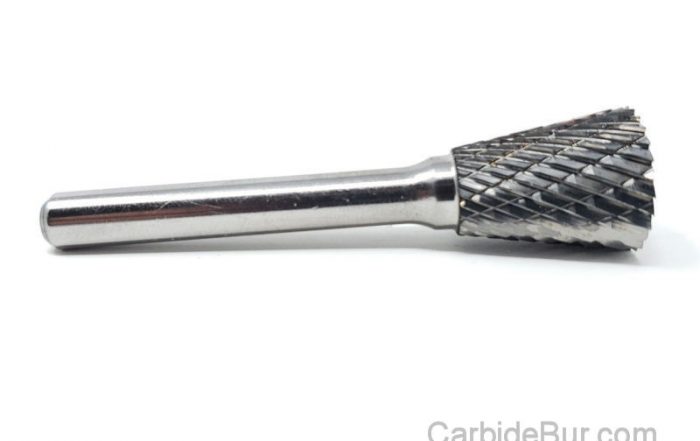
Carbide Burrs for Removing Rust: What Works Best?
Carbide Burrs for Removing Rust: What Works Best? Rust can turn your favorite tools into useless junk faster than you expect. Removing it without ruining the metal underneath takes more than just elbow grease—it demands [...]
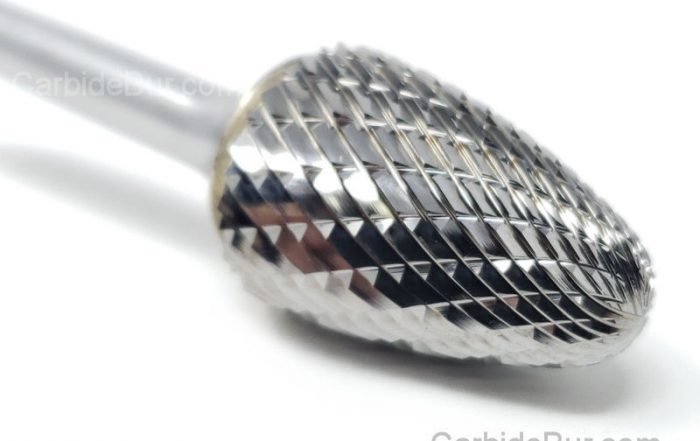
How Much Pressure Should You Use With a Carbide Burr?
How Much Pressure Should You Use With a Carbide Burr? Most people think pressing harder with a carbide burr speeds up the job. That’s not true—too much pressure wears out your tool and ruins the [...]
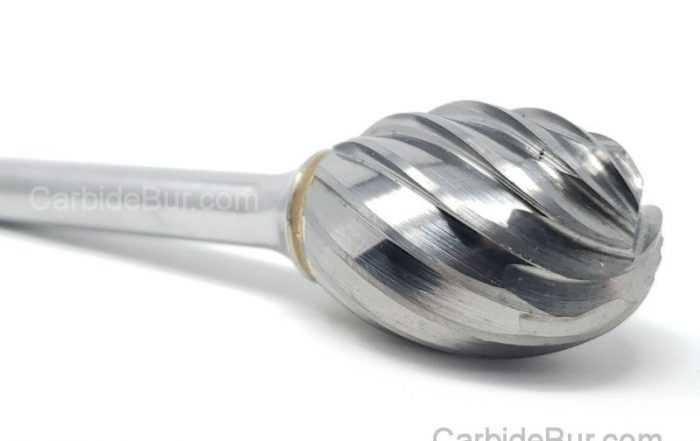
Can You Use Carbide Burrs With an Air Die Grinder?
Can You Use Carbide Burrs With an Air Die Grinder? Most people don’t realize how well carbide burrs work with air die grinders until they try them. If you’ve ever struggled with finding the right [...]
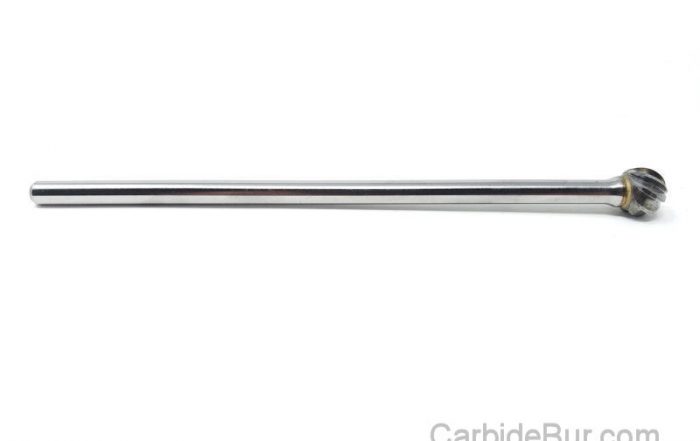
Best Long Reach Carbide Burr for Deep Metal Work
Best Long Reach Carbide Burr for Deep Metal Work Long reach carbide burrs often promise deep metal access, but many fall short where it counts most. You need a tool that cuts cleanly, lasts through [...]
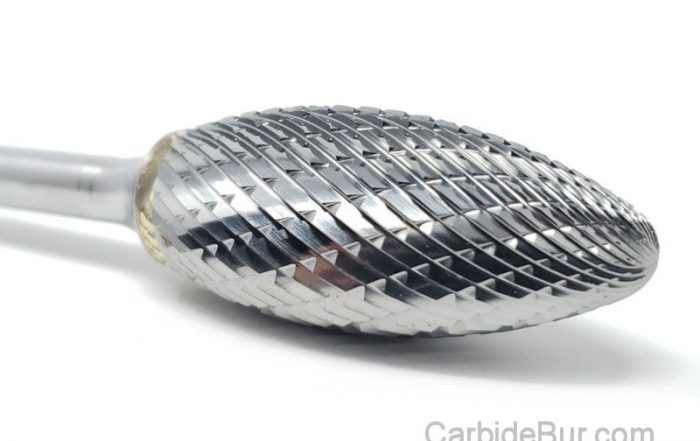
What RPM Should You Use for a 1/8 Inch Carbide Burr?
What RPM Should You Use for a 1/8 Inch Carbide Burr? Most people guess the right carbide burr RPM by feel—and waste hours redoing work. If you want cleaner cuts and longer tool life, your [...]
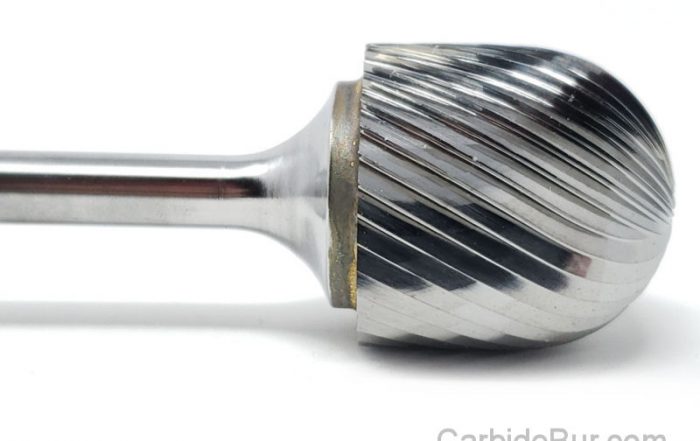
Carbide Burrs for Tight Spaces: Choosing the Right Shape
Carbide Burrs for Tight Spaces: Choosing the Right Shape Tackling tight spaces with the wrong carbide burrs wastes time and risks damaging your work. Choosing the right burr shape makes all the difference when working [...]
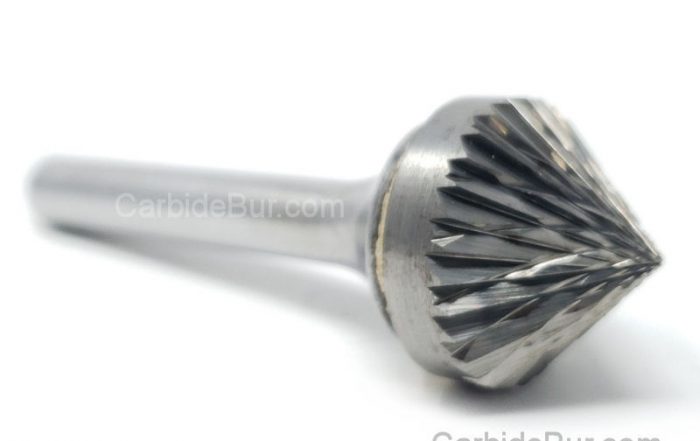
Can Carbide Burrs Remove Paint From Metal?
Can Carbide Burrs Remove Paint From Metal? Stripping paint from metal often feels like a tough chore that risks damaging the surface underneath. Many turn to carbide burrs hoping they can speed things up without [...]
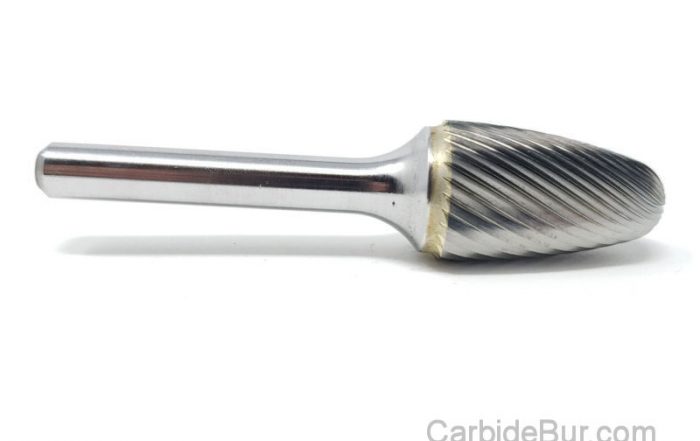
How to Grind a Groove in Metal With a Carbide Burr
How to Grind a Groove in Metal With a Carbide Burr Most metalworkers struggle to cut clean grooves without wasting time or ruining their workpiece. Many try different metalworking tools but end up with uneven [...]
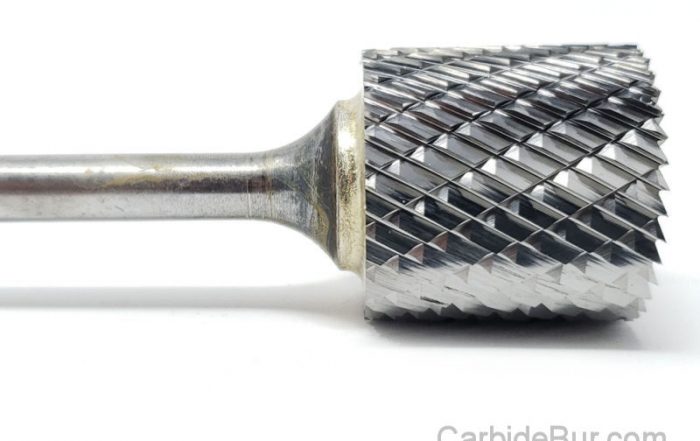
Can Carbide Burrs Cut Through Welds?
Can Carbide Burrs Cut Through Welds? Cutting through welds can feel like a battle, especially when you need clean results without harming the base metal. Carbide burrs offer a sharp edge in this fight, but [...]
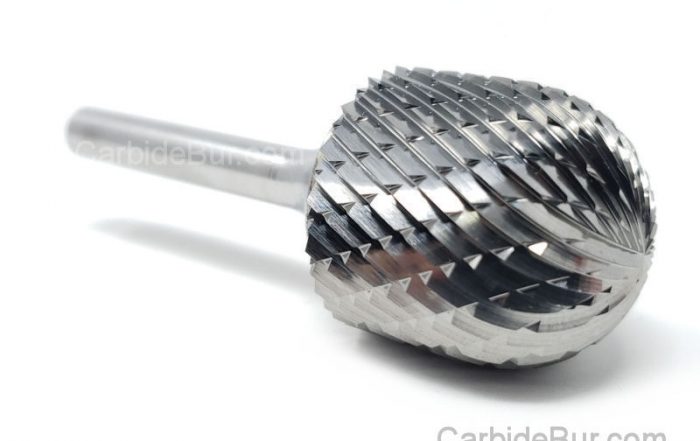
How to Use a Carbide Burr With a Die Grinder
How to Use a Carbide Burr With a Die Grinder Most people treat a carbide burr like just another tool, but using it with a die grinder takes skill. If you’ve struggled with burr installation [...]
