
Long-Term Savings: Why Carbide Burs Are Essential for Engine Builders
In the world of engine building, where precision and durability are paramount, investing in the right tools can make all the difference. One such tool that stands out for its long-term benefits is the carbide bur (learn more). Engine builders and machinists often face the dilemma of balancing initial costs with long-term gains, but the cost-benefit analysis of carbide burs reveals their undeniable value. These sturdy, efficient tools are essential for enhancing machining efficiency and achieving cleaner, more precise cuts, which ultimately leads to significant savings over time. In this post, we’ll explore why carbide burs are a smart investment for engine builders looking to optimize their toolkit and boost their bottom line.
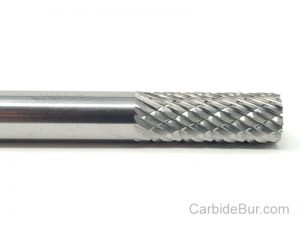
Check out all our USA made carbide bur cutting tools here
Understanding Carbide Burs Investment
When engine builders consider their toolkit, carbide burs often emerge as a critical component. These tools offer a blend of precision and reliability essential for high-quality engine construction and maintenance. Let’s delve into why investing in these burs is a wise move for engine builders.
Importance for Engine Builders
Engine builders depend on tools that deliver precision and reliability. Carbide burs are engineered to provide the exacting standards needed in this field. Their ability to create smooth finishes and detailed work is crucial. Moreover, these burs help reduce manual labor time, allowing builders to focus on creative and technical aspects.
-
Precision Cuts: They offer unmatched accuracy.
-
Time Efficiency: Speeds up the process of shaping and cutting.
-
Versatility: Suitable for various materials, including hardened steel and alloys.
For more insight on why these tools are vital, check out this resource.
Cost-Benefit Analysis
Investing in carbide burs might seem expensive initially, but the long-term savings are noteworthy. A thorough cost-benefit analysis reveals a significant return on investment for engine builders.
-
Upfront Cost: Higher than standard burs.
-
Long-Term Savings: Reduced need for replacements.
-
Quality of Work: Enhanced output quality increases customer satisfaction.
Carbide burs provide a tangible return on investment by reducing tool replacement frequency and lowering operational costs over time. For a detailed analysis, explore this link.
Enhancing Machining Efficiency
Efficiency in machining is paramount for engine builders who seek to meet high standards and deadlines. Carbide burs play a key role in enhancing this efficiency by delivering consistent performance and durability.
Performance Benefits
The performance benefits of carbide burs are vast and impactful. They maintain sharpness for longer periods, ensuring consistent quality.
-
Sharpness Retention: Lasts longer than steel equivalents.
-
Consistency: Provides uniform results across projects.
-
Adaptability: Works on a variety of materials, enhancing versatility.
These performance benefits help engine builders maintain high productivity levels, leading to more efficient operations.
Durability and Longevity
Durability is a standout feature of carbide burs, making them a sustainable choice for engine builders. Their longevity is due to the superior materials used in their construction.
-
High-Quality Materials: Crafted from strong composites.
-
Wear Resistance: Handles extensive use without degrading.
-
Cost Efficiency: Reduces frequency of replacements.
The durability of these tools translates into significant savings over time. For more on the hidden advantages, see this article.
Engine Building Tools You Need
Selecting the right tools is crucial for successful engine building. Carbide burs stand out, but how do you choose the right ones and maintain them effectively?
Choosing the Right Burs
Selecting appropriate carbide burs involves considering several factors that impact their performance and suitability.
-
Material Compatibility: Ensure the bur is compatible with the materials used.
-
Size and Shape: Choose based on the specific task requirements.
-
Brand Reputation: Opt for trusted brands for reliability.
These considerations ensure that you select the right tool for the job, enhancing the quality and efficiency of your work.
Maintaining Your Tools
Maintaining carbide burs extends their life and ensures consistent performance. Proper care involves a few simple steps.
-
Regular Cleaning: Remove debris after use.
-
Proper Storage: Keep in a dry, secure place.
-
Routine Inspection: Check for wear and replace as necessary.
By following these maintenance tips, you can ensure the longevity and effectiveness of your carbide burs, further boosting your machining efficiency.
Achieving Long-Term Savings
Long-term savings in engine building can be significantly influenced by tool choices. Carbide burs contribute to these savings in various ways.
Reducing Replacement Costs
Frequent tool replacements can be costly. Carbide burs, however, mitigate this expense through their durability.
-
Fewer Replacements: Less frequent need for new tools.
-
Cost Reduction: Lower long-term expenses.
-
Continuous Use: High resilience allows prolonged usage.
These factors contribute to significant savings, making carbide burs an economically sound investment.
Increasing Productivity
Carbide burs not only save costs but also boost productivity. Their efficiency in cutting and shaping materials speeds up the building process.
-
Faster Processes: Reduced time in shaping and cutting.
-
Consistent Results: Ensures uniformity in output.
-
Enhanced Workflow: Streamlines operations for greater output.
As a result, engine builders can achieve more in less time, enhancing overall productivity and profitability.
Empowering Engine Builders
Empowering engine builders through informed tool choices leads to better craftsmanship and business growth. Carbide burs are an essential part of this empowerment.
Building Confidence in Tool Choices
Having confidence in tool selection is crucial for engine builders. Carbide burs provide reliability, ensuring peace of mind.
“Good tools make a significant difference in quality and efficiency,” says an experienced engine builder.
-
Reliable Performance: Trusted results every time.
-
Quality Assurance: Confidence in achieving high standards.
-
Professional Growth: Enhanced skills and craftsmanship.
For further reading on empowering engine builders, visit CarbideBur.
Inspiring Growth in Craftsmanship
Improving craftsmanship involves using tools that allow for precision and creativity. Carbide burs inspire growth by enabling engine builders to push the boundaries of their craft.
-
Innovative Designs: Facilitates complex and intricate work.
-
Skill Enhancement: Encourages learning and mastery.
-
Market Competitiveness: Sets builders apart with superior quality.
By utilizing carbide burs, engine builders can expand their capabilities, leading to greater innovation and success in their field.
Check out all our USA made carbide bur cutting tools here
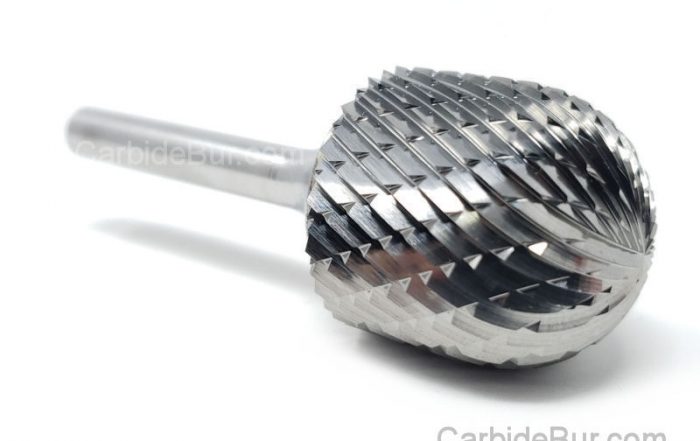
How to Use a Carbide Burr With a Die Grinder
How to Use a Carbide Burr With a Die Grinder Most people treat a carbide burr like just another tool, but using it with a die grinder takes skill. If you’ve struggled with burr installation [...]
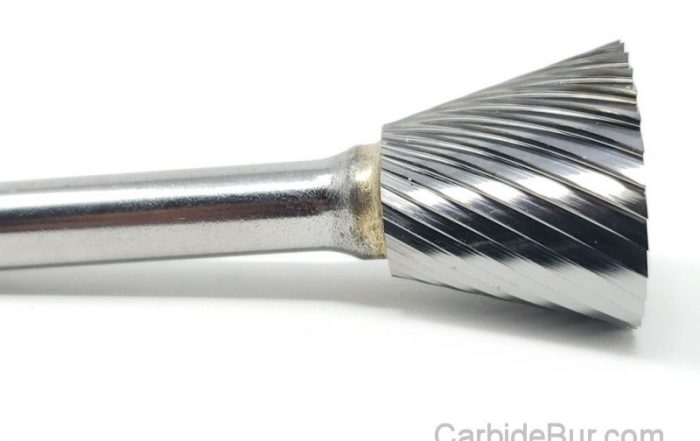
1/8 vs 1/4 Inch Carbide Burrs: What’s the Difference?
1/8 vs 1/4 Inch Carbide Burrs: What's the Difference? Choosing between a 1/8 inch carbide burr and a 1/4 inch carbide burr can change how your project turns out. Many machinists and hobbyists overlook how [...]
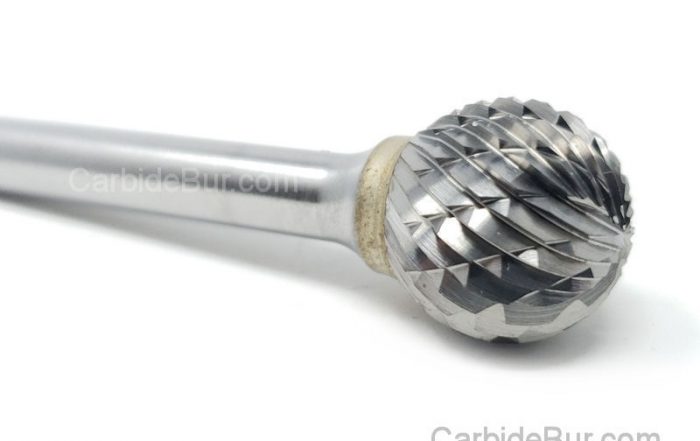
Best Carbide Burr for Removing Flash From Castings
Best Carbide Burr for Removing Flash From Castings Removing flash from castings is a task that can slow down your entire metalworking process if you don’t have the right tools. Picking the best carbide burr [...]
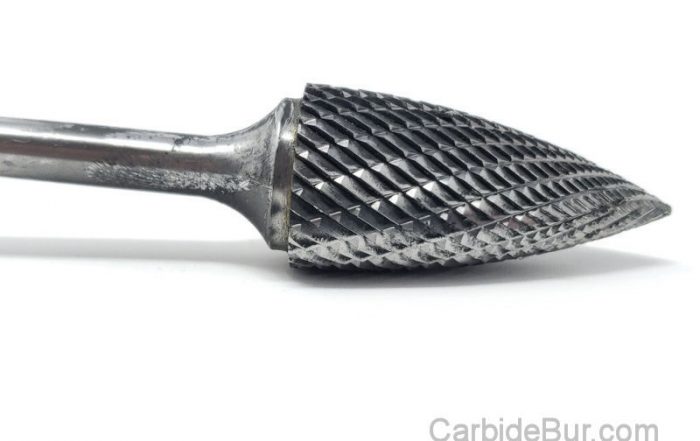
What RPM Should You Use for a 1/4 Inch Carbide Burr?
What RPM Should You Use for a 1/4 Inch Carbide Burr? Most machinists guess the right speed for a 1/4 inch carbide burr and hope for the best. Using the wrong carbide burr RPM can [...]
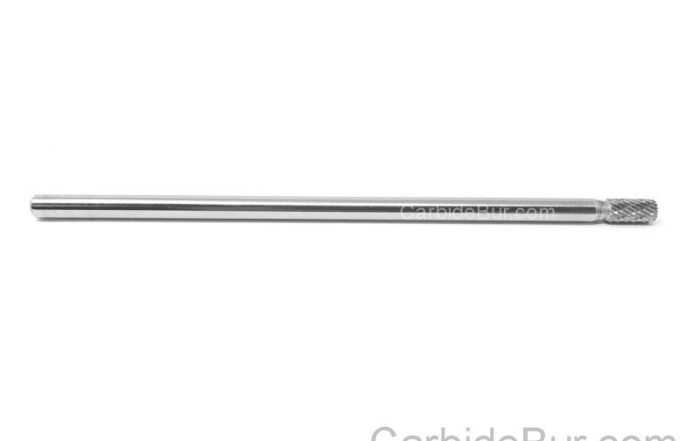
Long Shank Carbide Burrs: When Do You Need One?
Long Shank Carbide Burrs: When Do You Need One? Most machinists overlook the power of long shank carbide burrs until a project demands precision in tight spaces. When your usual tools can’t reach intricate contours, [...]
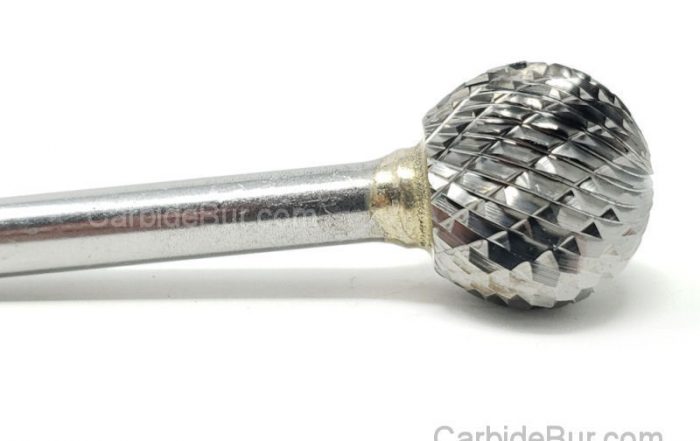
How Deep Can a Carbide Burr Cut Metal?
How Deep Can a Carbide Burr Cut Metal? Carbide burrs often get praised for their precision, but many users hit a wall wondering how deep they can actually cut metal. The truth is, cutting depth [...]
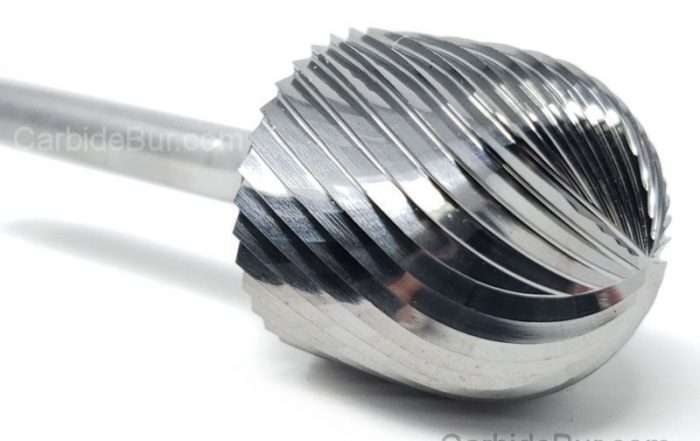
How to Use Carbide Burrs for Port Matching
How to Use Carbide Burrs for Port Matching Most engine builds hit a wall when airflow doesn’t flow smoothly between the ports and manifolds. If your engine isn’t breathing right, your performance stalls. Using the [...]
Best Carbide Burr for Porting Intake Manifolds
Best Carbide Burr for Porting Intake Manifolds Porting intake manifolds can make or break your engine’s airflow, yet many struggle with the right tools for the job. Choosing the best carbide burrs is key to [...]
Best Carbide Burr for Concave Surfaces
Best Carbide Burr for Concave Surfaces Concave surfaces can turn a straightforward project into a frustrating challenge if you don’t have the right tool. Carbide burrs designed for these tricky curves make all the difference [...]
How to Grind a Slot in Metal With a Carbide Burr
How to Grind a Slot in Metal With a Carbide Burr Grinding a precise slot in metal can feel like a tricky task, especially if you’re unsure which tools to trust. Carbide burr grinding offers [...]

Best Carbide Burr for Inside Corners
Best Carbide Burr for Inside Corners Working in tight inside corners can turn even simple projects into frustrating tasks. Many carbide burrs just don’t fit or cut cleanly where you need them most. The best [...]
What Size Carbide Burr Do I Need?
What Size Carbide Burr Do I Need? Picking the wrong carbide burr can turn a simple project into a frustrating mess. You might have the best machining tools but still miss the mark if your [...]
