
Clean and Green: The Environmental Benefits of Carbide Burs in Manufacturing
In the world of manufacturing, where precision and sustainability are becoming increasingly crucial, the role of carbide burs in weld smoothing cannot be overstated. These tools offer significant environmental benefits by producing less waste and dust, compared to traditional methods. By reducing waste and enhancing tool efficiency, carbide burs stand out as a sustainable choice for professionals committed to greener practices. This post will guide you through the reasons why carbide burs are a smart, eco-friendly option for both manufacturers and environmental advocates. Prepare to gain insights into how these tools can help you achieve cleaner and more efficient production processes. For more details, visit here.## Understanding Carbide Burs
Carbide burs are essential tools in manufacturing, known for their precision and durability. They play a crucial role in various applications, especially in weld smoothing. In this section, we’ll explore what carbide burs are, their key features, and how they compare to traditional tools.
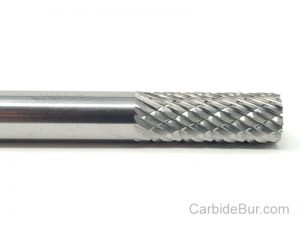
Check out all our USA made carbide bur cutting tools here
What Are Carbide Burs?
Carbide burs are rotary tools made from tungsten carbide, a material renowned for its toughness and heat resistance. These tools come in various shapes and sizes to suit different applications. Used in industries like aerospace and automotive, carbide burs are ideal for cutting, shaping, grinding, and removing sharp edges. They are particularly favored for their ability to operate at high speeds without degrading, making them indispensable in manufacturing.
For more detailed insights on carbide burs, visit Carbide Burr to explore their applications and benefits.
Key Features and Benefits
Carbide burs offer several standout features. They are designed for high-speed applications, ensuring quick and precise material removal. Their hardness allows them to cut through hard metals with ease, minimizing operator fatigue.
-
Durability: With a long service life, carbide burs reduce the need for frequent replacements.
-
Efficiency: They provide a clean cut, reducing the need for secondary operations.
-
Versatility: Applicable in various industries, from jewelry making to large-scale manufacturing.
These features make carbide burs a preferred choice for professionals seeking reliable and efficient tools.
Comparing to Traditional Tools
When comparing carbide burs to traditional tools, several differences emerge. Below is a comparison table highlighting key aspects:
|
Feature |
Carbide Burs |
Traditional Tools |
|---|---|---|
|
Speed |
High |
Moderate |
|
Durability |
Long-lasting |
Shorter lifespan |
|
Waste Production |
Low |
High |
|
Versatility |
High |
Limited |
Carbide burs clearly offer superior performance, especially in demanding manufacturing environments.
Check out all our USA made carbide bur cutting tools here
Environmental Benefits of Carbide Burs
Carbide burs not only enhance productivity but also offer significant environmental benefits. This section discusses how they contribute to reducing waste, improving air quality, and ensuring sustainability in manufacturing.
Reducing Waste in Manufacturing
Manufacturing processes are notorious for generating waste. Carbide burs help in reducing waste by efficiently removing materials with precision, minimizing excess.
-
Material Conservation: Less waste means more efficient use of materials.
-
Cost Savings: Reduced waste leads to lower disposal costs.
-
Eco-Friendly: Supports sustainable manufacturing practices.
By choosing carbide burs, manufacturers can significantly reduce their environmental footprint.
Dust Reduction and Air Quality
One of the notable advantages of carbide burs is their ability to reduce dust production. Traditional grinding methods often result in airborne particles, compromising air quality.
-
Better Air Quality: Minimal dust improves workplace conditions.
-
Health Benefits: Reduced exposure to harmful particles protects workers.
-
Compliance: Aligns with environmental regulations.
These factors make carbide burs an excellent choice for maintaining a healthy work environment.
Tool Longevity and Sustainability
The longevity of carbide burs contributes to their sustainability. A longer lifespan means fewer replacements, resulting in reduced resource consumption.
-
Fewer Replacements: Leads to cost savings and less environmental impact.
-
Resource Efficiency: Optimizes the use of raw materials.
-
Sustainable Practice: Encourages responsible manufacturing.
This sustainability aspect highlights the eco-friendly nature of carbide burs.
Carbide Burs in Weld Smoothing
Carbide burs excel in weld smoothing, offering enhanced precision and control. This section explores their benefits in achieving smooth finishes and presents real-world case studies.
Enhanced Precision and Control
Carbide burs provide exceptional precision, enabling operators to achieve smooth weld surfaces. This precision reduces material removal errors and improves overall finish quality.
-
Accuracy: Ensures exact shaping and smoothing.
-
Reduced Errors: Minimizes the risk of over-grinding.
-
Improved Finish: Results in a polished appearance.
For more about these benefits, visit Soobill.
Smooth Finishes with Less Effort
Achieving a smooth finish can be labor-intensive, but carbide burs simplify this process. Their design allows for efficient material removal with minimal effort.
-
Ease of Use: Reduces operator fatigue.
-
Consistency: Achieves uniform finishes across surfaces.
-
Time-Saving: Decreases production time significantly.
These advantages make carbide burs a valuable tool for weld smoothing tasks.
Case Studies in Manufacturing
Several manufacturers have adopted carbide burs with impressive results. One such case involves a leading automotive company:
-
Increased Efficiency: Achieved a 30% reduction in production time.
-
Cost Reduction: Lowered tool replacement expenses by 20%.
-
Improved Quality: Enhanced product finish, increasing customer satisfaction.
These case studies underscore the practical benefits of using carbide burs in manufacturing.
Practical Tips for Using Carbide Burs
Utilizing carbide burs effectively requires careful selection, maintenance, and adherence to safety practices. This section provides practical tips to ensure optimal performance.
Choosing the Right Carbide Bur
Selecting the appropriate carbide bur depends on the application. Consider the following when choosing:
-
Application Type: Match the bur shape to the task.
-
Material: Ensure compatibility with the material being worked on.
-
Speed Requirements: Choose a bur that can handle the desired speed.
These considerations will help you select the best tool for your needs.
Maintenance for Longevity
Proper maintenance is crucial for extending the life of carbide burs. Follow these steps:
-
Regular Cleaning: Remove debris to prevent clogging.
-
Inspect for Wear: Check for signs of wear and replace as needed.
-
Storage: Store in a dry, safe place to prevent corrosion.
These practices will help maintain tool performance and longevity.
Safety and Best Practices
Safety is paramount when using carbide burs. Adhere to these best practices:
-
Wear Protective Gear: Use gloves and goggles to protect against debris.
-
Follow Manufacturer Guidelines: Adhere to specified speed and pressure limits.
-
Secure Workpieces: Ensure materials are firmly clamped to prevent accidents.
Implementing these safety measures will ensure a safe working environment.
Future of Sustainable Tools
As industries move towards sustainability, the future of tools like carbide burs is promising. This section explores industry trends, eco-friendly practices, and the vision for a green manufacturing future.
Industry Trends and Developments
The manufacturing sector is witnessing several trends towards sustainability, such as:
-
Innovative Materials: Development of more eco-friendly materials.
-
Technological Advancements: Integration of smart technologies for better efficiency.
-
Circular Economy: Emphasis on recycling and reuse.
These trends indicate a positive shift towards more sustainable manufacturing practices.
Embracing Eco-Friendly Practices
Adopting eco-friendly practices is essential for reducing environmental impact. Manufacturers are encouraged to:
-
Opt for Sustainable Tools: Choose tools with a lower environmental footprint.
-
Implement Green Policies: Develop policies that prioritize sustainability.
-
Educate Workforce: Train employees on sustainable practices.
These steps will help manufacturers embrace and promote eco-friendly practices.
Building a Green Manufacturing Future
The drive towards sustainability in manufacturing is building a greener future. This vision involves:
-
Collaboration: Working with stakeholders to achieve sustainability goals.
-
Investment in Research: Supporting research for environmentally friendly solutions.
-
Commitment to Change: Prioritizing sustainability in business strategies.
With these efforts, the manufacturing industry is poised to lead in sustainable practices.
Check out all our USA made carbide bur cutting tools here
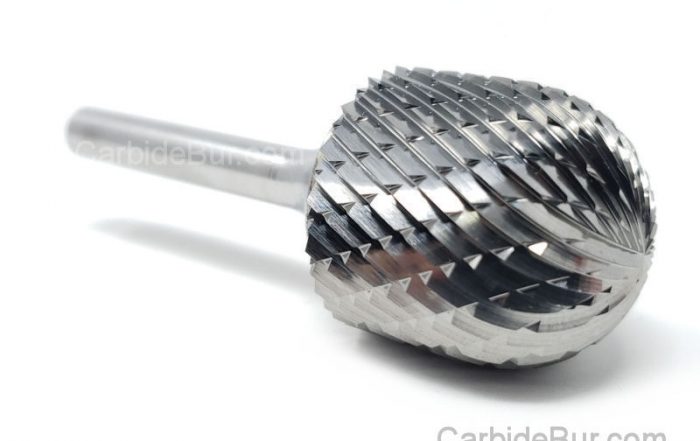
How to Use a Carbide Burr With a Die Grinder
How to Use a Carbide Burr With a Die Grinder Most people treat a carbide burr like just another tool, but using it with a die grinder takes skill. If you’ve struggled with burr installation [...]
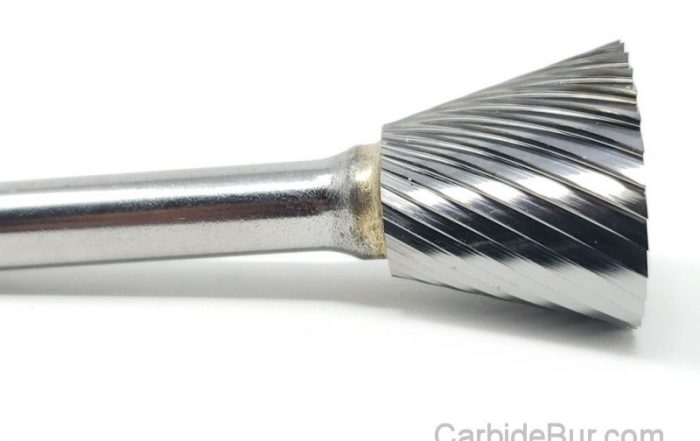
1/8 vs 1/4 Inch Carbide Burrs: What’s the Difference?
1/8 vs 1/4 Inch Carbide Burrs: What's the Difference? Choosing between a 1/8 inch carbide burr and a 1/4 inch carbide burr can change how your project turns out. Many machinists and hobbyists overlook how [...]

Best Carbide Burr for Removing Flash From Castings
Best Carbide Burr for Removing Flash From Castings Removing flash from castings is a task that can slow down your entire metalworking process if you don’t have the right tools. Picking the best carbide burr [...]
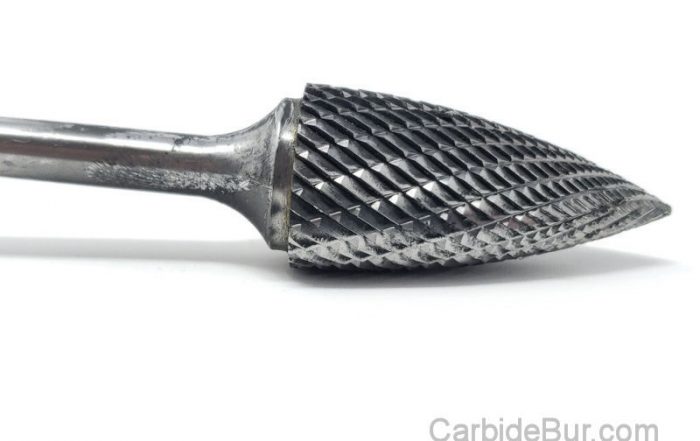
What RPM Should You Use for a 1/4 Inch Carbide Burr?
What RPM Should You Use for a 1/4 Inch Carbide Burr? Most machinists guess the right speed for a 1/4 inch carbide burr and hope for the best. Using the wrong carbide burr RPM can [...]
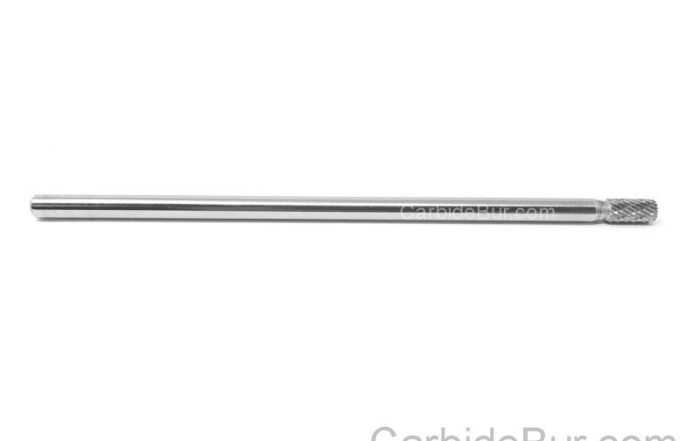
Long Shank Carbide Burrs: When Do You Need One?
Long Shank Carbide Burrs: When Do You Need One? Most machinists overlook the power of long shank carbide burrs until a project demands precision in tight spaces. When your usual tools can’t reach intricate contours, [...]
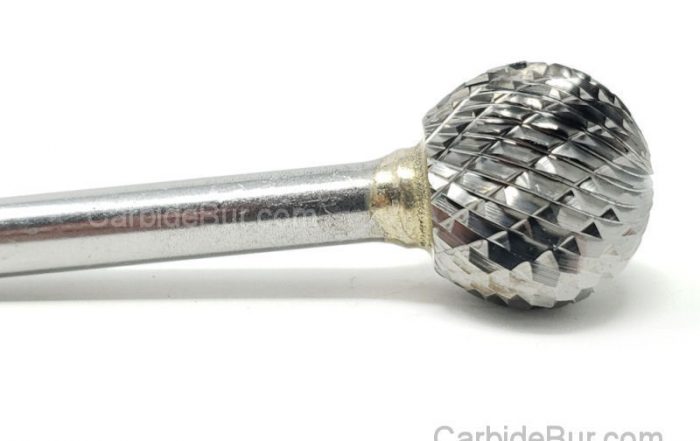
How Deep Can a Carbide Burr Cut Metal?
How Deep Can a Carbide Burr Cut Metal? Carbide burrs often get praised for their precision, but many users hit a wall wondering how deep they can actually cut metal. The truth is, cutting depth [...]
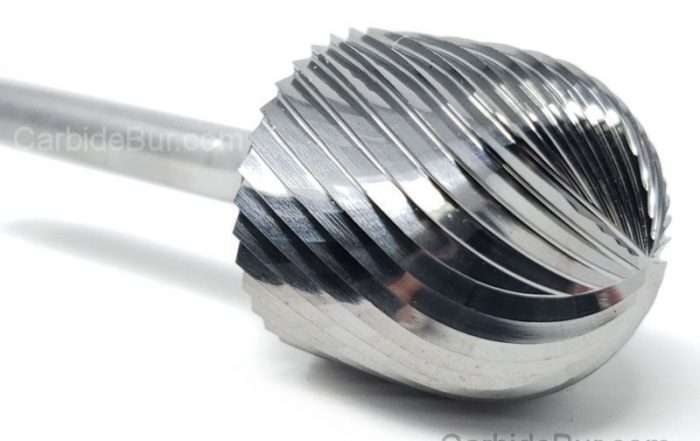
How to Use Carbide Burrs for Port Matching
How to Use Carbide Burrs for Port Matching Most engine builds hit a wall when airflow doesn’t flow smoothly between the ports and manifolds. If your engine isn’t breathing right, your performance stalls. Using the [...]
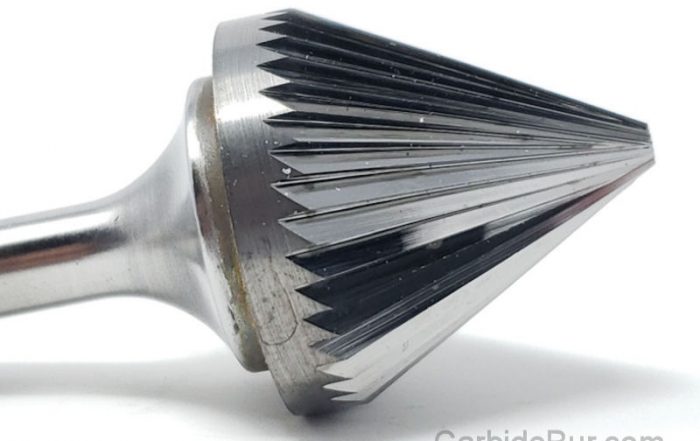
Best Carbide Burr for Porting Intake Manifolds
Best Carbide Burr for Porting Intake Manifolds Porting intake manifolds can make or break your engine’s airflow, yet many struggle with the right tools for the job. Choosing the best carbide burrs is key to [...]
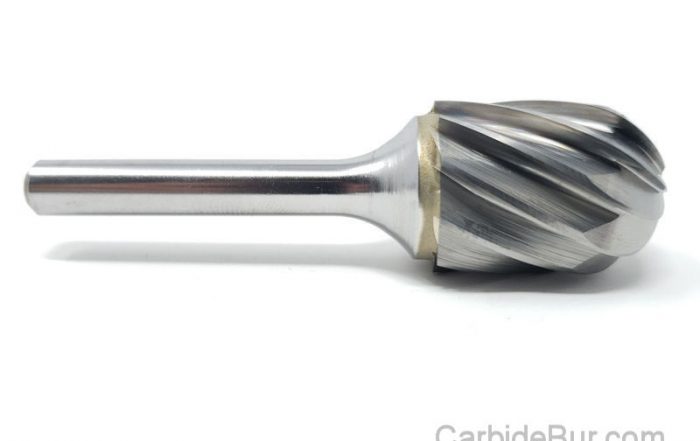
Best Carbide Burr for Concave Surfaces
Best Carbide Burr for Concave Surfaces Concave surfaces can turn a straightforward project into a frustrating challenge if you don’t have the right tool. Carbide burrs designed for these tricky curves make all the difference [...]
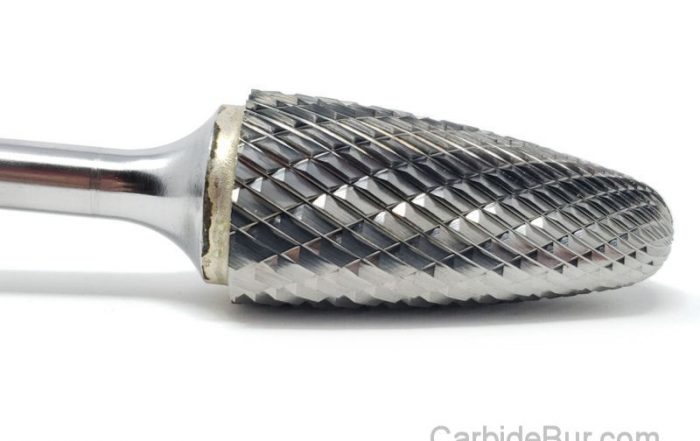
How to Grind a Slot in Metal With a Carbide Burr
How to Grind a Slot in Metal With a Carbide Burr Grinding a precise slot in metal can feel like a tricky task, especially if you’re unsure which tools to trust. Carbide burr grinding offers [...]

Best Carbide Burr for Inside Corners
Best Carbide Burr for Inside Corners Working in tight inside corners can turn even simple projects into frustrating tasks. Many carbide burrs just don’t fit or cut cleanly where you need them most. The best [...]
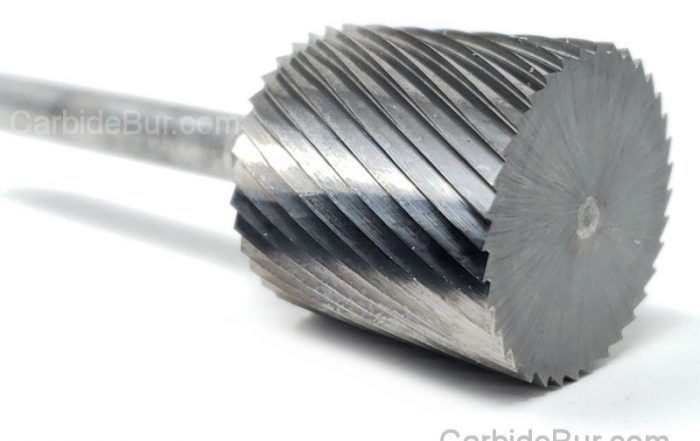
What Size Carbide Burr Do I Need?
What Size Carbide Burr Do I Need? Picking the wrong carbide burr can turn a simple project into a frustrating mess. You might have the best machining tools but still miss the mark if your [...]
