
Enhancing Production Efficiency with Advanced Carbide Welding
In the dynamic world of manufacturing, maintaining production efficiency while addressing common challenges is crucial for sustained success. Advanced carbide welding offers a transformative approach, promising to enhance bond strength and thermal stability, thereby tackling issues such as tool wear and material compatibility. These innovative welding techniques not only streamline operations but also pave the way for significant cost reductions, making them an attractive solution for industry professionals. As manufacturers strive to optimize workflows, embracing these cutting-edge methods could be the key to unlocking new levels of efficiency and innovation. Join us as we delve into how advanced carbide welding can revolutionize the manufacturing landscape and help overcome persistent obstacles. For more insights on advanced welding techniques, you can explore further here.
Understanding Advanced Carbide Welding
Advanced carbide welding is pivotal in modern manufacturing, focusing on enhancing bond strength and thermal stability. This section explores key welding techniques, their benefits, and how they address material compatibility issues.
Key Welding Techniques Explained
Advanced carbide welding encompasses several techniques, each tailored to specific manufacturing needs. Common methods include tungsten inert gas (TIG) welding and plasma arc welding.
-
TIG Welding: Known for its precision, TIG welding uses a non-consumable tungsten electrode to produce the weld. It’s ideal for thin sections of stainless steel and non-ferrous metals like aluminum.
-
Plasma Arc Welding: This technique uses an electrical arc to melt the workpiece and filler metal, creating a strong bond. It’s known for its deep penetration and high speed.
Using the right technique depends on the specific material and application. For more insights, explore Carbide Bur for comprehensive resources on these methods.
Benefits for Bond Strength and Thermal Stability
Enhancing bond strength and thermal stability is crucial in manufacturing. Advanced carbide welding techniques ensure that bonds are both strong and resistant to high temperatures.
Bond Strength: These techniques allow for a robust bond that can withstand significant stress, reducing the chances of failure under load.
Thermal Stability: By using methods that manage heat more effectively, manufacturers can maintain the integrity of materials even under extreme conditions.
These benefits are essential for sectors where reliability and durability are paramount. For further reading, AZoM offers detailed insights into the thermal properties of various welding techniques.
Addressing Material Compatibility Issues
Material compatibility is a common hurdle in welding. Advanced carbide welding techniques provide solutions by allowing for seamless integration between different materials.
-
Variety of Materials: These methods can handle a range of materials, including metals and alloys, without compromising the weld quality.
-
Reduced Complications: By minimizing the thermal expansion differences, these techniques prevent issues like cracking and warping.
To explore innovations that facilitate material compatibility, read the Langsun Carbide blog.
Overcoming Manufacturing Challenges
Enhancing efficiency and reducing wear are critical in overcoming manufacturing challenges. This section delves into strategies for reducing tool wear, boosting production efficiency, and cutting costs.
Reducing Tool Wear and Its Impact
Tool wear can drastically affect production outcomes. Advances in carbide welding have led to significant improvements in reducing this wear.
-
Improved Durability: Enhanced welding techniques result in tools that last longer, reducing replacement frequency.
-
Stable Performance: Tools maintain performance over time, ensuring consistent product quality.
These developments help mitigate the costs associated with tool wear, which is a major concern for industry professionals. Visit Carbide Burr for more on how these innovations minimize wear.
Enhancing Production Efficiency
Production efficiency is a cornerstone of successful manufacturing. Advanced welding methods contribute significantly to this goal.
-
Streamlined Processes: By integrating advanced welding into production, manufacturers can reduce bottlenecks and downtime.
-
Quality Assurance: High-quality welds mean fewer defects and less rework, boosting overall efficiency.
These aspects are crucial for maintaining competitive advantage in the industry. For an in-depth look at enhancing efficiency, AZoM provides valuable insights.
Strategies for Cost Reduction
Cost reduction is often a primary goal for manufacturers. Advanced welding methods offer several strategies to achieve this.
-
Reduced Material Waste: Precision welding minimizes material waste, contributing to cost savings.
-
Lower Energy Consumption: Efficient welding techniques reduce energy requirements, lowering operational costs.
These strategies are integral to maintaining profitability in a competitive market. For more tips on cost reduction, explore Carbide Bur.
Driving Manufacturing Innovation
Embracing advanced techniques is essential for driving innovation. This section covers the implementation of these techniques and future trends in welding technology.
Implementing Advanced Techniques
Successfully implementing advanced welding techniques requires careful planning and execution.
-
Assessment: Evaluate current processes to identify areas where advanced welding can be integrated.
-
Training: Ensure that staff are properly trained on new techniques to maximize their benefits.
-
Monitoring: Continuously monitor the results to ensure desired outcomes are achieved.
Implementing these techniques effectively can transform manufacturing operations. To learn more, visit Carbide Burr for resources on effective implementation.
Future Trends in Welding Technology
The future of welding technology promises exciting advancements that will further revolutionize manufacturing.
-
Automation: Increasing use of robotics and automation in welding will enhance precision and speed.
-
Smart Welding: Integration of AI will allow for real-time monitoring and adjustments, improving quality control.
These trends will shape the future landscape of manufacturing, offering new opportunities for efficiency and innovation. For a deeper dive into future trends, check out the Langsun Carbide blog.
Find more carbide bur die grinder tool bits here
Carbide Burr Safety: 15 Mistakes That Can Cause Injury or Damage
Carbide Burr Safety: 15 Mistakes That Can Cause Injury or Damage Carbide burr safety is often overlooked until a costly mistake happens. Many metalworkers and DIYers make the same errors that lead to injuries or [...]
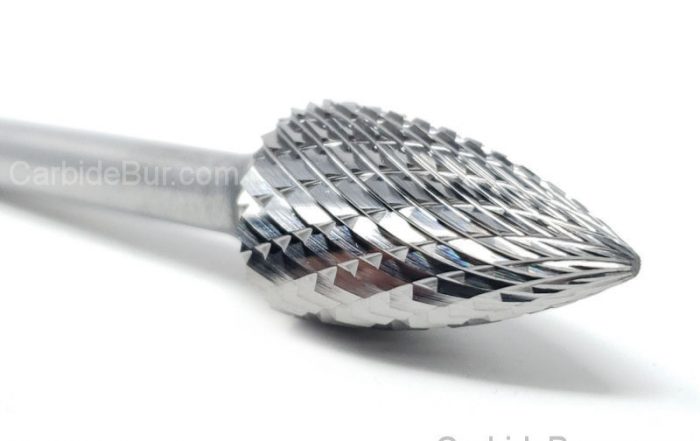
Can You Use a Carbide Burr in a Drill?
Can You Use a Carbide Burr in a Drill? Most people think a standard drill can’t handle a carbide burr, but that’s not true. Using carbide burr in the right drill can speed up your [...]
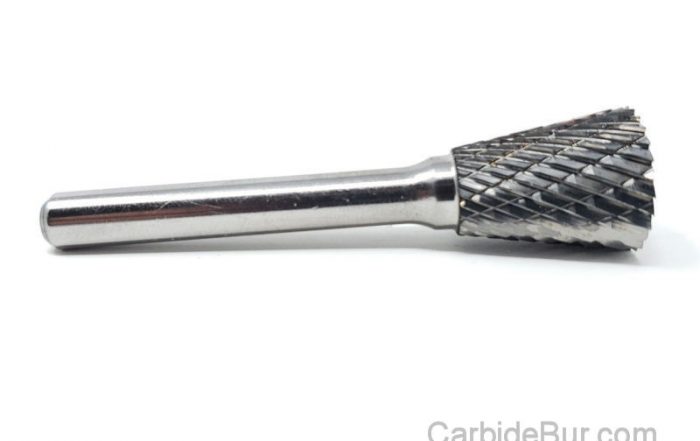
Carbide Burrs for Removing Rust: What Works Best?
Carbide Burrs for Removing Rust: What Works Best? Rust can turn your favorite tools into useless junk faster than you expect. Removing it without ruining the metal underneath takes more than just elbow grease—it demands [...]
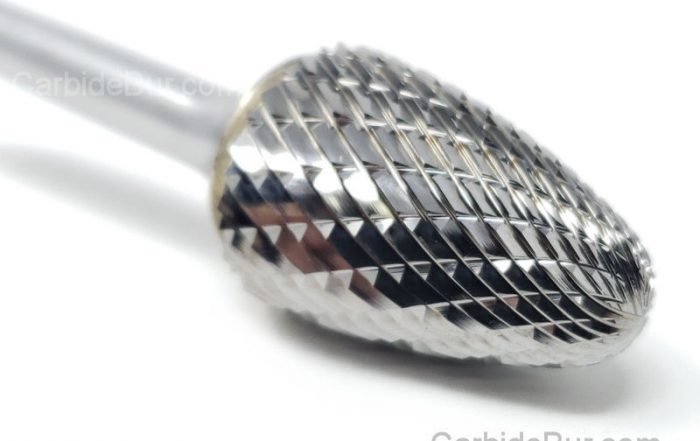
How Much Pressure Should You Use With a Carbide Burr?
How Much Pressure Should You Use With a Carbide Burr? Most people think pressing harder with a carbide burr speeds up the job. That’s not true—too much pressure wears out your tool and ruins the [...]
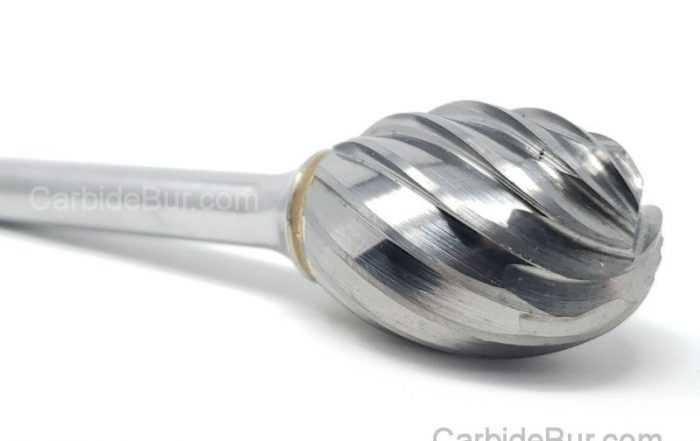
Can You Use Carbide Burrs With an Air Die Grinder?
Can You Use Carbide Burrs With an Air Die Grinder? Most people don’t realize how well carbide burrs work with air die grinders until they try them. If you’ve ever struggled with finding the right [...]
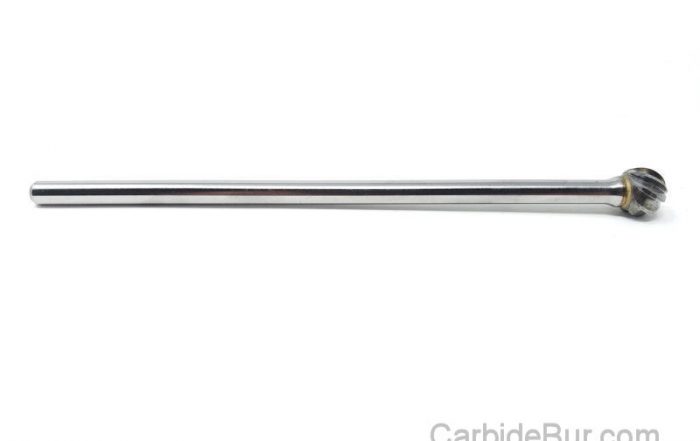
Best Long Reach Carbide Burr for Deep Metal Work
Best Long Reach Carbide Burr for Deep Metal Work Long reach carbide burrs often promise deep metal access, but many fall short where it counts most. You need a tool that cuts cleanly, lasts through [...]
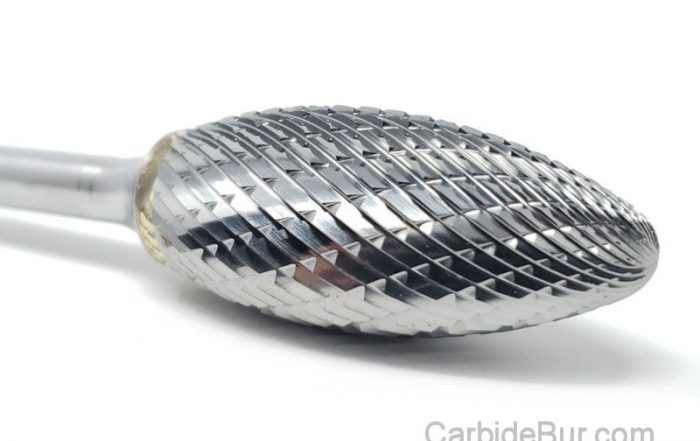
What RPM Should You Use for a 1/8 Inch Carbide Burr?
What RPM Should You Use for a 1/8 Inch Carbide Burr? Most people guess the right carbide burr RPM by feel—and waste hours redoing work. If you want cleaner cuts and longer tool life, your [...]
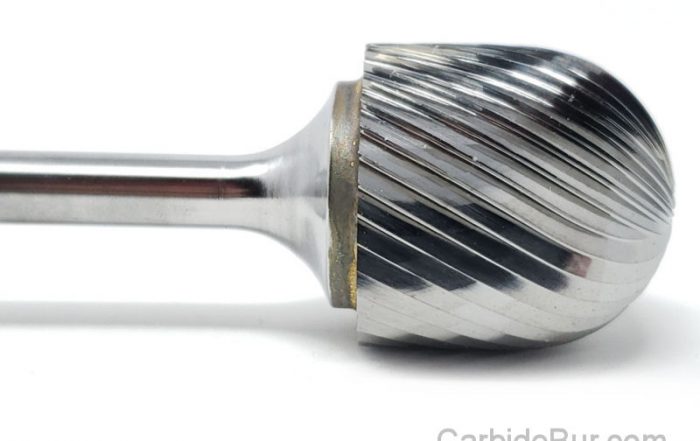
Carbide Burrs for Tight Spaces: Choosing the Right Shape
Carbide Burrs for Tight Spaces: Choosing the Right Shape Tackling tight spaces with the wrong carbide burrs wastes time and risks damaging your work. Choosing the right burr shape makes all the difference when working [...]
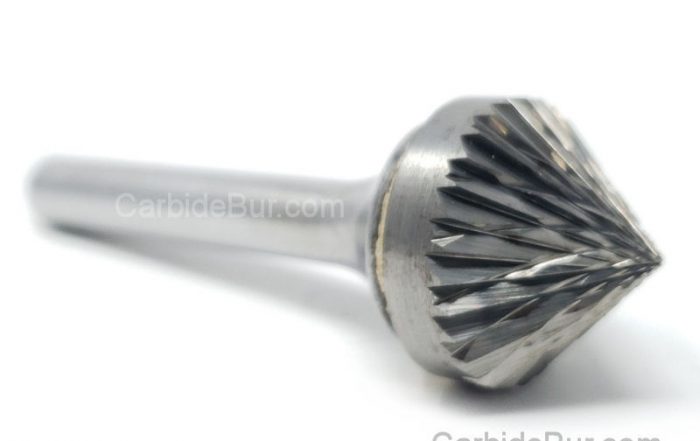
Can Carbide Burrs Remove Paint From Metal?
Can Carbide Burrs Remove Paint From Metal? Stripping paint from metal often feels like a tough chore that risks damaging the surface underneath. Many turn to carbide burrs hoping they can speed things up without [...]
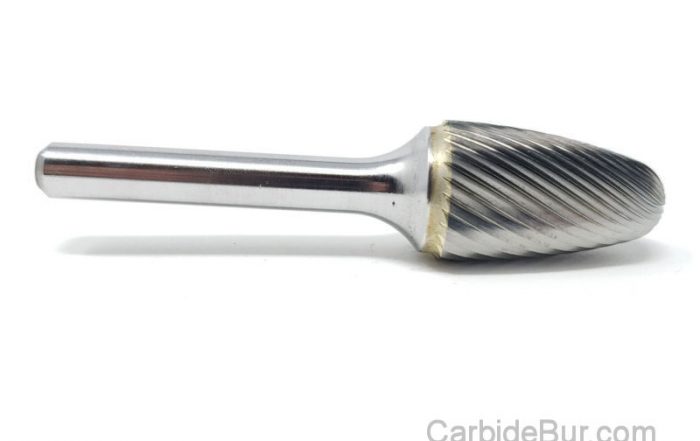
How to Grind a Groove in Metal With a Carbide Burr
How to Grind a Groove in Metal With a Carbide Burr Most metalworkers struggle to cut clean grooves without wasting time or ruining their workpiece. Many try different metalworking tools but end up with uneven [...]
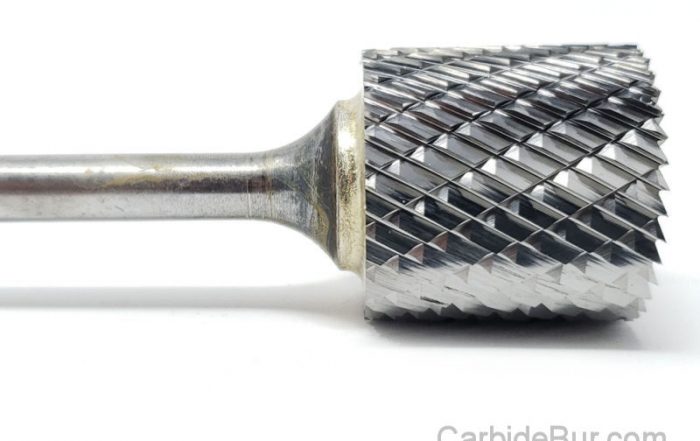
Can Carbide Burrs Cut Through Welds?
Can Carbide Burrs Cut Through Welds? Cutting through welds can feel like a battle, especially when you need clean results without harming the base metal. Carbide burrs offer a sharp edge in this fight, but [...]
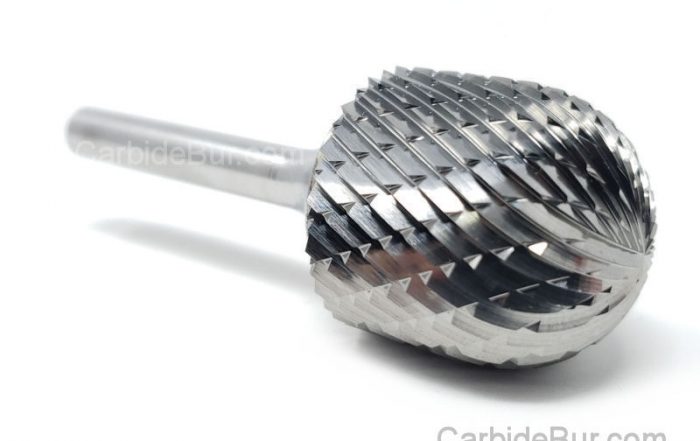
How to Use a Carbide Burr With a Die Grinder
How to Use a Carbide Burr With a Die Grinder Most people treat a carbide burr like just another tool, but using it with a die grinder takes skill. If you’ve struggled with burr installation [...]
