
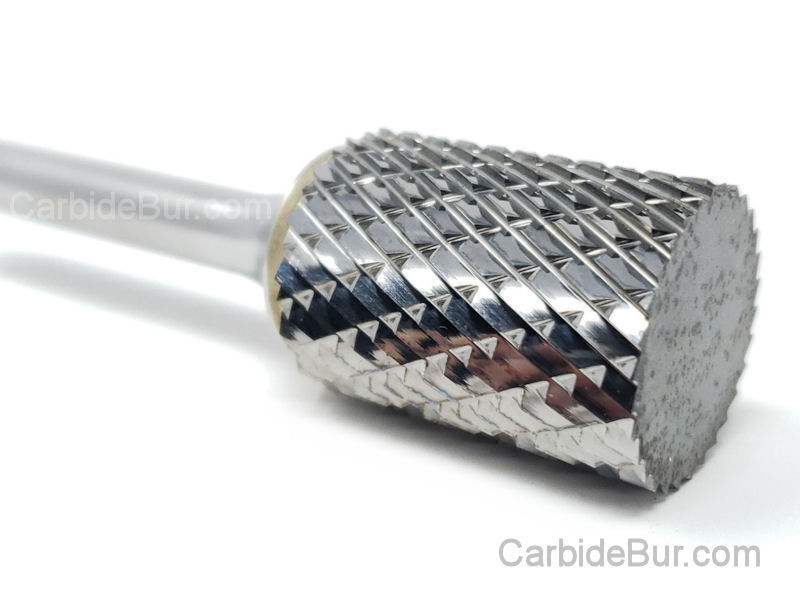
Are Carbide Cutting Tools The Key To Mastering Detailed Craftsmanship?
Just as a skilled craftsman knows the importance of the right tools, you’ll find that carbide cutting tools can greatly enhance your ability to achieve precision and detail in your projects. These durable and highly efficient tools enable you to tackle intricate tasks with confidence, whether you’re woodworking, metalworking, or undertaking intricate crafts. As you navigate the world of craftsmanship, understanding the benefits and applications of carbide cutting tools may very well be the key to elevating your work to the next level.
Find more carbide bur die grinder tool bits here
Understanding Carbide Cutting Tools
Your journey into the world of craftsmanship is incomplete without understanding carbide cutting tools. These high-performance tools are designed to provide precision and durability, making them vital for anyone aiming to achieve detailed craftsmanship in their projects.
What Are Carbide Cutting Tools?
Around the globe, carbide cutting tools are recognized for their exceptional strength and wear resistance. Made from a blend of tungsten carbide and other materials, these tools are designed to tackle various materials with ease, ensuring high-quality finishes and longevity.
The Composition and Characteristics of Carbide
Among the defining features of carbide cutting tools is their unique composition, which consists of tungsten carbide particles bonded with a metallic binder like cobalt. This combination results in tools that not only maintain a sharp cutting edge but also withstand high temperatures and pressures. Their hardness makes them ideal for cutting, milling, and drilling a wide range of materials.
Tools made from carbide stand out due to their remarkable density and toughness, enabling them to maintain their integrity even in the most demanding conditions. This durability means less frequent replacements, saving you both time and costs in the long run. Their resistance to chipping and breakdown further enhances their reliability, making them a preferred choice for professionals seeking precision and quality in their work.
Advantages of Carbide Cutting Tools
If you are seeking superior performance in craftsmanship, carbide cutting tools offer a multitude of advantages. Their ability to withstand extreme conditions while delivering consistent results makes them a favorite among professionals. With enhanced wear resistance and the capability to maintain sharpness, these tools can significantly improve your efficiency and precision in various projects.
Durability and Longevity
Below the surface of craftsmanship lies durability and longevity, which carbide cutting tools excel in. These tools are designed to endure high levels of stress and wear, allowing you to complete projects without frequent replacements. You will find that investing in carbide tools minimizes downtime and boosts your productivity in the long run.
Precision and Accuracy in Craftsmanship
Above all, precision and accuracy are vital for achieving top-notch results, and carbide cutting tools help you excel in this area. Their design enables fine-tuning and intricate detailing, allowing you to bring your vision to life with remarkable clarity.
In fact, the precise geometry of carbide cutting tools facilitates a clean and controlled cutting action, reducing the risk of errors and ensuring that every detail is executed flawlessly. You can trust these tools to perform consistently, which leads to a greater level of confidence in your craftsmanship. As you hone your skills, you will find that these tools elevate the quality of your work, making them indispensable for your creative endeavors.
Applications in Detailed Craftsmanship
It is important to explore the diverse applications of carbide cutting tools in detailed craftsmanship. These tools revolutionize the way you engage with various materials, enhancing precision and efficiency in your projects. Whether in woodworking, metalworking, or other crafts, carbide tools provide a reliable solution for achieving intricate designs and superior finishes.
Woodworking
Beside enhancing your precision in woodworking, carbide tools offer durability and longevity, allowing you to shape and carve wood with remarkable ease. Their robust nature permits you to tackle detailed designs and achieve fine finishes, making your woodworking endeavors significantly more enjoyable and rewarding.
Metalworking
Along with woodworking, carbide cutting tools prove indispensable in metalworking, enabling you to manufacture intricate components with accuracy and efficiency. Whether you’re creating small parts or large structures, the sharpness and toughness of carbide allow for clean cuts, finer details, and shorter processing times.
A deeper look into metalworking reveals that carbide tools excel in settings like CNC machining and fabrication shops. Their ability to maintain edge retention means you can work with various metals, from aluminum to hardened steel, without the constant need for sharpening. This reliability not only increases your productivity but also allows you to focus on perfecting your craftsmanship. Investing in carbide cutting tools will undoubtedly enhance the quality of your metal projects and open new avenues for intricate designs.
Maintenance and Care for Carbide Tools
After investing in high-quality carbide cutting tools, maintaining them properly ensures longevity and optimal performance. Regular upkeep will prevent performance decline, allowing you to achieve precision in your craftsmanship. Always inspect your tools for wear or damage and address any issues promptly. This level of care will enhance your productivity and keep your tools in top condition for years of use.
Cleaning and Storage
By keeping your carbide tools clean and stored properly, you will significantly extend their lifespan. Clean them with a soft cloth to remove dust and debris after each use. Avoid abrasive cleaners that might scratch the surface. Store your tools in a dry, organized environment, using cases or racks to prevent accidental damage. This attention to cleanliness and organization ensures your tools remain ready for your next project.
Sharpening Techniques
Below, sharpening carbide tools correctly allows you to maintain their cutting edge effectively. Using the right technique is important, as dull blades can hinder accuracy and quality in your work. Consider using a diamond wheel or specialized sharpening tools designed for carbide. The process requires patience and attention to detail but the results will be well worth the effort.
Hence, utilizing the proper sharpening techniques not only retains the integrity of your carbide tools but also enhances your overall craftsmanship. Begin with a clean surface, and make steady, even passes while maintaining the original angle of the cutting edge. Regularly assessing the sharpness will guide you in applying the right amount of pressure and frequency. Consistent sharpening practices keep your tools performing at their best, allowing you to execute intricate designs effortlessly.
Comparing Carbide with Other Cutting Tools
Once again, you’ll find that selecting the right cutting tool impacts your craftsmanship significantly. Below is a comparison of carbide tools against other popular options:
| Carbide | Excellent durability, high wear resistance, and tight tolerances. |
| High-Speed Steel (HSS) | Affordable, easy to sharpen, and resilient at high speeds. |
| Coated Tools | Enhanced performance and protection against wear and corrosion. |
High-Speed Steel (HSS)
For many craftsmen, high-speed steel (HSS) offers a practical balance of affordability and performance. While it doesn’t match carbide’s durability, HSS tools are often favored for their ease of sharpening and ability to withstand high speeds, making them suitable for various applications.
Coated Tools
Around the shop, coated tools have become increasingly popular due to their enhanced performance. These tools are often made from carbide but are coated with materials such as titanium or chromium, allowing for improved cutting performance and extended tool life.
Considering your options, coated tools can significantly elevate your craftsmanship by offering enhanced hardness and resistance to wear. The coatings can reduce friction during cutting, improving efficiency and allowing for faster machining speeds. If you’re looking to undertake detailed projects, investing in coated cutting tools can provide you with the edge needed for superior results.
Expert Tips for Mastering Craftsmanship with Carbide Tools
To elevate your craftsmanship with carbide tools, focus on precision and technique by following these expert tips:
- Ensure your tools are sharp for clean cuts.
- Maintain consistent speed while operating your tools.
- Use appropriate feed rates based on the material being worked.
- Regularly check tool alignment to prevent errors.
Assume that with practice, your skill level will significantly improve, leading to better craftsmanship results.
Choosing the Right Tool
With so many carbide tools available, selecting the right one that fits your project’s specific needs is imperative for achieving the desired results.
Techniques for Optimal Use
Behind every successful craftsmanship is a deep understanding of how to utilize your carbide tools effectively.
Carbide tools require proper handling to maximize their efficiency. Start by familiarizing yourself with various cutting angles and their impact on material handling. Adjust your grip to ensure steady control while cutting, and vary your pressure depending on the material’s density. Frequent tool maintenance, such as cleaning and inspecting for wear, can optimize performance and prolong tool life. These techniques will guide you towards excellence in your projects.
Summing up
Presently, if you are seeking to elevate your craftsmanship, carbide cutting tools may indeed be the solution to enhancing your precision and efficiency. These tools offer durability and a finer finish, allowing you to focus on the details of your projects. By exploring more about Carbide vs Traditional – Which Woodturning Tools Are …, you can make informed choices that align with your crafting style, ultimately leading to mastery in your detailed projects.
Find more carbide bur die grinder tool bits here
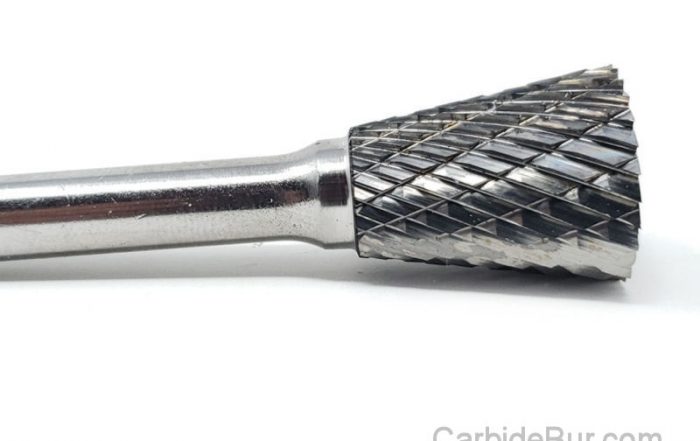
Carbide Burr Safety: 15 Mistakes That Can Cause Injury or Damage
Carbide Burr Safety: 15 Mistakes That Can Cause Injury or Damage Carbide burr safety is often overlooked until a costly mistake happens. Many metalworkers and DIYers make the same errors that lead to injuries or [...]
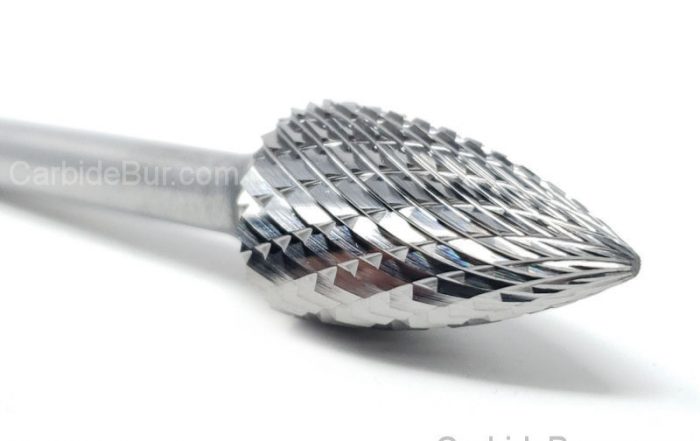
Can You Use a Carbide Burr in a Drill?
Can You Use a Carbide Burr in a Drill? Most people think a standard drill can’t handle a carbide burr, but that’s not true. Using carbide burr in the right drill can speed up your [...]
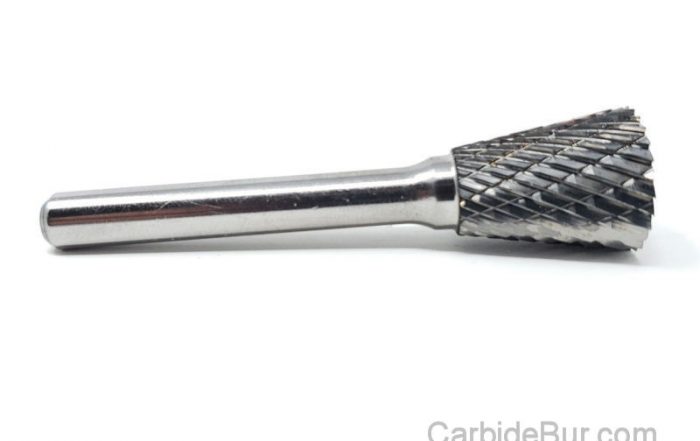
Carbide Burrs for Removing Rust: What Works Best?
Carbide Burrs for Removing Rust: What Works Best? Rust can turn your favorite tools into useless junk faster than you expect. Removing it without ruining the metal underneath takes more than just elbow grease—it demands [...]
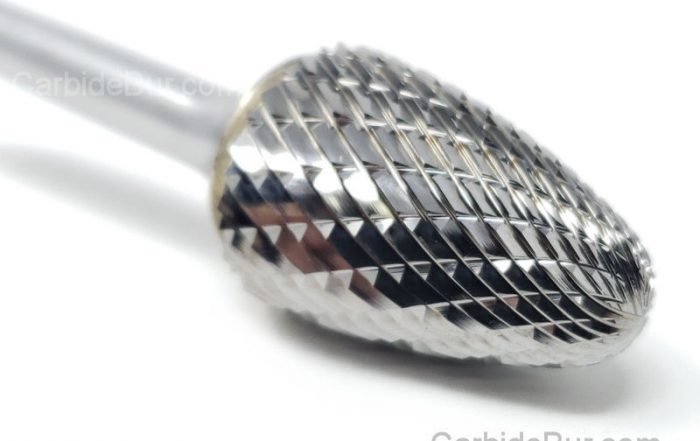
How Much Pressure Should You Use With a Carbide Burr?
How Much Pressure Should You Use With a Carbide Burr? Most people think pressing harder with a carbide burr speeds up the job. That’s not true—too much pressure wears out your tool and ruins the [...]
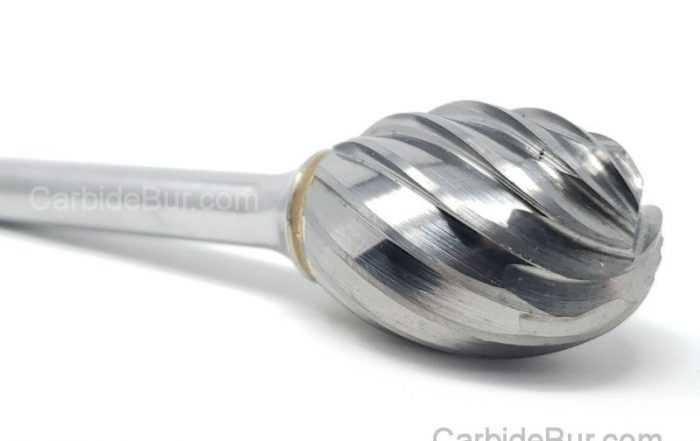
Can You Use Carbide Burrs With an Air Die Grinder?
Can You Use Carbide Burrs With an Air Die Grinder? Most people don’t realize how well carbide burrs work with air die grinders until they try them. If you’ve ever struggled with finding the right [...]
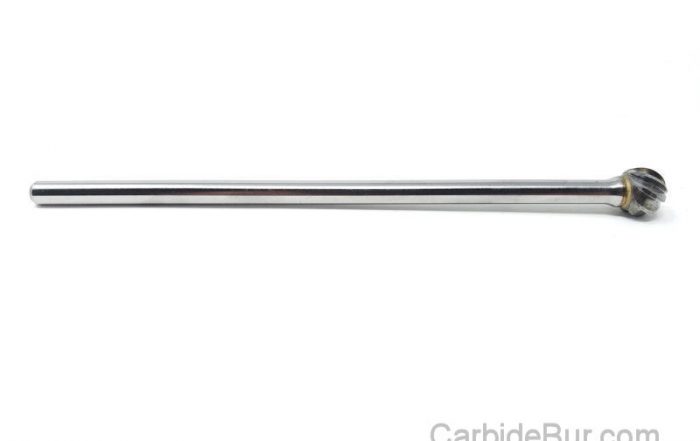
Best Long Reach Carbide Burr for Deep Metal Work
Best Long Reach Carbide Burr for Deep Metal Work Long reach carbide burrs often promise deep metal access, but many fall short where it counts most. You need a tool that cuts cleanly, lasts through [...]
What RPM Should You Use for a 1/8 Inch Carbide Burr?
What RPM Should You Use for a 1/8 Inch Carbide Burr? Most people guess the right carbide burr RPM by feel—and waste hours redoing work. If you want cleaner cuts and longer tool life, your [...]
Carbide Burrs for Tight Spaces: Choosing the Right Shape
Carbide Burrs for Tight Spaces: Choosing the Right Shape Tackling tight spaces with the wrong carbide burrs wastes time and risks damaging your work. Choosing the right burr shape makes all the difference when working [...]
Can Carbide Burrs Remove Paint From Metal?
Can Carbide Burrs Remove Paint From Metal? Stripping paint from metal often feels like a tough chore that risks damaging the surface underneath. Many turn to carbide burrs hoping they can speed things up without [...]
How to Grind a Groove in Metal With a Carbide Burr
How to Grind a Groove in Metal With a Carbide Burr Most metalworkers struggle to cut clean grooves without wasting time or ruining their workpiece. Many try different metalworking tools but end up with uneven [...]
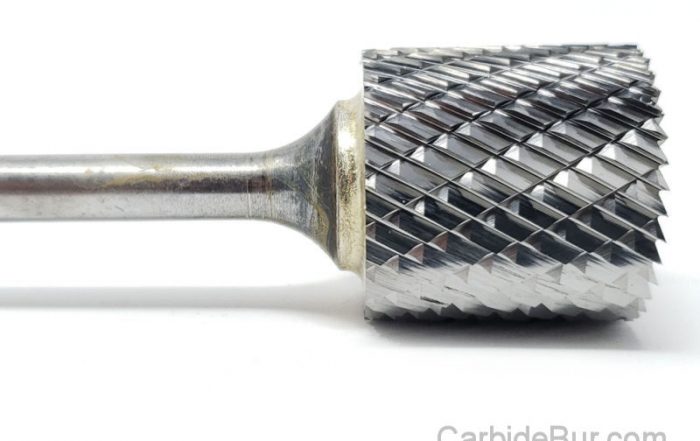
Can Carbide Burrs Cut Through Welds?
Can Carbide Burrs Cut Through Welds? Cutting through welds can feel like a battle, especially when you need clean results without harming the base metal. Carbide burrs offer a sharp edge in this fight, but [...]
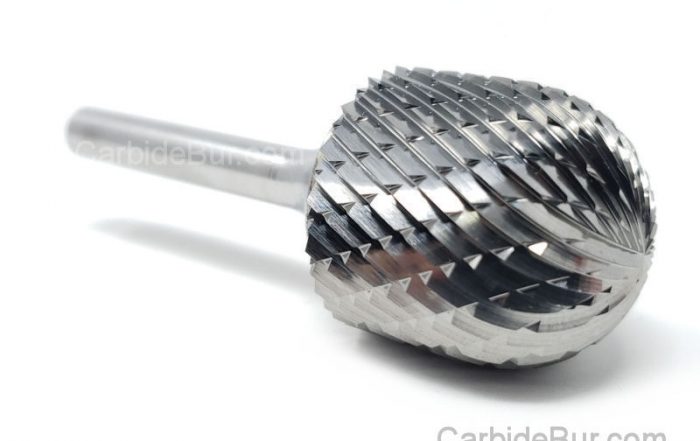
How to Use a Carbide Burr With a Die Grinder
How to Use a Carbide Burr With a Die Grinder Most people treat a carbide burr like just another tool, but using it with a die grinder takes skill. If you’ve struggled with burr installation [...]
