
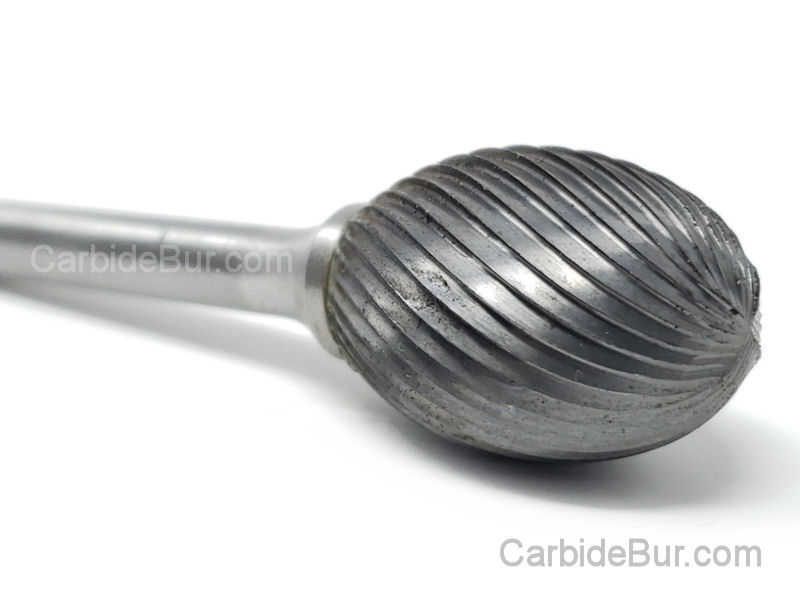
How Carbide Microstructure Dictates Performance
In the world of precision machining, the microstructure of carbide is a key determinant of performance, influencing everything from the hardness of carbide to its wear resistance. This intricate structure, defined by factors such as grain size distribution, plays a crucial role in how rotary cutting tools perform under demanding conditions. For machinists and engineering professionals, understanding the relationship between carbide microstructure and machining precision is essential for optimizing tool selection and achieving superior results. This knowledge not only enhances the durability of carbide tools but also ensures that cutting applications maintain their edge and efficiency. Join us as we delve into how the nuances of carbide microstructure dictate the excellence of rotary cutting tools. For more detailed insights, visit this research study.
Understanding Carbide Microstructure
The microstructure of carbide is an intricately woven pattern that dictates the material’s performance properties. Key aspects such as grain size and distribution significantly impact hardness and toughness, which are critical for the efficiency of rotary cutting tools.
Grain Size and Distribution
Grain size in carbide refers to the size of the individual particles within the material. It greatly influences the performance of cutting tools. Small grain sizes generally contribute to increased hardness, enhancing the wear resistance of the carbide. Conversely, larger grains may improve toughness. This balance is crucial in applications where both properties must be optimized.
Understanding grain distribution is equally important. Evenly distributed grains ensure uniform performance across the tool. Variability can lead to weak spots, reducing the tool’s longevity. The choice of grain size and distribution must align with the specific demands of the cutting task.
According to ScienceDirect, the precise control of these parameters is a critical factor in tool design, impacting the longevity and effectiveness of carbide-based tools.
Influence on Hardness and Toughness
The hardness of carbide is fundamentally linked to its microstructure. The right combination of grain size and distribution can enhance this property, providing the necessary toughness for demanding machining tasks. Hardness ensures that tools maintain their sharpness longer, reducing the need for frequent replacements.
Toughness, on the other hand, allows the tool to withstand impact and stress without fracturing. This dual property is essential for high-performance rotary cutting tools that encounter varied material densities and textures.
Manufacturers must balance these properties carefully. Overemphasizing one can lead to suboptimal tool performance. For further insights into this delicate balance, ResearchGate offers detailed studies on the subject.
Impact on Rotary Cutting Tools
Rotary cutting tools rely on their carbide components for effective performance, especially under high-stress conditions. The microstructure of carbide directly influences their wear resistance and machining precision.
Enhancing Wear Resistance
The wear resistance of a cutting tool dictates its lifespan and reliability. Carbide microstructure plays a pivotal role in this aspect by ensuring that tools can withstand the abrasive nature of machining processes. Fine-tuning the grain size and distribution can significantly reduce wear rates.
Carbide Bur highlights the importance of selecting the right carbide composition for enhanced wear resistance, which directly translates to longer tool life and reduced maintenance costs.
To maximize wear resistance:
-
Choose carbide with optimal grain size for the application.
-
Ensure even grain distribution.
-
Regularly assess tool performance to adjust specifications as needed.
Achieving Machining Precision
Precision is non-negotiable in machining. The carbide microstructure provides the edge that ensures tools cut cleanly and accurately. The fine balance between hardness and toughness allows for precise material removal without damaging the workpiece.
Machining precision is enhanced by the consistency of the carbide’s grain structure. Carbide Burr underscores that precision tools require rigorously controlled manufacturing processes to maintain their fine edge.
To achieve precision:
-
Utilize carbide with consistent grain distribution.
-
Regularly calibrate tools for optimal performance.
-
Select tools based on the specific material and task requirements.
Importance in Cutting Tool Selection
Selecting the right cutting tool involves understanding the importance of carbide microstructure. The durability and performance of these tools depend heavily on their material characteristics.
Optimizing Durability of Carbide
Optimizing the durability of carbide involves understanding the interplay between its structural components. A well-optimized tool withstands extensive use without degradation, maintaining efficiency and precision over time.
The key factors to consider include:
-
Grain size: Smaller grains typically enhance durability.
-
Distribution uniformity: Consistent structure prevents weak spots.
For actionable advice on selecting durable carbide tools, ScienceDirect provides data-driven recommendations.
Selecting for Specific Applications
Each machining task has unique requirements, making it essential to select carbide tools that align with specific applications. Understanding the nuances of carbide microstructure can guide this selection process.
Selecting the right tool involves:
-
Assessing the material being machined.
-
Matching carbide properties to the task.
-
Considering the tool’s expected performance and lifespan.
For comprehensive guidance, ResearchGate provides in-depth studies illustrating successful application-specific tool selections.
By understanding these aspects, professionals can make informed decisions, ensuring optimal tool performance and extending the life of their equipment.
Find more carbide bur die grinder tool bits here
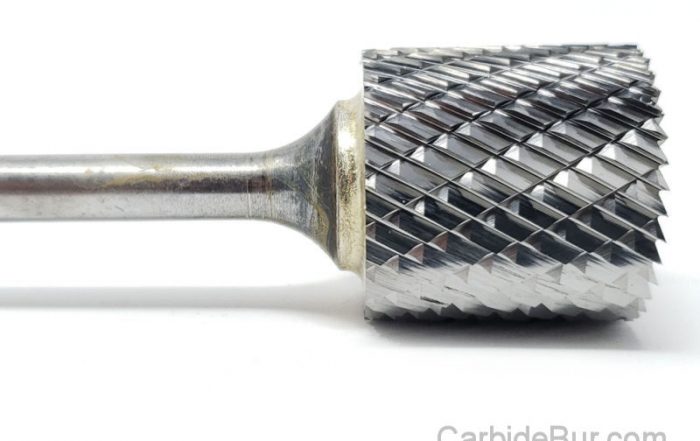
Can Carbide Burrs Cut Through Welds?
Can Carbide Burrs Cut Through Welds? Cutting through welds can feel like a battle, especially when you need clean results without harming the base metal. Carbide burrs offer a sharp edge in this fight, but [...]
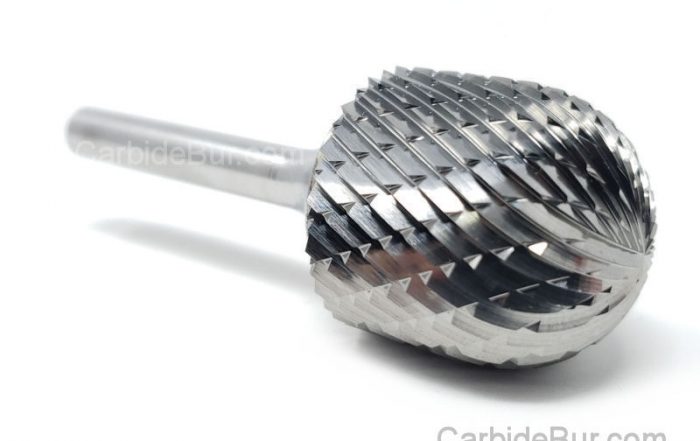
How to Use a Carbide Burr With a Die Grinder
How to Use a Carbide Burr With a Die Grinder Most people treat a carbide burr like just another tool, but using it with a die grinder takes skill. If you’ve struggled with burr installation [...]
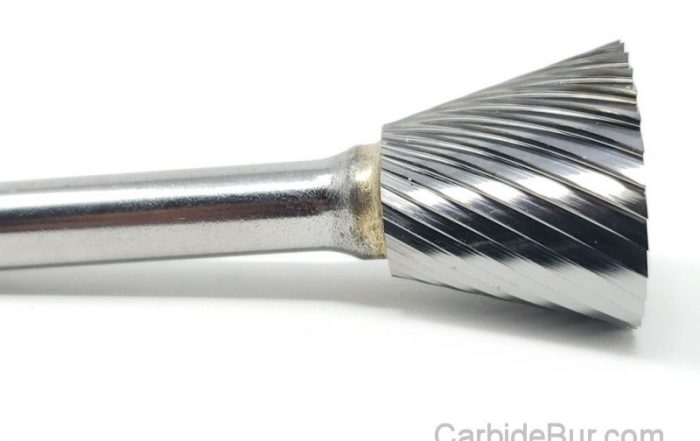
1/8 vs 1/4 Inch Carbide Burrs: What’s the Difference?
1/8 vs 1/4 Inch Carbide Burrs: What's the Difference? Choosing between a 1/8 inch carbide burr and a 1/4 inch carbide burr can change how your project turns out. Many machinists and hobbyists overlook how [...]
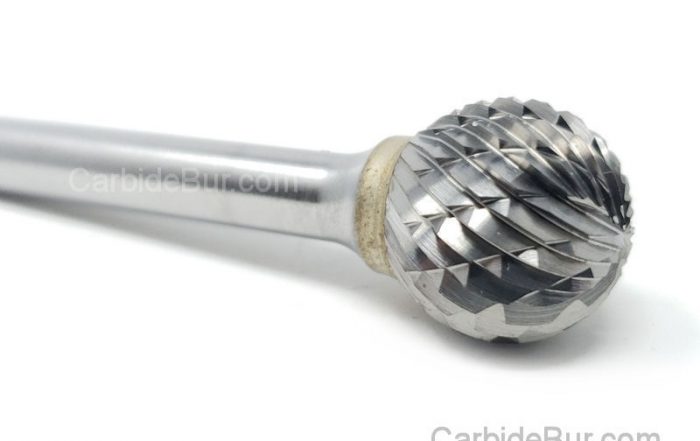
Best Carbide Burr for Removing Flash From Castings
Best Carbide Burr for Removing Flash From Castings Removing flash from castings is a task that can slow down your entire metalworking process if you don’t have the right tools. Picking the best carbide burr [...]
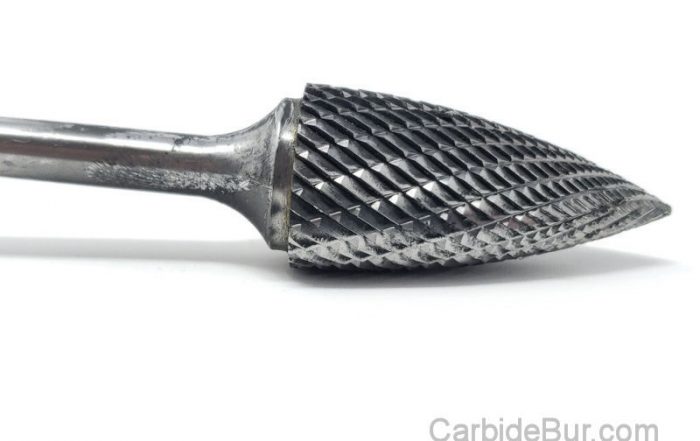
What RPM Should You Use for a 1/4 Inch Carbide Burr?
What RPM Should You Use for a 1/4 Inch Carbide Burr? Most machinists guess the right speed for a 1/4 inch carbide burr and hope for the best. Using the wrong carbide burr RPM can [...]
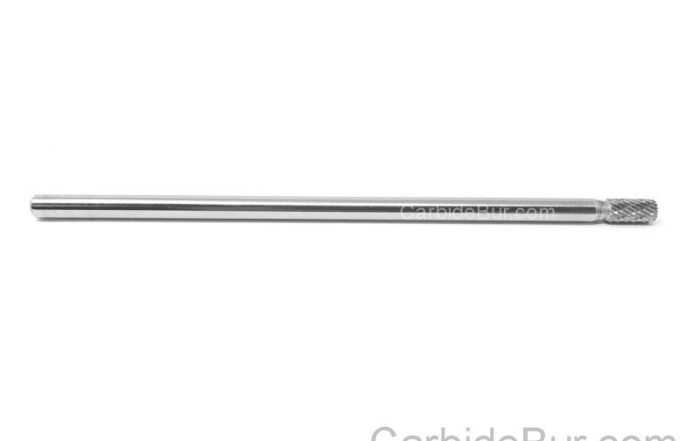
Long Shank Carbide Burrs: When Do You Need One?
Long Shank Carbide Burrs: When Do You Need One? Most machinists overlook the power of long shank carbide burrs until a project demands precision in tight spaces. When your usual tools can’t reach intricate contours, [...]
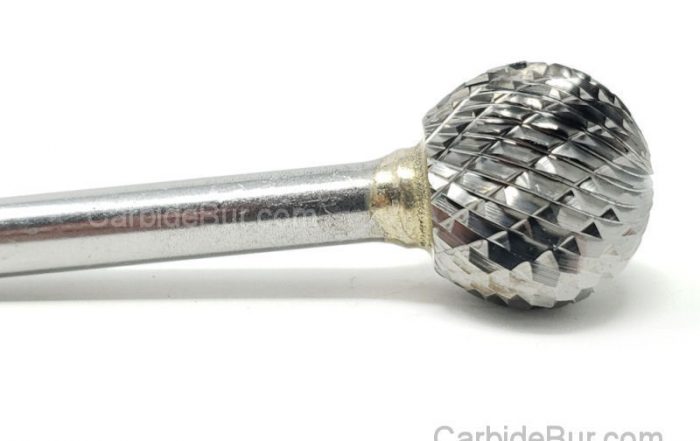
How Deep Can a Carbide Burr Cut Metal?
How Deep Can a Carbide Burr Cut Metal? Carbide burrs often get praised for their precision, but many users hit a wall wondering how deep they can actually cut metal. The truth is, cutting depth [...]
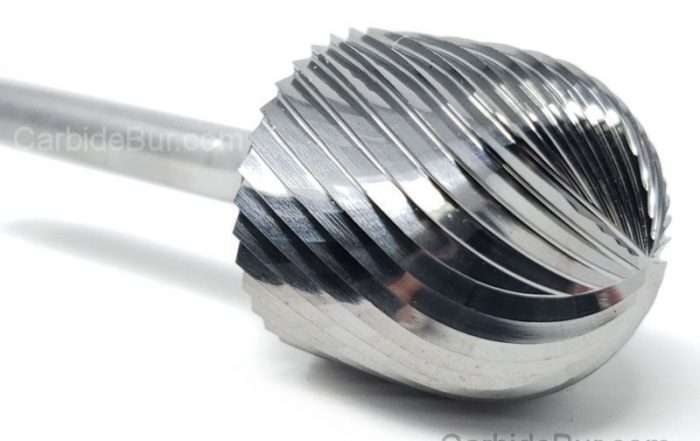
How to Use Carbide Burrs for Port Matching
How to Use Carbide Burrs for Port Matching Most engine builds hit a wall when airflow doesn’t flow smoothly between the ports and manifolds. If your engine isn’t breathing right, your performance stalls. Using the [...]
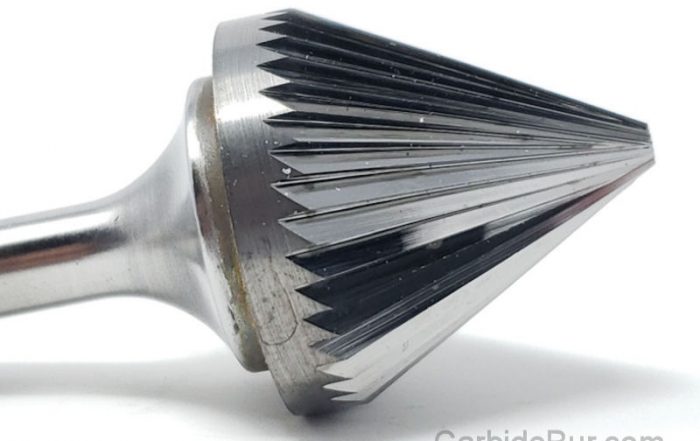
Best Carbide Burr for Porting Intake Manifolds
Best Carbide Burr for Porting Intake Manifolds Porting intake manifolds can make or break your engine’s airflow, yet many struggle with the right tools for the job. Choosing the best carbide burrs is key to [...]
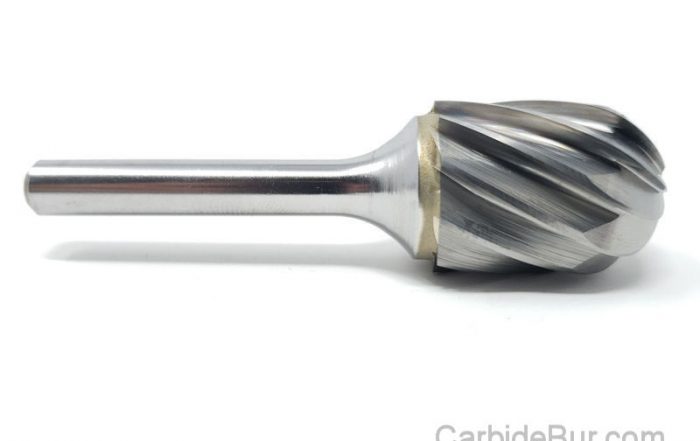
Best Carbide Burr for Concave Surfaces
Best Carbide Burr for Concave Surfaces Concave surfaces can turn a straightforward project into a frustrating challenge if you don’t have the right tool. Carbide burrs designed for these tricky curves make all the difference [...]
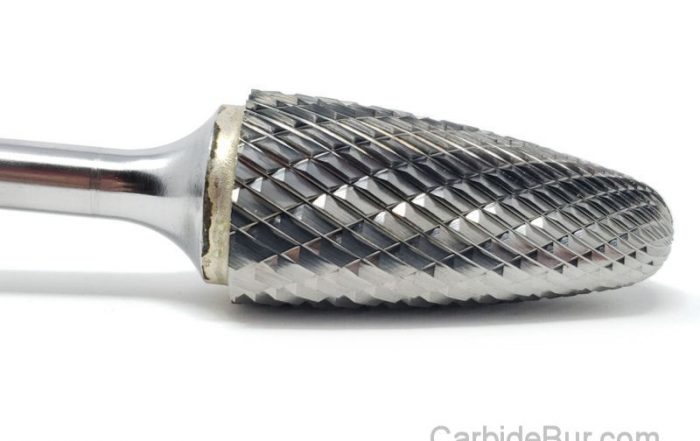
How to Grind a Slot in Metal With a Carbide Burr
How to Grind a Slot in Metal With a Carbide Burr Grinding a precise slot in metal can feel like a tricky task, especially if you’re unsure which tools to trust. Carbide burr grinding offers [...]

Best Carbide Burr for Inside Corners
Best Carbide Burr for Inside Corners Working in tight inside corners can turn even simple projects into frustrating tasks. Many carbide burrs just don’t fit or cut cleanly where you need them most. The best [...]
