
How To Avoid Common Mistakes When Using Carbide Burs For Engine Porting
Most engine enthusiasts encounter pitfalls when using carbide burs for porting, which can lead to suboptimal results or damage. By understanding the common mistakes and how to steer clear of them, you can enhance your techniques and achieve smoother, more efficient airflow. This guide will provide you with the insights you need to get the best out of your carbide burs while ensuring your engine porting projects are successful and satisfying.
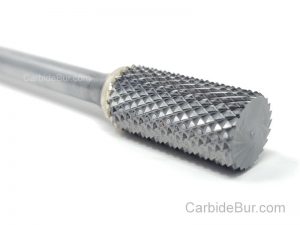
Find more carbide bur die grinder tool bits here
The Anatomy of Carbide Burs: What You Need to Know
Key Features and Components
Understanding the anatomy of carbide burs is vital to selecting the right tool for your porting needs. Key features include the head shape, cutting edge design, and the shank type. Each component plays a crucial role in how effectively the bur will cut through materials.
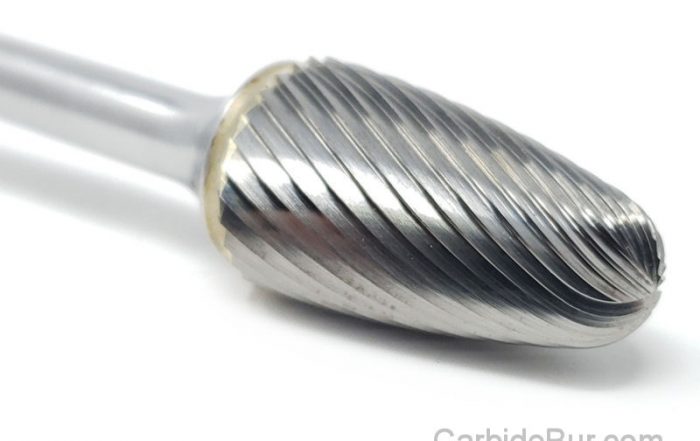
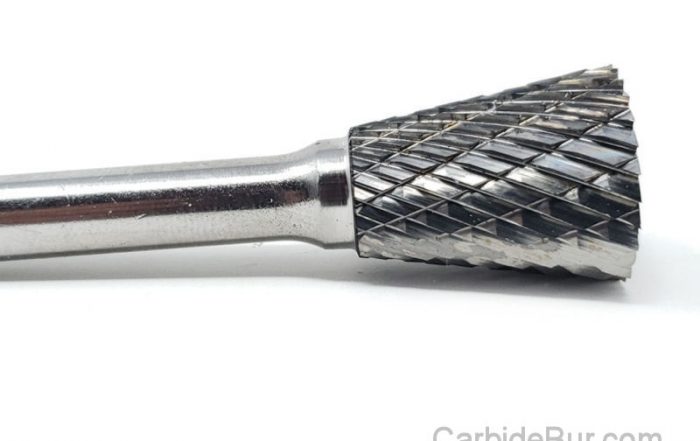
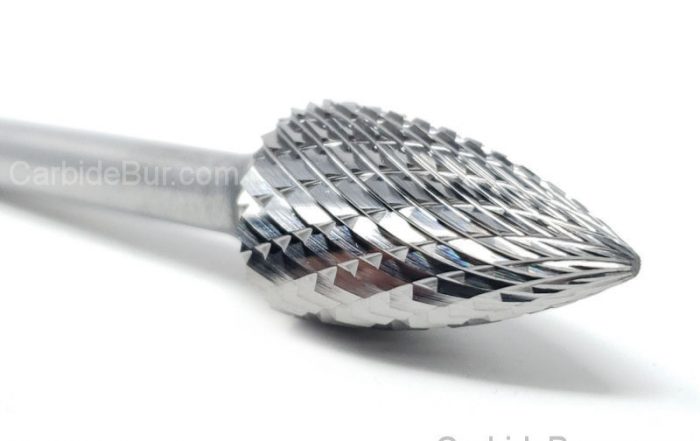
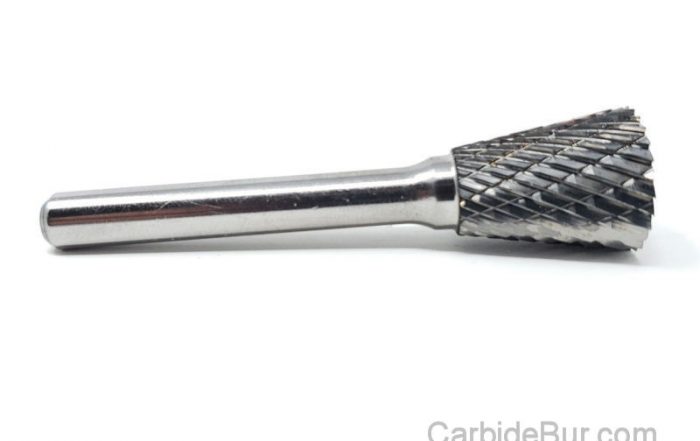
- Head Shape: Available in various shapes such as ball, pear, or cylindrical, each designed for specific applications.
- Cutting Edge: The geometry of the cutting edges influences the aggressiveness and finish quality of the cut.
- Coating: Carbide burs may have coatings that enhance durability and cutting efficiency, such as titanium nitride.
- Shank Size: Standardized shank sizes ensure compatibility with various rotary tools.
- Flute Count: More flutes can provide a smoother finish, while fewer flutes are typically used for aggressive material removal.
Any user must familiarize themselves with these features to make informed decisions on which burs are needed for specific tasks.
Types of Carbide Burs and Their Specific Uses
Variety is another hallmark of carbide burs. Each type is engineered for specific applications, making them indispensable in engine porting. For instance, ball burs are ideal for removing material in curved areas, while flame-shaped burs are better for cleanup and finishing operations.
- Ball Bur: Perfect for creating concave surfaces or cleaning up edges.
- Flame Bur: Excellent for contouring and smoothing surfaces.
- Cylinder Bur: Commonly used for general material removal in flat areas.
- Tree Bur: Good for chamfering and providing intricate details.
- Needle Bur: Perfect for precise work in tight spaces or detail finishing.
The selection of the right burr can significantly affect the overall quality of your porting work. Tools like flame and tree burs allow for detailed shaping, while the more aggressive cutting action of cylinder and needle burs speeds up material removal in preparation for more refined work.
| Bur Type | Best Use |
| Ball Bur | Creating concave surfaces |
| Flame Bur | Contour and smooth surfaces |
| Cylinder Bur | General material removal |
| Tree Bur | In-depth fitting and detailing |
| Needle Bur | Precision work in tight spots |
The performance you achieve will largely depend on choosing the right bur for the specific task at hand. Knowing the advantages and applications of each type allows you to tailor your approach and gain efficiency in your engine porting process.
| Bur Type | Typical Application |
| Ball Bur | Curved material removal |
| Flame Bur | Smoothing sharp edges |
| Cylinder Bur | Creating flat surfaces |
| Tree Bur | Difficult geometric shaping |
| Needle Bur | Finishing in isolated areas |
The details of different types emphasize the necessity of matching your tool to the tasks you are facing. Adopting this understanding into your workflow can result in both improved performance and quality in your automotive projects.
Find more carbide bur die grinder tool bits here
Precision Matters: Choosing the Right Bur for Engine Porting
Factors Influencing Bur Selection
Selecting the appropriate bur for engine porting hinges on several factors. The material you are working with plays a significant role in your choice, as different engine materials, such as aluminum or iron, require specific cutting characteristics. Additionally, the desired finish and level of detail dictate the type of bur to use. For example, finer finishing tasks may call for a finer grit bur, while more significant material removal might require a coarse bur. Always assess the specific needs of the port you’re working on before committing to a bur.
- Material type: Understand whether you’re working with aluminum, cast iron, or another material.
- Port design: Know your engine’s particular port layout and requirements.
- Finish quality: Determine whether you need a rough cut or a smooth finish.
- Durability: Consider the lifespan of the bur based on your expected workload.
Any oversight in these areas can lead to poor outcomes, so ensure you’ve evaluated these influencing factors thoroughly prior to selecting your bur.
The Role of Diameter and Grit in Performance
Diameter and grit are two imperative aspects that influence the overall performance of carbide burs in engine porting. The diameter affects the burs’ ability to reach tight spaces or create specific shapes in the ports. Generally, larger diameter burs are suitable for larger areas where material needs to be removed quickly. Conversely, smaller diameters excel in tight spots and intricate designs. Grit, on the other hand, determines how aggressively the bur will cut and the surface finish produced; coarse grit burs remove material quickly but may leave a rougher finish, while finer grits will create a smoother, more refined surface.
In engine porting, achieving the right balance between diameter and grit is vital. For instance, using a wider bur with coarse grit can be ideal for an initial roughing pass, removing significant material. However, transitioning to a narrower bur with finer grit can help refine the shape and enhance the finish on critical areas. This method allows for improved airflow and performance, which is ultimately the goal of porting. Tailoring your bur selection to the specific requirements of the port will pay off in both efficiency and results.
Common Pitfalls: Mistakes that Compromise Porting Quality
Over-Aggressive Use of Burs
Many engine builders fall into the trap of applying excessive pressure when using carbide burs, believing that more force will yield faster results. This approach often leads to unintended consequences, such as removing too much material too quickly or creating uneven surfaces that impede airflow. Instead of aggressive cutting, a steady hand and mindful control go a long way. For instance, keep your burs moving continuously and avoid staying in one spot for too long to prevent heat buildup that can alter the metal’s properties.
Excessive speed is another factor that contributes to this pitfall. Using burs at high RPMs might seem like a shortcut, but it frequently results in reduced precision and increased tool wear. A balanced approach that combines moderate pressure with optimal speed will preserve the integrity of both the burs and the workpiece, improving overall porting quality.
Ignoring Tool Condition and Maintenance
Tool condition plays a significant role in the effectiveness of your porting process. Many overlook the impact that worn or damaged burs can have on their results. A carbide bur that shows signs of wear, such as chipped edges or a dull cutting surface, will hinder your ability to achieve the desired finish and can inadvertently cause damage to the engine. Regularly inspect your burs for wear and replace them as needed to maintain cutting efficiency. Additionally, keeping your work area clean from debris and shavings will ensure the longevity of both your tools and your workpiece.
Routine maintenance of your carbide burs should also involve proper cleaning after each use. Residues from the material being worked can embed in the cutting edges and affect performance. A quick wash with a suitable solvent or a dip in ultrasonic cleaner helps preserve their original cutting abilities. By taking these simple steps, you ensure that your burs will consistently provide the precise results needed for successful engine porting.
Mastering Techniques: Best Practices for Successful Porting
Proper Hand Techniques and Control
Maintaining proper hand techniques while using carbide burs can significantly influence the outcome of your porting job. Grip your tool firmly but without excessive force—this will help you maintain better control and minimize the risk of damaging the workpiece. Position your hands such that your wrists are straight and relaxed, allowing for smooth, fluid movements. Imagine guiding the bur rather than forcing it; you’ll find this method easier on your body and more effective for precise material removal. Utilizing small, circular motions or linear passes ensures that you’re consistently working the bur across the surface evenly, leading to a more uniform finish.
Positioning your body for optimal control is equally important. Leaning slightly into the workpiece, with your elbows supported, gives you the stability needed for accurate movements. Practice these techniques on scrap materials to develop a feel for the movements. It’s also beneficial to keep your non-dominant hand close to the working end to steady the tool’s motion; act as a counterbalance, allowing for greater finesse as you navigate contours or tight spaces.
Speed and Feed Rates: Finding the Sweet Spot
Speed and feed rates play a vital role in how effectively you can port an engine. Start by identifying the optimal RPM for your specific carbide bur and workpiece material; too high and you risk overheating, too low and you won’t be efficient. A general rule of thumb is to begin at the lower end of the recommended RPM range and gradually increase while evaluating the results. Pay attention to how the bur interacts with the material—smooth cutting action indicates you’re in the right zone. If you encounter excessive vibration or chattering, slow the speed down; alternatively, speeding up too much can lead to faster wear on your bur and poor quality cuts.
Additionally, adjusting the feed rate is equally vital for getting the right balance between efficiency and finish quality. For most situations, a consistent, moderate feed can yield the best results. Experimenting with different combinations of speed and feed helps you find your ‘sweet spot’—that intersection of material removal rate and surface finish that suits your specific porting requirements perfectly.
Fine-tuning your speed and feed rates often leads to diminishing returns if not approached carefully. Consider the type of aluminum alloys or cast iron being worked on; softer materials may require higher feed rates for efficiency, while harder types necessitate slower speeds to prolong the life of your carbide bur. Moreover, changing the size or shape of the carbide bur can also influence the ideal parameters, making it vital to adapt your settings to each unique project.
Learning from Experience: Real-World Insight from Experts
The Importance of Trial and Error
Trial and error plays a pivotal role in mastering engine porting with carbide burs. Each engine has unique characteristics, so what works for one setup may not be effective for another. Engaging in experimental techniques allows you to discover the best approaches to achieve the desired airflow and performance. For instance, a porting expert once shared how adjusting the burr angle during a test cut significantly improved high-end performance on an oft-ignored head design. By examining the results, you can fine-tune your techniques, ensuring that mistakes not only become learning opportunities but also steps toward excellence.
Community Resources and Tutorials for Improvement
Networking with fellow enthusiasts can enhance your skills and broaden your understanding of engine porting. Many forums and social media groups are dedicated to this niche, where you can share experiences, ask questions, and gain insights from seasoned experts. Resources like Youtube channels and dedicated blog posts often feature in-depth tutorials that walk you through various techniques, common mistakes, and advanced methods. They serve as valuable platforms for learning, allowing you to absorb knowledge that could take years to gather individually.
In addition to forums and videos, many experienced engine builders have published guides complete with pictures and 3D models, helping you visualize critical aspects of the process. Online workshops and webinars frequently provide interactive formats that allow you to ask questions in real-time while gaining valuable hands-on tips. With a plethora of community-driven resources at your fingertips, you can accelerate your learning curve, ensuring you avoid common pitfalls while honing your craft.
To wrap up
Drawing together the key points on avoiding common mistakes when using carbide burs for engine porting, it’s vital that you prioritize proper technique and tool selection. Always ensure that you’re using the right type of burs for your specific application and that they are sharp and well-maintained. This proactive approach will not only enhance your efficiency but also improve the overall quality of your porting work. As you gain experience, you’ll develop a better understanding of how to apply the appropriate pressure and speed, which plays a significant role in achieving your desired results.
Additionally, take the time to practice on scrap material before tackling any critical components. This will allow you to refine your skills and familiarize yourself with the tools without the risk of damaging valuable parts. You should also be mindful of maintaining a clean workspace and regularly checking for tool wear and tear. By integrating these practices into your workflow, you can significantly reduce errors and enhance your proficiency in engine porting with carbide burs, ultimately leading to more successful outcomes in your projects.
Find more carbide bur die grinder tool bits here

Can You Use a Carbide Burr With an Electric Die Grinder?
Can You Use a Carbide Burr With an Electric Die Grinder? Most people don’t realize how much a carbide burr can change the way an electric die grinder works. Using the right burr type can [...]
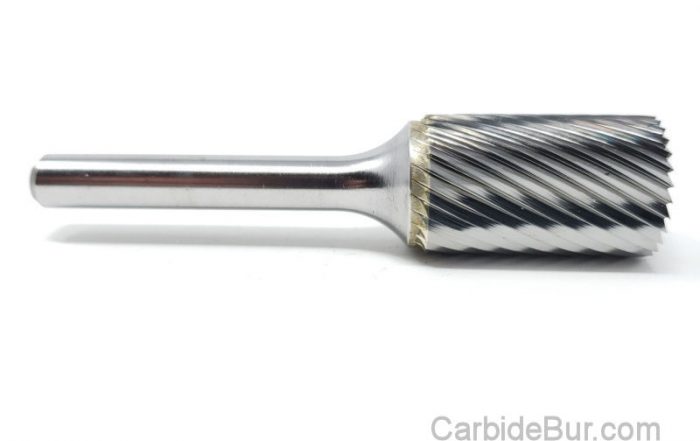
How to Deburr Holes With a Carbide Burr
How to Deburr Holes With a Carbide Burr Most people think any tool will do for deburring holes. The truth is, using the right carbide burr with the correct size and shape changes everything. In [...]
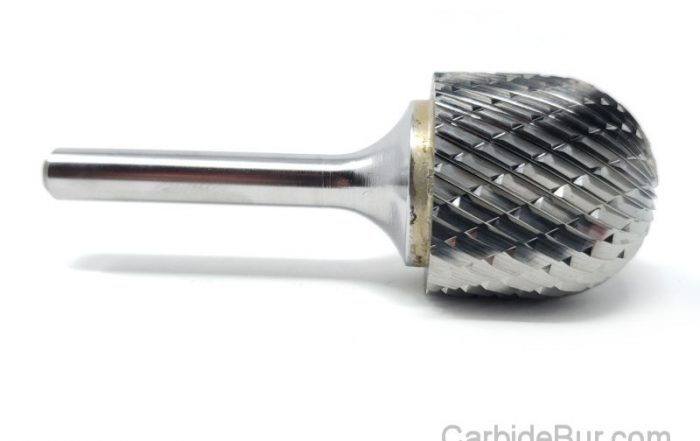
How to Choose the Correct Carbide Burr Shank Size
How to Choose the Correct Carbide Burr Shank Size Many machinists lose hours troubleshooting tool issues caused by the wrong carbide burr shank size. Using a shank that doesn’t fit your grinder can lead to [...]
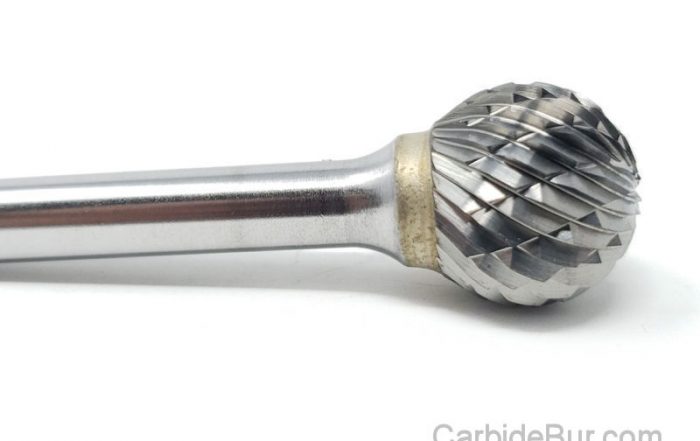
How to Remove Casting Flash With a Carbide Burr
How to Remove Casting Flash With a Carbide Burr Casting flash ruins the look and fit of your metal parts. You’ve tried sanding or grinding, but the results aren’t clean or fast enough. Learning how [...]
Best Carbide Burr for Enlarging a Hole in Metal
Best Carbide Burr for Enlarging a Hole in Metal When you need to enlarge a hole in metal, grabbing the wrong carbide burr can turn a simple task into a frustrating mess. Picking the best [...]
Carbide Burr Safety: 15 Mistakes That Can Cause Injury or Damage
Carbide Burr Safety: 15 Mistakes That Can Cause Injury or Damage Carbide burr safety is often overlooked until a costly mistake happens. Many metalworkers and DIYers make the same errors that lead to injuries or [...]
Can You Use a Carbide Burr in a Drill?
Can You Use a Carbide Burr in a Drill? Most people think a standard drill can’t handle a carbide burr, but that’s not true. Using carbide burr in the right drill can speed up your [...]
Carbide Burrs for Removing Rust: What Works Best?
Carbide Burrs for Removing Rust: What Works Best? Rust can turn your favorite tools into useless junk faster than you expect. Removing it without ruining the metal underneath takes more than just elbow grease—it demands [...]
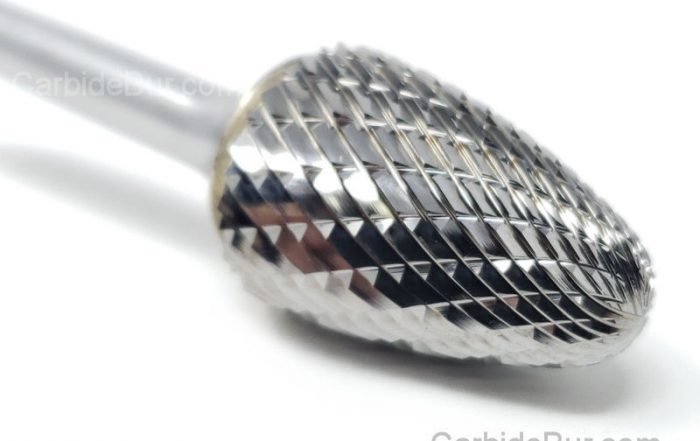
How Much Pressure Should You Use With a Carbide Burr?
How Much Pressure Should You Use With a Carbide Burr? Most people think pressing harder with a carbide burr speeds up the job. That’s not true—too much pressure wears out your tool and ruins the [...]
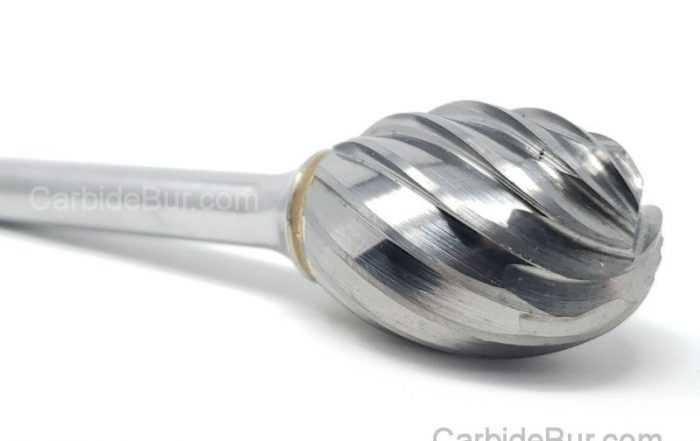
Can You Use Carbide Burrs With an Air Die Grinder?
Can You Use Carbide Burrs With an Air Die Grinder? Most people don’t realize how well carbide burrs work with air die grinders until they try them. If you’ve ever struggled with finding the right [...]
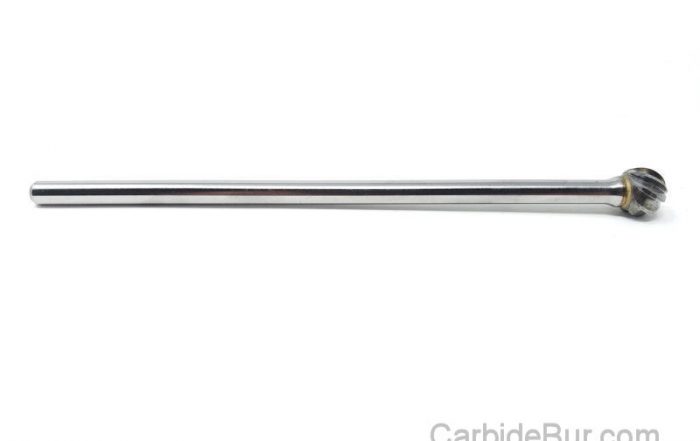
Best Long Reach Carbide Burr for Deep Metal Work
Best Long Reach Carbide Burr for Deep Metal Work Long reach carbide burrs often promise deep metal access, but many fall short where it counts most. You need a tool that cuts cleanly, lasts through [...]
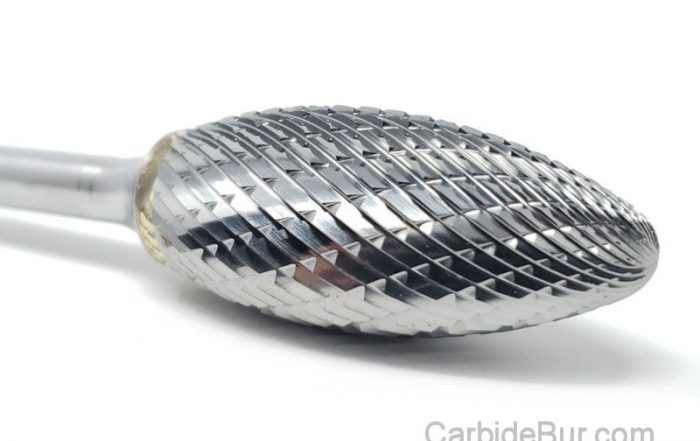
What RPM Should You Use for a 1/8 Inch Carbide Burr?
What RPM Should You Use for a 1/8 Inch Carbide Burr? Most people guess the right carbide burr RPM by feel—and waste hours redoing work. If you want cleaner cuts and longer tool life, your [...]
