
The Expert’s Guide to Chamfering and Edge Breaking with Carbide Burrs
Most metal shaping tools only scratch the surface. If your edges still feel rough or your welds aren’t smooth, you’re missing a key step. Carbide burrs can change how you handle chamfering, polishing welds, and even cylinder head porting. Keep reading to learn 10 practical ways to shape metal like a pro. For more details, check out this ultimate guide.
Find more information at CarbideBur.com
Mastering Chamfering and Edge Breaking
Ready to make your metal edges smooth and precise? Carbide burrs are your new best friend. They help you achieve a perfect finish by removing sharp edges and prepping surfaces for welding and paint. Let’s explore how these tools can redefine your approach to metalworking.
Creative Uses of Carbide Burrs
Carbide burrs are more than just a tool; they’re a game-changer in your toolbox. Start by using them to create intricate designs on metal surfaces. Imagine adding unique patterns to your projects that stand out. You can also use these burrs to smooth edges that other tools can’t reach, giving your work a professional touch.
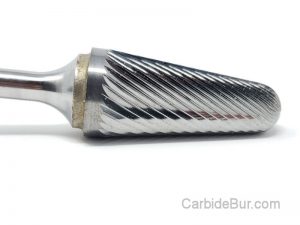
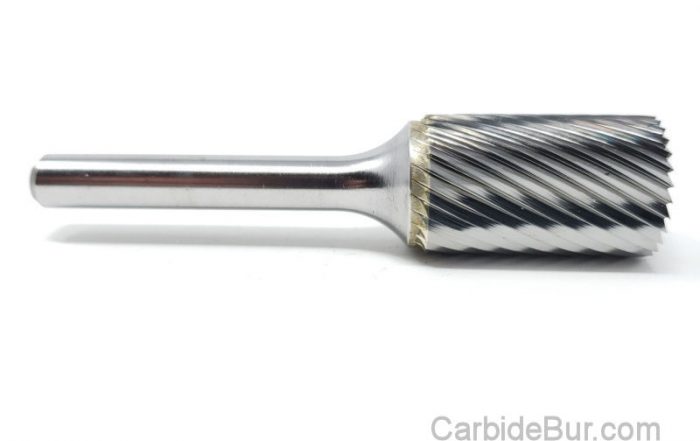
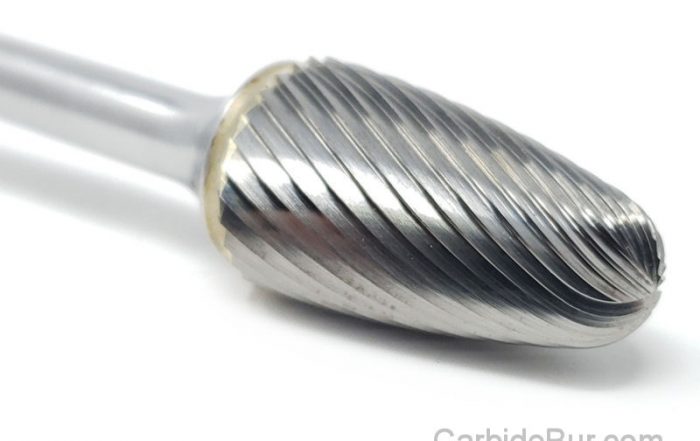
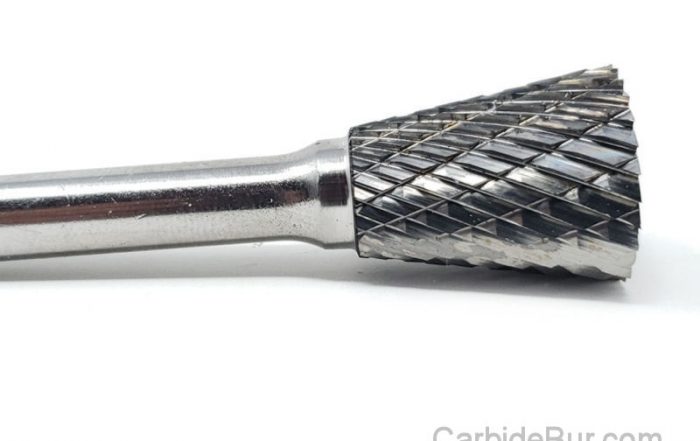
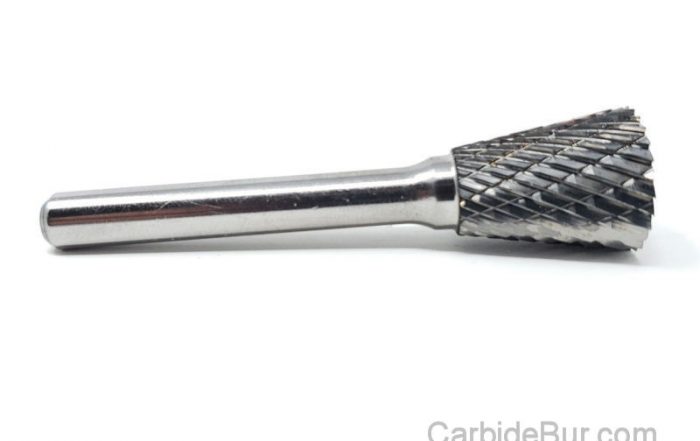
Next, try using different shapes of burrs for various tasks. For instance, a cone-shaped burr is perfect for reaching tight corners, while a cylindrical one is great for flat surfaces. Experimentation will reveal even more uses for these versatile tools. Curious about the types and sizes available? Check out this resource.
Essential Edge Breaking Techniques
Breaking edges with precision isn’t just about looks; it’s crucial for safety too. The first step is to choose the right burr for your project. For smoother edges, a double-cut burr can be your go-to. It allows for finer control and leaves a cleaner finish.
Always maintain a steady hand while working, and remember to use gentle pressure. Allow the burr to do the work, guiding it along the edge in a consistent motion. This technique not only protects you from sharp edges but also prepares the metal for further processes like painting or welding.
Common Challenges and Solutions
Working with metal isn’t without its challenges. You might find that burrs wear down quickly or produce too much heat. Fear not! A simple solution is to use cutting fluid to reduce friction and extend tool life. It also helps in keeping the metal cool, preventing any warping.
Another common issue is clogging. When your burrs get clogged, they lose efficiency. Clean them regularly with a wire brush to maintain their cutting ability. If you’re curious about more tips, Burrs for Less offers a variety of solutions.
Enhancing Welds and Seams
Now that your edges are perfect, it’s time to focus on welds and seams. Carbide burrs can refine these areas, making your welds look seamless and professional. The following techniques will elevate your metalworking to the next level.
Polishing Welds for a Flawless Finish
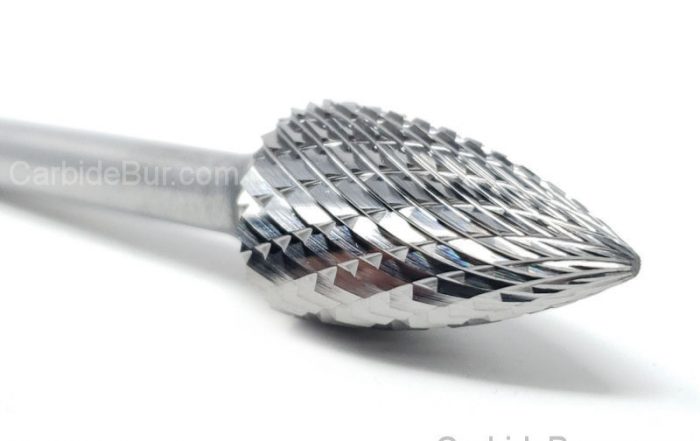
When it comes to welding, the finishing touches are just as important as the weld itself. Carbide burrs help you achieve a polished, smooth surface. Start by selecting a burr that’s suited for metal polishing. A flame-shaped burr can be particularly effective for this task.
Work in a steady, circular motion to blend the weld with the surrounding metal. This not only improves the appearance but also enhances the structural integrity of the weld. Remember, a smooth weld is less prone to corrosion and adds to the overall strength of the piece.
Techniques for Welding Seam Finishing
Finishing welding seams requires patience and precision. Begin by removing any excess material from the seam with a coarse burr. Once the bulk of the material is gone, switch to a finer burr to smooth out the surface.
Ensure that you’re working in a well-lit area to spot any imperfections. This attention to detail will ensure that your seams are not only strong but also visually appealing.
DIY Metalworking Tips for Professionals
If you’re a professional, you’re likely always seeking ways to improve your craft. Consider investing in a variety of burr shapes and sizes to expand your capabilities. Regularly sharpen your tools to keep them in top condition.
Additionally, make it a habit to experiment with different techniques. The more you learn, the more versatile you’ll become in your work.
Perfecting Holes and Cylinder Heads
The final step in mastering metalworking with carbide burrs is perfecting holes and cylinder heads. These tasks require precision and care, and with the right techniques, you’ll achieve professional results every time.
Enlarging Holes with Precision
Enlarging holes can be tricky, but with the right approach, it’s straightforward. Use a tapered burr to gently expand the hole to your desired size. This method allows for greater control and reduces the risk of overcutting.
Measure twice and cut once, ensuring that each pass is slow and steady. This careful approach prevents any damage to the surrounding material and ensures that the hole is perfectly sized.
Finishing Holes Like a Pro
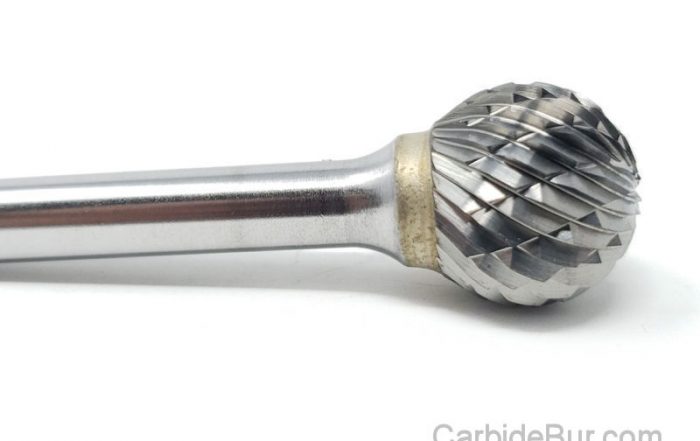
Finishing holes requires attention to detail. After enlarging, switch to a ball-shaped burr to deburr and smooth the hole edges. This step is essential for ensuring that bolts or other components fit snugly without any obstruction.
Make sure to inspect the hole under good lighting to catch any remaining burrs. A polished finish not only looks professional but also ensures functionality.
Effective Cylinder Head Porting Tips
Cylinder head porting can significantly improve engine performance. The aim is to increase airflow, and carbide burrs are perfect for this task. Start by using a long, narrow burr to reach into the ports and remove any casting flaws.
Take your time and work methodically to ensure each port is smooth and evenly shaped. Regular inspections will help you achieve the best results, ensuring your engine runs efficiently. For more insights into porting, visit this guide.
In summary, carbide burrs are invaluable tools for anyone serious about metalworking. From chamfering to polishing welds and enlarging holes, these burrs provide precision and control. By mastering these techniques, your projects will not only meet but exceed industry standards. Keep experimenting and pushing your skills to new heights.
Find more information at CarbideBur.com

Can You Use a Carbide Burr With an Electric Die Grinder?
Can You Use a Carbide Burr With an Electric Die Grinder? Most people don’t realize how much a carbide burr can change the way an electric die grinder works. Using the right burr type can [...]
How to Deburr Holes With a Carbide Burr
How to Deburr Holes With a Carbide Burr Most people think any tool will do for deburring holes. The truth is, using the right carbide burr with the correct size and shape changes everything. In [...]
How to Choose the Correct Carbide Burr Shank Size
How to Choose the Correct Carbide Burr Shank Size Many machinists lose hours troubleshooting tool issues caused by the wrong carbide burr shank size. Using a shank that doesn’t fit your grinder can lead to [...]
How to Remove Casting Flash With a Carbide Burr
How to Remove Casting Flash With a Carbide Burr Casting flash ruins the look and fit of your metal parts. You’ve tried sanding or grinding, but the results aren’t clean or fast enough. Learning how [...]
Best Carbide Burr for Enlarging a Hole in Metal
Best Carbide Burr for Enlarging a Hole in Metal When you need to enlarge a hole in metal, grabbing the wrong carbide burr can turn a simple task into a frustrating mess. Picking the best [...]
Carbide Burr Safety: 15 Mistakes That Can Cause Injury or Damage
Carbide Burr Safety: 15 Mistakes That Can Cause Injury or Damage Carbide burr safety is often overlooked until a costly mistake happens. Many metalworkers and DIYers make the same errors that lead to injuries or [...]
Can You Use a Carbide Burr in a Drill?
Can You Use a Carbide Burr in a Drill? Most people think a standard drill can’t handle a carbide burr, but that’s not true. Using carbide burr in the right drill can speed up your [...]
Carbide Burrs for Removing Rust: What Works Best?
Carbide Burrs for Removing Rust: What Works Best? Rust can turn your favorite tools into useless junk faster than you expect. Removing it without ruining the metal underneath takes more than just elbow grease—it demands [...]
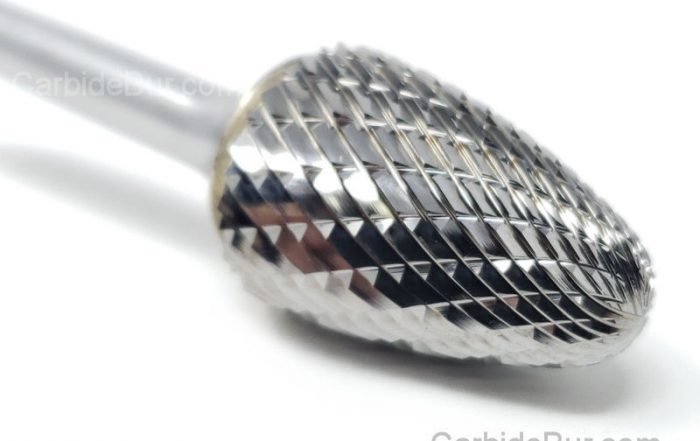
How Much Pressure Should You Use With a Carbide Burr?
How Much Pressure Should You Use With a Carbide Burr? Most people think pressing harder with a carbide burr speeds up the job. That’s not true—too much pressure wears out your tool and ruins the [...]
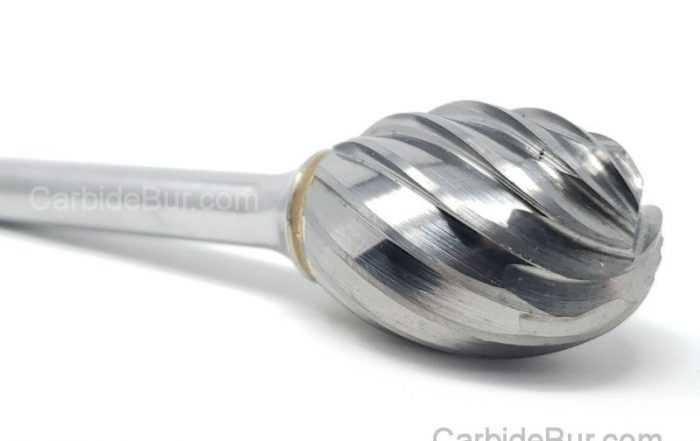
Can You Use Carbide Burrs With an Air Die Grinder?
Can You Use Carbide Burrs With an Air Die Grinder? Most people don’t realize how well carbide burrs work with air die grinders until they try them. If you’ve ever struggled with finding the right [...]
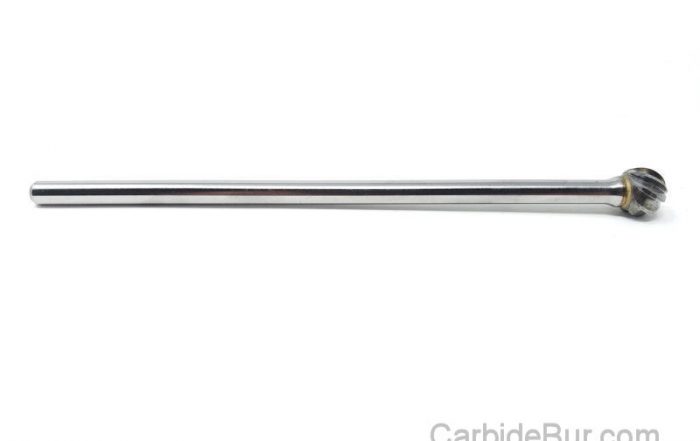
Best Long Reach Carbide Burr for Deep Metal Work
Best Long Reach Carbide Burr for Deep Metal Work Long reach carbide burrs often promise deep metal access, but many fall short where it counts most. You need a tool that cuts cleanly, lasts through [...]
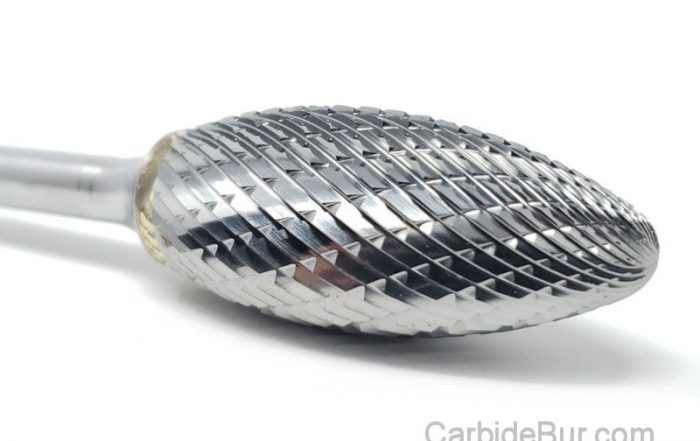
What RPM Should You Use for a 1/8 Inch Carbide Burr?
What RPM Should You Use for a 1/8 Inch Carbide Burr? Most people guess the right carbide burr RPM by feel—and waste hours redoing work. If you want cleaner cuts and longer tool life, your [...]
