
Top 5 Carbide Burr Mistakes Beginners Make and How to Avoid Them
Most beginners make the same costly carbide burr mistakes without even realizing it. If you’ve struggled with rough finishes or broken bits, you’re not alone. This guide breaks down the common errors using carbide burrs and shows you simple ways to avoid them. Keep reading to get tips for carbide burrs that will save your time and frustration. Learn more here.
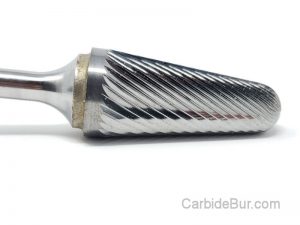
Find more information at CarbideBur.com
Common Carbide Burr Mistakes
Let’s dive into some common missteps that may cost you both time and money. The good news? They’re easier to fix than you might think.
Incorrect Speeds and Feeds
Running carbide burrs at the wrong speed can ruin your project. Many beginners rush, thinking speed equals efficiency. Not true. For precision, match the burr speed to your material.
Start slow and adjust as needed. Too fast, and you risk damaging the burr or your workpiece. Too slow, and you waste time. Did you know? A common error is using one speed for all materials. For example, use a slower speed for harder metals and a faster one for wood. This simple tip can save your burrs and improve your results.
Check your drill or rotary tool’s manual for speed settings. Many tools come with helpful guides. If yours doesn’t, this practical guide offers detailed advice.
Using Wrong Burr Shape
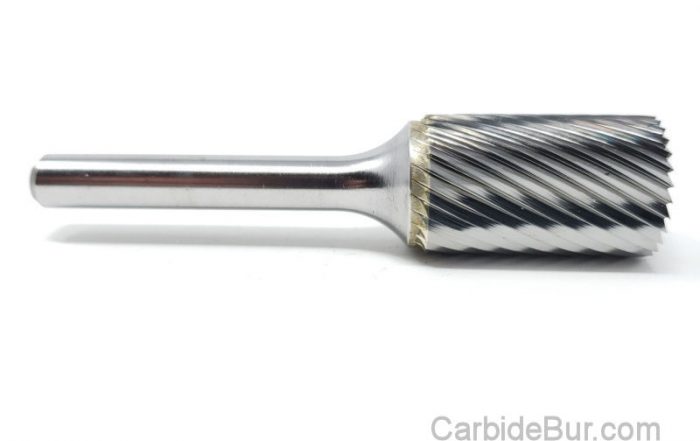
Selecting the right burr shape is critical. Most people think any shape will do, but that’s a costly mistake. Each shape has a purpose. For example, a cylinder burr is perfect for flat surfaces, while a round burr excels at hollowing.
Take some time to understand your project needs. Matching the shape to the task can make your work easier and more enjoyable. Here’s the key insight: Switching shapes halfway through a job is not only inefficient, it can cause damage. Stick with the right shape from the start to avoid this pitfall.
Explore different burr shapes to expand your skill set. This link has more on how to choose the right burr shape for your project.
Tips for Carbide Burrs
Now that you know the common mistakes, let’s look at some tips to improve your burr usage. These practices will help you get the most out of your tools.
Ideal Maintenance Practices
Regular maintenance is key to prolonging the life of your burrs. Most people overlook this step, but it makes a huge difference.
Keep your burrs clean. After each use, wipe them down to remove debris. A small brush can help with hard-to-reach areas. Pro Tip: Store them in a dry place to prevent rust and damage. Even a small amount of moisture can ruin a burr over time.
Consider investing in a quality storage case. It protects your tools and keeps them organized. This small step saves you from hunting for a specific burr when you need it most.
Choosing the Right Tool
Using the correct tool can dramatically improve your results. With so many options, it’s easy to feel overwhelmed. But choosing wisely is simpler than it sounds.
Identify the material you’re working with. Some tools are better for metals, while others excel with wood or plastics. Here’s a quick tip: Don’t just go by price. A more expensive tool isn’t always better for your needs.
For more guidance on selecting the right tool, check out this educational guide. It’s packed with insights that can help you make an informed decision.
Avoid Carbide Burr Mistakes
Armed with these tips and tricks, you’re well on your way to becoming proficient with carbide burrs. Let’s wrap up with some final thoughts on safety and handling.
Ensure Proper Safety Measures
Safety should be your top priority. It’s easy to skip this step when you’re eager to start a project, but it’s crucial.
Wear protective gear, like goggles and gloves, to shield yourself from debris and sharp edges. Did you know? Even a small burr can cause serious injury if mishandled. Make sure your work area is clean and well-lit to avoid accidents.
For more on safety practices, visit this resource.
Effective Handling Techniques
Handling your burrs correctly can prevent most common errors. Many beginners grip the tool too tightly, leading to mistakes. Relax your grip for better control.
Use a steady, gentle motion when guiding the burr. Fast, jerky movements increase the risk of slips and damage. Remember: Practice makes perfect. The more you work with burrs, the more comfortable you’ll become.
Revisit these techniques often, especially when starting a new project. The longer you wait to correct mistakes, the harder they are to fix. With practice, you’ll find that using carbide burrs becomes second nature.
Find more information at CarbideBur.com

Can You Use a Carbide Burr With an Electric Die Grinder?
Can You Use a Carbide Burr With an Electric Die Grinder? Most people don’t realize how much a carbide burr can change the way an electric die grinder works. Using the right burr type can [...]
How to Deburr Holes With a Carbide Burr
How to Deburr Holes With a Carbide Burr Most people think any tool will do for deburring holes. The truth is, using the right carbide burr with the correct size and shape changes everything. In [...]
How to Choose the Correct Carbide Burr Shank Size
How to Choose the Correct Carbide Burr Shank Size Many machinists lose hours troubleshooting tool issues caused by the wrong carbide burr shank size. Using a shank that doesn’t fit your grinder can lead to [...]
How to Remove Casting Flash With a Carbide Burr
How to Remove Casting Flash With a Carbide Burr Casting flash ruins the look and fit of your metal parts. You’ve tried sanding or grinding, but the results aren’t clean or fast enough. Learning how [...]
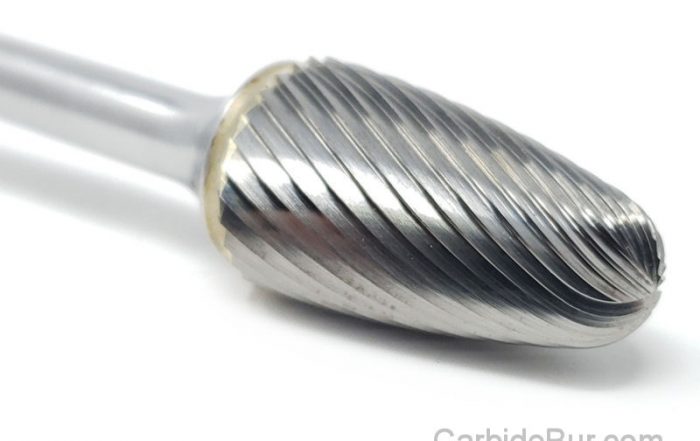
Best Carbide Burr for Enlarging a Hole in Metal
Best Carbide Burr for Enlarging a Hole in Metal When you need to enlarge a hole in metal, grabbing the wrong carbide burr can turn a simple task into a frustrating mess. Picking the best [...]
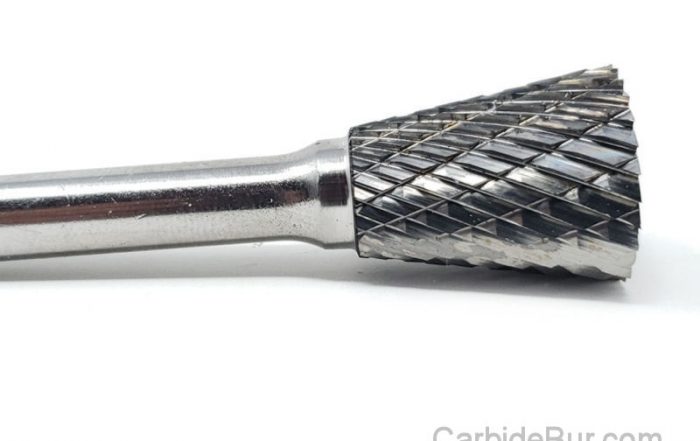
Carbide Burr Safety: 15 Mistakes That Can Cause Injury or Damage
Carbide Burr Safety: 15 Mistakes That Can Cause Injury or Damage Carbide burr safety is often overlooked until a costly mistake happens. Many metalworkers and DIYers make the same errors that lead to injuries or [...]
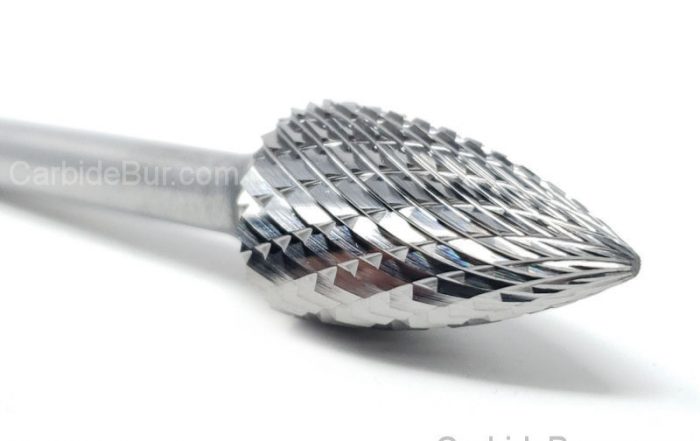
Can You Use a Carbide Burr in a Drill?
Can You Use a Carbide Burr in a Drill? Most people think a standard drill can’t handle a carbide burr, but that’s not true. Using carbide burr in the right drill can speed up your [...]
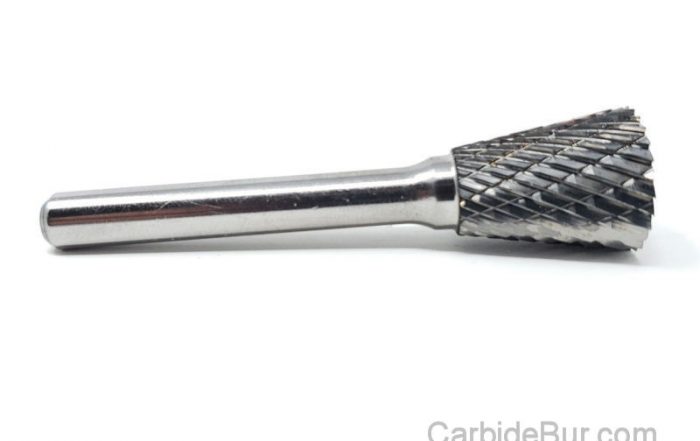
Carbide Burrs for Removing Rust: What Works Best?
Carbide Burrs for Removing Rust: What Works Best? Rust can turn your favorite tools into useless junk faster than you expect. Removing it without ruining the metal underneath takes more than just elbow grease—it demands [...]
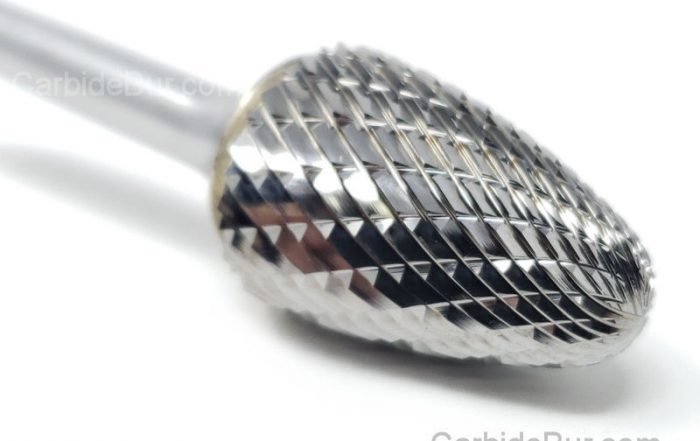
How Much Pressure Should You Use With a Carbide Burr?
How Much Pressure Should You Use With a Carbide Burr? Most people think pressing harder with a carbide burr speeds up the job. That’s not true—too much pressure wears out your tool and ruins the [...]
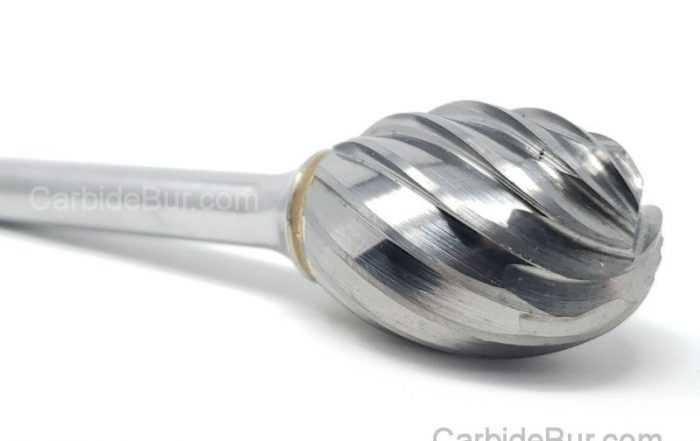
Can You Use Carbide Burrs With an Air Die Grinder?
Can You Use Carbide Burrs With an Air Die Grinder? Most people don’t realize how well carbide burrs work with air die grinders until they try them. If you’ve ever struggled with finding the right [...]
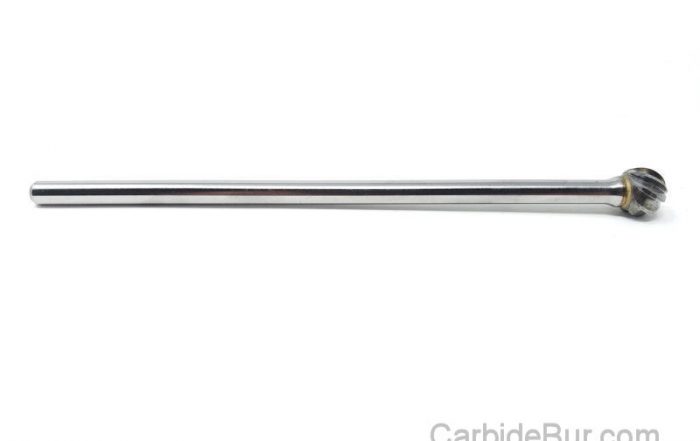
Best Long Reach Carbide Burr for Deep Metal Work
Best Long Reach Carbide Burr for Deep Metal Work Long reach carbide burrs often promise deep metal access, but many fall short where it counts most. You need a tool that cuts cleanly, lasts through [...]
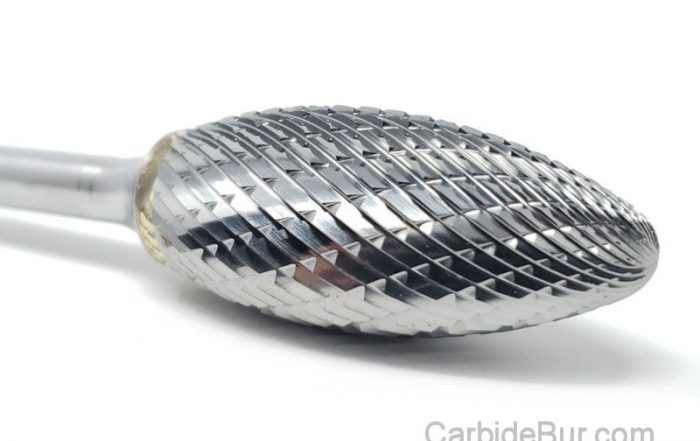
What RPM Should You Use for a 1/8 Inch Carbide Burr?
What RPM Should You Use for a 1/8 Inch Carbide Burr? Most people guess the right carbide burr RPM by feel—and waste hours redoing work. If you want cleaner cuts and longer tool life, your [...]
