
How To Utilize Carbide Burs For Precision Shaping In Welding Projects
Many welders overlook the value of carbide burs for achieving precision shaping in their projects. These versatile tools can dramatically enhance your welding process by allowing you to refine welds, prepare surfaces, and ensure a smooth finish. By understanding how to select and utilize carbide burs effectively, you can elevate the quality of your work and achieve the exact results you desire. In this guide, we’ll walk you through the imperative steps to incorporate carbide burs into your welding toolkit.
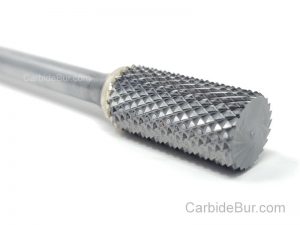
Find more carbide bur die grinder tool bits here
Choosing the Right Carbide Burs for Your Welding Needs
Selecting the right carbide burs for welding projects entails understanding the specific requirements of your tasks. Factors like the metal type, the desired finish, and the complexity of the shapes to be created will influence your choice. Ensuring compatibility with your tools and processes will enhance efficiency and precision, resulting in superior welding outcomes.
Identifying Different Shapes and Sizes
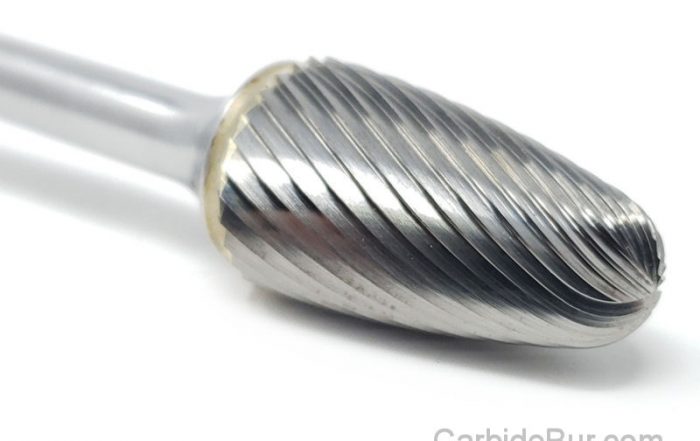
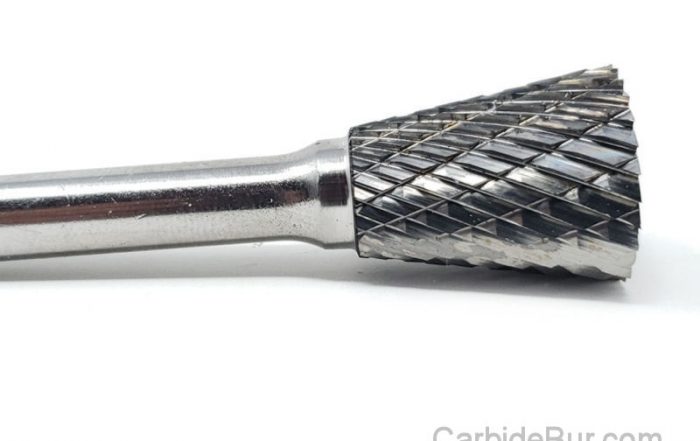
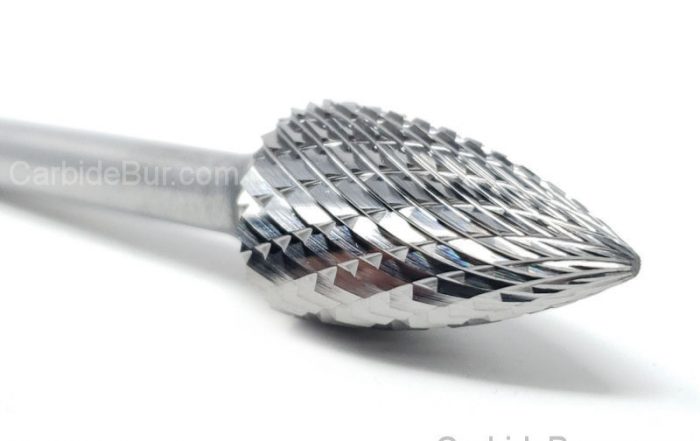
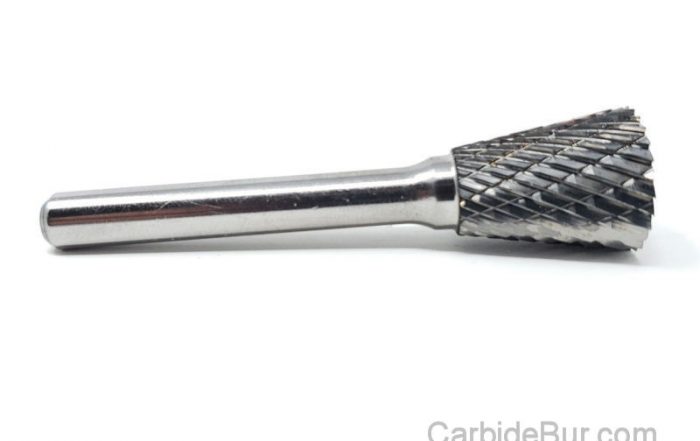
Carbide burs come in various shapes and sizes, each tailored for specific applications. Common profiles include ball, cylinder, cone, and flame shapes, which affect how effectively they remove material or create intricate designs. Assess the contours and depths you wish to achieve to determine the right shape and size for your unique welding projects.
Matching Burs to Material Types
Understanding the characteristics of different materials is vital for selecting the right carbide burs. Soft metals like aluminum require less aggressive burs, whereas harder materials such as stainless steel or titanium benefit from more robust options. By selecting burs compatible with the materials you’re working on, you reduce wear on both the burs and your tools.
| Material Type | Recommended Bur Type |
|---|---|
| Aluminum | Fine grit, spherical burs |
| Steel | Milled point, cylinder burs |
| Stainless Steel | Cylindrical, flame burs |
| Titanium | Coarse, conical burs |
| Cast Iron | Flat, square burs |
Matching the correct burs to material types ensures optimal performance and longer bur lifespan. For example, using finer burs for softer metals like aluminum results in smoother finishes, while coarser options for tougher materials will efficiently shape and remove excess material without excessive wear. Tailoring your bur selection also improves precision, allowing for complex designs without compromising structural integrity.
- Evaluate material hardness to select appropriate burs.
- Experiment with different shapes for diverse tasks.
- Always consider the complexity of your design.
- Choose burs that enhance creativity and precision.
- Thou should maintain regular checks on bur condition.
| Bur Shape | Best Use Cases |
|---|---|
| Ball | Creating holes and concave shapes |
| Cylinder | Basic smoothing and shaping |
| Cone | Tapered edges and weld preparation |
| Flame | Detailed engraving and sculpting |
| Square | Flat surfaces and corners |
Understanding the ideal shapes for your tasks deepens your skill set in welding projects. The ball shape excels at creating contours and recesses, while cylinder burs are fantastic for removing material efficiently. Conical burs are suited for shaping edges, and flame-shaped burs are perfect for detailing. Adjusting your approach based on the bur type will yield impressive results, allowing for versatility in each project.
- Explore various bur shapes to maximize flexibility.
- Prioritize frequent changes based on the welding challenge.
- Use shape combinations for advanced weld designs.
- Thou will achieve enhanced accuracy through proper utilization.
- Continual education on bur types is key for mastery.
Mastering Precision Control with Carbide Burs
Precision control is vital when working with carbide burs in welding projects. Your ability to shape and refine materials hinges on mastering the techniques that promote accuracy and stability. Understanding how to manipulate these burs will ensure fine details are implemented flawlessly, allowing for a professional finish in all your welding endeavors.
Find more carbide bur die grinder tool bits here
Grip Techniques for Stability and Accuracy
Utilize a firm grip on your tool, keeping your hand steady to enhance precision. Employing a supporting surface or brace can significantly minimize hand shake and improve your control. Consider using both hands when working on larger or more complex projects; this added stability allows for better maneuverability and accuracy as you shape the material.
Speed and Pressure: Finding the Optimal Balance
Finding the right speed and pressure is imperative for optimal performance when using carbide burs. Too much pressure can lead to excessive wear, while insufficient pressure may result in ineffective cutting. Experimentation is key; most professionals recommend starting with moderate speeds and gradually adjusting both speed and pressure until you achieve the desired results.
In practice, a good rule of thumb is to maintain a speed range between 15,000 to 25,000 RPM for most metalworking tasks. Apply consistent, light pressure to avoid overheating your carbide bur while achieving the desired material removal rate. Testing various speeds and adjusting your technique based on the feedback from the material will lead you to the sweet spot where efficiency and control align perfectly. Always remember to assess how the bur interacts with the material, as different types of metals will respond uniquely to your approach.
Essential Techniques for Effective Shaping
To maximize the effectiveness of carbide burs in your welding projects, understanding necessary techniques is key. The right approach can make all the difference in achieving the desired shapes and finishes. Through practice, you’ll develop a sense of how to manipulate the burs to carve out intricate designs while maintaining precision and quality. Utilizing informed techniques will help you leverage each bur’s unique features, enhancing your overall craftsmanship and efficiency on the job.
Path and Motion Strategies for Consistency
Establishing a clear path and motion when using carbide burs promotes consistency in your shaping process. Work slowly and deliberately along predetermined lines, ensuring you maintain a steady speed to avoid uneven results. Engaging in a fluid motion helps you blend contours seamlessly while minimizing the risk of damaging the workpiece. Consider visualizing your movements before execution to ensure accuracy and fluidity throughout your shaping task.
Layering Techniques to Achieve Depth and Detail
Layering techniques play a significant role in creating depth and detail in your welded pieces. By selectively removing material in layers, you can build intricate textures and designs that stand out. This approach allows you to control the final outcome, particularly when working with more detailed or nuanced sections of your project.
Utilizing layering techniques effectively involves starting with a base layer, then gradually refining the detail in successive passes. For example, you might take off only a fraction of a millimeter in initial layers, progressing to finer details as you establish the foundation. Each additional layer can enhance shadows, highlights, and textures, providing a three-dimensional appearance. Aim for approximately 10-20% material removal per pass to maintain control and avoid overshooting your design specifications. Ultimately, combining effective layering with precise control can transform a simple weld into an elaborate statement piece.
Troubleshooting Common Issues in Shaping
Identifying and addressing common issues during the shaping process can significantly enhance your results. Regularly inspecting your workpiece for signs of wear or defects allows you to implement corrective measures promptly. For instance, inconsistent shaping can stem from improper burs or inadequate speed settings. Adjusting these factors often resolves the problem and improves the quality of your welds.
Identifying and Resolving Surface Irregularities
Surface irregularities can often stem from improper technique or excessive pressure applied during shaping. Regularly evaluate the surfaces you work on and look for any chips or uneven textures. If you notice a problem, switch to a finer burs or reduce your pressure and speed. This adjustment will allow for smoother finishes while maintaining dimensional accuracy.
Avoiding Overheating and Other Pitfalls
Overheating is a common concern when using carbide burs, leading to distortion in the workpiece. This can be mitigated by controlling the tool speed and applying consistent, light pressure. In addition, using cooling methods, such as water or compressed air, can help dissipate heat effectively. Keeping your burs clean and well-maintained also prevents debris from causing friction and overheating.
To avoid overheating, always monitor the temperature of your workpiece. If it begins to feel hot to the touch, take a break and allow it to cool down. Selecting the right bur for the material type plays a vital role in managing heat, too. For instance, tougher materials may require a slower speed to minimize friction. By combining these techniques, you’ll enhance your overall thermal management strategy, ensuring that your welding projects achieve both precision and durability.
Maintenance Practices to Extend Tool Life
Proper maintenance practices play a vital role in enhancing the longevity and efficiency of your carbide burs. Regular attention to cleaning, proper storage methods, and timely sharpening can keep your tools performing at their best. By incorporating these practices, you ensure that your burs stay sharp and effective, significantly optimizing precision shaping during your welding projects.
Cleaning and Storage Tips
Routine cleaning and responsible storage are imperative for maintaining your carbide burs. After each use, wipe the burs with a soft cloth to remove debris and metal shavings. Store them in a dedicated tool case or drawer to prevent exposure to moisture and physical damage. Keep the burs organized to prevent accidental chipping or dulling.
- Use a soft-bristle brush to remove any stubborn debris.
- Apply a light coat of oil to prevent rust.
- Keep burs separated in storage to avoid contact damage.
Knowing these techniques will make all the difference in preserving your tools.
Sharpening and Replacement Guidelines
To maintain optimal performance, sharpen your carbide burs as needed based on usage. Inspect the burs regularly for signs of dullness or damage. If the cutting edges are chipped or worn down, consider replacing them entirely for consistent results. Knowing how to sharpen correctly can extend their life significantly. Employ a diamond sharpening tool, ensuring that you hold the burs at the correct angle for effective sharpening. A well-maintained bur not only improves your work quality but also reduces the time you spend on projects.
Summing up
So, utilizing carbide burs for precision shaping in your welding projects can enhance your efficiency and the quality of your work. By selecting the right burs for different materials and applications, you can achieve highly detailed and clean finishes. Always ensure you maintain proper speed and pressure during use, and wear appropriate safety gear. With practice and the right technique, you will master the art of shaping and refining welds, contributing to the overall success of your projects.
Find more carbide bur die grinder tool bits here

Can You Use a Carbide Burr With an Electric Die Grinder?
Can You Use a Carbide Burr With an Electric Die Grinder? Most people don’t realize how much a carbide burr can change the way an electric die grinder works. Using the right burr type can [...]
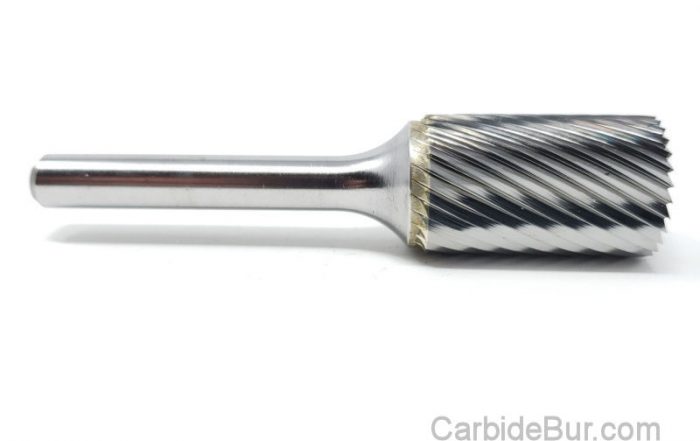
How to Deburr Holes With a Carbide Burr
How to Deburr Holes With a Carbide Burr Most people think any tool will do for deburring holes. The truth is, using the right carbide burr with the correct size and shape changes everything. In [...]
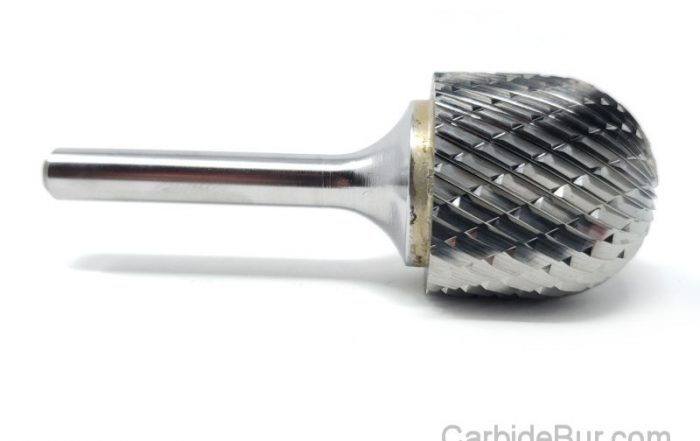
How to Choose the Correct Carbide Burr Shank Size
How to Choose the Correct Carbide Burr Shank Size Many machinists lose hours troubleshooting tool issues caused by the wrong carbide burr shank size. Using a shank that doesn’t fit your grinder can lead to [...]
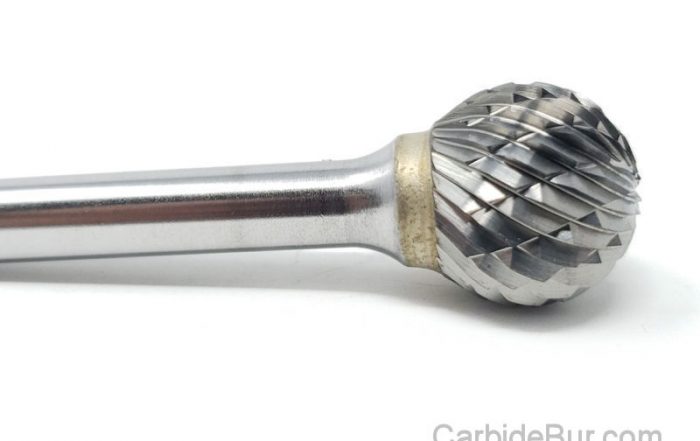
How to Remove Casting Flash With a Carbide Burr
How to Remove Casting Flash With a Carbide Burr Casting flash ruins the look and fit of your metal parts. You’ve tried sanding or grinding, but the results aren’t clean or fast enough. Learning how [...]
Best Carbide Burr for Enlarging a Hole in Metal
Best Carbide Burr for Enlarging a Hole in Metal When you need to enlarge a hole in metal, grabbing the wrong carbide burr can turn a simple task into a frustrating mess. Picking the best [...]
Carbide Burr Safety: 15 Mistakes That Can Cause Injury or Damage
Carbide Burr Safety: 15 Mistakes That Can Cause Injury or Damage Carbide burr safety is often overlooked until a costly mistake happens. Many metalworkers and DIYers make the same errors that lead to injuries or [...]
Can You Use a Carbide Burr in a Drill?
Can You Use a Carbide Burr in a Drill? Most people think a standard drill can’t handle a carbide burr, but that’s not true. Using carbide burr in the right drill can speed up your [...]
Carbide Burrs for Removing Rust: What Works Best?
Carbide Burrs for Removing Rust: What Works Best? Rust can turn your favorite tools into useless junk faster than you expect. Removing it without ruining the metal underneath takes more than just elbow grease—it demands [...]
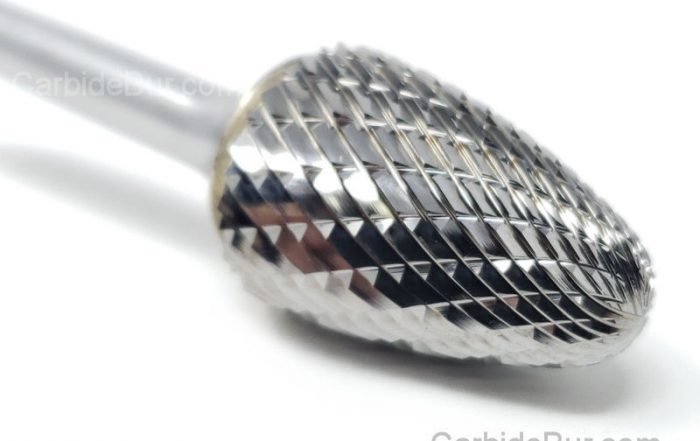
How Much Pressure Should You Use With a Carbide Burr?
How Much Pressure Should You Use With a Carbide Burr? Most people think pressing harder with a carbide burr speeds up the job. That’s not true—too much pressure wears out your tool and ruins the [...]
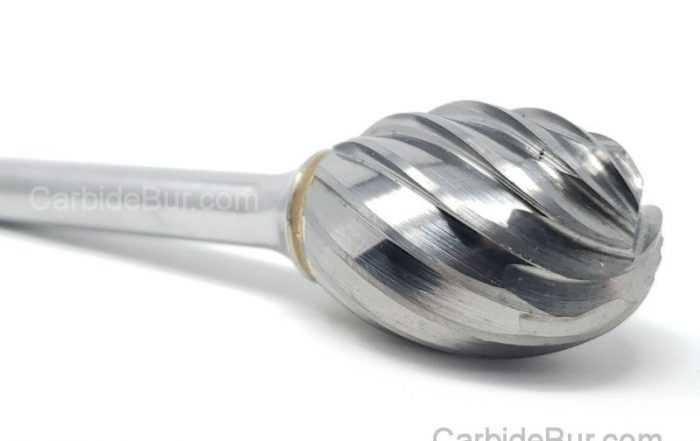
Can You Use Carbide Burrs With an Air Die Grinder?
Can You Use Carbide Burrs With an Air Die Grinder? Most people don’t realize how well carbide burrs work with air die grinders until they try them. If you’ve ever struggled with finding the right [...]
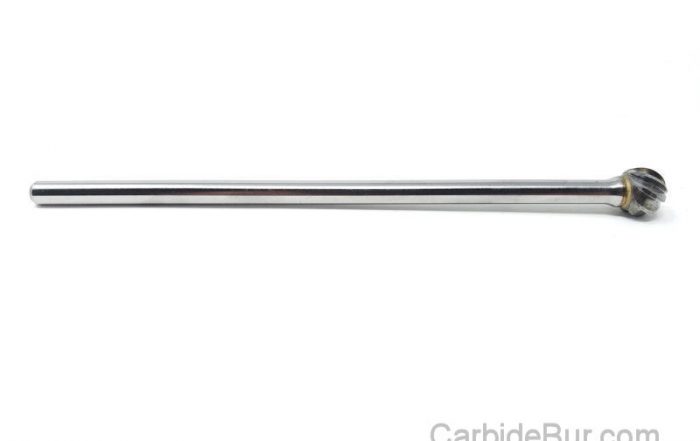
Best Long Reach Carbide Burr for Deep Metal Work
Best Long Reach Carbide Burr for Deep Metal Work Long reach carbide burrs often promise deep metal access, but many fall short where it counts most. You need a tool that cuts cleanly, lasts through [...]
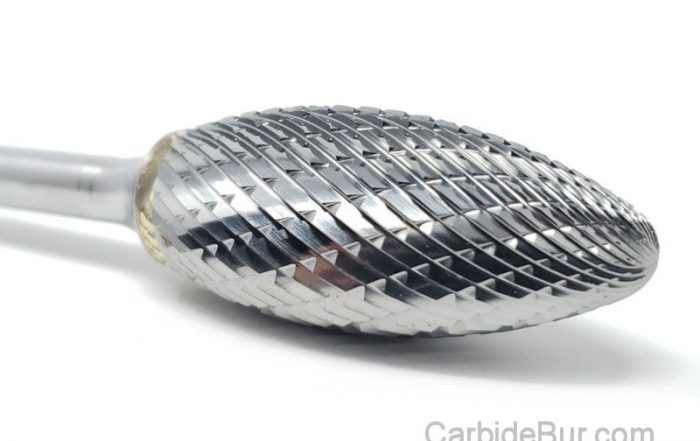
What RPM Should You Use for a 1/8 Inch Carbide Burr?
What RPM Should You Use for a 1/8 Inch Carbide Burr? Most people guess the right carbide burr RPM by feel—and waste hours redoing work. If you want cleaner cuts and longer tool life, your [...]
