
Mastering Carbide Burs: Essential Tips for New Welders in Weld Polishing
Stepping into the world of welding can be both thrilling and daunting, especially when faced with the intricate task of weld polishing. As a new welder, understanding how to use carbide burs is crucial for refining your skills and achieving professional results. These small yet powerful tools can enhance your weld finishing techniques, providing the finesse needed to elevate your projects. In this guide, we’ll explore essential welding tips for beginners, focusing on the proper handling, speed settings, and pressure application when using carbide burs. With practical advice tailored to novices, you’ll gain the confidence to incorporate these welding tools into your craft effectively. Check out this guide for more insights. ## Mastering the Basics
Understanding the fundamentals of using carbide burs is essential for any novice welder. This section will guide you through mastering the basics, focusing on the critical aspects of grip, speed, and pressure. These foundational techniques are necessary for achieving successful weld polishing outcomes.
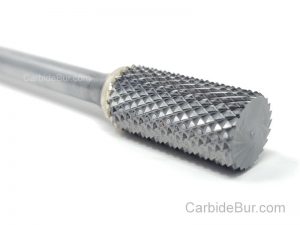
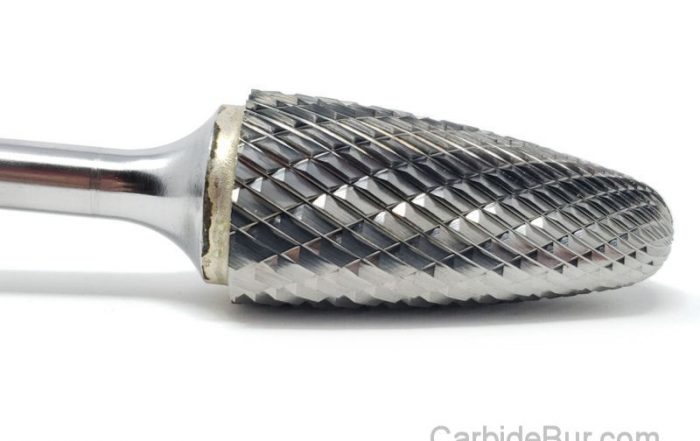
Find more carbide bur die grinder tool bits here
Proper Grip for Control
A proper grip on the carbide bur is crucial for maintaining control and precision. When holding the tool, ensure that you have a firm yet relaxed grip to allow for smooth movements. Your hand should not be too tense, as this might reduce maneuverability.
Position your fingers correctly on the tool. Typically, a three-finger grip is recommended: one finger on top, one on the side, and one at the base. This grip provides stability and control during operation.
Practicing your grip can help prevent fatigue. As you become more comfortable, adjust your grip to find what suits your style best. Visit Carbide Bur for more detailed guidance on handling carbide burs effectively.
Optimal Speed Settings
Setting the right speed is essential for effective weld polishing. The speed of the carbide bur can greatly influence the quality of the finish. A speed that is too high can cause overheating, while too low might not be effective.
-
Start by identifying the material you are working on.
-
Adjust the speed settings based on material hardness.
-
Test on a scrap piece to find the optimal speed.
Different materials require different speeds. For example, aluminum may need a slower speed compared to harder metals like stainless steel. Experimentation and adjustments are key. For further reading on speed settings, check out MIG Welding Forum.
Recommended Pressure Application
Applying the correct pressure is vital for achieving a smooth finish. Too much pressure can damage the surface or the tool, whereas too little pressure may not effectively polish the weld.
Maintain a light pressure initially. Gradually increase as needed to achieve the desired finish. Remember, the tool’s weight should mainly guide the pressure applied.
Use consistent pressure throughout the task. Sudden changes can lead to uneven surfaces. Mastering pressure application takes practice, but with experience, it becomes intuitive.
Enhancing Skills with Techniques
Once you’ve mastered the basics, the next step is to enhance your skills with advanced techniques. This section covers step-by-step polishing techniques, safety practices, and common mistakes to avoid, ensuring you become more proficient in weld polishing.
Step-by-Step Polishing Techniques
To achieve a polished weld, follow these steps:
-
Prepare the Surface: Clean the weld area to remove debris.
-
Select the Right Bur: Choose a carbide bur suitable for the material.
-
Begin Polishing: Start with a gentle pass to get a feel for the tool.
-
Refine the Finish: Use controlled movements to smooth out imperfections.
Each step requires attention to detail. Preparation is key, as a clean surface ensures better results. The choice of bur impacts the finish, so consider the material type carefully.
For a comprehensive guide, visit Benchmark Abrasives.
Safety Practices for Beginners
Safety should always be a priority. Here are some practices:
-
Wear protective gear: goggles, gloves, and a mask.
-
Ensure the workspace is well-ventilated.
-
Maintain a clean and organized area to prevent accidents.
Regularly inspect your tools for wear and damage. Faulty equipment can lead to injuries or poor results. Understanding the tool’s operation manual can also prevent misuse.
Prioritize safety to avoid accidents. Small steps like wearing protective gear can make a significant difference.
Common Mistakes to Avoid
Avoiding common mistakes can save time and improve results. Here are typical errors:
-
Applying too much pressure.
-
Using the wrong bur for the material.
-
Ignoring safety guidelines.
Avoid these pitfalls by staying informed. Experiment within safe limits to find the best techniques. Regularly seek feedback from experienced welders to progress.
Learning from mistakes is part of the process. Stay patient and persistent.
Building Confidence in Weld Finishing
Building confidence in your weld finishing skills requires consistent practice and the right tools. This section provides tips for new welders, advice on choosing welding tools, and strategies for achieving quality weld polishing.
Tips for New Welders
For new welders, here are some key tips:
-
Start with simple projects to build confidence.
-
Focus on mastering one skill at a time.
-
Seek feedback from experienced welders.
Practice regularly to improve. As you complete more projects, your confidence will naturally grow. Don’t hesitate to ask for advice or mentorship.
Embrace a learning mindset. Each project is an opportunity to enhance your skills and knowledge.
Choosing the Right Welding Tools
Selecting the right tools can make a significant difference in weld finishing. Consider the following:
-
Quality over quantity: Invest in high-quality tools.
-
Suitability: Ensure tools are appropriate for the material.
-
Versatility: Look for tools that offer multiple functions.
Research different brands and products. Reading reviews and seeking recommendations can guide you in making informed decisions.
Having the right tools simplifies tasks and enhances results. Choose wisely to ensure efficiency and quality.
Achieving Quality Weld Polishing
To achieve high-quality weld polishing, focus on:
-
Consistent practice and technique refinement.
-
Utilizing the correct tools for each task.
-
Continuous learning and adapting to new methods.
Set realistic goals for each project. Break tasks into manageable steps to maintain focus and precision. Regularly evaluate your progress and adjust techniques as necessary.
Quality weld polishing comes with time and effort. Stay diligent and committed to your craft.
Find more carbide bur die grinder tool bits here
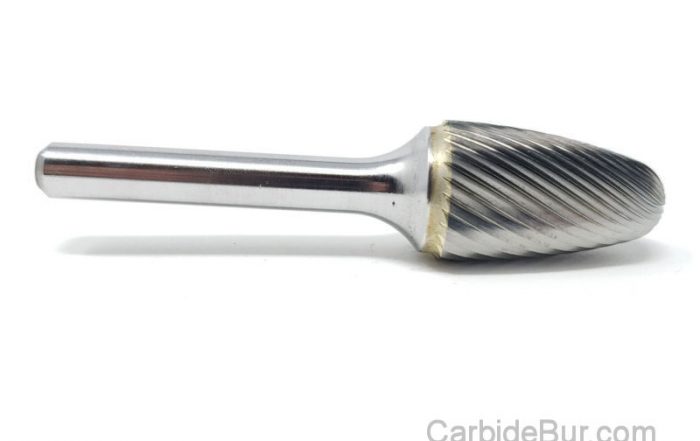
How to Grind a Groove in Metal With a Carbide Burr
How to Grind a Groove in Metal With a Carbide Burr Most metalworkers struggle to cut clean grooves without wasting time or ruining their workpiece. Many try different metalworking tools but end up with uneven [...]
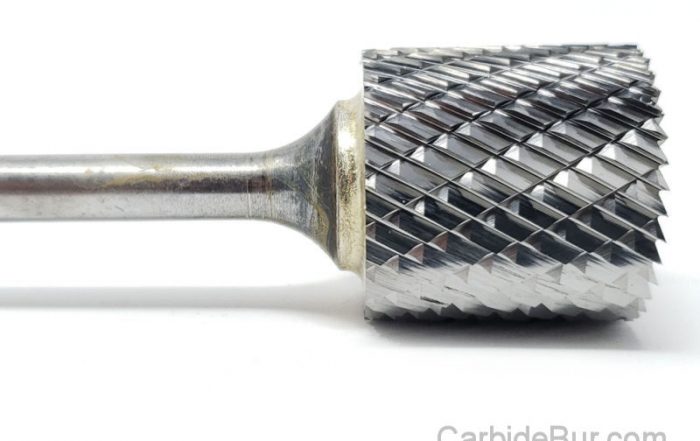
Can Carbide Burrs Cut Through Welds?
Can Carbide Burrs Cut Through Welds? Cutting through welds can feel like a battle, especially when you need clean results without harming the base metal. Carbide burrs offer a sharp edge in this fight, but [...]
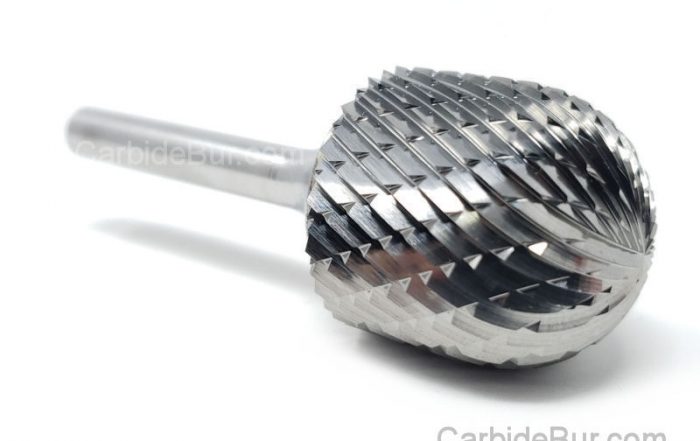
How to Use a Carbide Burr With a Die Grinder
How to Use a Carbide Burr With a Die Grinder Most people treat a carbide burr like just another tool, but using it with a die grinder takes skill. If you’ve struggled with burr installation [...]
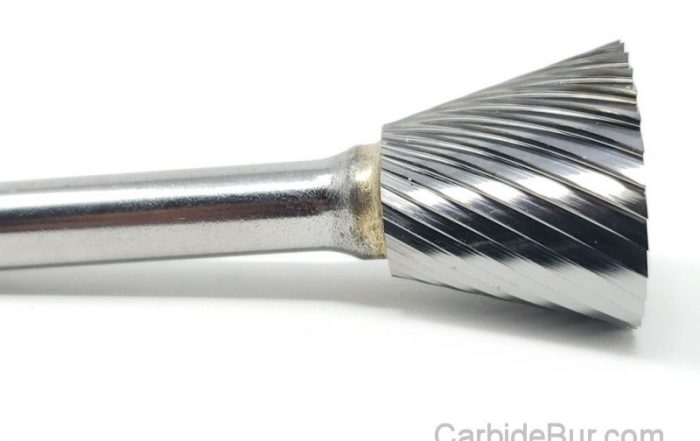
1/8 vs 1/4 Inch Carbide Burrs: What’s the Difference?
1/8 vs 1/4 Inch Carbide Burrs: What's the Difference? Choosing between a 1/8 inch carbide burr and a 1/4 inch carbide burr can change how your project turns out. Many machinists and hobbyists overlook how [...]
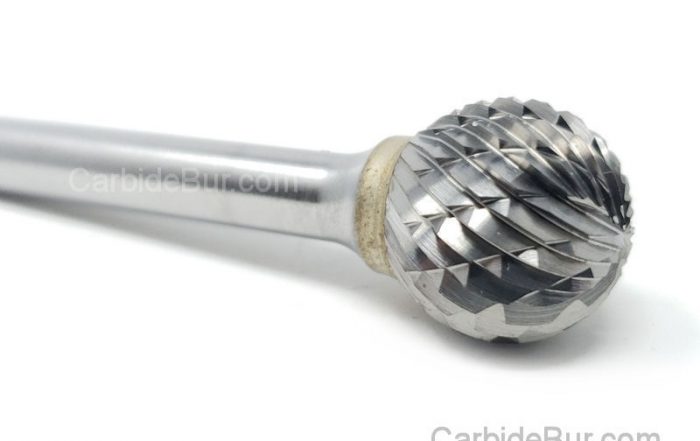
Best Carbide Burr for Removing Flash From Castings
Best Carbide Burr for Removing Flash From Castings Removing flash from castings is a task that can slow down your entire metalworking process if you don’t have the right tools. Picking the best carbide burr [...]
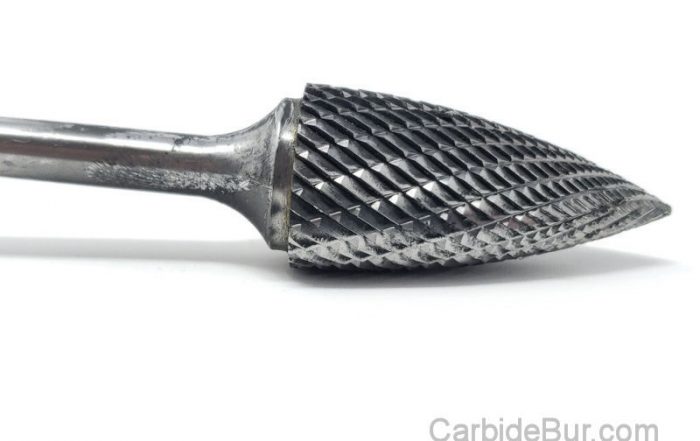
What RPM Should You Use for a 1/4 Inch Carbide Burr?
What RPM Should You Use for a 1/4 Inch Carbide Burr? Most machinists guess the right speed for a 1/4 inch carbide burr and hope for the best. Using the wrong carbide burr RPM can [...]
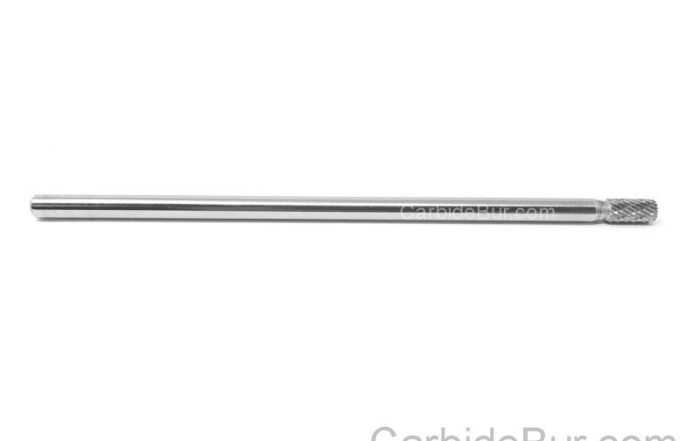
Long Shank Carbide Burrs: When Do You Need One?
Long Shank Carbide Burrs: When Do You Need One? Most machinists overlook the power of long shank carbide burrs until a project demands precision in tight spaces. When your usual tools can’t reach intricate contours, [...]
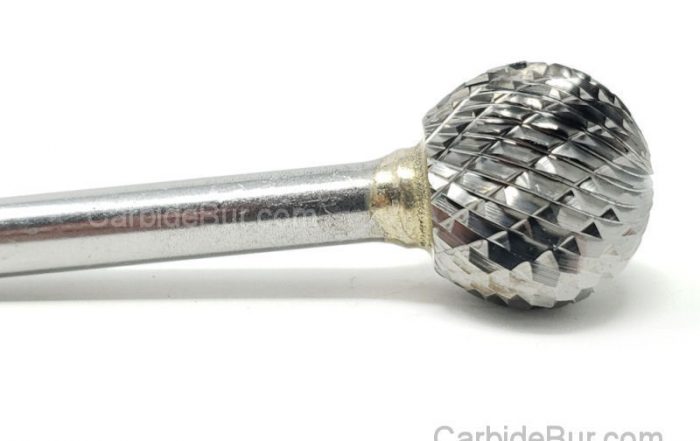
How Deep Can a Carbide Burr Cut Metal?
How Deep Can a Carbide Burr Cut Metal? Carbide burrs often get praised for their precision, but many users hit a wall wondering how deep they can actually cut metal. The truth is, cutting depth [...]
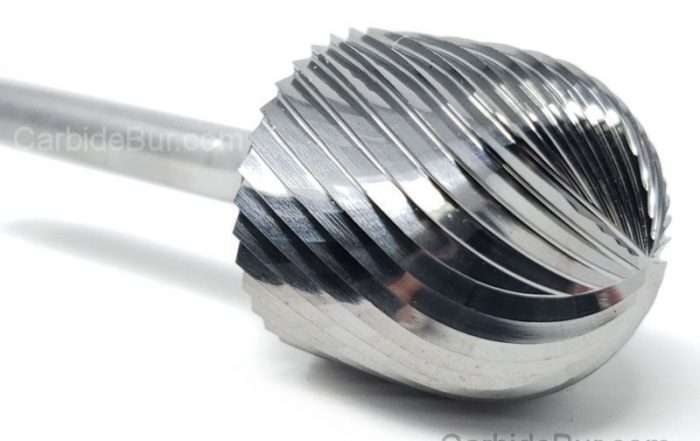
How to Use Carbide Burrs for Port Matching
How to Use Carbide Burrs for Port Matching Most engine builds hit a wall when airflow doesn’t flow smoothly between the ports and manifolds. If your engine isn’t breathing right, your performance stalls. Using the [...]
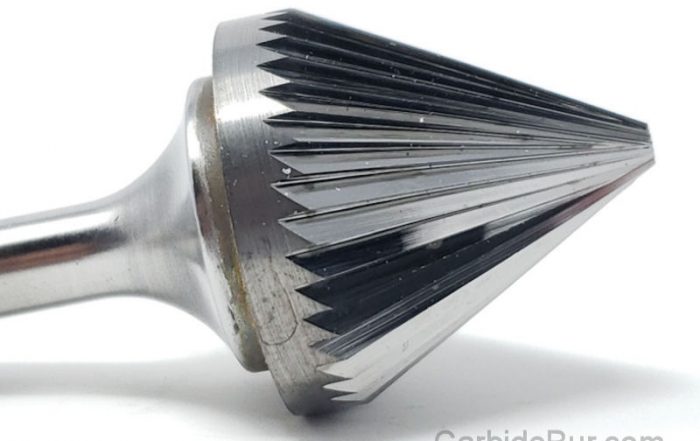
Best Carbide Burr for Porting Intake Manifolds
Best Carbide Burr for Porting Intake Manifolds Porting intake manifolds can make or break your engine’s airflow, yet many struggle with the right tools for the job. Choosing the best carbide burrs is key to [...]
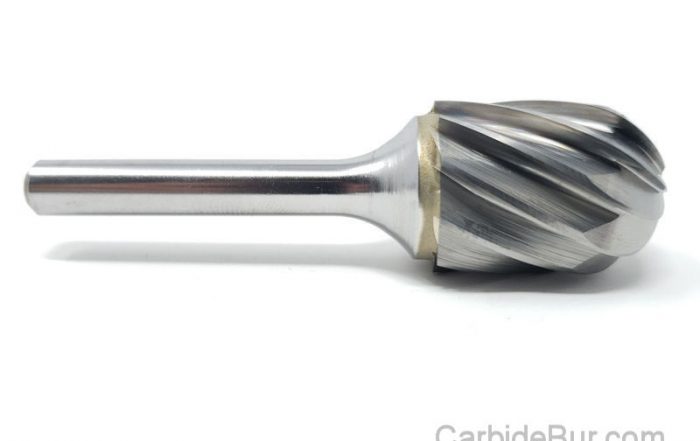
Best Carbide Burr for Concave Surfaces
Best Carbide Burr for Concave Surfaces Concave surfaces can turn a straightforward project into a frustrating challenge if you don’t have the right tool. Carbide burrs designed for these tricky curves make all the difference [...]
How to Grind a Slot in Metal With a Carbide Burr
How to Grind a Slot in Metal With a Carbide Burr Grinding a precise slot in metal can feel like a tricky task, especially if you’re unsure which tools to trust. Carbide burr grinding offers [...]
