
Elevate Your Welding Techniques: The Power of Carbide Burs for Weld Strength and Durability
In the world of welding, achieving strong and durable joints is essential for maintaining structural integrity. This is where carbide burs come into play, transforming metalworking into an art of precision and strength. By using these powerful tools to smooth welds, you enhance weld strength and ensure that your projects stand the test of time. Whether you’re a seasoned welder or a metal fabricator, understanding the role of carbide burs in your welding techniques can significantly impact the quality of your work. Join us as we explore how these metalworking tools can elevate your craftsmanship and boost your confidence in every project. Learn more about the secrets of effective carbide bur welding at https://www.carbidebur.com/the-secrets-of-effective-carbide-bur-welding/.
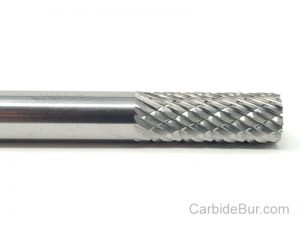
Check out all our USA made carbide bur cutting tools here
Understanding Carbide Burs
Carbide burs are indispensable tools in metalworking, providing unmatched precision and strength. Let’s delve into what they are, their types, and how to choose the right one for your needs.
What Are Carbide Burs?
Carbide burs are rotary tools made from tungsten carbide. These tools are extremely hard and capable of cutting through tough materials with ease. They are used to shape, smooth, and remove excess material from metal surfaces. Their durability and precision make them essential for achieving high-quality welds.
These burs come in various shapes and sizes, catering to different applications. They can handle both fine detailing and heavy material removal.
These tools are vital in industries like aerospace, automotive, and metal fabrication, where precision and durability are crucial. Understanding their role can significantly enhance your welding techniques and project outcomes.
Explore more about carbide cutting tools at carbideburr.net.
Types of Carbide Burs
Carbide burs come in several types, each suited for specific tasks. They vary in shape, size, and cutting style, influencing their application and effectiveness.
-
Single Cut: Ideal for softer metals. They provide a smooth finish and are used in material removal.
-
Double Cut: Suitable for harder materials. They offer a rapid material removal rate and produce a finer finish.
-
Aluminum Cut: Designed for non-ferrous metals, providing efficient chip clearance.
Here’s a quick comparison in table form:
|
Type |
Best For |
Finish |
|---|---|---|
|
Single Cut |
Soft metals |
Smooth |
|
Double Cut |
Hard metals |
Fine |
|
Aluminum Cut |
Non-ferrous metals |
Efficient |
Understanding these differences helps in selecting the right bur for the job. Each type offers unique benefits, making them versatile tools in metalworking.
Choosing the Right Carbide Bur
Selecting the right carbide bur is crucial for achieving desired results. Here’s a step-by-step guide to help you choose:
-
Identify Material Type: Determine the material you will be working with. Different burs work better with specific metals.
-
Define the Purpose: Decide whether you need it for smoothing, shaping, or material removal.
-
Select the Cut Type: Choose between single, double, or aluminum cut depending on your material and finish requirement.
Consider the size and shape of the bur in relation to the task at hand. This ensures efficiency and precision in your work.
For more guidance on carbide burs, visit carbidebur.com.
Enhancing Weld Strength
Strengthening welds is essential for the longevity and safety of your projects. This section explores how smoothing welds and using proper techniques can enhance weld strength.
Check out all our USA made carbide bur cutting tools here
Importance of Smoothing Welds
Smoothing welds is crucial for enhancing weld strength. Smooth welds distribute stress more evenly across the joint, reducing the risk of failure.
Rough welds can create stress concentrations that lead to cracks and weaken the joint. By using carbide burs to smooth out welds, you ensure a stronger and more durable bond.
Surface smoothing not only improves strength but also enhances the overall appearance of the weld. It allows for better inspection and assessment of the weld quality.
Learn more about smoothing welds with carbide burs at carbidebur.com.
Techniques for Stronger Welds
Achieving stronger welds requires a combination of techniques. Here are some key methods:
-
Proper Joint Preparation: Clean and prepare the metal surfaces before welding to ensure a strong bond.
-
Control Heat Input: Use the appropriate amount of heat to avoid weakening the metal.
-
Utilize Correct Welding Technique: Choose the right welding method for the material and thickness.
Consistent practice and understanding of your tools are vital. Carbide burs play a role in refining weld surfaces, contributing to overall strength.
These techniques, paired with the right tools, significantly improve weld strength and project outcomes.
Benefits of Carbide Burs
Carbide burs offer several benefits in welding, particularly in enhancing weld strength:
-
Precision: They provide high accuracy in shaping and smoothing welds.
-
Durability: Made from tungsten carbide, these tools have a long lifespan.
-
Versatility: Suitable for various materials and applications.
Their ability to quickly and effectively smooth welds enhances the strength and durability of joints. This results in longer-lasting and more reliable projects.
Discover more about carbide burs and their benefits at carbidebur.com.
Boosting Weld Durability
Durability in welding is key for the longevity of structures. This section looks at factors affecting weld durability and how carbide burs contribute to long-lasting joints.
Factors Affecting Weld Durability
Several factors influence the durability of welds. Material quality and the welding technique used are critical.
-
Quality of Materials: Using high-quality base metals and filler materials ensures a robust joint.
-
Welding Technique: Proper technique reduces the risk of defects that can compromise durability.
-
Environmental Conditions: Exposure to corrosive elements can degrade welds over time.
Understanding these factors helps in planning and executing more durable welding projects.
Regular maintenance and inspection also play a role in maintaining weld durability.
Carbide Burs for Long-lasting Joints
Carbide burs contribute to the longevity of welds by ensuring smooth and uniform surfaces. Smooth welds are less prone to stress fractures and corrosion.
By effectively removing excess material, carbide burs help create cleaner, more durable joints. This extends the life of the weld and the structure it supports.
Their use in smoothing welds ensures that your projects remain strong and reliable over time.
For more on carbide tools in welding, visit carbideburr.net.
Real-world Applications
Carbide burs are widely used in industries requiring strong and durable welds. Their application spans several sectors:
-
Aerospace: Ensures precision and durability in critical components.
-
Automotive: Used to enhance the strength of vehicle frames and structures.
-
Construction: Essential for long-lasting infrastructure projects.
In aerospace, for example, they play a pivotal role in the safety and reliability of aircraft components.
These tools are integral in ensuring that real-world applications meet high standards of quality and durability.
Achieving Structural Integrity
Structural integrity is vital for the safety and reliability of any project. This section explores the role of welding techniques and carbide burs in ensuring structural safety.
The Role of Welding Techniques
Proper welding techniques are essential for achieving structural integrity. They ensure that joints can withstand the stresses and strains of everyday use.
Key techniques include:
-
Joint Design: Proper design distributes loads evenly across the structure.
-
Weld Quality: Consistent and high-quality welds prevent failure.
-
Inspection and Testing: Regular checks ensure long-term integrity.
Mastering these techniques is crucial for any welder or fabricator aiming to achieve reliable structures.
A focus on quality from start to finish is necessary to maintain structural integrity.
Carbide Burs in Structural Projects
Carbide burs are invaluable in structural projects. Their ability to smooth and shape metal surfaces plays a crucial role in ensuring strong joints.
They help achieve precise and consistent welds, which are vital for maintaining the structural integrity of a project. This is particularly important in large-scale applications like bridges and buildings.
The use of carbide burs enhances project outcomes by ensuring that welds meet high standards of quality and durability.
Learn more about their role in structural projects at carbidebur.com.
Ensuring Safety and Stability
Safety and stability are paramount in any welding project. Carbide burs contribute to these aspects by ensuring smooth and strong welds that can withstand environmental and operational stresses.
Key safety practices include:
-
Regular Inspections: To identify and address any potential weaknesses.
-
Quality Control: Ensuring that welds and materials meet specified standards.
-
Proper Training: For all personnel involved in the welding process.
Adhering to these practices ensures that your projects remain safe and stable over their intended lifespan.
For more on ensuring safety in welding, explore resources at carbideburr.net.
Best Practices in Metalworking
Effective metalworking requires the right tools and techniques. This section outlines essential tools, tips for welding, and the role of carbide burs in quality control.
Essential Metalworking Tools
Having the right tools is fundamental to successful metalworking. Essential tools include:
-
Welding Machines: For creating the welds themselves.
-
Grinders and Sanders: To prepare and finish metal surfaces.
-
Carbide Burs: For precise shaping and smoothing.
Each tool plays a specific role in ensuring the quality and efficiency of metalworking projects.
Investing in quality tools is an investment in the success and durability of your work.
Tips for Effective Welding
Effective welding requires skill and attention to detail. Here are some tips:
-
Preparation: Always prepare your materials and tools before starting.
-
Technique: Practice your welding techniques regularly.
-
Safety: Prioritize safety with appropriate gear and equipment.
Understanding your materials and maintaining your tools also contribute to effective welding.
These tips help you achieve better results and maintain high standards in your work.
Quality Control with Carbide Burs
Carbide burs play a critical role in quality control. They ensure that welds are smooth, consistent, and free of defects.
-
Inspection: Regular checks with carbide burs help maintain quality.
-
Consistency: Their use ensures consistent weld quality across projects.
-
Defect Identification: They help identify and correct potential issues early.
Incorporating carbide burs into your quality control process ensures that your projects meet the required standards.
For more insights into carbide burs and quality control, visit carbidebur.com.
Check out all our USA made carbide bur cutting tools here
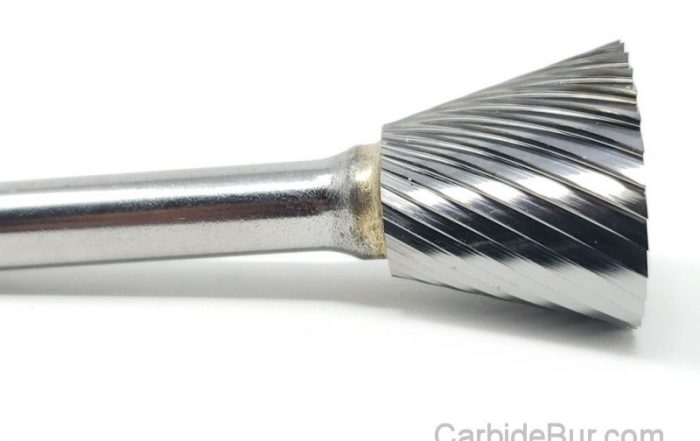
1/8 vs 1/4 Inch Carbide Burrs: What’s the Difference?
1/8 vs 1/4 Inch Carbide Burrs: What's the Difference? Choosing between a 1/8 inch carbide burr and a 1/4 inch carbide burr can change how your project turns out. Many machinists and hobbyists overlook how [...]

Best Carbide Burr for Removing Flash From Castings
Best Carbide Burr for Removing Flash From Castings Removing flash from castings is a task that can slow down your entire metalworking process if you don’t have the right tools. Picking the best carbide burr [...]
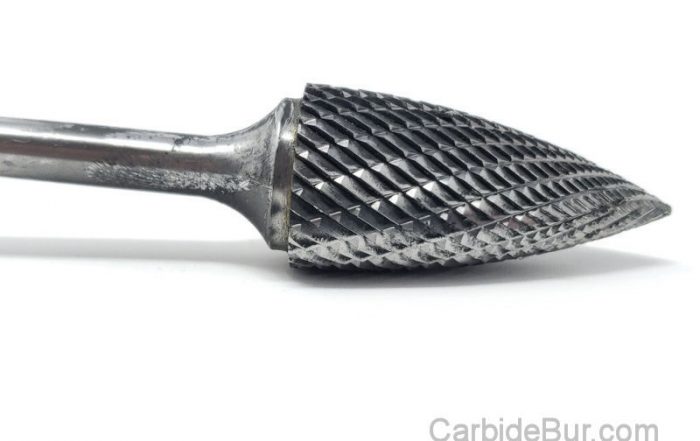
What RPM Should You Use for a 1/4 Inch Carbide Burr?
What RPM Should You Use for a 1/4 Inch Carbide Burr? Most machinists guess the right speed for a 1/4 inch carbide burr and hope for the best. Using the wrong carbide burr RPM can [...]
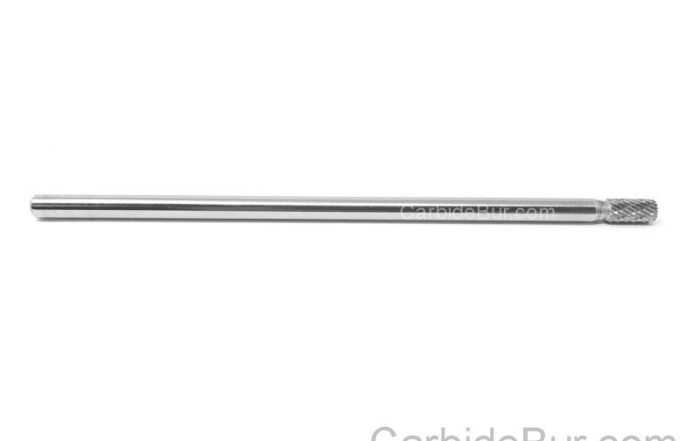
Long Shank Carbide Burrs: When Do You Need One?
Long Shank Carbide Burrs: When Do You Need One? Most machinists overlook the power of long shank carbide burrs until a project demands precision in tight spaces. When your usual tools can’t reach intricate contours, [...]
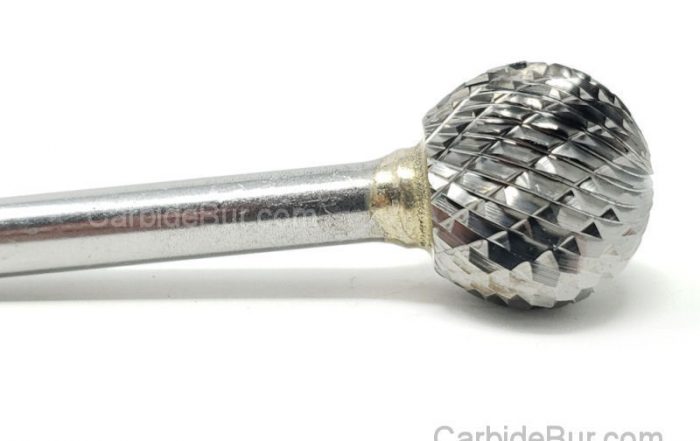
How Deep Can a Carbide Burr Cut Metal?
How Deep Can a Carbide Burr Cut Metal? Carbide burrs often get praised for their precision, but many users hit a wall wondering how deep they can actually cut metal. The truth is, cutting depth [...]
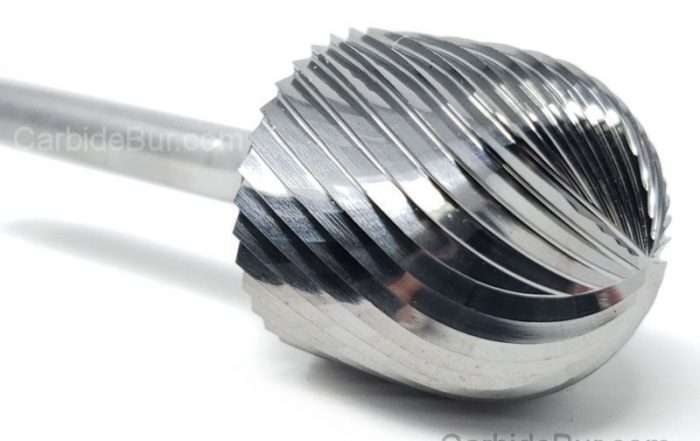
How to Use Carbide Burrs for Port Matching
How to Use Carbide Burrs for Port Matching Most engine builds hit a wall when airflow doesn’t flow smoothly between the ports and manifolds. If your engine isn’t breathing right, your performance stalls. Using the [...]
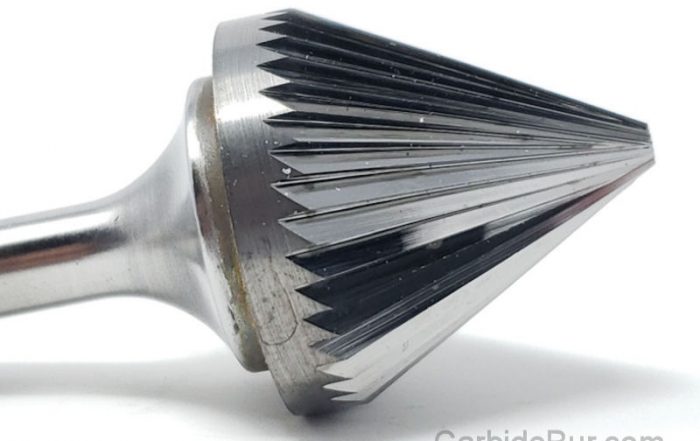
Best Carbide Burr for Porting Intake Manifolds
Best Carbide Burr for Porting Intake Manifolds Porting intake manifolds can make or break your engine’s airflow, yet many struggle with the right tools for the job. Choosing the best carbide burrs is key to [...]
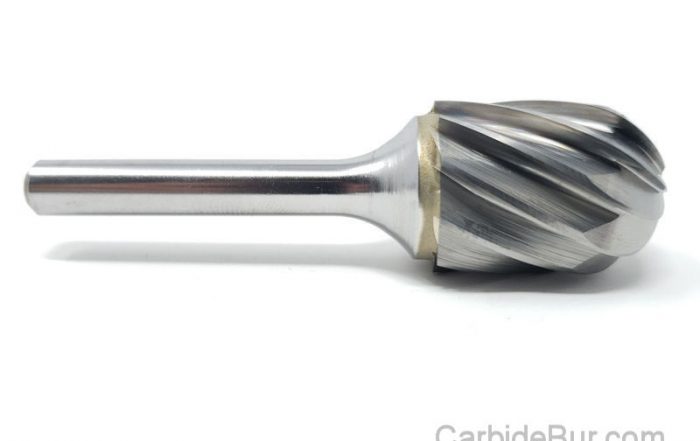
Best Carbide Burr for Concave Surfaces
Best Carbide Burr for Concave Surfaces Concave surfaces can turn a straightforward project into a frustrating challenge if you don’t have the right tool. Carbide burrs designed for these tricky curves make all the difference [...]
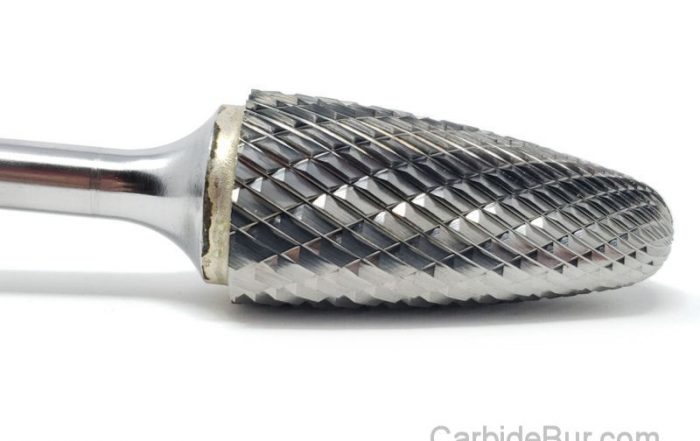
How to Grind a Slot in Metal With a Carbide Burr
How to Grind a Slot in Metal With a Carbide Burr Grinding a precise slot in metal can feel like a tricky task, especially if you’re unsure which tools to trust. Carbide burr grinding offers [...]

Best Carbide Burr for Inside Corners
Best Carbide Burr for Inside Corners Working in tight inside corners can turn even simple projects into frustrating tasks. Many carbide burrs just don’t fit or cut cleanly where you need them most. The best [...]
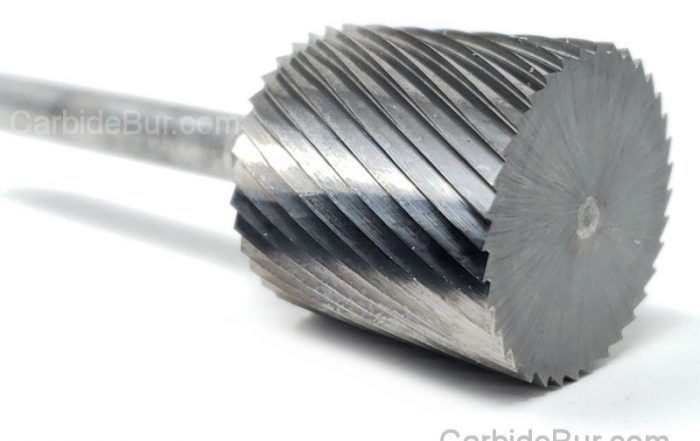
What Size Carbide Burr Do I Need?
What Size Carbide Burr Do I Need? Picking the wrong carbide burr can turn a simple project into a frustrating mess. You might have the best machining tools but still miss the mark if your [...]
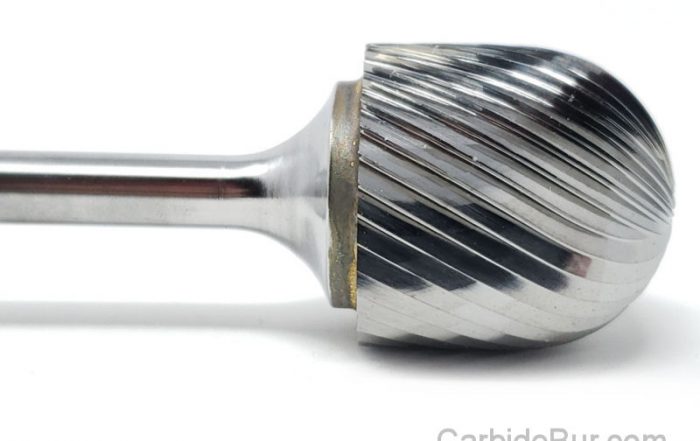
How to Smooth Sharp Metal Edges With a Carbide Burr
How to Smooth Sharp Metal Edges With a Carbide Burr Sharp metal edges can turn your project from professional to risky in seconds. If you’ve struggled with smoothing metal edges without scratching or weakening the [...]
