
How Durable Carbide Burs Lead to Sustainable Manufacturing Practices
In today’s world, sustainable manufacturing practices are more important than ever, with durable tools like carbide burs playing a crucial role in reducing waste and minimizing environmental impact. These eco-friendly tools are essential for professionals seeking to enhance tool longevity while also committing to sustainability. By incorporating carbide burs into the porting process, manufacturers can achieve significant waste reduction, contributing to a cleaner, greener planet. This article will guide you through the porting benefits and waste reduction strategies that carbide burs offer, empowering you to make informed decisions for a more sustainable future. Get ready to explore how these durable tools can reshape manufacturing with eco-conscious principles. Learn more about the environmental impact of carbide tools here.
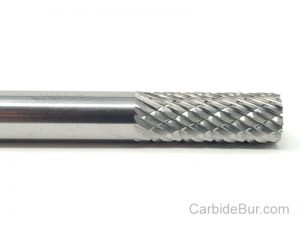
Check out all our USA made carbide bur cutting tools here
Understanding Carbide Burs
Carbide burs are integral to modern manufacturing, offering durability and precision. Understanding their role in sustainable manufacturing can significantly benefit both the environment and the industry.
What Are Carbide Burs?
Carbide burs are cutting tools made from tungsten carbide, a material known for its hardness and heat resistance. These tools are commonly used in metalworking, woodworking, and dental applications. They are favored for their ability to cut through tough materials with precision and speed.
The durability of carbide burs is a key feature, enabling them to maintain sharp edges longer than other materials. This longevity reduces the frequency of tool replacement, contributing to sustainable practices.
To learn more about carbide burs, their applications, and innovations, visit Carbide Burs Explained.
Key Features of Durable Tools
Durable tools like carbide burs offer several essential features:
-
Hardness: Made from tungsten carbide, they can withstand high temperatures and maintain sharpness.
-
Versatility: Suitable for various materials, including metals, plastics, and wood.
-
Longevity: Their extended life reduces the need for frequent replacements.
Comparing Features:
|
Feature |
Carbide Burs |
Steel Burs |
|---|---|---|
|
Hardness |
High |
Moderate |
|
Versatility |
High |
Moderate |
|
Longevity |
High |
Low |
Explore key features in more detail at Carbide Burr.
The Role in Sustainable Manufacturing
Carbide burs play a critical role in sustainable manufacturing by minimizing waste and energy consumption. Their durability reduces the need for replacements, thereby decreasing the production demand for new tools.
Benefits:
-
Less frequent tool changes mean reduced downtime.
-
Lower energy consumption due to efficient material removal.
-
Decreased scrap material due to precise cutting.
Visit Carbide Burr Network for more insights into their role in sustainability.
Check out all our USA made carbide bur cutting tools here
Environmental Impact of Carbide Burs
The environmental impact of carbide burs is significant. By reducing waste and promoting eco-friendly practices, they help manufacturers achieve sustainability goals.
Reducing Waste with Durable Tools
Durable tools, like carbide burs, contribute to waste reduction by:
-
Extending the lifespan of tools, reducing the frequency of replacements.
-
Lowering material wastage through precise cuts.
These strategies lead to less landfill waste and a smaller environmental footprint.
Statistics:
-
Average tool replacement frequency reduced by 30% with carbide burs.
-
Scrap material production decreased by 20%.
Eco-Friendly Tools in Porting
Porting, a process used to modify engine parts for better performance, benefits significantly from eco-friendly tools like carbide burs. These tools ensure efficient material removal, resulting in less waste and energy use.
Real-world Example:
A manufacturing company switched to carbide burs for porting and observed:
-
A 25% reduction in energy consumption.
-
Improved precision leading to a 15% decrease in scrap material.
Waste Reduction Strategies
Waste reduction strategies with carbide burs include:
-
Optimizing tool usage through regular maintenance.
-
Implementing recycling programs for worn-out burs.
-
Training employees on efficient tool use.
Adopting these strategies ensures a significant decrease in waste production over time.
Benefits of Tool Longevity
Extending the lifespan of tools like carbide burs brings numerous benefits, from cost savings to enhanced manufacturing efficiency.
Cost Savings for Manufacturers
Manufacturers save costs with carbide burs due to their durability. Longer-lasting tools mean fewer purchases and reduced operational downtime.
Cost-Saving Tips:
-
Invest in high-quality carbide burs to maximize lifespan.
-
Maintain a regular schedule for tool inspection and maintenance.
-
Opt for carbide burs tailored to specific materials to enhance performance.
Enhancing Manufacturing Efficiency
Using durable tools enhances manufacturing efficiency. Carbide burs cut faster and more precisely, leading to increased production rates.
Efficiency Benefits:
-
Reduced time spent on tool changes and adjustments.
-
Higher quality end-products due to precision cutting.
-
Fewer interruptions in the production process.
Promoting Eco-Conscious Practices
Promoting eco-conscious practices involves integrating sustainable tools like carbide burs into daily operations. This shift not only reduces environmental impact but also aligns with consumer demand for green products.
Actionable Advice:
-
Choose suppliers committed to sustainable practices.
-
Educate staff on the environmental benefits of using durable tools.
-
Regularly review and adjust sustainability goals.
Sustainable Manufacturing Practices
Implementing sustainable manufacturing practices with carbide burs can lead to long-term benefits for both businesses and the environment.
Implementing Carbide Burs for Porting
Steps to implement carbide burs in porting:
-
Assess current tool usage and identify areas for improvement.
-
Select carbide burs suitable for your specific materials and processes.
-
Train staff on proper usage to maximize tool lifespan and effectiveness.
Key Takeaways:
-
Better tool performance.
-
Increased production efficiency.
-
Reduced environmental impact.
Building an Eco-Friendly Manufacturing Process
Building an eco-friendly manufacturing process involves more than just tool selection. It requires a holistic approach to sustainability, including resource management and waste reduction.
Steps:
-
Conduct an environmental impact assessment.
-
Set achievable sustainability targets.
-
Monitor progress and adjust strategies as needed.
Achieving Long-Term Environmental Impact
Achieving a long-term environmental impact involves consistent efforts and a commitment to sustainability. By integrating durable tools like carbide burs, manufacturers can significantly reduce their carbon footprint.
Case Study:
A company replaced standard tools with carbide burs and achieved:
-
A 50% reduction in tool waste.
-
A 30% decrease in energy consumption.
Inspiring Change in Manufacturing
Inspiring change in manufacturing begins with encouraging sustainable choices and empowering the industry to embrace eco-friendly practices.
Encouraging Sustainable Choices
Encouraging sustainable choices involves demonstrating the benefits of eco-friendly tools and practices to stakeholders.
Strategies:
-
Share success stories and case studies with industry peers.
-
Highlight cost savings and efficiency gains from sustainable practices.
-
Collaborate with suppliers committed to sustainability.
Empowering the Tool Industry
Empowering the tool industry means providing resources and support for adopting sustainable practices.
Resources:
-
Access to research and development on sustainable tools.
-
Training programs for skilled use of eco-friendly tools.
-
Incentives for companies that prioritize sustainability.
Embracing a Greener Future
Embracing a greener future requires a shift in mindset. Manufacturers must prioritize sustainability to meet environmental standards and consumer expectations.
Actionable Steps:
-
Invest in research for developing new eco-friendly tools.
-
Foster partnerships with environmental organizations.
-
Regularly update sustainability practices to reflect industry advancements.
Check out all our USA made carbide bur cutting tools here
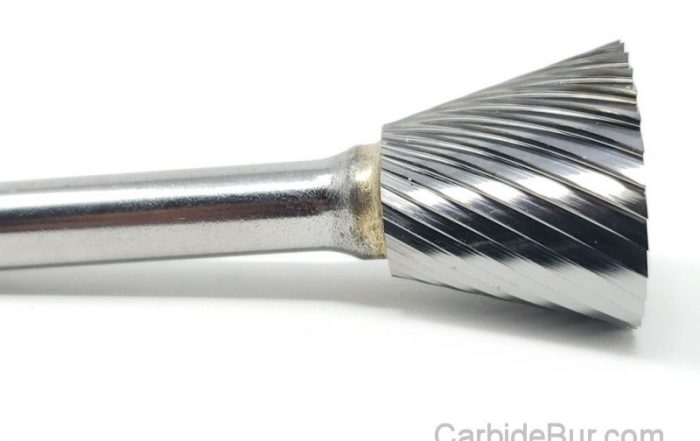
1/8 vs 1/4 Inch Carbide Burrs: What’s the Difference?
1/8 vs 1/4 Inch Carbide Burrs: What's the Difference? Choosing between a 1/8 inch carbide burr and a 1/4 inch carbide burr can change how your project turns out. Many machinists and hobbyists overlook how [...]

Best Carbide Burr for Removing Flash From Castings
Best Carbide Burr for Removing Flash From Castings Removing flash from castings is a task that can slow down your entire metalworking process if you don’t have the right tools. Picking the best carbide burr [...]
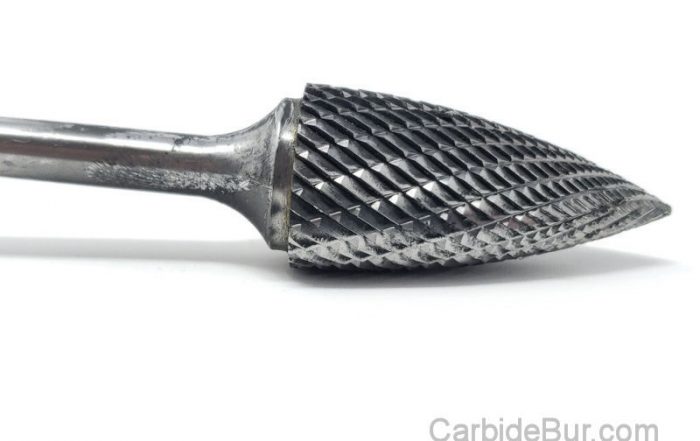
What RPM Should You Use for a 1/4 Inch Carbide Burr?
What RPM Should You Use for a 1/4 Inch Carbide Burr? Most machinists guess the right speed for a 1/4 inch carbide burr and hope for the best. Using the wrong carbide burr RPM can [...]
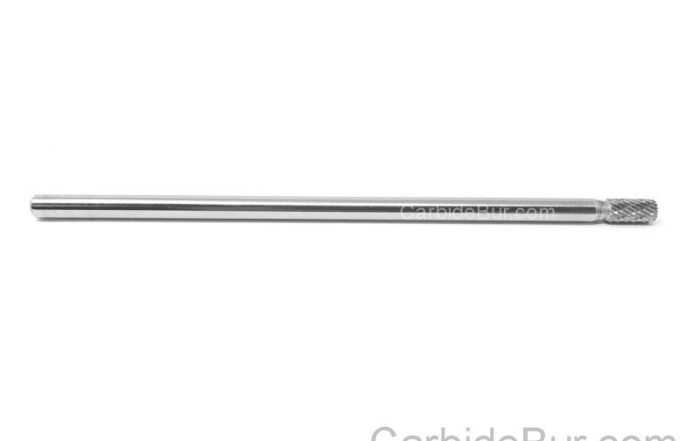
Long Shank Carbide Burrs: When Do You Need One?
Long Shank Carbide Burrs: When Do You Need One? Most machinists overlook the power of long shank carbide burrs until a project demands precision in tight spaces. When your usual tools can’t reach intricate contours, [...]
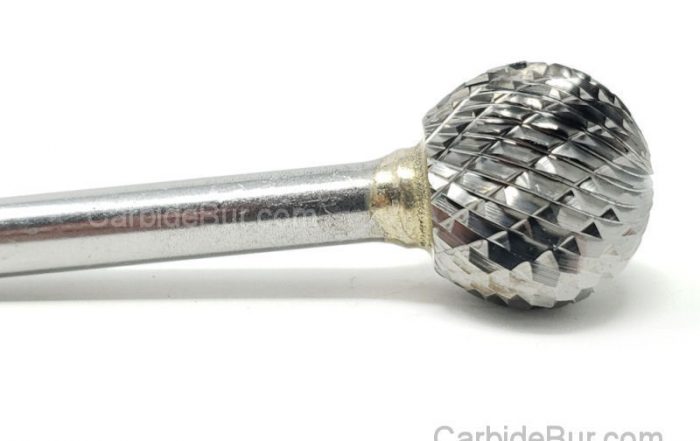
How Deep Can a Carbide Burr Cut Metal?
How Deep Can a Carbide Burr Cut Metal? Carbide burrs often get praised for their precision, but many users hit a wall wondering how deep they can actually cut metal. The truth is, cutting depth [...]
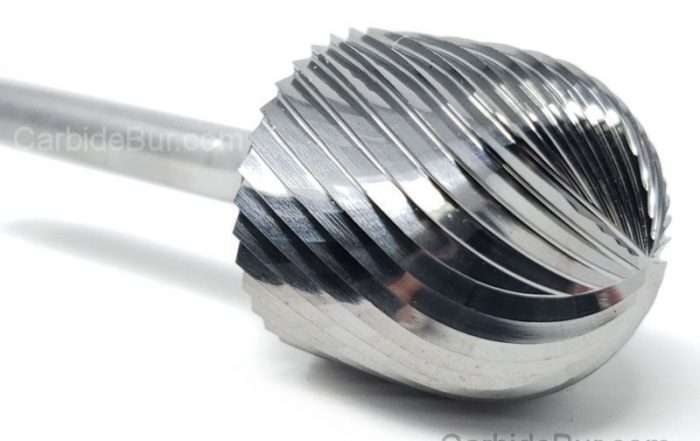
How to Use Carbide Burrs for Port Matching
How to Use Carbide Burrs for Port Matching Most engine builds hit a wall when airflow doesn’t flow smoothly between the ports and manifolds. If your engine isn’t breathing right, your performance stalls. Using the [...]
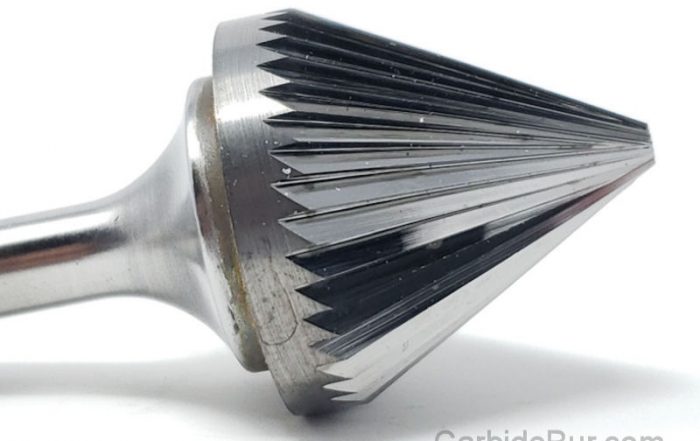
Best Carbide Burr for Porting Intake Manifolds
Best Carbide Burr for Porting Intake Manifolds Porting intake manifolds can make or break your engine’s airflow, yet many struggle with the right tools for the job. Choosing the best carbide burrs is key to [...]
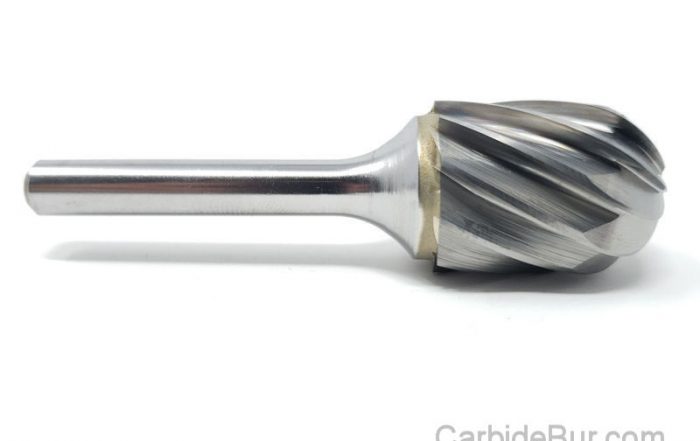
Best Carbide Burr for Concave Surfaces
Best Carbide Burr for Concave Surfaces Concave surfaces can turn a straightforward project into a frustrating challenge if you don’t have the right tool. Carbide burrs designed for these tricky curves make all the difference [...]
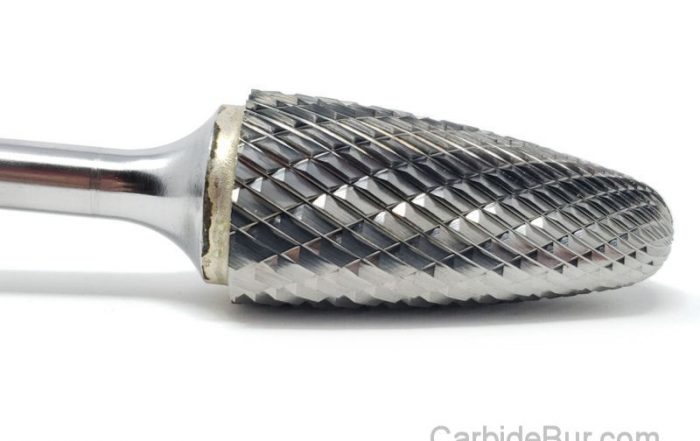
How to Grind a Slot in Metal With a Carbide Burr
How to Grind a Slot in Metal With a Carbide Burr Grinding a precise slot in metal can feel like a tricky task, especially if you’re unsure which tools to trust. Carbide burr grinding offers [...]

Best Carbide Burr for Inside Corners
Best Carbide Burr for Inside Corners Working in tight inside corners can turn even simple projects into frustrating tasks. Many carbide burrs just don’t fit or cut cleanly where you need them most. The best [...]
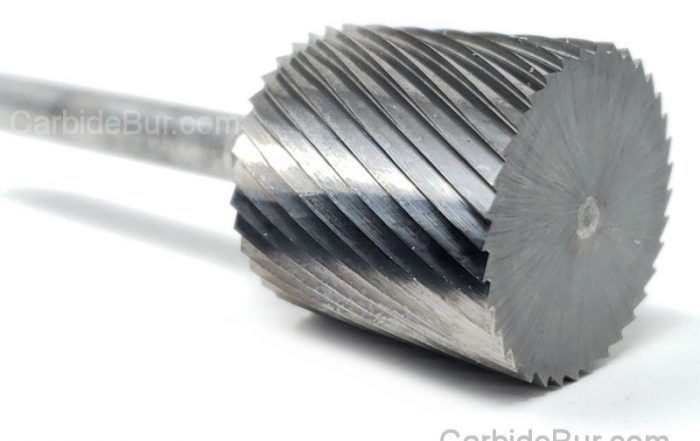
What Size Carbide Burr Do I Need?
What Size Carbide Burr Do I Need? Picking the wrong carbide burr can turn a simple project into a frustrating mess. You might have the best machining tools but still miss the mark if your [...]
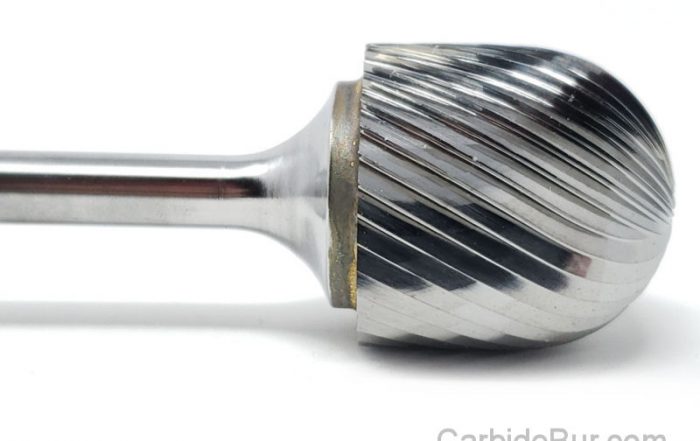
How to Smooth Sharp Metal Edges With a Carbide Burr
How to Smooth Sharp Metal Edges With a Carbide Burr Sharp metal edges can turn your project from professional to risky in seconds. If you’ve struggled with smoothing metal edges without scratching or weakening the [...]
