
Precision Engineering: Achieving Mirror-Finish Ports with Carbide Burs
Most cutting tools wear out before they deliver a true mirror finish. You’ve seen ports that fall short on flow and surface quality, costing time and precision. Carbide burs stand apart by combining unmatched durability with the fine control required in precision engineering. Understanding the material science behind these tools reveals why carbide burs consistently produce mirror-finish ports and maintain high-flow results. Learn more about carbide burs here.

Material Science of Carbide Burs
In the world of precision engineering, knowing the material behind your tools is key. Let’s uncover how carbide burs excel in durability and performance.
Carbide’s Durability Explained
Carbide burs are built to last. Unlike other materials, carbide stands strong under pressure. This strength means less replacement and more time saved. When you use carbide, you’re choosing a tool that keeps its edge. Studies show carbide outlasts steel by 20 times, proving its resilience. Think of it as an investment in your work’s success. Durable tools mean consistent results, which every engineer values.
Now picture this: you’re deep into a project, and your tools start dulling. But with carbide, that’s not a worry. Its toughness keeps you on track without interruptions. It’s this reliability that sets carbide apart in precision tasks. Discover further insights into carbide’s benefits.
Consistent High-Flow Results
High-flow results are crucial in many applications. When ports are smooth, efficiency improves. Carbide burs ensure these smooth surfaces, reducing friction. This smoothness leads to better flow and less wear and tear. Imagine your projects running without a hitch, all thanks to carbide’s precision.
Here’s the key insight: with carbide, your tools aren’t just cutting; they’re refining. Each pass improves surface quality, keeping flow rates optimal. Most people think any tool can do this, but carbide proves otherwise. Its unique properties make it the go-to for high-flow demands. Explore more about high-flow results with carbide tools.
Achieving Mirror-Finish Ports
Creating a mirror finish is no easy feat. It requires the right tools and techniques. Let’s delve into how carbide burs achieve this level of perfection.
Precision Engineering Techniques
Precision is all about control. With carbide burs, you gain that control. They allow for meticulous work, ensuring every detail is perfect. You can trust these tools to deliver the accuracy your project demands.
Think of using carbide as having a paintbrush for your engineering canvas. Each stroke is precise, each cut deliberate. This level of precision is why professionals rely on carbide for a mirror finish. Your work deserves no less than perfection, and carbide delivers. Learn more about precision engineering with carbide.
Tool Performance and Mirror Finish
Performance is what drives results. Carbide burs perform consistently, producing mirror-like surfaces. This performance is not just about cutting; it’s about crafting. You’re not just using a tool; you’re creating art in engineering form.
The longer you wait to upgrade, the more you risk falling behind. With carbide, each project becomes an opportunity to shine. Its performance is unmatched, making it a staple in any engineer’s toolkit. Discover how tool performance impacts mirror finishes.
Manufacturing Precision with Carbide Burs
Precision in manufacturing is crucial for success. Carbide burs provide the edge you need to stay ahead. Let’s examine their impact and durability.
Impact on Engineering Tools
Carbide burs have a profound effect on tools. They enhance capabilities, allowing for more complex designs. This enhancement means you can take on projects others might shy away from. It’s about pushing boundaries and setting new standards.
When you use carbide, you’re not just maintaining status quo; you’re innovating. You’re at the forefront of engineering excellence, ready to tackle any challenge. This impact is why carbide remains a favorite among professionals. Learn how engineering tools benefit from carbide.
Ensuring Long-Term Tool Durability
Durability isn’t just a feature; it’s a necessity. With carbide, you ensure your tools last longer, saving time and resources. This longevity means fewer replacements and more reliability in your work.
Most tools wear out, but carbide is different. Its composition withstands rigorous use, making it a smart choice for long-term projects. Don’t let tool failure slow you down; choose carbide and keep moving forward with confidence.
In conclusion, carbide burs are a game-changer in precision engineering. Their durability and performance are unmatched, ensuring high-flow results and mirror finishes every time. Investing in carbide is investing in your work’s future.
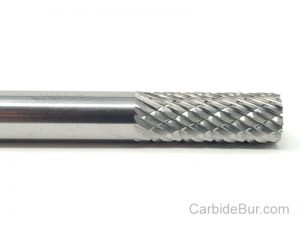
Check out all our USA made carbide bur cutting tools here
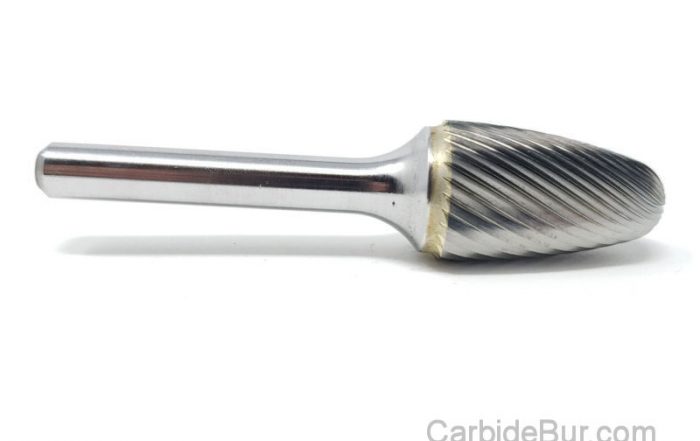
How to Grind a Groove in Metal With a Carbide Burr
How to Grind a Groove in Metal With a Carbide Burr Most metalworkers struggle to cut clean grooves without wasting time or ruining their workpiece. Many try different metalworking tools but end up with uneven [...]
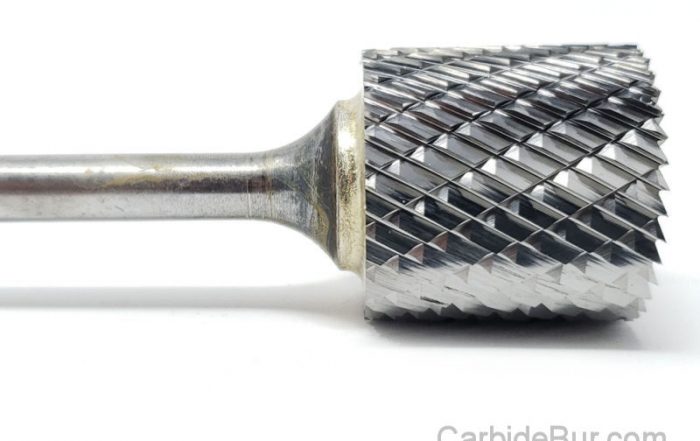
Can Carbide Burrs Cut Through Welds?
Can Carbide Burrs Cut Through Welds? Cutting through welds can feel like a battle, especially when you need clean results without harming the base metal. Carbide burrs offer a sharp edge in this fight, but [...]
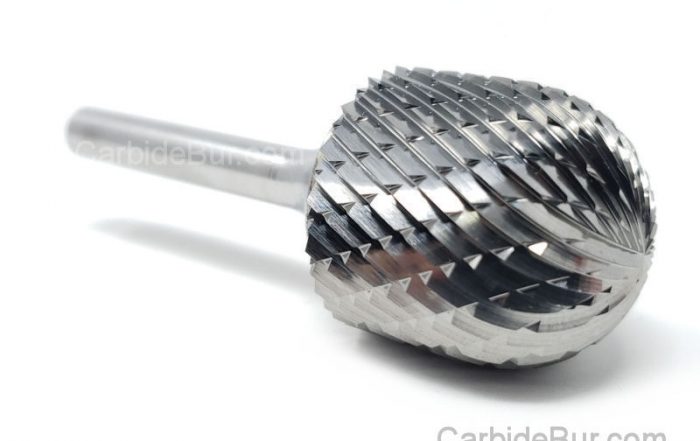
How to Use a Carbide Burr With a Die Grinder
How to Use a Carbide Burr With a Die Grinder Most people treat a carbide burr like just another tool, but using it with a die grinder takes skill. If you’ve struggled with burr installation [...]
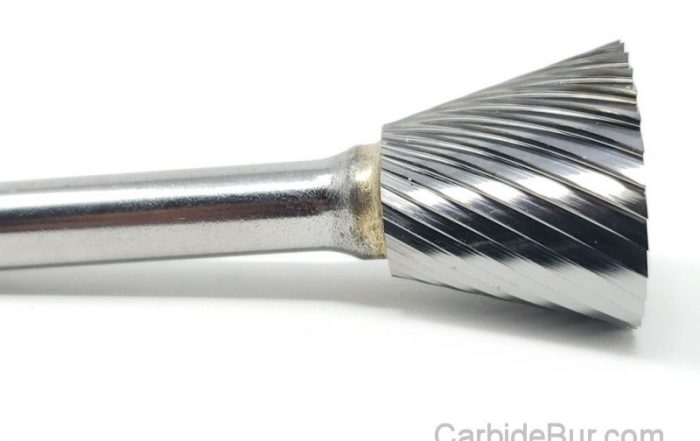
1/8 vs 1/4 Inch Carbide Burrs: What’s the Difference?
1/8 vs 1/4 Inch Carbide Burrs: What's the Difference? Choosing between a 1/8 inch carbide burr and a 1/4 inch carbide burr can change how your project turns out. Many machinists and hobbyists overlook how [...]
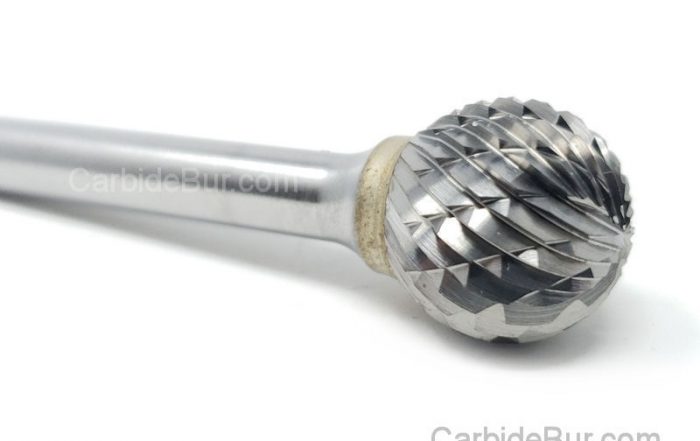
Best Carbide Burr for Removing Flash From Castings
Best Carbide Burr for Removing Flash From Castings Removing flash from castings is a task that can slow down your entire metalworking process if you don’t have the right tools. Picking the best carbide burr [...]
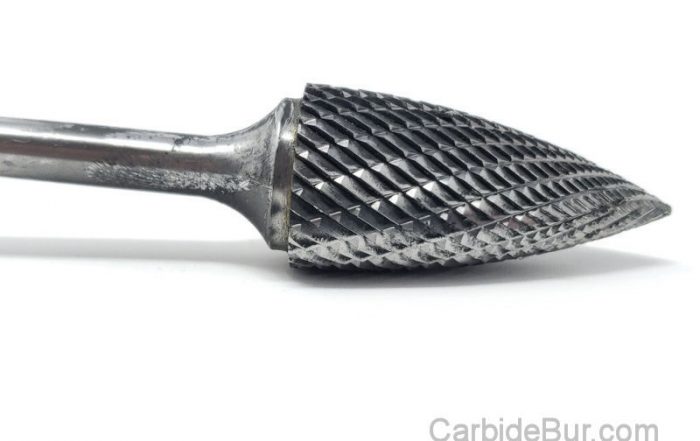
What RPM Should You Use for a 1/4 Inch Carbide Burr?
What RPM Should You Use for a 1/4 Inch Carbide Burr? Most machinists guess the right speed for a 1/4 inch carbide burr and hope for the best. Using the wrong carbide burr RPM can [...]
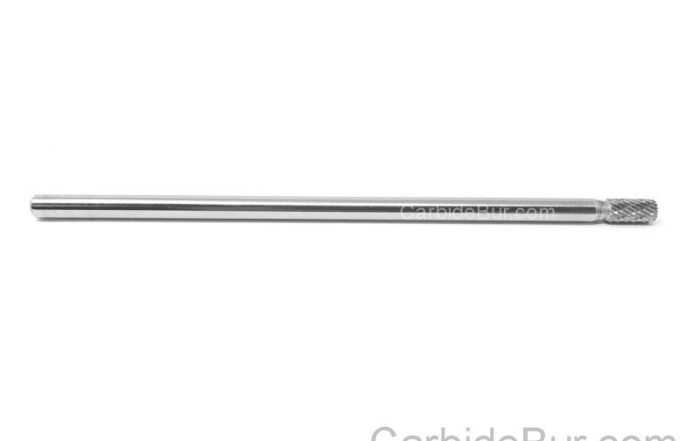
Long Shank Carbide Burrs: When Do You Need One?
Long Shank Carbide Burrs: When Do You Need One? Most machinists overlook the power of long shank carbide burrs until a project demands precision in tight spaces. When your usual tools can’t reach intricate contours, [...]
How Deep Can a Carbide Burr Cut Metal?
How Deep Can a Carbide Burr Cut Metal? Carbide burrs often get praised for their precision, but many users hit a wall wondering how deep they can actually cut metal. The truth is, cutting depth [...]
How to Use Carbide Burrs for Port Matching
How to Use Carbide Burrs for Port Matching Most engine builds hit a wall when airflow doesn’t flow smoothly between the ports and manifolds. If your engine isn’t breathing right, your performance stalls. Using the [...]
Best Carbide Burr for Porting Intake Manifolds
Best Carbide Burr for Porting Intake Manifolds Porting intake manifolds can make or break your engine’s airflow, yet many struggle with the right tools for the job. Choosing the best carbide burrs is key to [...]
Best Carbide Burr for Concave Surfaces
Best Carbide Burr for Concave Surfaces Concave surfaces can turn a straightforward project into a frustrating challenge if you don’t have the right tool. Carbide burrs designed for these tricky curves make all the difference [...]
How to Grind a Slot in Metal With a Carbide Burr
How to Grind a Slot in Metal With a Carbide Burr Grinding a precise slot in metal can feel like a tricky task, especially if you’re unsure which tools to trust. Carbide burr grinding offers [...]
