
From Beginner to Pro: Essential Deburring Techniques and Speeds with Carbide Burs
Using the wrong speed with carbide burs can ruin your work and wear out tools fast. Finding the right deburring speed depends on burr size and metal type—too fast heats things up, too slow drags the job out. You’ll want to start slow with a variable speed die grinder and adjust as you go. Let’s break down the key RPM ranges and techniques to get your deburring sharp and smooth every time. For more on the power of quality tools, visit this resource.
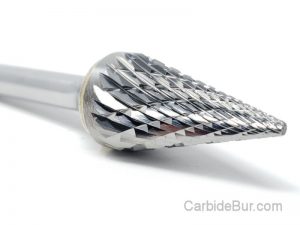
Click here to see our entire selection of USA made carbide bur tools
Essential Deburring Techniques
Starting with the basics, understanding carbide burs is key. These tools are crucial in refining your metalwork, but using them effectively requires some know-how. Let’s explore their role in deburring.
Understanding Carbide Burs
Carbide burs are small cutting tools used for grinding, shaping, and material removal. They are made from tungsten carbide, a material that’s tougher than steel. This makes them ideal for metalworking tasks. Available in various shapes and sizes, they are perfect for intricate deburring jobs. When you choose the right burr, you enhance precision, reduce time, and achieve smoother finishes.
Selecting the Right Carbide Burr
Choosing the right carbide burr can make or break your project. Consider the burr’s shape and size relative to your task. For example, a tree-shaped burr works well on rounded surfaces, while a cylinder-shaped burr is better for flat areas. Evaluate your material too; some burs perform better on specific metals. Picking the right burr tailors your toolset to your needs and boosts productivity.
Techniques for Effective Deburring
Effective deburring requires more than just the right tool; it demands skill and technique. Start slow, and gradually increase speed. Maintain a steady hand to avoid gouges. Aim to remove burrs without damaging the surface. Practice makes perfect, so experiment with different approaches until you find what works best for you.
Carbide Burs RPM Guide
Now that you know which burr to use, let’s talk speed. Different materials and tasks require different RPMs. Understanding these nuances ensures a flawless finish and prolongs the life of your tools.
Optimal RPM for Different Materials
RPMs matter when working with diverse metals. 10,000–25,000 RPM is the sweet spot, but it varies. Softer metals like aluminum need lower speeds to prevent overheating, while steel might require higher RPMs for quick material removal. Always start slow and adjust based on how the metal responds. Tuning your speed ensures efficiency and safety.
Benefits of Variable Speed Die Grinders
Variable speed die grinders offer versatility. You can easily adjust speeds as you switch between different burrs and materials. This flexibility helps you achieve precision without switching tools. It’s a game-changer for any machinist or metalworker, allowing for smoother transitions and better results.
Preventing Overheating and Damage
Overheating can ruin both your workpiece and burr. Keep a close eye on temperature by frequently checking the workpiece. If it gets too hot, reduce speed and allow time to cool. Using proper lubrication can also help manage heat. This proactive approach safeguards your tools and your project.
Choosing the Right Carbide Burr
Selecting the right burr involves more than just shape. The type of cut and the specific metal you’re working with also play crucial roles. Let’s dive into these considerations.
Carbide Burr Shapes for Deburring
Each burr shape serves a unique purpose:
-
Ball-shaped: Great for hollow areas.
-
Oval-shaped: Ideal for rounded edges.
-
Flame-shaped: Perfect for grooves and slots.
Choosing the right shape aligns your tool with the task, enhancing precision and efficiency.
Single Cut vs Double Cut Burrs
Single cut burs have straight flutes, making them perfect for rapid material removal on harder metals. Double cut burs, on the other hand, feature crisscrossing flutes, ideal for a smoother finish on softer metals. Double cut carbide burrs are versatile but may require more control. Knowing when to use each type optimizes your deburring process.
Best Burs for Specific Metals
Matching your burr to the metal is key. For aluminum, use burs designed to prevent loading and sticking. Steel demands robust, sharp burs that maintain cutting efficiency. The right pair can drastically improve your deburring results. Explore more about tungsten carbide burrs here.
By understanding the nuances of these tools and techniques, you not only improve your metalworking skills but also protect your investment in quality burs. Keep experimenting, and you’ll soon master the art of deburring.
Click here to see our entire selection of USA made carbide bur tools
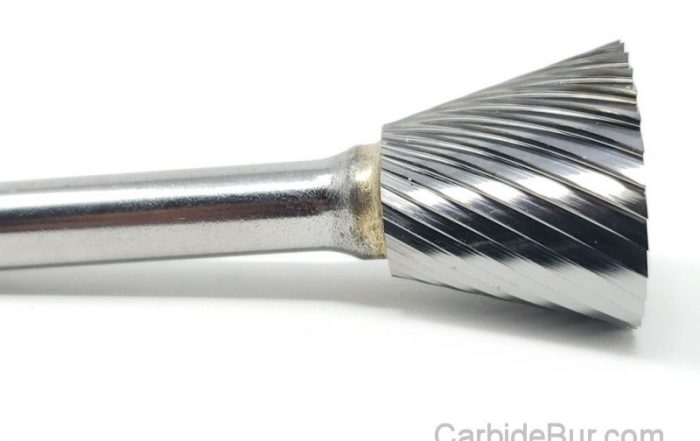
1/8 vs 1/4 Inch Carbide Burrs: What’s the Difference?
1/8 vs 1/4 Inch Carbide Burrs: What's the Difference? Choosing between a 1/8 inch carbide burr and a 1/4 inch carbide burr can change how your project turns out. Many machinists and hobbyists overlook how [...]
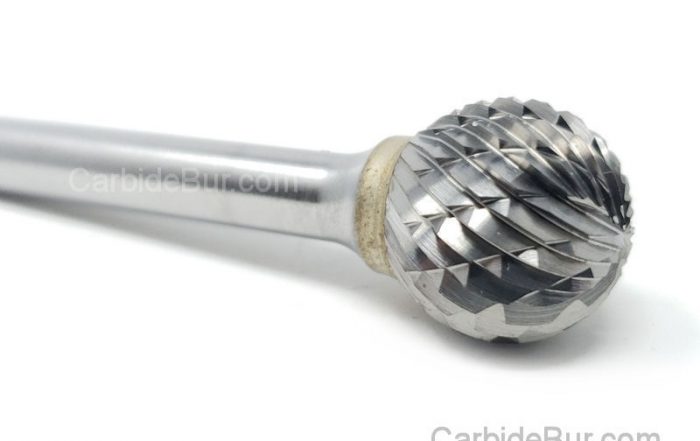
Best Carbide Burr for Removing Flash From Castings
Best Carbide Burr for Removing Flash From Castings Removing flash from castings is a task that can slow down your entire metalworking process if you don’t have the right tools. Picking the best carbide burr [...]
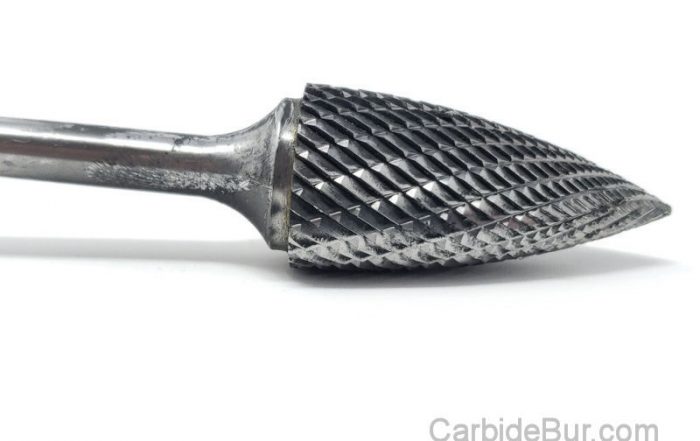
What RPM Should You Use for a 1/4 Inch Carbide Burr?
What RPM Should You Use for a 1/4 Inch Carbide Burr? Most machinists guess the right speed for a 1/4 inch carbide burr and hope for the best. Using the wrong carbide burr RPM can [...]
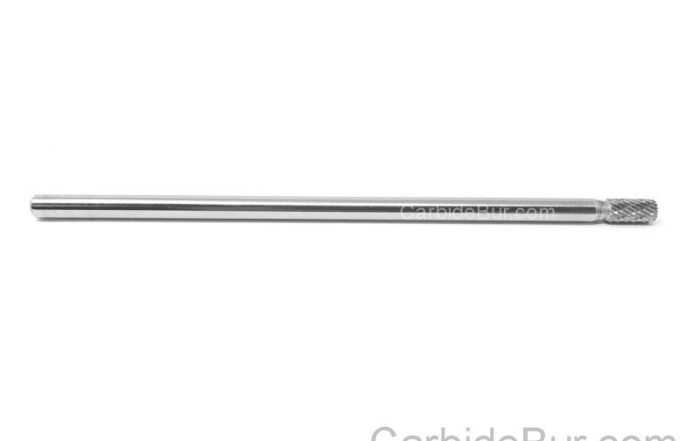
Long Shank Carbide Burrs: When Do You Need One?
Long Shank Carbide Burrs: When Do You Need One? Most machinists overlook the power of long shank carbide burrs until a project demands precision in tight spaces. When your usual tools can’t reach intricate contours, [...]
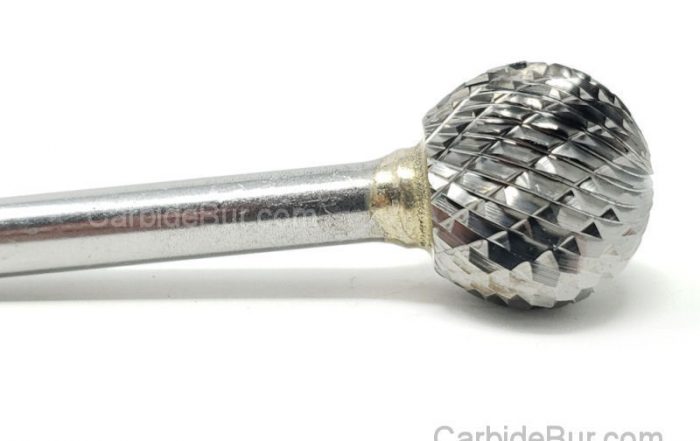
How Deep Can a Carbide Burr Cut Metal?
How Deep Can a Carbide Burr Cut Metal? Carbide burrs often get praised for their precision, but many users hit a wall wondering how deep they can actually cut metal. The truth is, cutting depth [...]
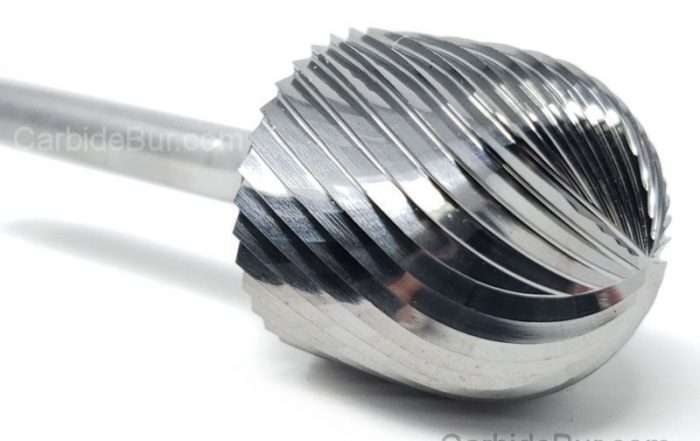
How to Use Carbide Burrs for Port Matching
How to Use Carbide Burrs for Port Matching Most engine builds hit a wall when airflow doesn’t flow smoothly between the ports and manifolds. If your engine isn’t breathing right, your performance stalls. Using the [...]
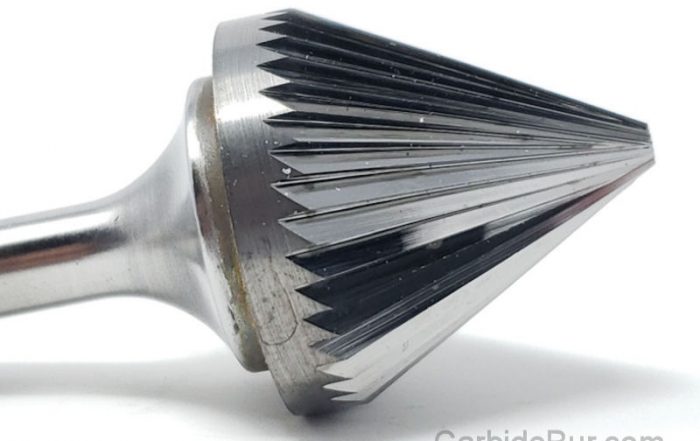
Best Carbide Burr for Porting Intake Manifolds
Best Carbide Burr for Porting Intake Manifolds Porting intake manifolds can make or break your engine’s airflow, yet many struggle with the right tools for the job. Choosing the best carbide burrs is key to [...]
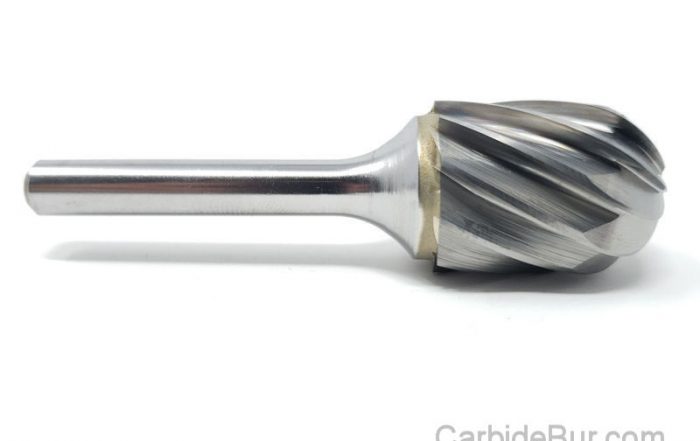
Best Carbide Burr for Concave Surfaces
Best Carbide Burr for Concave Surfaces Concave surfaces can turn a straightforward project into a frustrating challenge if you don’t have the right tool. Carbide burrs designed for these tricky curves make all the difference [...]
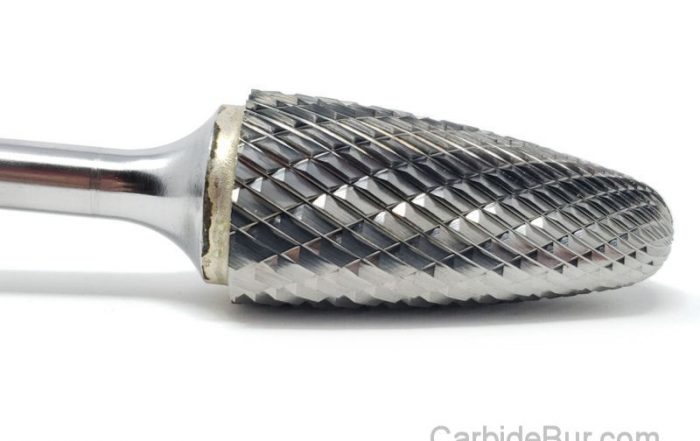
How to Grind a Slot in Metal With a Carbide Burr
How to Grind a Slot in Metal With a Carbide Burr Grinding a precise slot in metal can feel like a tricky task, especially if you’re unsure which tools to trust. Carbide burr grinding offers [...]

Best Carbide Burr for Inside Corners
Best Carbide Burr for Inside Corners Working in tight inside corners can turn even simple projects into frustrating tasks. Many carbide burrs just don’t fit or cut cleanly where you need them most. The best [...]
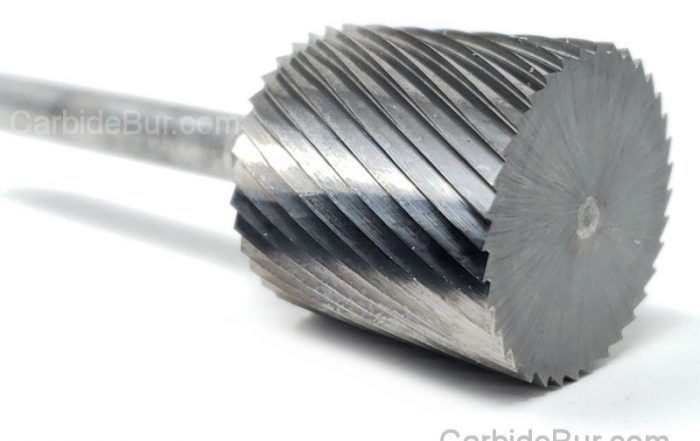
What Size Carbide Burr Do I Need?
What Size Carbide Burr Do I Need? Picking the wrong carbide burr can turn a simple project into a frustrating mess. You might have the best machining tools but still miss the mark if your [...]
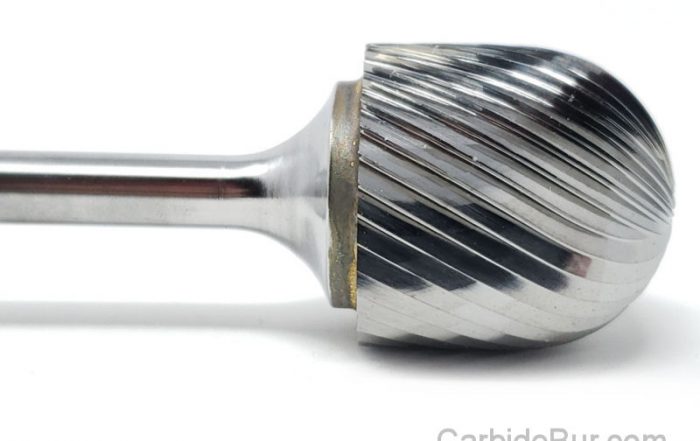
How to Smooth Sharp Metal Edges With a Carbide Burr
How to Smooth Sharp Metal Edges With a Carbide Burr Sharp metal edges can turn your project from professional to risky in seconds. If you’ve struggled with smoothing metal edges without scratching or weakening the [...]
