
Mastering Metalwork: Personal Protective Equipment and Handling Techniques for Carbide Burrs
Most metalworkers underestimate the risks of using carbide burrs until an accident happens. Whether you’re a hobbyist or a pro, ignoring carbide burr safety can lead to serious injuries. This guide breaks down essential PPE for metalworking, safe handling of tools, and smart workspace organization to keep your projects accident-free and your tools in top shape. For more information, you can check out this link.
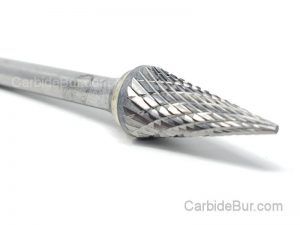
Click here for our entire selection of carbide bur tools
Essential PPE for Metalworking
When diving into metalworking, Personal Protective Equipment (PPE) is your first line of defense. Proper gear shields you from unforeseen accidents and enhances your working confidence.
Choosing the Right Gear
Selecting the right gear can be daunting. Start with durable gloves. They protect your hands from sharp edges and flying debris. Next, invest in a sturdy apron. It keeps sparks and heat at bay. Finally, opt for steel-toed boots. These prevent injuries if heavy objects fall. No compromise here—quality gear matters.
Importance of Eye Protection
Your eyes are vulnerable, so safeguarding them is crucial. Wear safety glasses with side shields. They block tiny splinters and dust. For extra protection, consider adding a face shield. This double-layered defense ensures nothing sneaks through.
Hearing Protection Essentials
Long hours in a workshop can harm your ears. Earplugs are an affordable choice. They block loud noises effectively. For more comfort, earmuffs offer great sound isolation. Remember, a quiet workspace keeps you focused and prevents hearing damage.
Safe Handling of Carbide Burrs
Handling carbide burrs demands skill and care. Mastering these tools ensures precision and reduces risks.
Proper Technique Tips
Grip matters. Hold your tool firmly but not too tight. This balance gives you control and reduces strain. Next, maintain a steady hand. Rushing leads to mistakes and accidents. Practice makes perfect, so take it slow and steady.
Handling Tungsten Carbide Burrs
Tungsten carbide burrs are a metalworker’s best friend. They’re durable and precise. For optimal results, match the burr size to your project. This ensures smooth cuts and prolongs tool life. Always check for wear before each use.
Avoiding Common Mistakes
Common errors can lead to mishaps. Don’t apply excessive force—let the tool do the work. Watch your angles. Keeping the burr perpendicular prevents uneven cuts. Lastly, ensure your workspace is clutter-free. A tidy area reduces the risk of accidents.
Organizing Your Metalworking Space
A well-organized workspace boosts efficiency and safety. It keeps your projects on track and your mind at ease.
Tool Storage Best Practices
Proper tool storage prevents damage and loss. Use pegboards to hang frequently used tools. Label drawers for easy access to small items like bolts. This saves time and reduces clutter.
Maintaining a Clean Workspace
A clean workspace is a safe workspace. Sweep regularly to clear debris. Use a vacuum to remove fine dust particles. This not only keeps your area tidy but also improves air quality.
Accident Prevention Strategies
Preventing accidents begins with awareness. Conduct regular checks on your tools. Ensure they’re in good working condition. Educate yourself on the latest safety protocols and encourage peers to do the same. Safety is a collective responsibility.
Incorporating these practices into your routine will not only protect you but also enhance your craftsmanship. Remember, the longer you wait to implement safety measures, the higher the risk of an accident. Stay proactive and prioritize safety every step of the way.
Click here for our entire selection of carbide bur tools
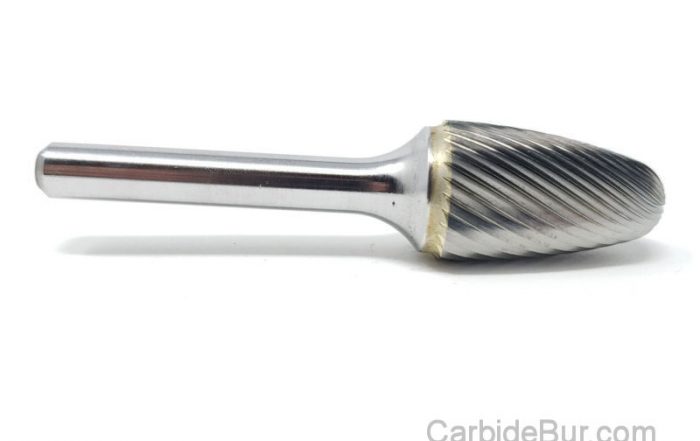
How to Grind a Groove in Metal With a Carbide Burr
How to Grind a Groove in Metal With a Carbide Burr Most metalworkers struggle to cut clean grooves without wasting time or ruining their workpiece. Many try different metalworking tools but end up with uneven [...]
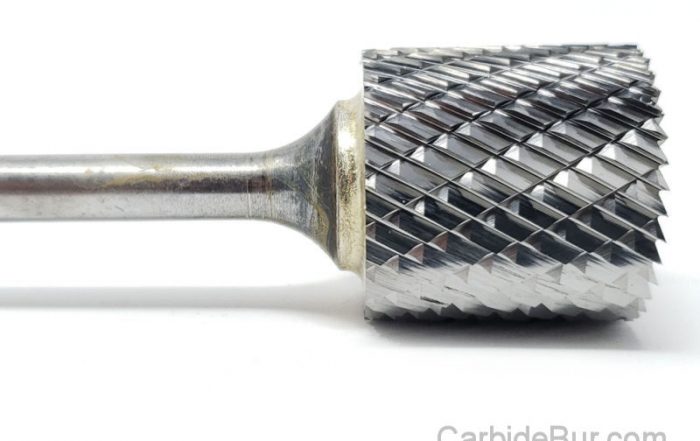
Can Carbide Burrs Cut Through Welds?
Can Carbide Burrs Cut Through Welds? Cutting through welds can feel like a battle, especially when you need clean results without harming the base metal. Carbide burrs offer a sharp edge in this fight, but [...]
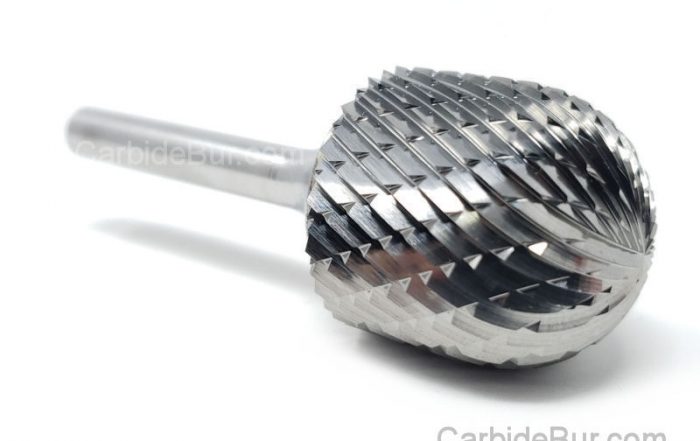
How to Use a Carbide Burr With a Die Grinder
How to Use a Carbide Burr With a Die Grinder Most people treat a carbide burr like just another tool, but using it with a die grinder takes skill. If you’ve struggled with burr installation [...]
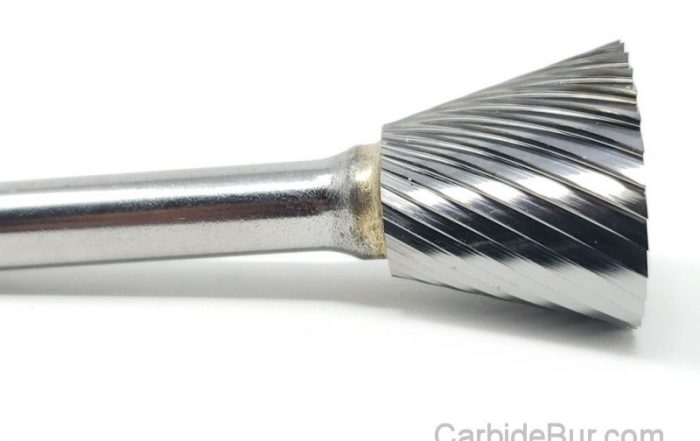
1/8 vs 1/4 Inch Carbide Burrs: What’s the Difference?
1/8 vs 1/4 Inch Carbide Burrs: What's the Difference? Choosing between a 1/8 inch carbide burr and a 1/4 inch carbide burr can change how your project turns out. Many machinists and hobbyists overlook how [...]
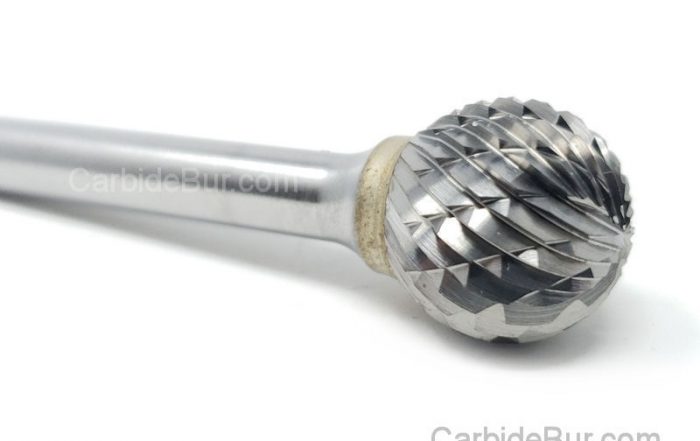
Best Carbide Burr for Removing Flash From Castings
Best Carbide Burr for Removing Flash From Castings Removing flash from castings is a task that can slow down your entire metalworking process if you don’t have the right tools. Picking the best carbide burr [...]
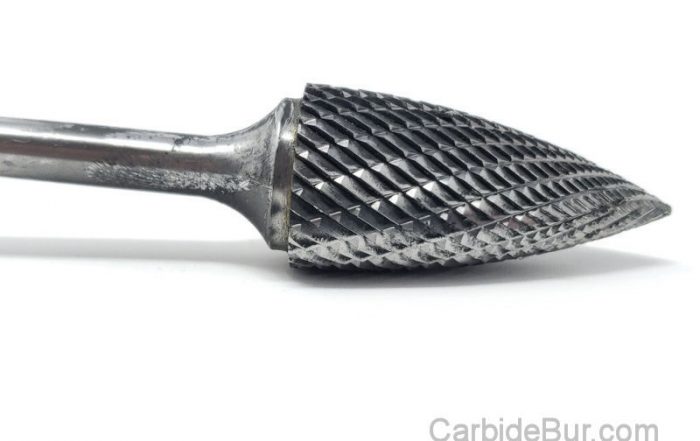
What RPM Should You Use for a 1/4 Inch Carbide Burr?
What RPM Should You Use for a 1/4 Inch Carbide Burr? Most machinists guess the right speed for a 1/4 inch carbide burr and hope for the best. Using the wrong carbide burr RPM can [...]
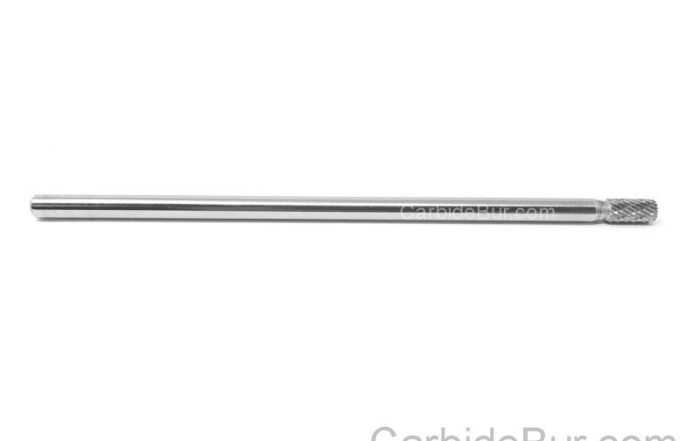
Long Shank Carbide Burrs: When Do You Need One?
Long Shank Carbide Burrs: When Do You Need One? Most machinists overlook the power of long shank carbide burrs until a project demands precision in tight spaces. When your usual tools can’t reach intricate contours, [...]
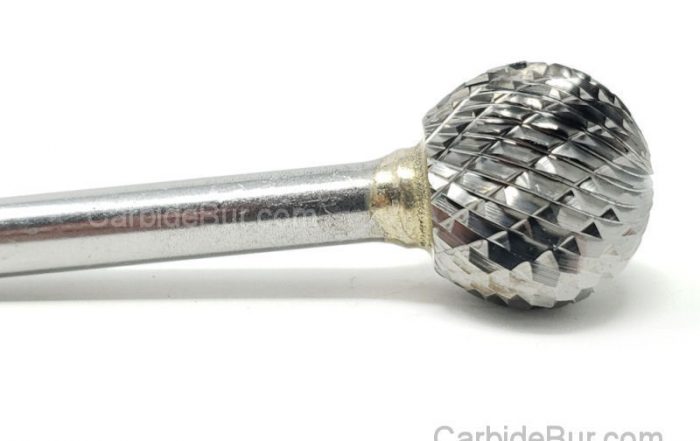
How Deep Can a Carbide Burr Cut Metal?
How Deep Can a Carbide Burr Cut Metal? Carbide burrs often get praised for their precision, but many users hit a wall wondering how deep they can actually cut metal. The truth is, cutting depth [...]
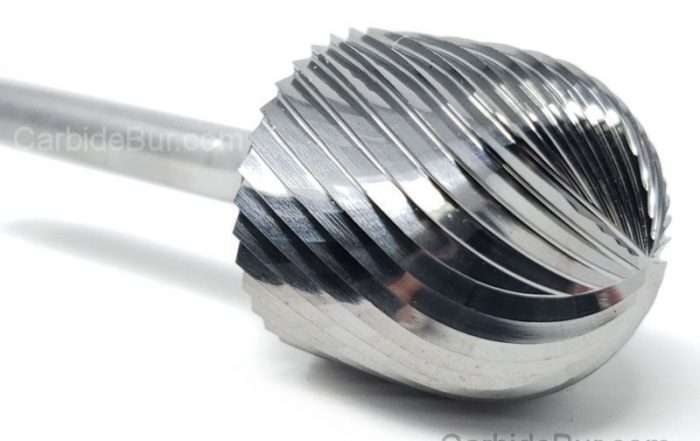
How to Use Carbide Burrs for Port Matching
How to Use Carbide Burrs for Port Matching Most engine builds hit a wall when airflow doesn’t flow smoothly between the ports and manifolds. If your engine isn’t breathing right, your performance stalls. Using the [...]
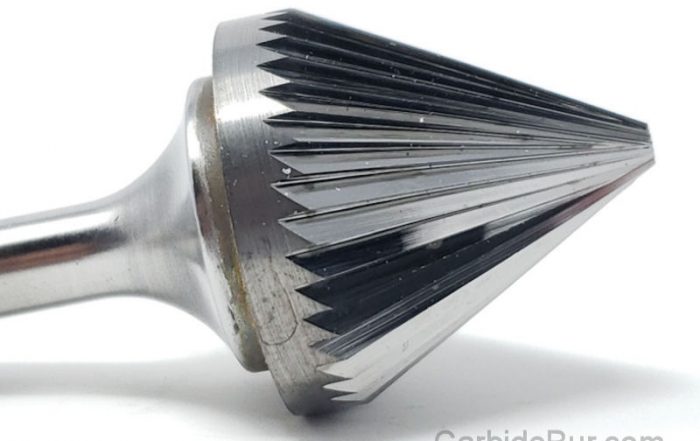
Best Carbide Burr for Porting Intake Manifolds
Best Carbide Burr for Porting Intake Manifolds Porting intake manifolds can make or break your engine’s airflow, yet many struggle with the right tools for the job. Choosing the best carbide burrs is key to [...]
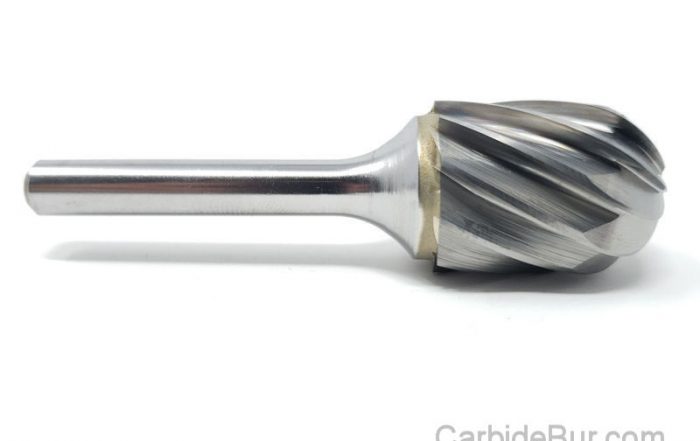
Best Carbide Burr for Concave Surfaces
Best Carbide Burr for Concave Surfaces Concave surfaces can turn a straightforward project into a frustrating challenge if you don’t have the right tool. Carbide burrs designed for these tricky curves make all the difference [...]
How to Grind a Slot in Metal With a Carbide Burr
How to Grind a Slot in Metal With a Carbide Burr Grinding a precise slot in metal can feel like a tricky task, especially if you’re unsure which tools to trust. Carbide burr grinding offers [...]
