
Mastering Flow Testing: How Precise Carbide Burs Boost Car Performance
Most porting results disappoint because the tooling wasn’t precise enough. When you use carbide burs with care, flow numbers jump in ways you might not expect. This post breaks down how exact bur work changes your flow testing results and shares DIY flow bench tips that cut through common myths. Stick around—your engine tuning could take a sharp turn for the better. For more information, check out this link.
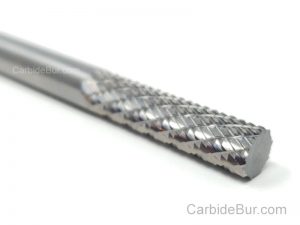
Have you checked out our selection of Carbide Bur Tools?
The Importance of Flow Testing
Unlocking the potential of your engine begins with understanding flow testing. Accurately measuring airflow can reveal the hidden performance capabilities of your car.
Understanding Flow Numbers
Flow numbers are vital to gauging an engine’s efficiency. These numbers show how much air moves through the engine at various stages of porting. The greater the airflow, the better the engine breathes, which leads to improved performance. The challenge lies in making sense of these numbers. A small change in the shape or texture of a port can significantly alter results. For example, a mere 5% increase in flow can add noticeable horsepower. This is where knowing the math behind flow numbers becomes your secret weapon.
To get a handle on flow numbers, you must first measure them accurately. This involves using a flow bench, a tool that simulates engine conditions. With this data, you can make informed decisions about your engine modifications. The goal is to find the sweet spot that maximizes airflow without compromising engine stability. Flow testing is not just for professionals; with the right tools, you can conduct these tests at home.
How Carbide Burs Impact Results
Carbide burs are game-changers in the porting world. They allow you to shape and refine engine ports with precision. By carefully removing material, you can guide airflow more effectively, leading to improved flow numbers. The magic lies in the burs’ ability to create smooth surfaces without damaging the port walls. When you use carbide burs, you gain control over how air interacts with the engine’s components. This can lead to dramatic shifts in performance.
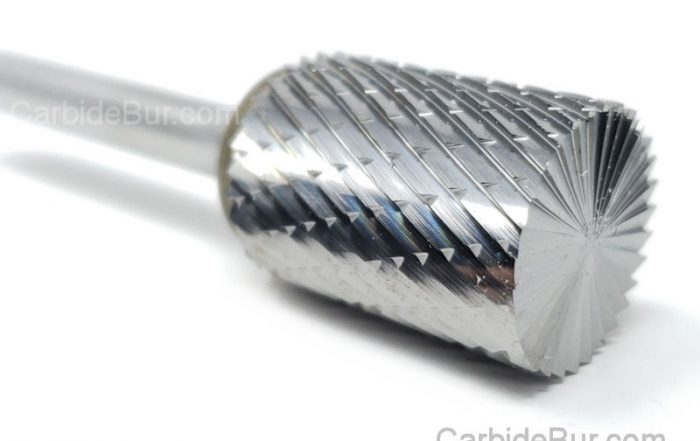
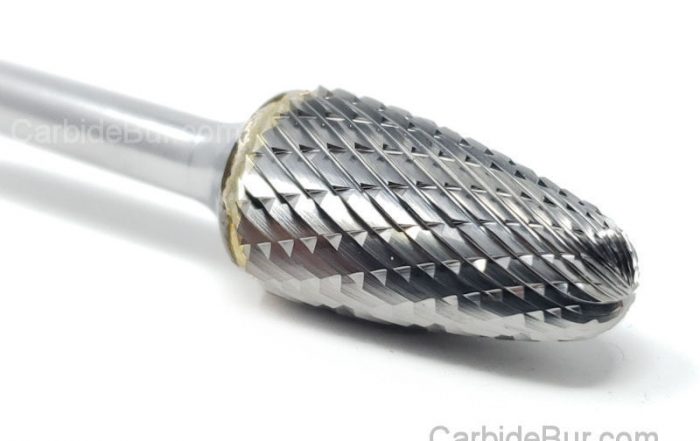
Want to know how to get the best results? It’s all about technique. Start by understanding the specific needs of your engine. Consider using a combination of burr shapes to achieve the desired outcome. For instance, you might choose a cylindrical bur for smoothing large areas and a tapered bur for detail work. The key is to maintain consistency throughout the process, ensuring that each port is equally refined. Check out more on carbide burs’ role in engine porting on this link.
DIY Flow Bench Tips
Building your own flow bench is easier than you might think. With the right materials, you can have a working bench in no time. Let’s explore how to set it up and common pitfalls to dodge.
Setting Up Your Bench
Creating a DIY flow bench starts with gathering materials. You’ll need a vacuum source, flow plates, and a manometer. First, secure a sturdy base for your setup. Attach your vacuum source, ensuring it’s powerful enough to simulate engine conditions. Next, position the flow plates to manage the airflow. These plates should be interchangeable to measure different ports. Finally, connect a manometer to track pressure changes.
Testing your setup is crucial. Start with small tests to ensure accuracy. Adjust the vacuum strength and plate positioning as needed. Remember, the goal is to mimic real-world conditions as closely as possible. Once everything is in place, record baseline flow numbers for reference. This will serve as your benchmark when making future modifications. DIY flow bench creation empowers you to test on your terms, offering both learning and performance gains.
Common Mistakes to Avoid
Missteps can derail your flow bench efforts. One common mistake is neglecting to calibrate the manometer. Inaccurate readings can lead to misguided modifications. Always double-check your setup before running tests. Another pitfall is using an underpowered vacuum source. If your vacuum can’t replicate engine conditions, your data will be flawed. Make sure your vacuum is up to the task.
Some enthusiasts forget to clean their flow plates regularly. Dust and debris can alter flow readings, skewing your results. Keep your equipment in top condition to ensure reliable data. Lastly, don’t rush the process. Accurate flow testing requires patience and precision. By avoiding these mistakes, you ensure reliable flow numbers that guide your engine tuning endeavors.
Debunking Myths in Engine Tuning
Many myths surround engine tuning and porting. These misconceptions can lead to costly errors. Let’s set the record straight.
Myths About Porting
One prevalent myth is that bigger ports always lead to better performance. This isn’t true. Oversized ports can reduce airspeed, robbing your engine of power. Instead, focus on optimizing the shape and texture of your ports. Another myth is that all ports should be identical. While symmetry is important, slight variations can be beneficial. Tailor each port to its specific role within the engine.
Some believe that porting is only for high-performance vehicles. In reality, any engine can benefit from thoughtful modifications. Porting can enhance daily drivers, improving efficiency and longevity. Understanding these truths helps you make informed decisions about your engine. For a deeper dive into how porting myths can be dispelled, visit this link.
Precision Tooling Truths
Precision tooling is the backbone of successful engine modifications. When you use tools like carbide burs, you gain the ability to make precise adjustments. One truth is that the quality of your tools directly impacts your results. Investing in high-grade burs is essential. These tools allow for smooth, controlled material removal. Another truth is that technique matters. Even the best tools won’t compensate for poor craftsmanship.
Practice your technique on scrap materials before working on your engine. This builds confidence and ensures you’re ready for the real thing. The longer you wait to hone your skills, the longer it takes to see performance gains. Precision tooling is about mastery over your tools. When you pair quality tools with skillful execution, the results are remarkable. For insights on how precision tooling boosts high-performance builds, check this link.
In conclusion, mastering flow testing and precision tooling can significantly enhance your car’s performance. By understanding flow numbers, using carbide burs effectively, and setting up a DIY flow bench, you can unlock your engine’s potential.
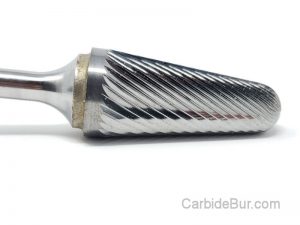
Find more information at CarbideBur.com
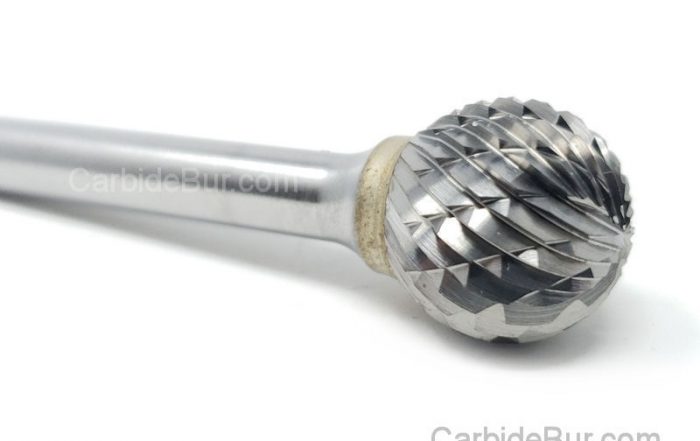
Carbide Burr vs. Grinding Stone: Which Is Better for Metal Removal?
Carbide Burr vs. Grinding Stone: Which Is Better for Metal Removal? When you need to remove metal, smooth a rough edge, or shape a metal component, two common options are carbide burrs and grinding stones. [...]
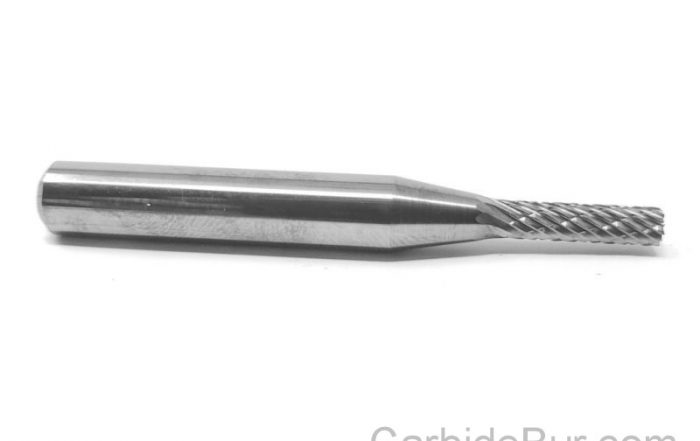
Carbide Burr Safety: RPM, Eye Protection, and Common Mistakes
Carbide Burr Safety: RPM, Eye Protection, and Common Mistakes Carbide burrs are versatile cutting tools used for metal fabrication, welding cleanup, engine porting, deburring, and general material removal. When used correctly, they can help remove [...]
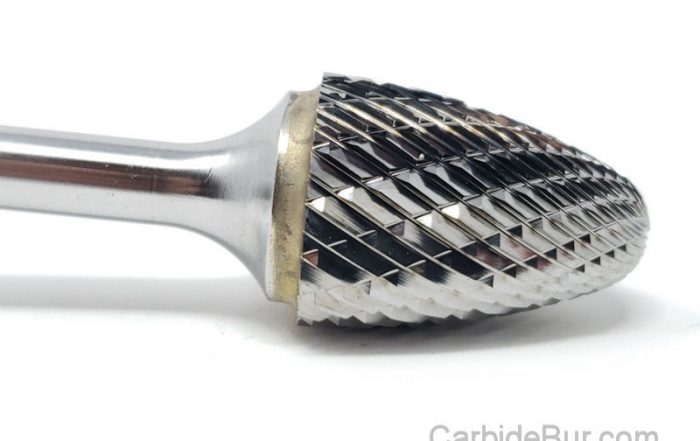
How to Stop Aluminum from Clogging Your Carbide Burr
How to Stop Aluminum from Clogging Your Carbide Burr Aluminum is widely used in automotive work, welding, metal fabrication, aerospace components, and general machining. It is lightweight, relatively easy to machine, and versatile across many [...]
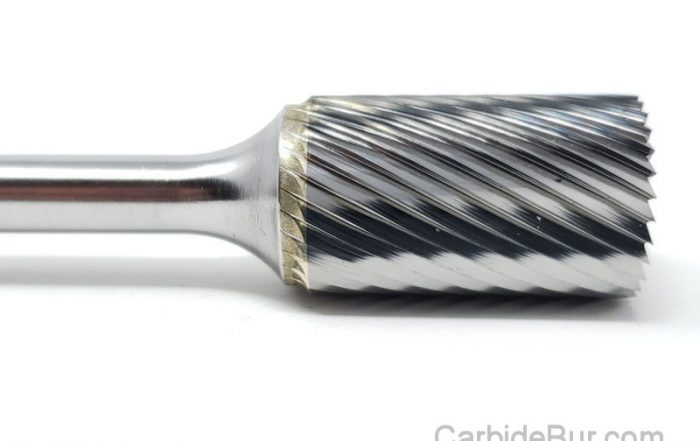
Carbide Burrs for Intake Manifolds: Shaping, Cleanup, and Fitment
Carbide Burrs for Intake Manifolds: Shaping, Cleanup, and Fitment Intake manifold work often involves more than simply bolting a component onto an engine. Depending on the application, metal intake components may have casting irregularities, rough [...]
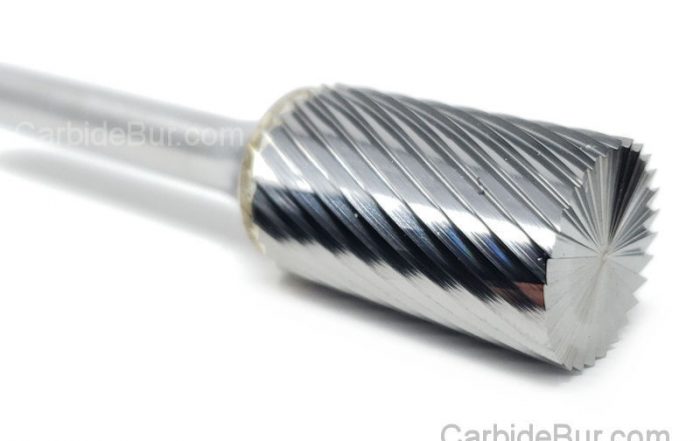
Why Long-Shank Carbide Burrs Are Useful for Hard-to-Reach Areas
Why Long-Shank Carbide Burrs Are Useful for Hard-to-Reach Areas When working on metal parts, the area that needs grinding or shaping is not always easy to reach. Recessed openings, deep cavities, interior surfaces, and complicated [...]
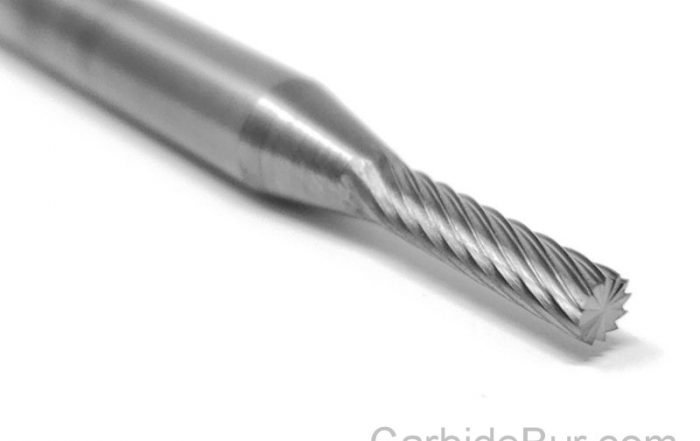
Choosing Carbide Burrs for Stainless Steel Fabrication
Choosing Carbide Burrs for Stainless Steel Fabrication Stainless steel is widely used in fabrication because of its corrosion resistance, strength, and durability. However, those same properties can make it challenging to machine and finish. Removing [...]
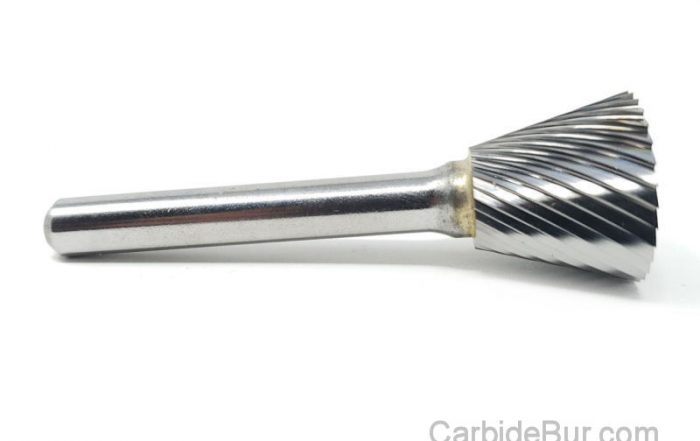
Can You Use Carbide Burrs in a Dremel? Shank Sizes Explained
Can You Use Carbide Burrs in a Dremel? Shank Sizes Explained If you use a Dremel or another rotary tool for detail work, metal shaping, or small fabrication projects, you may wonder whether you can [...]
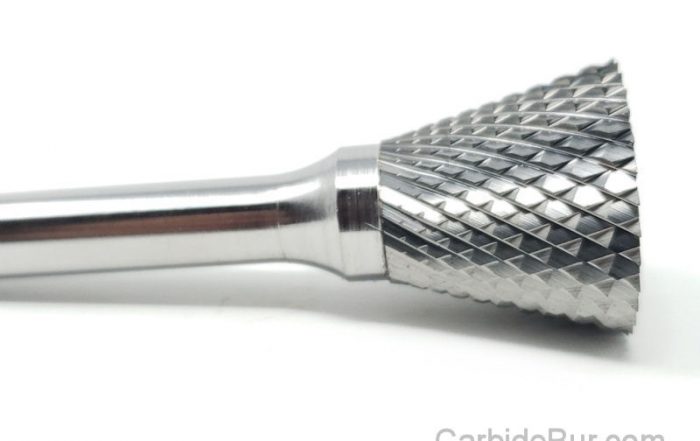
How to Choose the Best Carbide Burr for Welding and Metal Fabrication
How to Choose the Best Carbide Burr for Welding and Metal Fabrication Welding and metal fabrication often require more than joining two pieces of metal together. Once the welding is finished, fabricators frequently need to [...]
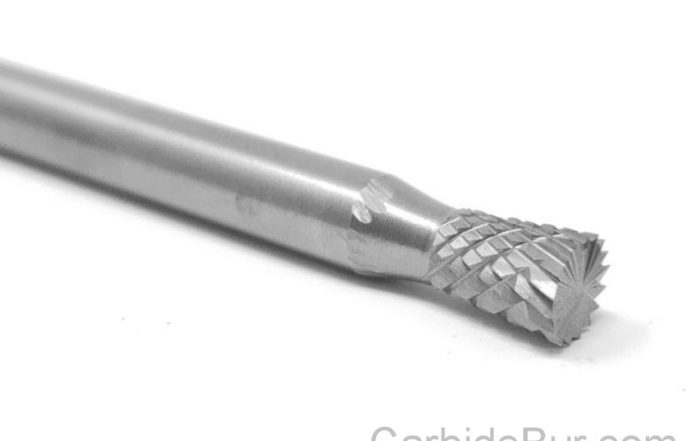
Carbide Burrs for Cylinder Heads: What Automotive Enthusiasts Need to Know
Carbide Burrs for Cylinder Heads: What Automotive Enthusiasts Need to Know Cylinder head work is an important part of engine building, restoration, and performance machining. Whether you are cleaning up casting imperfections, refining port surfaces, [...]
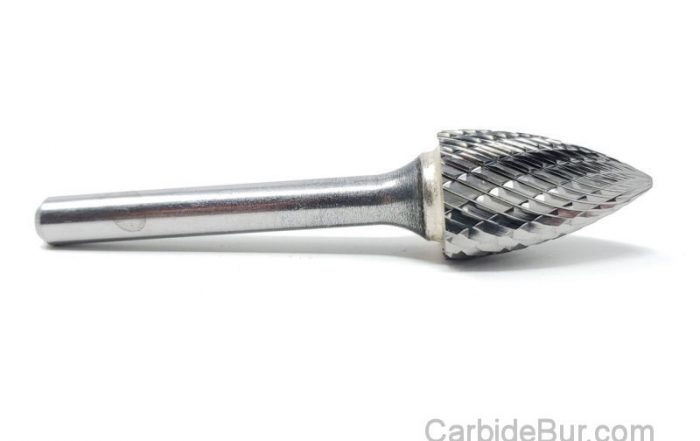
Engine Porting 101: How Carbide Burrs Help Shape Cylinder Head Ports
Engine Porting 101: How Carbide Burrs Help Shape Cylinder Head Ports Engine performance enthusiasts, automotive machinists, and engine builders often look for ways to improve airflow through an engine's cylinder heads. One technique used in [...]
When to Use a 4-Inch or 9-Inch Die Grinder Extension
When to Use a 4-Inch or 9-Inch Die Grinder Extension Metal fabrication, welding, automotive repair, and engine building often require working in places where a standard die grinder and carbide burr cannot easily reach. Recessed [...]
Why Buy USA-Made Carbide Burr Tools? What Buyers Should Compare
Why Buy USA-Made Carbide Burr Tools? What Buyers Should Compare When shopping for carbide burr tools, it's tempting to compare products based on price alone. However, professionals who use rotary cutting tools for welding, metal [...]
