
From Manufacturing History to Bur Design: Understanding the Evolution of Carbide Burs
Carbide bur technology didn’t emerge overnight—it’s the product of decades of manufacturing history pushing the limits of precision tools. If you’re working with high-tech tools, understanding how bur design evolved can reshape your approach to engineering challenges. In this post, you’ll trace key advancements in manufacturing and tool coatings that have defined modern carbide burs and their role in engineering innovations. Learn more here.
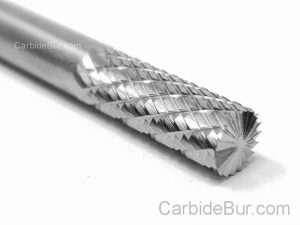
Which carbide bur tools do you use the most?
Evolution of Carbide Bur Technology
The story of carbide burs is one of progress and precision. Here’s how it all began and where it’s heading.
Manufacturing History Highlights
The journey of carbide burs started decades ago. In the beginning, manufacturers focused on creating tools that could handle tough materials with ease. Over time, the demand for precise and efficient tools grew. Those early days were all about trial and error, finding the best mix of materials for durability.
-
Manufacturers experimented with tungsten carbide, a game-changer for its strength.
-
The rise of industrialization called for tools that could withstand higher demands.
The foundation laid in those times set the stage for today’s advancements. Read more on this evolution.
Key Advancements in Manufacturing
Fast forward to today, and manufacturing has seen remarkable changes. Automation and technology integration have transformed production lines. Now, creating carbide burs is about precision and speed.
-
CNC machines allow for exact specifications, reducing waste.
-
Laser technology enhances accuracy, ensuring each bur meets rigorous standards.
These advancements mean you get a tool that’s not just functional but optimized for your needs. The backbone of modern manufacturing is efficiency, and it shows in every bur produced.
Evolution of Bur Design
Bur design has evolved from simple shapes to intricate, specialized forms. Initially, the focus was on creating a tool that could cut effectively. Today, design considers many factors, such as material compatibility and cutting efficiency.
-
Designs now cater to specific tasks, from cutting to smoothing.
-
Ergonomics play a role, making tools easier to handle and reducing fatigue.
Design changes aren’t just cosmetic; they improve performance and user experience. This evolution reflects the industry’s response to the needs of users like you.
Modern Innovations in Carbide Burs
Today’s carbide burs are nothing short of technological marvels, thanks to advances in coatings and design.
Tool Coatings and Their Impact
Coatings have revolutionized how burs perform. A good coating improves durability and cutting efficiency. The right coating can make a burlast longer and cut cleaner.
-
Titanium coatings reduce friction, extending tool life.
-
Diamond coatings offer enhanced hardness for tougher applications.
The selection of coatings allows you to choose a tool perfect for your specific tasks. It’s an innovation that can save time and money by reducing tool wear. Discover more about these coatings.
High-Tech Tools for Precision
Precision matters, especially in engineering. High-tech tools deliver that precision by combining advanced design with cutting-edge technology. These tools are built to handle the finest details.
-
Smart sensors in tools provide feedback, improving outcomes.
-
Digital interfaces allow for more control over bur operations.
These features enhance your ability to achieve precise results every time. When precision is key, high-tech tools make the difference.
Engineering Innovations in Burs
Innovation in bur design doesn’t rest. Engineers continuously seek ways to improve efficiency and effectiveness. Whether it’s new materials or enhanced geometries, these innovations help meet the demands of modern engineering.
-
Hybrid materials offer unique properties for specialized tasks.
-
Complex geometries improve cutting angles and reduce resistance.
These advancements mean more options for you, tailored to the challenges you face. Explore engineering innovations here.
Future of Carbide Bur Technology
Looking ahead, the future of carbide burs is bright with possibilities. Emerging trends and potential applications promise to redefine the industry.
Trends in Precision Tools
Precision tools continue to evolve, driven by technology and user needs. Future trends point to even greater precision and adaptability.
-
AI integration in tool design to predict maintenance needs.
-
3D printing of custom burs for unique applications.
These trends indicate a shift towards smarter, more adaptable tools, ensuring you have the right tool for every task.
Potential in Engineering and Manufacturing
The potential for carbide burs extends beyond current applications. As materials and technology evolve, so too will the capabilities of these tools.
-
New materials offer possibilities for lighter, stronger tools.
-
Collaborative robots (cobots) could enhance manufacturing processes.
The future holds exciting opportunities for innovation in engineering and manufacturing. The longer you wait to explore these tools, the more potential you’ll miss. Learn about the future of tooling technology.
In conclusion, the evolution of carbide burs is a testament to the power of innovation. As you integrate these tools into your work, you not only enhance your capabilities but also become part of a legacy of precision and progress.
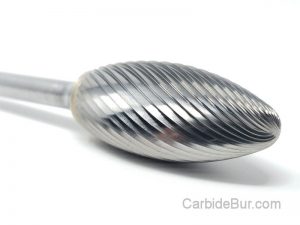
Looking for Carbide Bur Tools?
Check out our entire selection of USA made carbide bur die grinder tool bits
Follow us on Twitter

Return to CarbideBur.com
Carbide Burs – 1/4″ on 1/8″ Shanks – Accessories – Aluminum Cut – Bur Sets – End Mills – Long Shank – Solid Burs

Carbide Burr vs. Grinding Stone: Which Is Better for Metal Removal?
Carbide Burr vs. Grinding Stone: Which Is Better for Metal Removal? When you need to remove metal, smooth a rough edge, or shape a metal component, two common options are carbide burrs and grinding stones. [...]
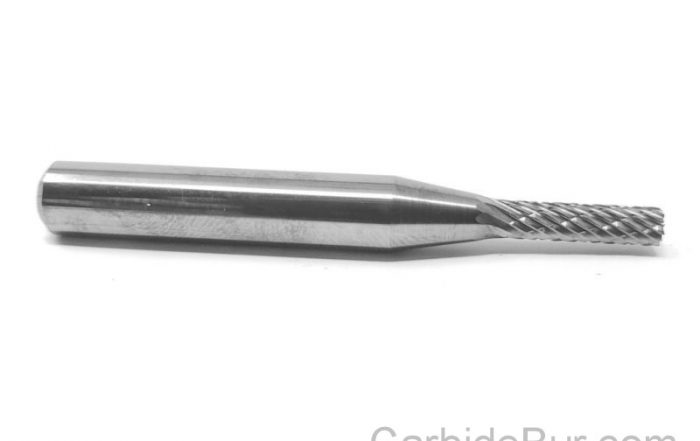
Carbide Burr Safety: RPM, Eye Protection, and Common Mistakes
Carbide Burr Safety: RPM, Eye Protection, and Common Mistakes Carbide burrs are versatile cutting tools used for metal fabrication, welding cleanup, engine porting, deburring, and general material removal. When used correctly, they can help remove [...]
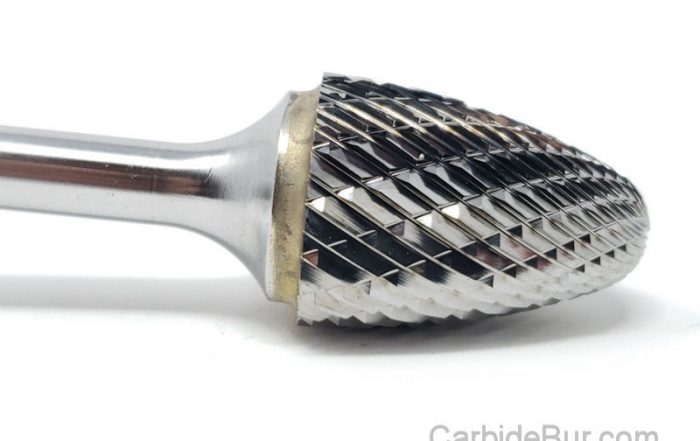
How to Stop Aluminum from Clogging Your Carbide Burr
How to Stop Aluminum from Clogging Your Carbide Burr Aluminum is widely used in automotive work, welding, metal fabrication, aerospace components, and general machining. It is lightweight, relatively easy to machine, and versatile across many [...]
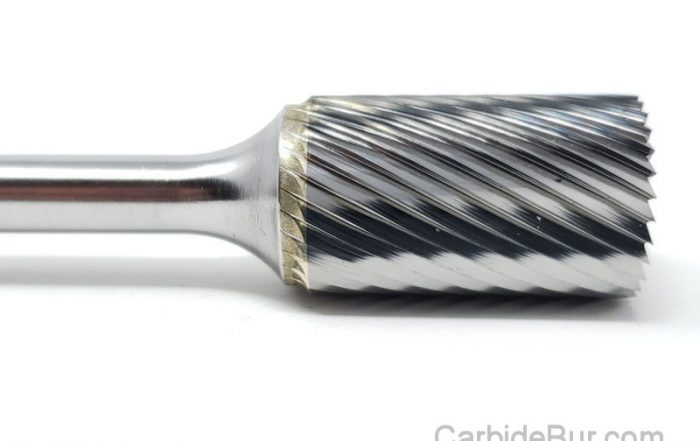
Carbide Burrs for Intake Manifolds: Shaping, Cleanup, and Fitment
Carbide Burrs for Intake Manifolds: Shaping, Cleanup, and Fitment Intake manifold work often involves more than simply bolting a component onto an engine. Depending on the application, metal intake components may have casting irregularities, rough [...]
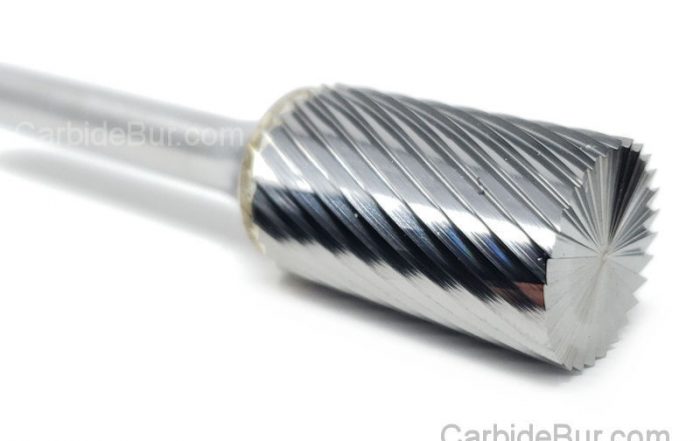
Why Long-Shank Carbide Burrs Are Useful for Hard-to-Reach Areas
Why Long-Shank Carbide Burrs Are Useful for Hard-to-Reach Areas When working on metal parts, the area that needs grinding or shaping is not always easy to reach. Recessed openings, deep cavities, interior surfaces, and complicated [...]
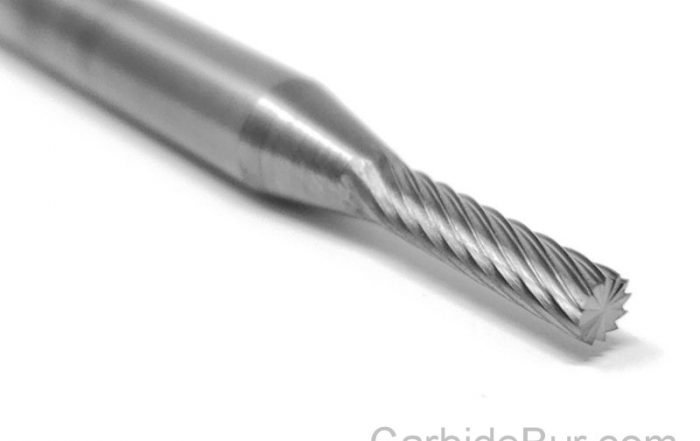
Choosing Carbide Burrs for Stainless Steel Fabrication
Choosing Carbide Burrs for Stainless Steel Fabrication Stainless steel is widely used in fabrication because of its corrosion resistance, strength, and durability. However, those same properties can make it challenging to machine and finish. Removing [...]
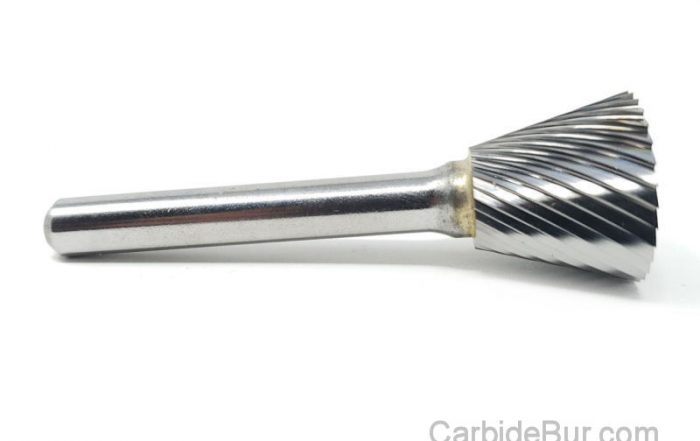
Can You Use Carbide Burrs in a Dremel? Shank Sizes Explained
Can You Use Carbide Burrs in a Dremel? Shank Sizes Explained If you use a Dremel or another rotary tool for detail work, metal shaping, or small fabrication projects, you may wonder whether you can [...]
How to Choose the Best Carbide Burr for Welding and Metal Fabrication
How to Choose the Best Carbide Burr for Welding and Metal Fabrication Welding and metal fabrication often require more than joining two pieces of metal together. Once the welding is finished, fabricators frequently need to [...]
Carbide Burrs for Cylinder Heads: What Automotive Enthusiasts Need to Know
Carbide Burrs for Cylinder Heads: What Automotive Enthusiasts Need to Know Cylinder head work is an important part of engine building, restoration, and performance machining. Whether you are cleaning up casting imperfections, refining port surfaces, [...]
Engine Porting 101: How Carbide Burrs Help Shape Cylinder Head Ports
Engine Porting 101: How Carbide Burrs Help Shape Cylinder Head Ports Engine performance enthusiasts, automotive machinists, and engine builders often look for ways to improve airflow through an engine's cylinder heads. One technique used in [...]
When to Use a 4-Inch or 9-Inch Die Grinder Extension
When to Use a 4-Inch or 9-Inch Die Grinder Extension Metal fabrication, welding, automotive repair, and engine building often require working in places where a standard die grinder and carbide burr cannot easily reach. Recessed [...]
Why Buy USA-Made Carbide Burr Tools? What Buyers Should Compare
Why Buy USA-Made Carbide Burr Tools? What Buyers Should Compare When shopping for carbide burr tools, it's tempting to compare products based on price alone. However, professionals who use rotary cutting tools for welding, metal [...]
