
Organize Your Workspace for Safer Carbide Bur Operations
Most injuries with carbide burs happen because of overlooked safety steps. You might think wearing gloves or adjusting speed is enough, but small mistakes still cause serious problems. This guide breaks down the key points on carbide bur safety, from choosing the right protective gear to organizing your workspace for fewer risks and smoother handling. For more detailed information, you can check out this comprehensive guide.
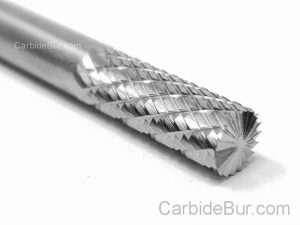
Which carbide bur tools do you use the most?
Essential Carbide Bur Safety Measures
Safety is your top priority when handling carbide burs. Let’s dive into protective gear, speed settings, and common mistakes you should avoid for a safer experience.
Protective Gear for Carbide Burs
Wearing the right gear can mean the difference between a successful project and a costly injury. Protective gear for carbide burs includes gloves, goggles, and aprons. These items shield you from flying debris and reduce the risk of cuts or burns.
-
Gloves: Look for cut-resistant options to protect your hands.
-
Goggles: Ensure they are impact-resistant to guard your eyes.
-
Aprons: Use a heavy-duty material to cover your body.
Each piece of gear serves a specific function. For instance, gloves help you maintain a firm grip, while goggles prevent eye injuries from metal shards. Check out this guide on personal protective equipment to learn more.
Speed Settings for Carbide Burs
Speed is key. Too fast, and you risk losing control. Too slow, and you might not get the job done efficiently. The right speed settings vary based on the material you’re working with. Start by consulting the manufacturer’s guidelines.
-
Soft materials: Lower speeds prevent overheating.
-
Hard materials: Higher speeds ensure smooth cuts.
Adjust as needed, and always test on a small section first. A common mistake is setting the speed too high, which can lead to tool breakage. For further details, this step-by-step guide can help.
Common Mistakes with Carbide Burs
Even seasoned pros make errors. The most common mistakes include using dull burs, applying excessive pressure, and ignoring maintenance. These can lead to tool damage and personal injury.
-
Dull burs: Replace them to maintain precision.
-
Excessive pressure: Let the tool do the work to avoid splintering.
-
Maintenance: Regular cleaning prolongs tool life.
Recognizing these pitfalls is the first step to avoiding them. Most people overlook these basics, but addressing them can drastically improve your outcomes. Explore some effective usage tips to refine your skills.
Proper Handling and Workspace Organization
Reducing risks isn’t just about gear—your workspace matters too. Let’s explore how to handle carbide burs and organize your area for safety.
Handling Carbide Burs
Handling carbide burs correctly is crucial. This involves using both hands for stability, maintaining a firm grip, and paying attention to your surroundings. Proper handling minimizes accidents and enhances precision.
-
Two-handed grip: Offers better control and stability.
-
Firm grip: Reduces the chance of slippage.
-
Awareness: Stay alert to your environment to avoid distractions.
Think of handling as an art. With practice, you’ll master this skill, making your projects smoother and safer. Learn more about safe handling.
Effective Workspace Organization
A well-organized workspace minimizes risks. Keep your area tidy, tools within reach, and clutter to a minimum. This not only improves safety but also boosts your efficiency.
-
Tool placement: Keep frequently used items nearby.
-
Clutter-free zone: Reduces tripping hazards.
-
Regular cleaning: Prevents dust accumulation which affects visibility.
Imagine having everything you need at your fingertips. It’s not just efficient but also safer. Organize your workspace effectively for better results.
Minimizing Risks in Your Workspace
Minimizing risks goes beyond just organization. It involves regular checks, proper lighting, and limiting distractions to create a safer environment.
-
Regular checks: Ensure tools are in good condition.
-
Proper lighting: Improves visibility and reduces errors.
-
Limit distractions: Helps maintain focus on the task.
The longer you wait to implement these changes, the more you risk accidents. Taking steps now ensures a safer workspace tomorrow.
Enhancing Efficiency with Carbide Bur Techniques
Increasing efficiency is about more than speed. It’s about applying proper techniques and optimizing your operations for the best results.
Proper Carbide Bur Techniques
Mastering proper carbide bur techniques is essential for effective use. These include maintaining the right angle, using consistent pressure, and choosing the correct bur type for each task.
-
Right angle: Prevents unwanted gouging.
-
Consistent pressure: Avoids overloading the tool.
-
Correct bur type: Matches the material being worked on.
These small adjustments make a big impact. Most people think any angle will do, but precision matters. Here’s the key insight: correct techniques enhance both safety and result quality.
Tips for Optimizing Operations
Optimizing operations involves refining your workflow, using quality tools, and staying informed about best practices. This ensures you’re working smarter, not harder.
-
Refine workflow: Streamline steps for better efficiency.
-
Quality tools: Invest in durable options for long-term use.
-
Stay informed: Keep up with industry advancements.
Optimization is a continuous process. The benefits you gain from a streamlined operation are immense, including time savings and reduced effort.
Maintaining a Safe and Efficient Environment
Maintaining a safe and efficient environment involves consistent practices like tool maintenance, regular training, and embracing new safety tech. These keep your operations running smoothly.
-
Tool maintenance: Regular upkeep prevents malfunctions.
-
Regular training: Ensures everyone is on the same page.
-
Safety tech: Integrates innovations for better protection.
Safety and efficiency go hand in hand. By keeping up with maintenance and training, you create an environment where both are maximized. This commitment to safety not only protects you but also boosts your overall performance.
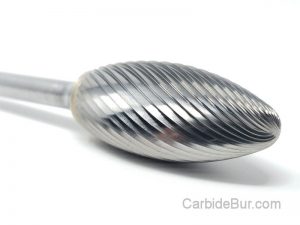
Looking for Carbide Bur Tools?
Check out our entire selection of USA made carbide bur die grinder tool bits
Follow us on Twitter

Return to CarbideBur.com
Carbide Burs – 1/4″ on 1/8″ Shanks – Accessories – Aluminum Cut – Bur Sets – End Mills – Long Shank – Solid Burs
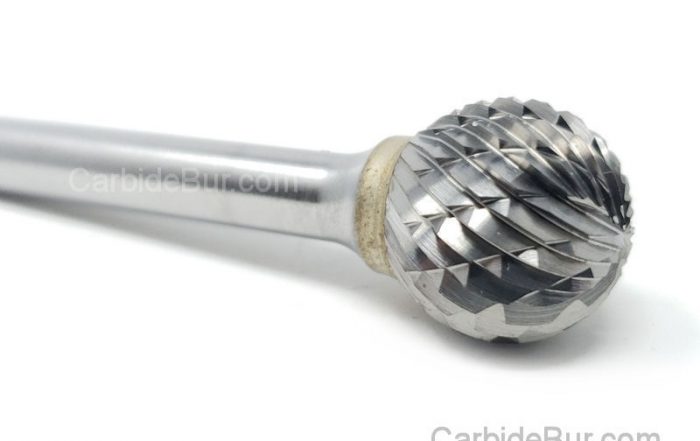
Carbide Burr vs. Grinding Stone: Which Is Better for Metal Removal?
Carbide Burr vs. Grinding Stone: Which Is Better for Metal Removal? When you need to remove metal, smooth a rough edge, or shape a metal component, two common options are carbide burrs and grinding stones. [...]
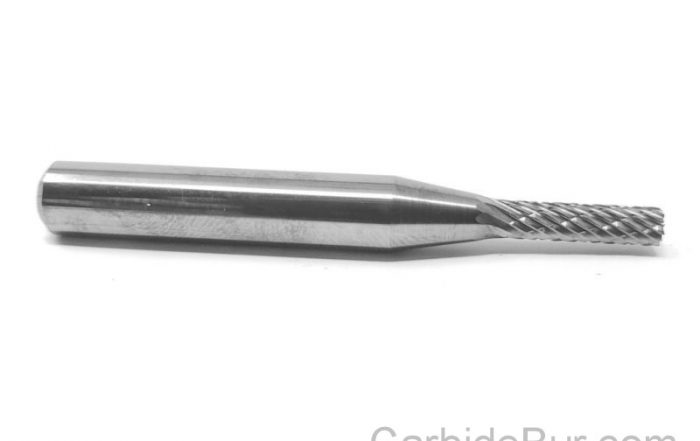
Carbide Burr Safety: RPM, Eye Protection, and Common Mistakes
Carbide Burr Safety: RPM, Eye Protection, and Common Mistakes Carbide burrs are versatile cutting tools used for metal fabrication, welding cleanup, engine porting, deburring, and general material removal. When used correctly, they can help remove [...]
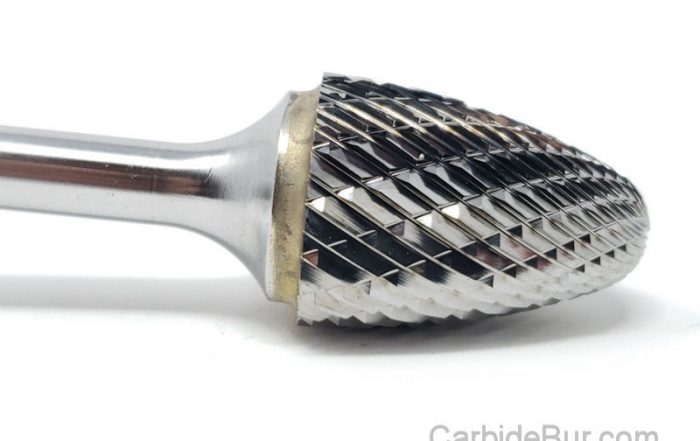
How to Stop Aluminum from Clogging Your Carbide Burr
How to Stop Aluminum from Clogging Your Carbide Burr Aluminum is widely used in automotive work, welding, metal fabrication, aerospace components, and general machining. It is lightweight, relatively easy to machine, and versatile across many [...]
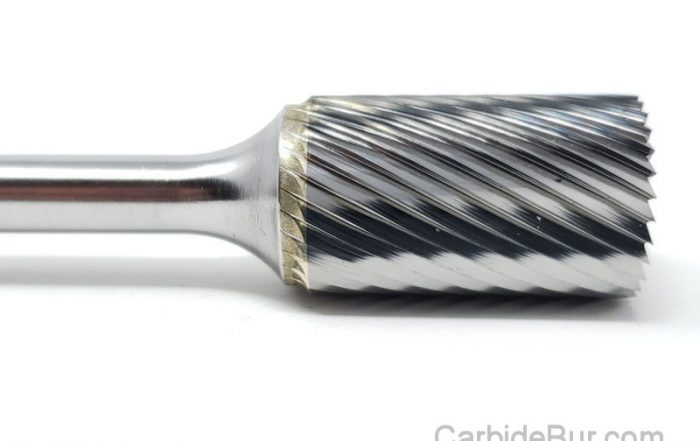
Carbide Burrs for Intake Manifolds: Shaping, Cleanup, and Fitment
Carbide Burrs for Intake Manifolds: Shaping, Cleanup, and Fitment Intake manifold work often involves more than simply bolting a component onto an engine. Depending on the application, metal intake components may have casting irregularities, rough [...]
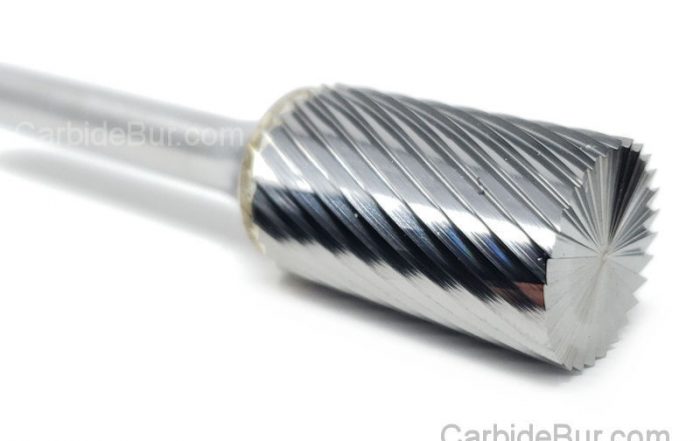
Why Long-Shank Carbide Burrs Are Useful for Hard-to-Reach Areas
Why Long-Shank Carbide Burrs Are Useful for Hard-to-Reach Areas When working on metal parts, the area that needs grinding or shaping is not always easy to reach. Recessed openings, deep cavities, interior surfaces, and complicated [...]
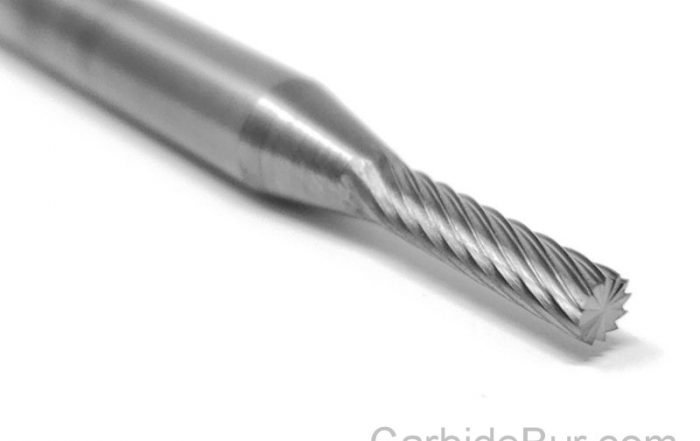
Choosing Carbide Burrs for Stainless Steel Fabrication
Choosing Carbide Burrs for Stainless Steel Fabrication Stainless steel is widely used in fabrication because of its corrosion resistance, strength, and durability. However, those same properties can make it challenging to machine and finish. Removing [...]
Can You Use Carbide Burrs in a Dremel? Shank Sizes Explained
Can You Use Carbide Burrs in a Dremel? Shank Sizes Explained If you use a Dremel or another rotary tool for detail work, metal shaping, or small fabrication projects, you may wonder whether you can [...]
How to Choose the Best Carbide Burr for Welding and Metal Fabrication
How to Choose the Best Carbide Burr for Welding and Metal Fabrication Welding and metal fabrication often require more than joining two pieces of metal together. Once the welding is finished, fabricators frequently need to [...]
Carbide Burrs for Cylinder Heads: What Automotive Enthusiasts Need to Know
Carbide Burrs for Cylinder Heads: What Automotive Enthusiasts Need to Know Cylinder head work is an important part of engine building, restoration, and performance machining. Whether you are cleaning up casting imperfections, refining port surfaces, [...]
Engine Porting 101: How Carbide Burrs Help Shape Cylinder Head Ports
Engine Porting 101: How Carbide Burrs Help Shape Cylinder Head Ports Engine performance enthusiasts, automotive machinists, and engine builders often look for ways to improve airflow through an engine's cylinder heads. One technique used in [...]
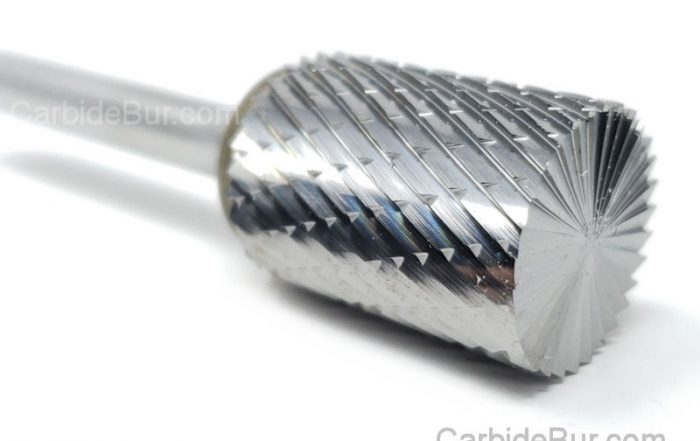
When to Use a 4-Inch or 9-Inch Die Grinder Extension
When to Use a 4-Inch or 9-Inch Die Grinder Extension Metal fabrication, welding, automotive repair, and engine building often require working in places where a standard die grinder and carbide burr cannot easily reach. Recessed [...]
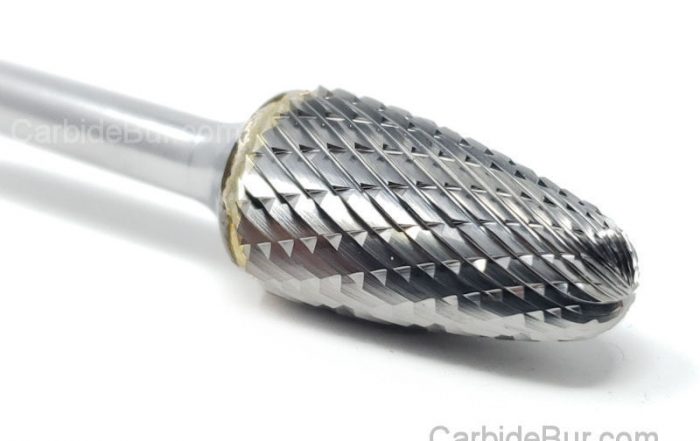
Why Buy USA-Made Carbide Burr Tools? What Buyers Should Compare
Why Buy USA-Made Carbide Burr Tools? What Buyers Should Compare When shopping for carbide burr tools, it's tempting to compare products based on price alone. However, professionals who use rotary cutting tools for welding, metal [...]
