
Safe Metalworking Practices: Achieving Perfect Edge Finishing
Sharp edges on metal parts aren’t just a nuisance—they can lead to serious injuries and costly rework. If your team skips proper edge finishing, you might be risking safety and product quality without realizing it. Understanding metal deburring techniques can protect your workers and boost metal quality control from start to finish. Let’s explore why the importance of deburring goes beyond the surface and how safe metalworking practices make all the difference. For more insights, visit this guide on metal deburring.
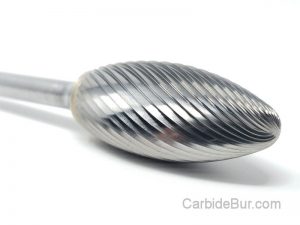
Looking for Carbide Bur Tools?
Check out our entire selection of USA made carbide bur die grinder tool bits
Understanding Metal Deburring
When it comes to metalworking, every detail counts. Finishing the edges of metal parts is more than just a final touch. It’s about safety and quality assurance.
Importance of Deburring
Why is deburring so crucial? Sharp edges can cause injuries. They can also lead to poor product performance. By removing burrs, you ensure safer handling and improve the product’s lifespan. According to Fabricating and Metalworking, deburring is essential in modern manufacturing for these reasons.
Many people overlook the importance of deburring, thinking it’s just a minor step. But skipping it can cost you in terms of rework and safety hazards. Proper deburring not only protects workers but also enhances the overall quality of the product.
Safe Metalworking Practices
Safety in metalworking isn’t just about wearing protective gear. It’s about creating an environment where hazards are minimized. By adopting safe practices, you can reduce the risk of accidents significantly.
Start with regular training sessions. Educate your team on the risks associated with sharp edges and the importance of proper handling. Encourage open communication about safety concerns, creating a culture where everyone feels responsible for maintaining a safe workspace.
Edge Finishing Essentials
Edge finishing is more than a procedure; it’s a safeguard. Smooth edges prevent injuries and ensure that the product functions as intended. The process involves several techniques, each suited for different needs.
You can choose from manual or automated methods. The goal is to achieve a consistent finish that meets industry standards. By focusing on edge finishing, you invest in quality and safety, which pays off in the long term.
Metal Deburring Techniques
With a clear understanding of the importance of deburring, let’s dive into the techniques available. Each method offers unique benefits, tailored to specific needs.
Manual Deburring Methods
Manual methods are time-tested and reliable. They involve using hand tools to smooth edges. This approach gives you control and precision, perfect for small-scale projects or intricate parts.
-
Files and Sandpaper: Great for small burrs and precise work.
-
Deburring Blades: These tools are versatile, suitable for various materials.
Using manual techniques allows you to focus on details. It’s ideal for projects where precision and control are paramount.
Automated Deburring Solutions
For larger projects, automated solutions offer efficiency. These machines handle bulk work with speed, ensuring uniform results. They’re perfect for high-volume production, reducing the manual workload.
-
Tumbling Machines: Effective for small parts.
-
Deburring Wheels: Ideal for larger surfaces, offering consistent results.
Automation saves time and labor. It’s a great investment if you deal with large quantities or seek consistent quality across products.
Choosing the Right Technique
The key is to match the technique with the project’s needs. Consider factors like scale, material, and required precision. Each technique has its strengths and should be chosen based on the specific demands of your work.
Analyze your projects to determine the best approach. A mix of manual and automated methods might be the optimal solution for diverse requirements.
Achieving Perfect Edge Finishing
Achieving perfection in edge finishing is an art. It requires the right tools and a commitment to quality. Let’s explore how you can ensure the finest results.
Tools for Precision
Precision tools are essential for achieving a perfect finish. The right equipment makes all the difference in quality and efficiency.
-
Angle Grinders: Perfect for heavy-duty tasks.
-
Rotary Tools: Ideal for detailed work and hard-to-reach areas.
Investing in quality tools is a smart move. They enhance your capability to deliver top-notch results, meeting industry standards.
Enhancing Metal Quality Control
Metal quality control is about more than just checking for defects. It’s about ensuring each piece meets high standards consistently. Regular inspections and quality checks are crucial.
Implement a robust quality control system. This includes routine inspections and strict adherence to quality guidelines. By doing so, you guarantee the consistent quality of your metal products, reinforcing your reputation for excellence.
Streamlining the Finishing Process
Efficiency is key in metalworking. Streamlining your finishing process not only saves time but also reduces errors. Optimize each step to ensure a smooth workflow.
Consider implementing workflow optimizations. This might include rearranging your workspace for better flow or investing in faster equipment. The goal is to make the process as seamless as possible.
Safety and Quality Assurance
Safety and quality go hand in hand. As you refine your edge finishing processes, remember that these two elements are inseparable.
Preventing Workplace Injuries
Preventing injuries starts with awareness. Ensure that everyone knows the risks and follows safety protocols. Regular safety briefings can reinforce these practices.
Encourage a proactive approach to safety. This might include regular drills and updates on safety procedures. By keeping safety top of mind, you protect your team and reduce the risk of accidents.
Ensuring Consistent Quality
Quality assurance is vital in metalworking. Consistency in quality reflects your commitment to excellence. It’s about more than just meeting standards; it’s about surpassing them.
Develop a culture of quality within your team. Regular training and updates on best practices can help maintain high standards across all projects. Consistency is key to building trust with your clients.
Role of Safety Officers
Safety officers play a critical role in maintaining a safe work environment. They ensure compliance with safety regulations and conduct regular audits.
Support your safety officers in their role. Equip them with the resources they need to perform their duties effectively. Their work is crucial in creating a safe and productive workplace.
Continuous Improvement in Metalworking
The journey of improvement never ends. As technology advances, so should your practices. Continuous improvement is essential to stay ahead in the metalworking industry.
Training for Metalworkers
Regular training keeps your team updated on the latest techniques and safety protocols. It’s an investment that pays dividends in performance and safety.
Offer ongoing training opportunities. This not only enhances skills but also boosts team morale. A well-trained team is your biggest asset.
Implementing Feedback Systems
Feedback systems allow for continuous improvement. They provide insights into what’s working and what needs adjustment.
Encourage open communication. Regular feedback sessions can identify areas for improvement, fostering a culture of continuous growth. Implement these insights to refine your processes.
Advancements in Metalworking Tools
New tools and technologies are constantly emerging. Staying updated ensures you’re using the best methods available.
Invest in the latest tools and technologies. This not only improves efficiency but also positions you as a leader in metalworking. Embrace advancements to keep your processes cutting-edge.
By focusing on these aspects, you ensure that your metalworking practices are safe, efficient, and of the highest quality.
Looking for Carbide Bur Tools?
Check out our entire selection of USA made carbide bur die grinder tool bits
Follow us on Twitter

Return to CarbideBur.com
Carbide Burs – 1/4″ on 1/8″ Shanks – Accessories – Aluminum Cut – Bur Sets – End Mills – Long Shank – Solid Burs
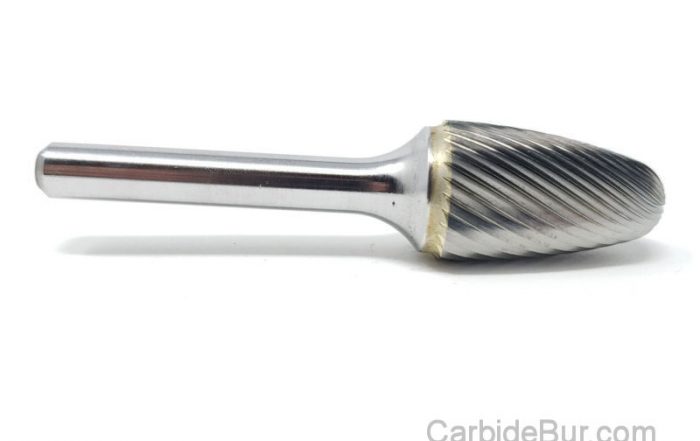
How to Grind a Groove in Metal With a Carbide Burr
How to Grind a Groove in Metal With a Carbide Burr Most metalworkers struggle to cut clean grooves without wasting time or ruining their workpiece. Many try different metalworking tools but end up with uneven [...]
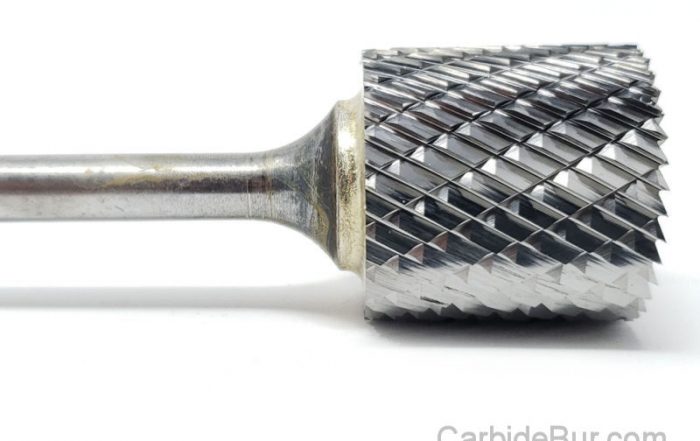
Can Carbide Burrs Cut Through Welds?
Can Carbide Burrs Cut Through Welds? Cutting through welds can feel like a battle, especially when you need clean results without harming the base metal. Carbide burrs offer a sharp edge in this fight, but [...]
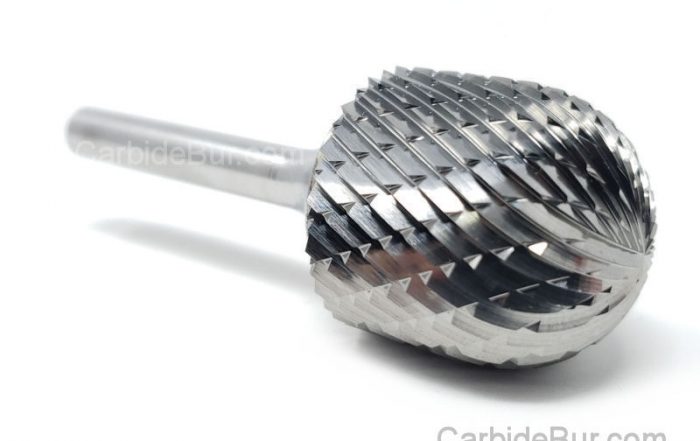
How to Use a Carbide Burr With a Die Grinder
How to Use a Carbide Burr With a Die Grinder Most people treat a carbide burr like just another tool, but using it with a die grinder takes skill. If you’ve struggled with burr installation [...]
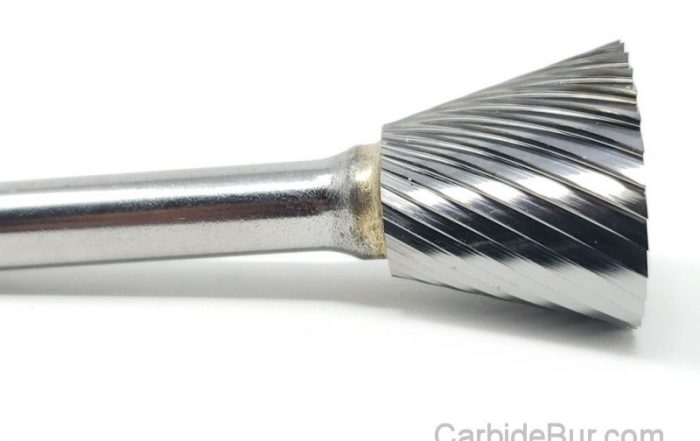
1/8 vs 1/4 Inch Carbide Burrs: What’s the Difference?
1/8 vs 1/4 Inch Carbide Burrs: What's the Difference? Choosing between a 1/8 inch carbide burr and a 1/4 inch carbide burr can change how your project turns out. Many machinists and hobbyists overlook how [...]
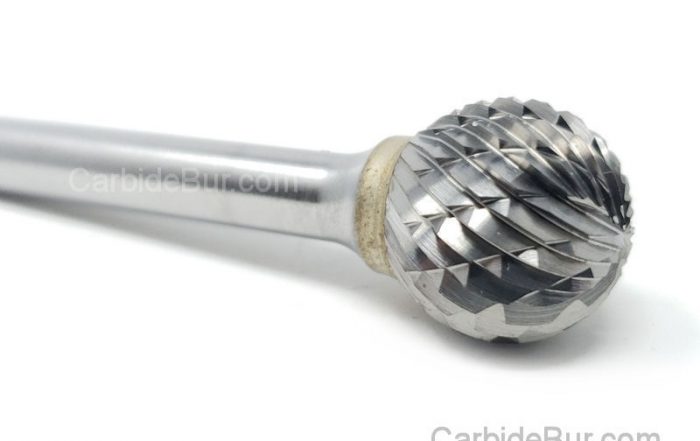
Best Carbide Burr for Removing Flash From Castings
Best Carbide Burr for Removing Flash From Castings Removing flash from castings is a task that can slow down your entire metalworking process if you don’t have the right tools. Picking the best carbide burr [...]
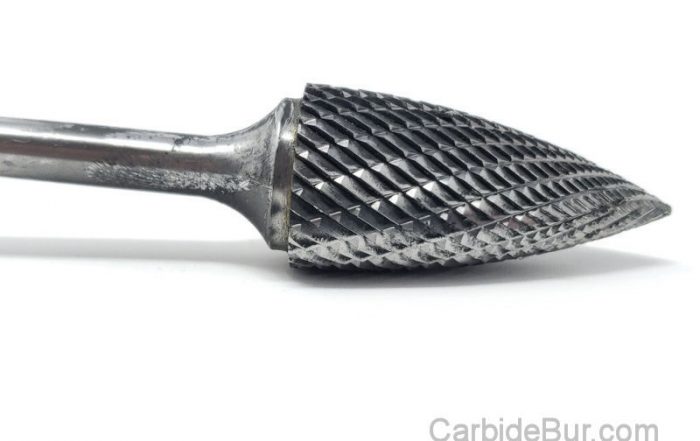
What RPM Should You Use for a 1/4 Inch Carbide Burr?
What RPM Should You Use for a 1/4 Inch Carbide Burr? Most machinists guess the right speed for a 1/4 inch carbide burr and hope for the best. Using the wrong carbide burr RPM can [...]
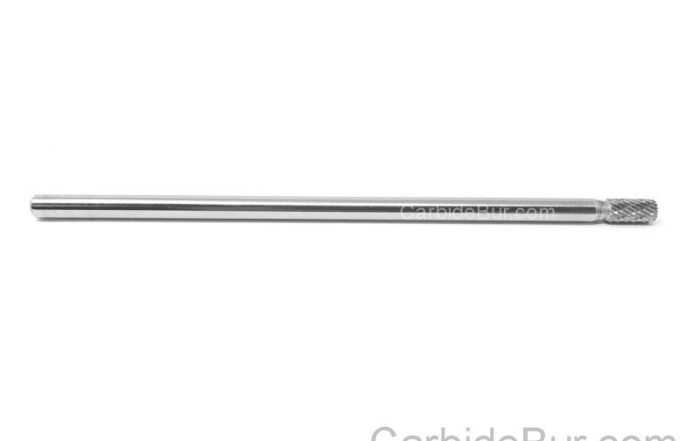
Long Shank Carbide Burrs: When Do You Need One?
Long Shank Carbide Burrs: When Do You Need One? Most machinists overlook the power of long shank carbide burrs until a project demands precision in tight spaces. When your usual tools can’t reach intricate contours, [...]
How Deep Can a Carbide Burr Cut Metal?
How Deep Can a Carbide Burr Cut Metal? Carbide burrs often get praised for their precision, but many users hit a wall wondering how deep they can actually cut metal. The truth is, cutting depth [...]
How to Use Carbide Burrs for Port Matching
How to Use Carbide Burrs for Port Matching Most engine builds hit a wall when airflow doesn’t flow smoothly between the ports and manifolds. If your engine isn’t breathing right, your performance stalls. Using the [...]
Best Carbide Burr for Porting Intake Manifolds
Best Carbide Burr for Porting Intake Manifolds Porting intake manifolds can make or break your engine’s airflow, yet many struggle with the right tools for the job. Choosing the best carbide burrs is key to [...]
Best Carbide Burr for Concave Surfaces
Best Carbide Burr for Concave Surfaces Concave surfaces can turn a straightforward project into a frustrating challenge if you don’t have the right tool. Carbide burrs designed for these tricky curves make all the difference [...]
How to Grind a Slot in Metal With a Carbide Burr
How to Grind a Slot in Metal With a Carbide Burr Grinding a precise slot in metal can feel like a tricky task, especially if you’re unsure which tools to trust. Carbide burr grinding offers [...]
