
The Ultimate Guide to Choosing the Best Burrs for Titanium Machining
Most burrs struggle with titanium’s tricky nature: it hardens fast and heats up quickly. If you’ve battled rough finishes or slow cuts, you know the struggle is real. This guide breaks down the best burrs for titanium, from carbide burrs to cutting-edge coated options, so your machining titanium projects run smoother and cleaner. For more insights on this topic, check out this link.
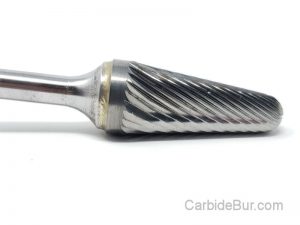
Have you tried using carbide burr tools for your job?
Understanding Titanium Machining
Titanium’s strength and lightness make it a favorite in many fields. Let’s dive into its unique properties and machining challenges.
Properties of Titanium
Titanium boasts a high strength-to-weight ratio. This means it’s incredibly strong, yet light. It’s also resistant to corrosion, which makes it ideal for various applications. These properties are why it’s used in aerospace, medical implants, and sporting goods. But there’s more to understand about this metal. It has low thermal conductivity. This means it doesn’t disperse heat well, which can lead to overheating during machining. This unique characteristic requires special attention when selecting tools for machining titanium.
Challenges in Machining Titanium
Machining titanium isn’t easy. Its hardness can wear tools quickly. It also heats up fast, which can lead to tool failure. Another challenge is its tendency to work-harden. As you work on titanium, it can become even harder at the surface. This makes it tough to cut and shape. To overcome these hurdles, you need the right tools and techniques. Machining titanium requires skill and precision. This is why understanding its challenges is the first step to mastering its machining.
Selecting the Right Burrs
Choosing the right burr is crucial for machining titanium effectively. Let’s explore the types of burrs available and their benefits.
Types of Burrs for Titanium
There are different types of burrs you can use. Carbide burrs are popular for their durability and cutting precision. They’re especially suited for titanium because they stay sharp longer. Another option is coated burrs. These have an added layer of protection, which reduces wear and tear. Each type has its strengths. For instance, carbide burrs can handle high temperatures, making them ideal for titanium machining. It’s important to match the burr type with your specific needs to achieve the best results.
Benefits of Carbide Burrs
Carbide burrs stand out for several reasons. They’re known for their longevity. This means you can use them longer without frequent replacements. They’re also great at handling titanium’s tough nature. Carbide burrs maintain their sharpness, allowing for smoother cuts. Another advantage is their ability to manage heat. Titanium machining generates a lot of heat, but carbide burrs dissipate it effectively. This reduces the risk of tool failure, saving you time and money. For more information on choosing the best carbide burr, check out this guide.

High-Performance Cutting Tools
High-performance tools are essential for working with titanium. Let’s focus on coated burrs and how they can boost cutting efficiency.
Coated Burrs for Titanium
Coated burrs offer extra durability. They have a special layer that enhances their performance. This coating reduces friction, which means less heat buildup. It also makes the burrs last longer. Coated burrs are ideal for high-speed applications. They maintain their sharpness and strength, even under pressure. If you’re working on complex projects, consider using coated burrs. They can make a significant difference in your results. Discover more about the benefits of these tools.
Enhancing Cutting Efficiency
Efficiency is key when machining titanium. The right tools can help you achieve faster cuts and smoother finishes. Coated burrs, for instance, reduce downtime. You won’t need to change tools as often, which saves you time. They also minimize heat-related issues, ensuring consistent performance. When you focus on efficiency, you improve your workflow. This means better quality and less waste. Remember, the longer you wait to upgrade your tools, the more you might struggle with inefficiencies.
Techniques for Titanium Machining
Knowing the right techniques can improve your titanium projects. Whether you’re a professional or a hobbyist, these tips will be useful.
Best Practices for Professionals
Professionals need precision and accuracy. To achieve this, start by using sharp tools. Dull tools can lead to poor cuts and more wear. Maintain a consistent speed to avoid heat buildup. This improves the lifespan of your tools. Also, use the right coolant. It helps in managing temperature and reducing wear. Regular maintenance of your equipment is crucial. Clean your burrs after each use. This prevents residue buildup, ensuring your tools perform optimally.
Tips for Hobbyists
Hobbyists can also achieve great results with titanium. Start with smaller projects to build your confidence. Use carbide burrs for their durability and sharpness. They are easier to handle for beginners. Practice on scrap pieces before starting your main project. This helps you get a feel for how titanium responds. Remember to keep your workspace clean and organized. A tidy space reduces mistakes and accidents. Stay patient and keep practicing. Over time, you’ll become more skilled and confident in machining titanium.
Recommendations and Insights
Choosing the right tools and techniques is half the battle. These recommendations will guide you in making informed decisions for your titanium projects.
Making Informed Choices
Research is your best friend. Understand your project needs and match them with the right tools. For instance, if you need precision, go for carbide burrs. If you require speed, consider coated burrs. Always evaluate the features of each tool. This ensures you’re making choices that align with your goals. Remember, the right tool can make or break your project. Stay informed and keep learning about new advancements in burrs and machining techniques.
Common Mistakes to Avoid
Avoiding common mistakes can save you time and resources. One mistake is using the wrong burr type. This can lead to poor results and tool damage. Not maintaining your tools is another error. Regular cleaning and sharpening are essential for optimal performance. Overlooking safety measures is risky. Always wear protective gear and follow guidelines. Finally, don’t rush your projects. Take your time to ensure quality and precision. By avoiding these mistakes, you set yourself up for success in your titanium machining endeavors.
In conclusion, mastering titanium machining is all about choosing the right tools and techniques. Armed with this knowledge, you’re well on your way to achieving better results in your projects.
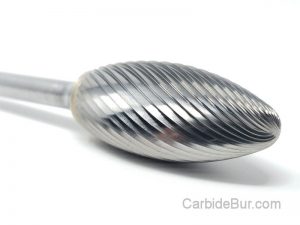
Looking for Carbide Bur Tools?
Check out our entire selection of USA made carbide bur die grinder tool bits
Follow us on Twitter

Return to CarbideBur.com
Carbide Burs – 1/4″ on 1/8″ Shanks – Accessories – Aluminum Cut – Bur Sets – End Mills – Long Shank – Solid Burs
The Art of Using Carbide Burrs on Stainless Steel Welds
Mastering Metalwork: The Art of Using Carbide Burrs on Stainless Steel Welds Most welders waste hours struggling with stainless steel welds that refuse to smooth out. Using the wrong metalworking tools only makes burr grinding [...]
Innovative Tool Uses for Carbide Burrs in Your Workshop
From Metal to Wood: Innovative Tool Uses for Carbide Burrs in Your Workshop Most woodworkers stick to traditional carving tools, missing out on a powerful option hiding in their metal toolboxes. Carbide burrs, known for [...]
The Essential Guide to Carbide Burs and Burr Comparison
Tool Selection Made Easy: The Essential Guide to Carbide Burs and Burr Comparison Choosing the right machining tools can feel like navigating a maze, especially when it comes to carbide burs and traditional burrs. Many [...]
Top Features of Carbide Burrs for Porting
Enhance Engine Performance: Top Features of Carbide Burrs for Porting Most people think any carbide burr will do for porting heads. That’s where they go wrong. Choosing the best burrs for porting means understanding cutting [...]
Tips for Using Carbide Burrs in Metal Sculpting
Safe and Stunning: Tips for Using Carbide Burrs in Metal Sculpting Carbide burrs often get overlooked in metal sculpting, even though they shape metal with unmatched precision. If you’ve struggled to get smooth curves or [...]
The Power of Double Cut Carbide Burrs
Mastering Metalworking: The Power of Double Cut Carbide Burrs Most metalworkers waste hours struggling with dull tools that slow every project. Your choice of cutting tool can make or break your machining efficiency. This post [...]
The Best Applications for USA Made Carbide Burrs
Perfecting Your Craft: The Best Applications for USA Made Carbide Burrs Most carbide burrs look the same at first glance. But when you use USA made carbide burrs, the difference in quality and precision is [...]
Carbide Burrs and Flap Discs for Metalworkers
The Ultimate Tool Comparison: Carbide Burrs and Flap Discs for Metalworkers Choosing between carbide burrs and flap discs can feel like picking the ultimate tool for your metalwork projects. Each tool offers distinct advantages depending [...]
Crafting Clean Finishes with Carbide Burrs
Reduce Dust, Increase Precision: Crafting Clean Finishes with Carbide Burrs Fiberglass crafting often means battling dust and rough edges that slow your progress. Using the right carbide burr can change how you cut and shape, [...]
Effective Techniques for Using Carbide Burrs on Tough Materials
Enhance Your Metalworking Skills: Effective Techniques for Using Carbide Burrs on Tough Materials Carbide burrs often face tough questions when it comes to cutting hardened steel. You know this material doesn’t give up easily—it’s dense [...]
Understanding and Preventing Carbide Burr Chattering
Troubleshooting Tool Performance: Understanding and Preventing Carbide Burr Chattering Carbide burr chattering throws off your metalworking rhythm and ruins your finish. It’s frustrating when your tool jumps instead of cutting cleanly. Most chatter comes from [...]
Choosing the Right Long Shank Carbide Burr
The Art of Precision Cutting: Choosing the Right Long Shank Carbide Burr Most cutting tools struggle to reach tight spaces or deep cavities without losing control. That’s where a long shank carbide burr changes the [...]
