
From Sharp Edges to Smooth Finishes: A Step-by-Step Guide on How to Deburr Metal
Sharp edges on metal parts don’t just look rough—they can cause serious problems. If you want your projects to fit perfectly and stay safe, knowing how to deburr metal is key. This guide breaks down the best manual deburring methods and mechanical deburring tools, including sanding metal and using deburring machines, so you can finish your work with confidence and skill. For more insights, check out this ultimate guide to deburring.
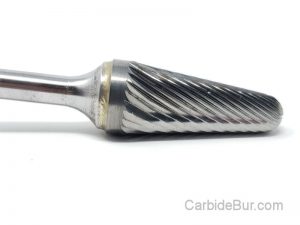
Have you tried using carbide burr tools for your job?
Understanding Metal Deburring
Deburring metal is a crucial step in metalworking, ensuring that sharp edges are smooth and safe. This process enhances the fit and finish of your projects. Let’s dive into why deburring is so important and how it benefits you and your work.
Importance of Deburring Metal
When you work with metal, sharp edges can be a common issue. These edges are not just unsightly but can also pose safety risks. Deburring helps you eliminate these hazards, making your projects safer and more professional. By smoothing out the rough spots, you ensure that components fit together perfectly.
For example, when building a metal frame, deburring ensures that all parts align correctly. Without it, you might struggle with alignment, leading to a less stable structure. This step is essential whether you’re a DIY enthusiast or a professional metalworker.
Safety Benefits and Applications
Safety is a top priority in metalworking. Sharp edges can cause injuries, but deburring reduces this risk significantly. By smoothing the edges, you protect yourself and anyone else handling the project. This safety measure is especially crucial in industries where metal parts are frequently handled.
In addition to safety, deburring enhances the function of your metal projects. For instance, in automotive manufacturing, smooth metal parts lead to better vehicle performance. Similarly, in home DIY projects, deburring ensures that your creations are not only safe but also aesthetically pleasing.
Essential Tools for Deburring
Now that you understand the importance of deburring, it’s time to explore the tools that make the job easier. From manual methods to mechanical options, having the right tools can make all the difference.
Manual Deburring Methods
Manual deburring is perfect for those who enjoy a hands-on approach. Files and sandpaper are your go-to tools here. Using a file, you can carefully smooth out edges by hand. This method gives you precise control over the process, allowing you to tackle even the smallest imperfections.
Sandpaper, particularly when used with a block, is great for larger surfaces. It provides even sanding and can reach areas that are difficult to file. For best results, start with a coarser grit and gradually move to a finer one. This approach ensures a smooth and polished finish on your metal surfaces.
Mechanical Deburring Options
For larger projects or when time is of the essence, mechanical deburring tools are invaluable. Deburring machines and rotary tools are efficient and effective. Machines like these can handle extensive deburring tasks quickly, making them ideal for industrial applications.
Rotary tools, on the other hand, offer versatility and precision. With various attachments, you can tackle different surfaces and edges with ease. Whether you’re working with sheet metal or intricate components, these tools streamline the deburring process, saving you time and effort.
Techniques for Smooth Finishes
Achieving a smooth finish is the ultimate goal in deburring. The right techniques ensure that your metal surfaces are polished and professional. Let’s explore some effective methods.

File Work and Sanding Metal
File work is a classic technique that provides precise results. By gently filing the edges, you can remove burrs and sharp points. This method is especially useful for small or intricate parts. Use a flat file for straight edges and a round file for curved surfaces.
Sanding metal complements file work perfectly. Begin with coarse sandpaper to remove large burrs, then switch to finer grits for a smooth finish. Sanding blocks help maintain an even surface, preventing unwanted scratches. With patience and practice, you’ll achieve a flawless finish.
Deburring Machines and Rotary Tools
When speed is crucial, deburring machines are your best bet. These machines handle large surfaces efficiently, removing burrs in seconds. They’re perfect for production lines where time is of the essence. For more intricate tasks, rotary tools offer unmatched precision. With interchangeable attachments, you can customize the tool to suit your needs.
Rotary tools are excellent for reaching tight spaces and tackling detailed work. Their versatility makes them a favorite among hobbyists and professionals alike. By combining different attachments, you can achieve a polished finish on any metal surface.
Selecting the Right Tools
Choosing the right deburring tools is essential for success. Different materials and applications require specific tools. Let’s explore how to make the best choices for your projects.
Best Tools for Specific Materials
Not all metals are created equal. Different materials require different deburring tools. For example, aluminum is soft and can be easily deburred with files or sandpaper. On the other hand, stainless steel is harder and may require a powerful rotary tool or machine.
Consider the thickness and hardness of the metal when selecting tools. Softer metals are easier to work with, while harder metals demand more robust equipment. By choosing the right tools, you ensure efficient and effective deburring.
Application-Specific Tool Choices
Your project’s application also affects tool selection. For intricate designs, precision tools like rotary attachments are ideal. They allow you to work on detailed areas without damaging surrounding surfaces. In contrast, for larger structures, deburring machines offer speed and efficiency.
Think about the end use of your metal project. If it’s a decorative piece, focus on achieving a flawless finish. For functional items, prioritize safety and performance. Matching the tool to the task guarantees the best results.
Step-by-Step Deburring Process
Now that you’re familiar with the tools and techniques, it’s time to put them into action. Follow this step-by-step process to ensure a smooth and successful deburring experience.
Preparing Your Workspace
Before you start, set up a safe and organized workspace. Clear the area of any unnecessary items and ensure proper ventilation. Safety gear is essential, so wear gloves and safety glasses to protect yourself from metal shavings. Gather all your tools and materials to avoid interruptions during the process.
Executing the Deburring Techniques
-
Inspect the Metal: Identify all sharp edges and burrs. Mark these areas for easy reference.
-
Select the Tool: Choose the appropriate tool based on the metal type and size.
-
Begin Deburring: Use your chosen tool to remove burrs carefully. Apply steady pressure and move in consistent strokes for even results.
-
Check Your Work: After deburring, inspect the metal for any missed spots. Repeat the process if necessary to achieve a perfect finish.
By following these steps, you’ll ensure that your metal projects not only look great but are also safe and functional. The longer you wait to address burrs and sharp edges, the more challenging the task becomes. Take action now for the best results in your metalworking endeavors.
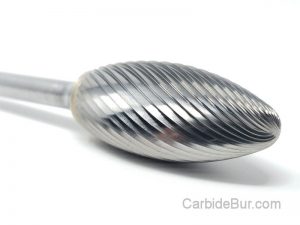
Looking for Carbide Bur Tools?
Check out our entire selection of USA made carbide bur die grinder tool bits
Follow us on Twitter

Return to CarbideBur.com
Carbide Burs – 1/4″ on 1/8″ Shanks – Accessories – Aluminum Cut – Bur Sets – End Mills – Long Shank – Solid Burs
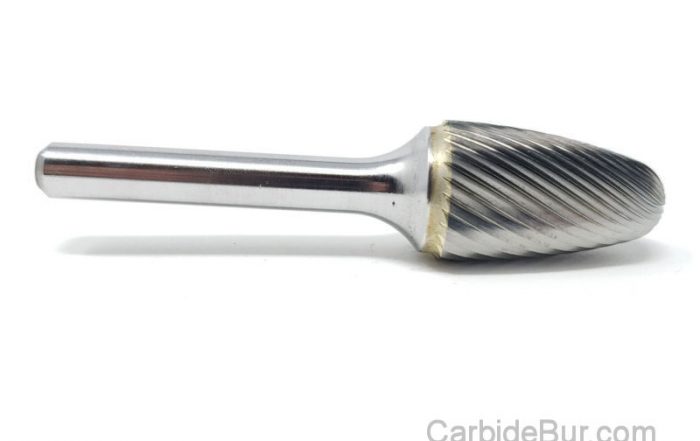
How to Grind a Groove in Metal With a Carbide Burr
How to Grind a Groove in Metal With a Carbide Burr Most metalworkers struggle to cut clean grooves without wasting time or ruining their workpiece. Many try different metalworking tools but end up with uneven [...]
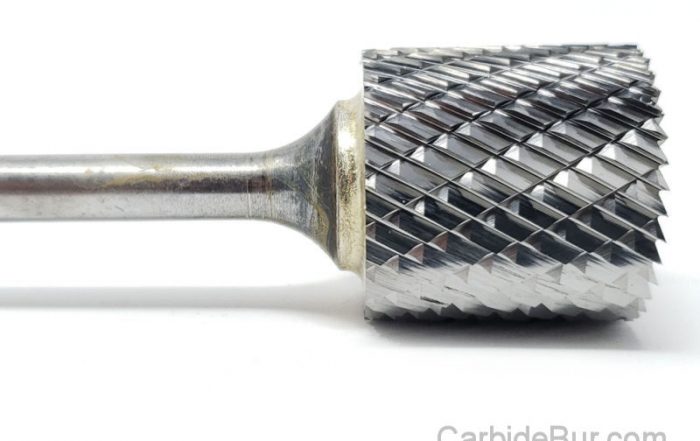
Can Carbide Burrs Cut Through Welds?
Can Carbide Burrs Cut Through Welds? Cutting through welds can feel like a battle, especially when you need clean results without harming the base metal. Carbide burrs offer a sharp edge in this fight, but [...]
How to Use a Carbide Burr With a Die Grinder
How to Use a Carbide Burr With a Die Grinder Most people treat a carbide burr like just another tool, but using it with a die grinder takes skill. If you’ve struggled with burr installation [...]
1/8 vs 1/4 Inch Carbide Burrs: What’s the Difference?
1/8 vs 1/4 Inch Carbide Burrs: What's the Difference? Choosing between a 1/8 inch carbide burr and a 1/4 inch carbide burr can change how your project turns out. Many machinists and hobbyists overlook how [...]
Best Carbide Burr for Removing Flash From Castings
Best Carbide Burr for Removing Flash From Castings Removing flash from castings is a task that can slow down your entire metalworking process if you don’t have the right tools. Picking the best carbide burr [...]
What RPM Should You Use for a 1/4 Inch Carbide Burr?
What RPM Should You Use for a 1/4 Inch Carbide Burr? Most machinists guess the right speed for a 1/4 inch carbide burr and hope for the best. Using the wrong carbide burr RPM can [...]
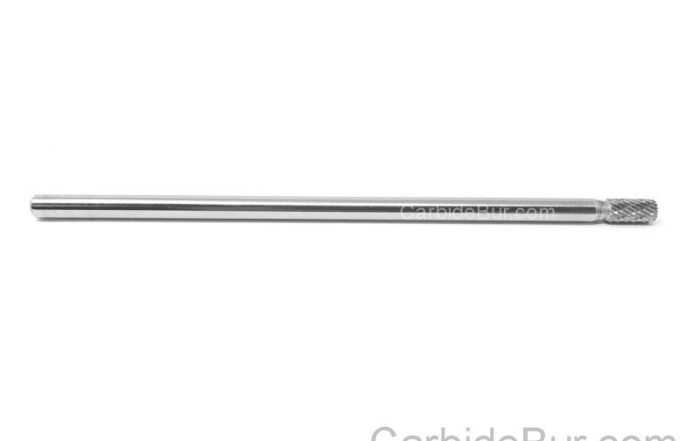
Long Shank Carbide Burrs: When Do You Need One?
Long Shank Carbide Burrs: When Do You Need One? Most machinists overlook the power of long shank carbide burrs until a project demands precision in tight spaces. When your usual tools can’t reach intricate contours, [...]
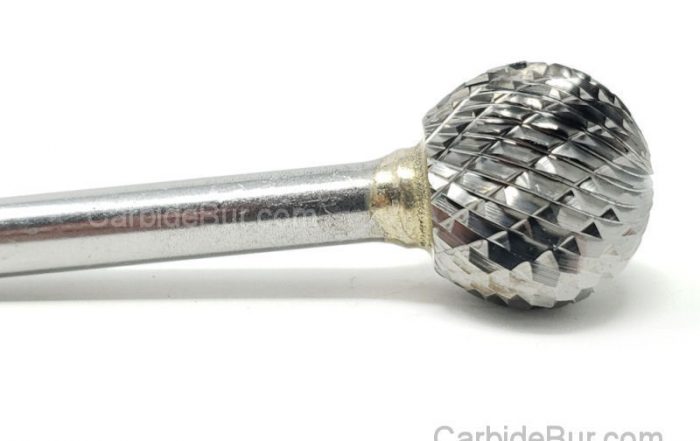
How Deep Can a Carbide Burr Cut Metal?
How Deep Can a Carbide Burr Cut Metal? Carbide burrs often get praised for their precision, but many users hit a wall wondering how deep they can actually cut metal. The truth is, cutting depth [...]
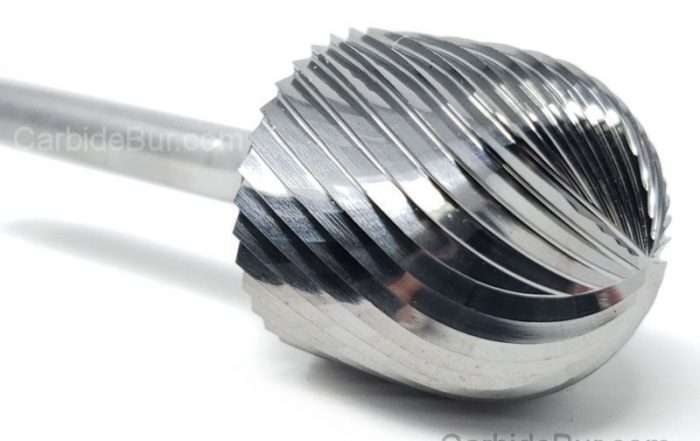
How to Use Carbide Burrs for Port Matching
How to Use Carbide Burrs for Port Matching Most engine builds hit a wall when airflow doesn’t flow smoothly between the ports and manifolds. If your engine isn’t breathing right, your performance stalls. Using the [...]
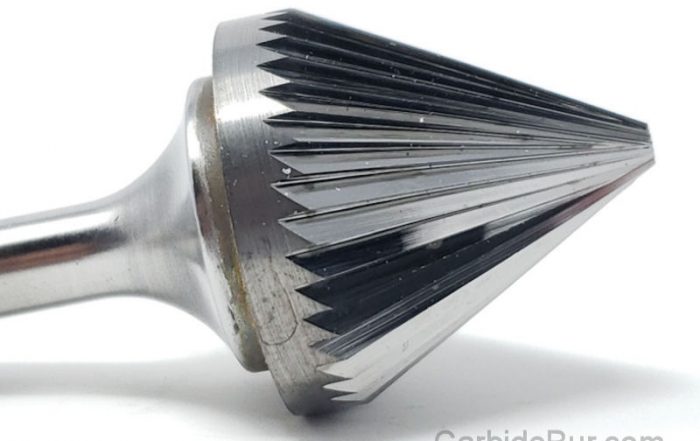
Best Carbide Burr for Porting Intake Manifolds
Best Carbide Burr for Porting Intake Manifolds Porting intake manifolds can make or break your engine’s airflow, yet many struggle with the right tools for the job. Choosing the best carbide burrs is key to [...]
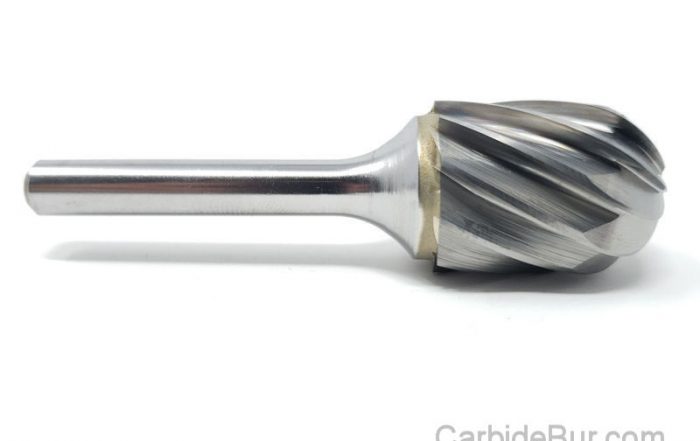
Best Carbide Burr for Concave Surfaces
Best Carbide Burr for Concave Surfaces Concave surfaces can turn a straightforward project into a frustrating challenge if you don’t have the right tool. Carbide burrs designed for these tricky curves make all the difference [...]
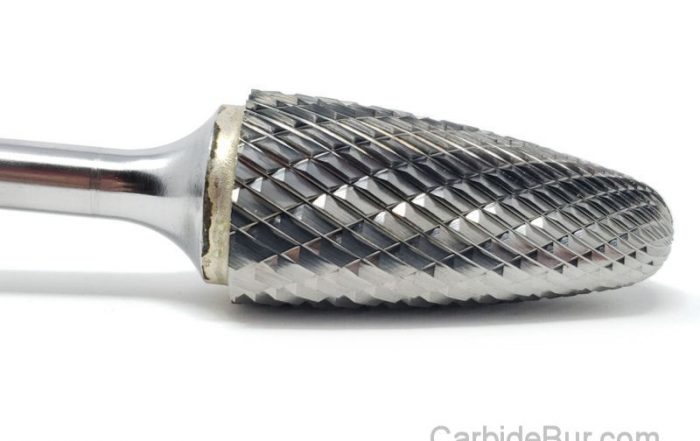
How to Grind a Slot in Metal With a Carbide Burr
How to Grind a Slot in Metal With a Carbide Burr Grinding a precise slot in metal can feel like a tricky task, especially if you’re unsure which tools to trust. Carbide burr grinding offers [...]
