
From Metal to Wood: Choosing the Right Burr Types for Every Material
Most die grinder burrs claim to work on every material, but the truth is each shape cuts differently on metal, wood, or plastic. Picking the wrong burr can slow your project or ruin the finish you want. This guide breaks down the best grinding tools and burr types to match your material, plus the key details like cutting speed and tool durability that really matter. You’ll know exactly which die grinder burrs fit your needs before you start your next project. For more insights, check out this guide to choosing the best carbide die grinder burrs for every material.
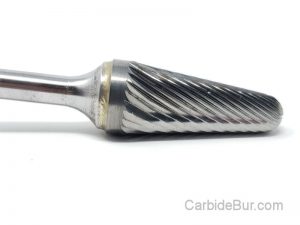
Have you tried using carbide burr tools for your job?
Understanding Burr Types
Choosing the right burr can significantly impact your project’s success. Let’s explore the various burr shapes and their unique benefits for your tasks.
Common Burr Shapes
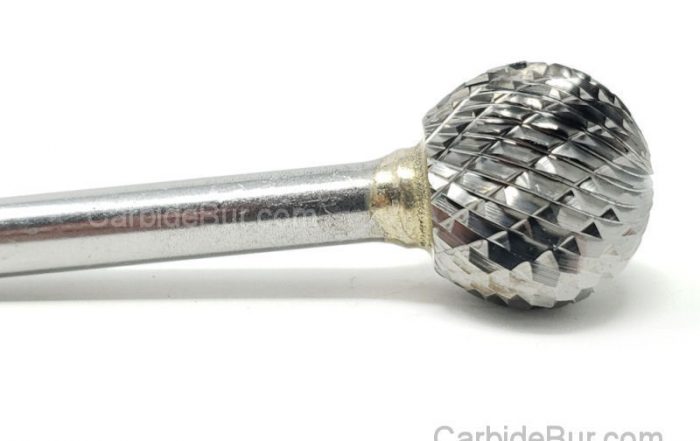
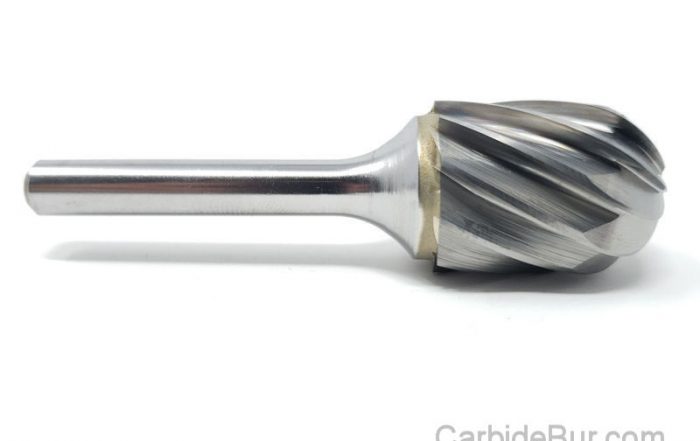
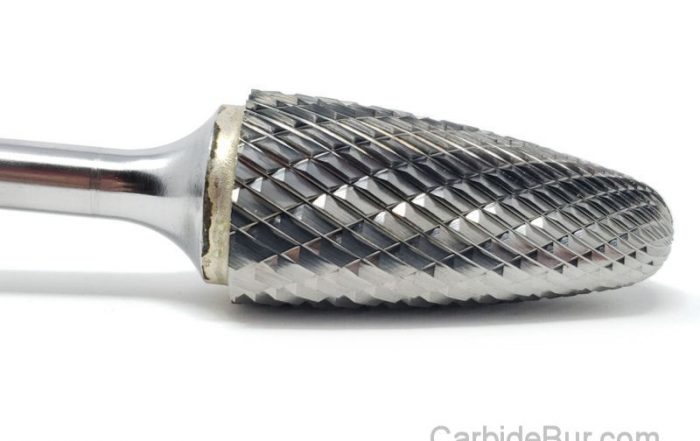
Burr shapes vary, and each has its strengths. Cylindrical burrs are ideal for flat surfaces and right-angle edges. Ball-shaped burrs excel at contouring and hollowing. Pointed burrs are perfect for tight spaces and fine detail work. Finally, flame burrs handle rounded edges and curved surfaces. Each shape offers unique advantages, helping you achieve precise results on different materials.
Selecting the Right Burr
When choosing a burr, consider your material and the desired finish. For metal, a pointed or flame burr can provide the precision you need. For wood, ball and cylinder shapes offer smooth cutting and shaping. Evaluate your project requirements carefully, and you’ll find the best burr for your needs. This decision can save you time and enhance your craftsmanship.
Versatility Across Materials
Versatility is key when working with various materials. A burr that works well on metal might not perform the same on wood or plastic. By understanding how different burrs interact with each material, you can select the tool that delivers the best performance. This awareness will prevent mishaps and enable you to handle multiple projects with confidence.
Best Burrs for Metal
Metalworking requires specific burrs that balance precision and strength. Let’s examine which burrs shine in this domain.
Pointed and Flame Burrs
Pointed burrs excel in detailed metalwork. Their sharp tips allow for accurate cuts and intricate designs. Flame burrs, with their elongated shape, are perfect for smoothing and refining metal edges. These burrs are essential tools in any metalworker’s kit, providing the precision needed for professional results.
Cutting Speed and Precision
When working with metal, cutting speed matters. A burr that cuts too slowly can hinder progress, while one that cuts too quickly may cause mistakes. Aim for a burr that offers a balanced cutting speed, ensuring both efficiency and accuracy. This balance will streamline your workflow and maintain your material’s integrity.
Durability for Metalworking
Durability is crucial in metalworking tools. Burrs that wear out quickly can disrupt your work and increase costs. Opt for high-quality burrs designed for metal to ensure they withstand the demands of your projects. Investing in durable burrs means fewer replacements and more consistent performance over time.
Ideal Burrs for Wood
Woodworking requires different burrs to bring your projects to life. Discover which ones are best suited for this craft.
Ball and Cylinder Burrs
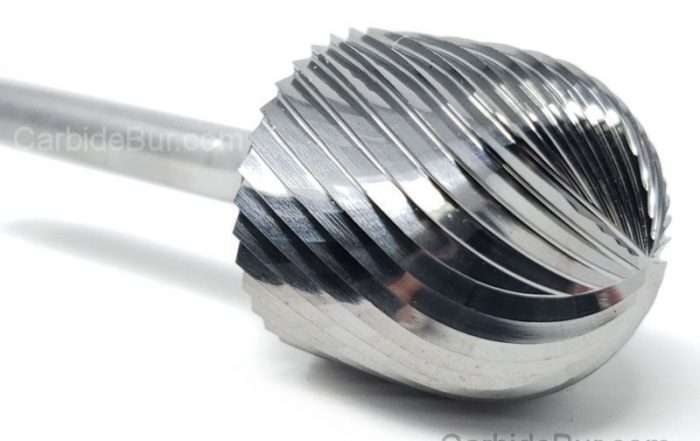
In woodworking, ball burrs are ideal for creating smooth contours and intricate details. Cylinder burrs handle flat surfaces and edges effectively. These shapes are versatile, allowing you to execute a range of designs with precision. They provide the flexibility to tackle various woodworking tasks efficiently.

Enhancing Woodworking Projects
Using the right burr enhances your woodworking projects. The correct shape improves cutting speed and finish quality. Whether you’re hollowing out a bowl or smoothing a tabletop, selecting the right burr ensures your work meets professional standards. The result is a polished product that showcases your skills.
Tool Durability in Woodwork
Durability is vital in woodworking burrs. Frequent use can wear down tools, affecting performance. Choose burrs made from robust materials to extend their lifespan. This choice not only saves money but also ensures consistent quality across all your woodworking endeavors.
Burrs for Plastics
Plastic requires a careful approach, as it behaves differently than metal or wood. Here’s how to choose burrs for plastic projects.
Choosing the Right Shape
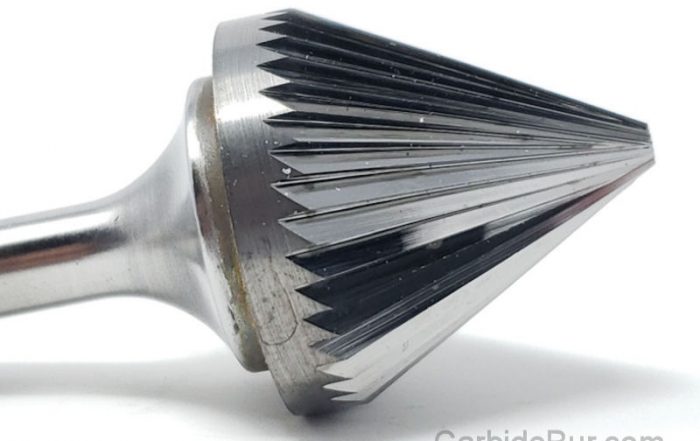
Plastic work demands precision. Cone-shaped burrs offer control in tight spaces, while cylindrical burrs provide smooth finishes on flat surfaces. Selecting the correct shape is essential for maintaining the integrity and appearance of your plastic materials. This choice prevents unnecessary damage and ensures a clean, professional finish.
Cutting Speed and Efficiency
Efficiency is key when cutting plastic. A burr that maintains a steady speed prevents melting and warping. Opt for a burr that balances speed with control, enabling you to work swiftly without compromising quality. This balance results in clean cuts and a polished finish, enhancing your project’s overall appeal.
Considerations for Plastic Work
When working with plastic, consider factors such as material thickness and desired finish. Choosing a burr that complements these variables prevents mishaps and enhances your effectiveness. With the right tool, you can achieve crisp edges and smooth surfaces, ensuring your plastic projects stand out.
Key Factors in Choosing Burrs
Selecting burrs involves considering several important factors. Let’s break down what you should focus on.
Material Quality Matters
High-quality materials are crucial for effective burrs. Quality affects performance, durability, and results. Investing in top-grade burrs ensures they meet the demands of your projects, providing reliable and consistent outcomes. This investment pays off in the long run with fewer replacements and smoother operations.
Balancing Speed and Control
Speed and control are critical in achieving desired results. A burr that cuts too fast can lead to errors, while one that’s too slow may hinder progress. Striking the right balance allows you to work efficiently and accurately. This balance is essential for maintaining your project’s quality and meeting deadlines.
Investing in Durability
Durability can’t be overstated when choosing burrs. Investing in durable tools reduces the frequency of replacements and enhances your work’s consistency. Durable burrs withstand the rigors of various materials, providing long-lasting performance and ensuring your projects always look their best.
Understanding these elements empowers you to make informed decisions, enhancing your projects and boosting your confidence as a skilled craftsperson. For more guidance on selecting the best burrs, explore this comprehensive guide to burr bits.
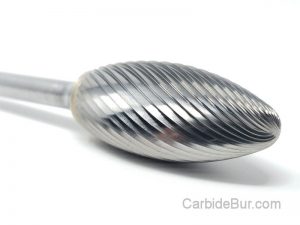
Looking for Carbide Bur Tools?
Check out our entire selection of USA made carbide bur die grinder tool bits
Follow us on Twitter

Return to CarbideBur.com
Carbide Burs – 1/4″ on 1/8″ Shanks – Accessories – Aluminum Cut – Bur Sets – End Mills – Long Shank – Solid Burs
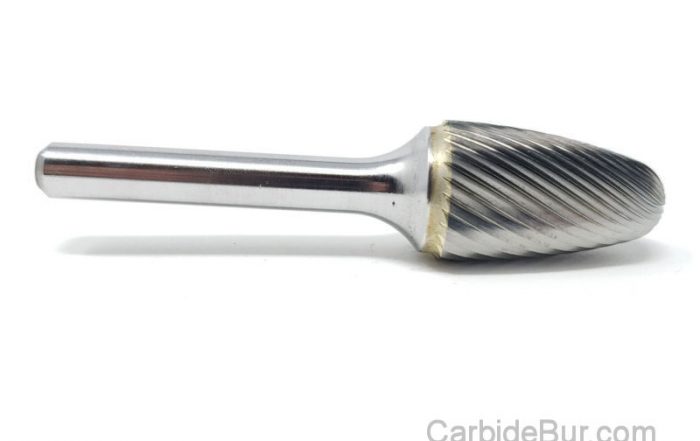
How to Grind a Groove in Metal With a Carbide Burr
How to Grind a Groove in Metal With a Carbide Burr Most metalworkers struggle to cut clean grooves without wasting time or ruining their workpiece. Many try different metalworking tools but end up with uneven [...]
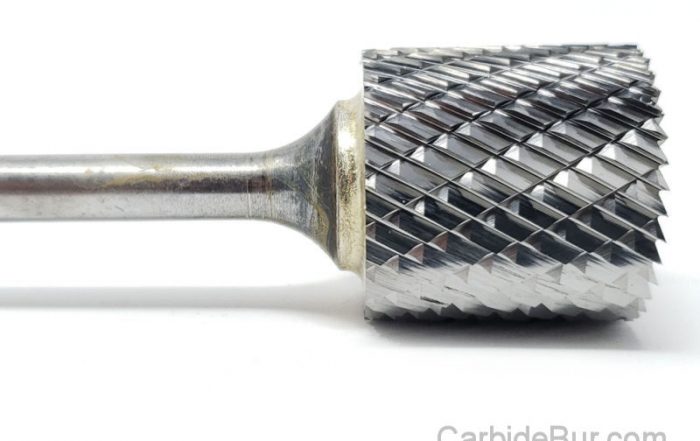
Can Carbide Burrs Cut Through Welds?
Can Carbide Burrs Cut Through Welds? Cutting through welds can feel like a battle, especially when you need clean results without harming the base metal. Carbide burrs offer a sharp edge in this fight, but [...]
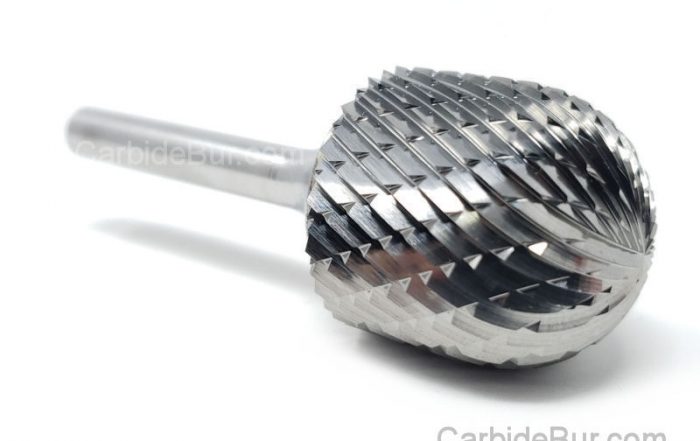
How to Use a Carbide Burr With a Die Grinder
How to Use a Carbide Burr With a Die Grinder Most people treat a carbide burr like just another tool, but using it with a die grinder takes skill. If you’ve struggled with burr installation [...]
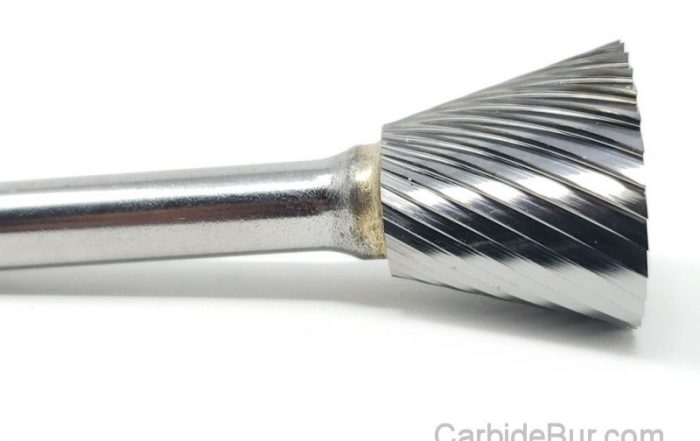
1/8 vs 1/4 Inch Carbide Burrs: What’s the Difference?
1/8 vs 1/4 Inch Carbide Burrs: What's the Difference? Choosing between a 1/8 inch carbide burr and a 1/4 inch carbide burr can change how your project turns out. Many machinists and hobbyists overlook how [...]

Best Carbide Burr for Removing Flash From Castings
Best Carbide Burr for Removing Flash From Castings Removing flash from castings is a task that can slow down your entire metalworking process if you don’t have the right tools. Picking the best carbide burr [...]
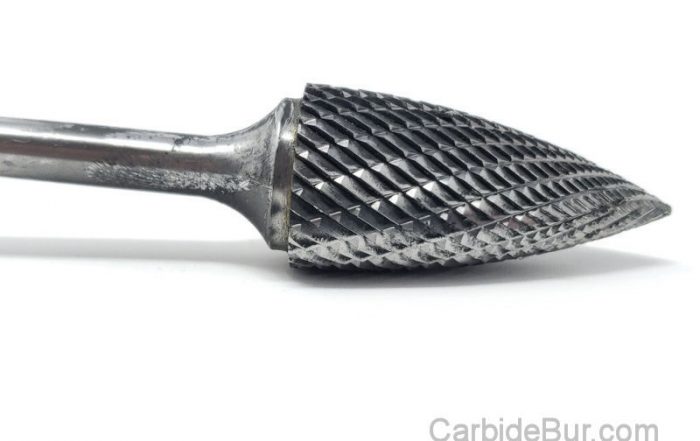
What RPM Should You Use for a 1/4 Inch Carbide Burr?
What RPM Should You Use for a 1/4 Inch Carbide Burr? Most machinists guess the right speed for a 1/4 inch carbide burr and hope for the best. Using the wrong carbide burr RPM can [...]
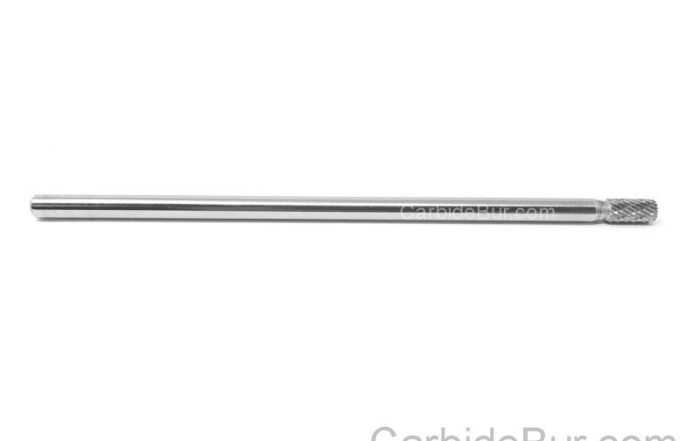
Long Shank Carbide Burrs: When Do You Need One?
Long Shank Carbide Burrs: When Do You Need One? Most machinists overlook the power of long shank carbide burrs until a project demands precision in tight spaces. When your usual tools can’t reach intricate contours, [...]
How Deep Can a Carbide Burr Cut Metal?
How Deep Can a Carbide Burr Cut Metal? Carbide burrs often get praised for their precision, but many users hit a wall wondering how deep they can actually cut metal. The truth is, cutting depth [...]
How to Use Carbide Burrs for Port Matching
How to Use Carbide Burrs for Port Matching Most engine builds hit a wall when airflow doesn’t flow smoothly between the ports and manifolds. If your engine isn’t breathing right, your performance stalls. Using the [...]
Best Carbide Burr for Porting Intake Manifolds
Best Carbide Burr for Porting Intake Manifolds Porting intake manifolds can make or break your engine’s airflow, yet many struggle with the right tools for the job. Choosing the best carbide burrs is key to [...]
Best Carbide Burr for Concave Surfaces
Best Carbide Burr for Concave Surfaces Concave surfaces can turn a straightforward project into a frustrating challenge if you don’t have the right tool. Carbide burrs designed for these tricky curves make all the difference [...]
How to Grind a Slot in Metal With a Carbide Burr
How to Grind a Slot in Metal With a Carbide Burr Grinding a precise slot in metal can feel like a tricky task, especially if you’re unsure which tools to trust. Carbide burr grinding offers [...]
