
Power Tools Unplugged: Exploring the Pros and Cons of Air and Electric Die Grinders
Choosing the best die grinder can feel like a maze when you’re torn between air and electric options. Each type brings different grinder features that affect portability, torque, and maintenance of die grinders. This die grinder comparison breaks down noise levels of grinders, price of die grinders, and power tools performance so you can pick the tool that fits your projects and workspace with confidence. For more insights, check out this discussion on Miller Welds Forum.
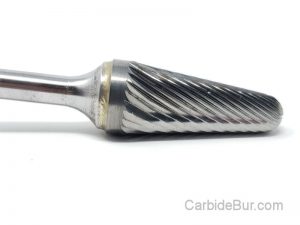
Have you tried using carbide burr tools for your job?
Air Die Grinders: The Basics
Let’s kick off with air die grinders, a choice many professionals swear by. Why? It’s all about the unique benefits they offer in specific scenarios.
Portability and Power Source
Air die grinders are light, making them easy to carry around. You can use them anywhere as long as you have access to a compressor. This requirement means they are great in a workshop setting but less so on the go. Portability becomes an issue if you’re moving between sites without a compressor.
Compressed air powers these grinders, providing a continuous stream of energy. This setup offers a steady performance, but you need a reliable air source. Many shops favor them because they can run non-stop without overheating, but this is contingent on having a good air compressor.
Torque and Performance
When it comes to torque, air die grinders pack a punch. They deliver consistent power, which makes them suitable for demanding tasks. In heavy-duty applications, they don’t falter. The performance can be tailored by adjusting air pressure, giving you control over your projects.
However, keep in mind that the power depends on your compressor’s capacity. If it’s underpowered, the grinder’s performance will lag. Most people think air tools can’t match electric ones in power, but this isn’t always true when you have the right setup.
Maintenance and Durability
Maintenance for air die grinders is straightforward. Regular oiling keeps them running smoothly. They’re built to last, often outlasting their electric counterparts when maintained. Durability is a strong suit, making them a smart long-term investment.
However, you’ll need to take care of your compressor too. Regular checks on air lines and connections ensure consistent performance. Remember, a well-maintained air grinder can be a lifelong tool in your workshop.
Electric Die Grinders: The Essentials
Now, let’s shift focus to electric die grinders. These tools are gaining popularity for their versatility and ease of use, making them a preferred choice for many DIY enthusiasts and professionals.
Portability of Die Grinders
Electric grinders win hands down in portability. Just plug them into a power outlet, and you’re good to go. There’s no need for a compressor, which means no extra bulk. This makes them ideal for jobs where mobility is key.
For those who move around a lot or lack a stationary workspace, electric grinders offer unmatched convenience. They’re compact, easy to transport, and perfect for quick setups. You won’t need to worry about air hoses trailing behind you.

Torque in Die Grinders
While electric die grinders may not reach the torque levels of air tools, they still perform commendably. Modern models come with impressive power ratings, capable of handling a variety of tasks with ease.
These grinders excel in precision work, where control is more critical than raw power. Many users appreciate the ability to adjust speed settings, allowing for detailed work without sacrificing performance.
Maintenance of Die Grinders
Electric grinders require minimal upkeep. Unlike air tools, you don’t need to oil them regularly. Keep the motor clean and check the power cord for wear and tear. Simple checks ensure they remain in top condition.
Durability can be a concern if used heavily without breaks, but with proper care, they can last for years. Most users find the ease of maintenance a significant benefit, making them a practical choice for regular use.
Comparing Key Grinder Features
Understanding the distinct features of each type is essential. Here’s a closer look at how air and electric die grinders stack up in terms of noise, cost, and handling.
Noise Levels of Grinders
Noise levels can be a deal-breaker. Air die grinders are typically louder due to the compressor and tool operation. In contrast, electric grinders run quieter, making them more suitable for environments where noise is a concern.
If you’re working in a shared space, consider the impact of noise. The quieter operation of electric models may be appreciated by your neighbors or colleagues.
Price of Die Grinders
Price is a big factor in choosing a grinder. Air die grinders often have a lower initial cost but require investment in a compressor if you don’t already have one. On the other hand, electric grinders might come with a higher price tag upfront but involve fewer additional costs.
Weighing these costs against your needs will help determine the best fit. For a budget-friendly solution, consider the long-term expenses associated with each type.
User Experience and Handling
User experience varies between types. Air grinders are known for their light weight, reducing fatigue during extended use. Electric grinders offer convenience and ease of handling, especially with no need for an air source.
Most people think air grinders might be cumbersome due to the compressor, but their lightweight design can be a significant advantage. Consider what feels more comfortable for your tasks.
Choosing the Best Die Grinder
The final decision hinges on a few critical factors. Let’s explore what you should consider to find the best die grinder for your needs.
Application Suitability
First, consider what you’ll use the tool for. Air grinders are excellent for demanding tasks, while electric ones are better for detailed work. Choose based on the projects you most frequently tackle.
Workspace Considerations
Your workspace plays a crucial role. If you have access to a compressor and need continuous operation, air grinders are a good fit. In contrast, if mobility and flexibility are priorities, an electric grinder might be best.
Long-term Investment Benefits
Think long-term. Air grinders can last longer with regular maintenance but require more setup. Electric grinders are user-friendly with straightforward upkeep. Evaluate what offers better value over time.
In conclusion, both air and electric die grinders have their unique advantages. By understanding your specific needs, you can confidently choose the right tool for your projects.
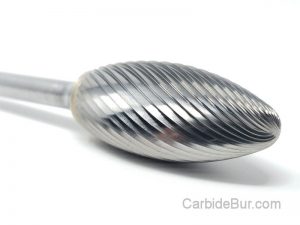
Looking for Carbide Bur Tools?
Check out our entire selection of USA made carbide bur die grinder tool bits
Follow us on Twitter

Return to CarbideBur.com
Carbide Burs – 1/4″ on 1/8″ Shanks – Accessories – Aluminum Cut – Bur Sets – End Mills – Long Shank – Solid Burs
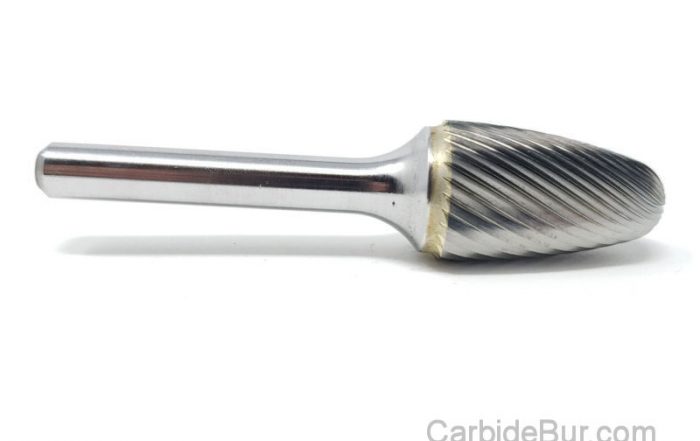
How to Grind a Groove in Metal With a Carbide Burr
How to Grind a Groove in Metal With a Carbide Burr Most metalworkers struggle to cut clean grooves without wasting time or ruining their workpiece. Many try different metalworking tools but end up with uneven [...]
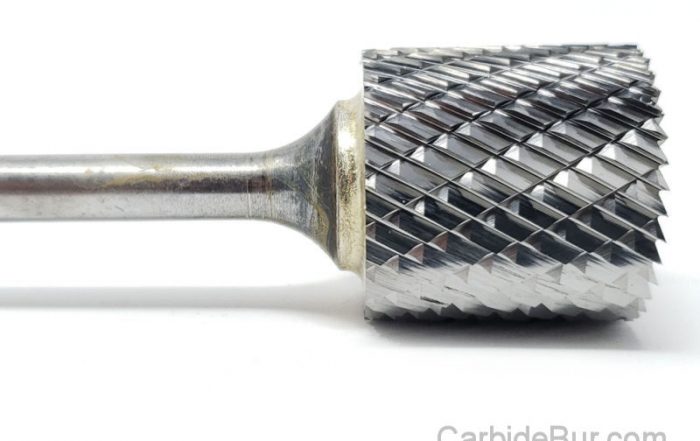
Can Carbide Burrs Cut Through Welds?
Can Carbide Burrs Cut Through Welds? Cutting through welds can feel like a battle, especially when you need clean results without harming the base metal. Carbide burrs offer a sharp edge in this fight, but [...]
How to Use a Carbide Burr With a Die Grinder
How to Use a Carbide Burr With a Die Grinder Most people treat a carbide burr like just another tool, but using it with a die grinder takes skill. If you’ve struggled with burr installation [...]
1/8 vs 1/4 Inch Carbide Burrs: What’s the Difference?
1/8 vs 1/4 Inch Carbide Burrs: What's the Difference? Choosing between a 1/8 inch carbide burr and a 1/4 inch carbide burr can change how your project turns out. Many machinists and hobbyists overlook how [...]
Best Carbide Burr for Removing Flash From Castings
Best Carbide Burr for Removing Flash From Castings Removing flash from castings is a task that can slow down your entire metalworking process if you don’t have the right tools. Picking the best carbide burr [...]
What RPM Should You Use for a 1/4 Inch Carbide Burr?
What RPM Should You Use for a 1/4 Inch Carbide Burr? Most machinists guess the right speed for a 1/4 inch carbide burr and hope for the best. Using the wrong carbide burr RPM can [...]
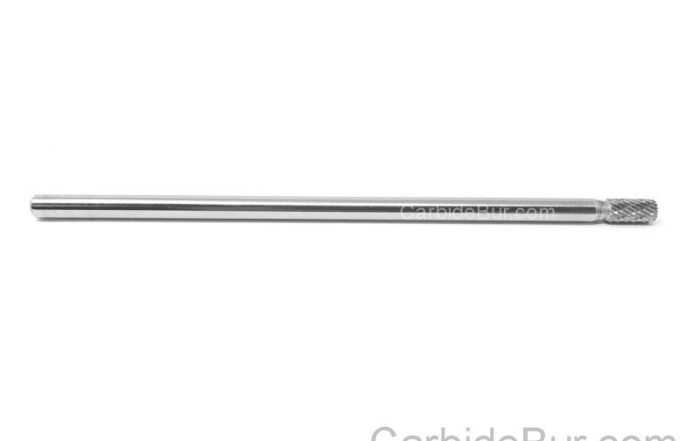
Long Shank Carbide Burrs: When Do You Need One?
Long Shank Carbide Burrs: When Do You Need One? Most machinists overlook the power of long shank carbide burrs until a project demands precision in tight spaces. When your usual tools can’t reach intricate contours, [...]
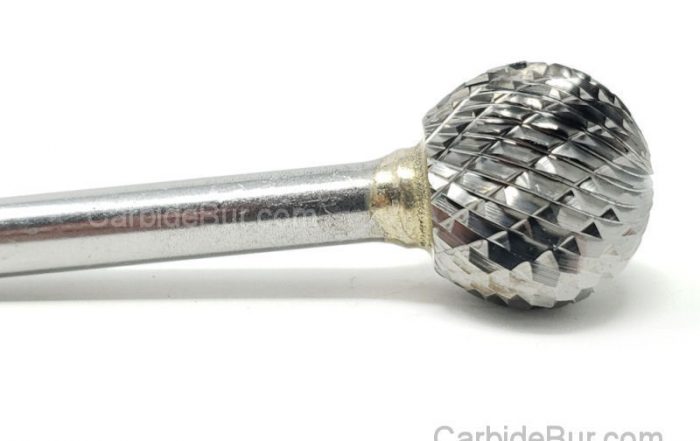
How Deep Can a Carbide Burr Cut Metal?
How Deep Can a Carbide Burr Cut Metal? Carbide burrs often get praised for their precision, but many users hit a wall wondering how deep they can actually cut metal. The truth is, cutting depth [...]
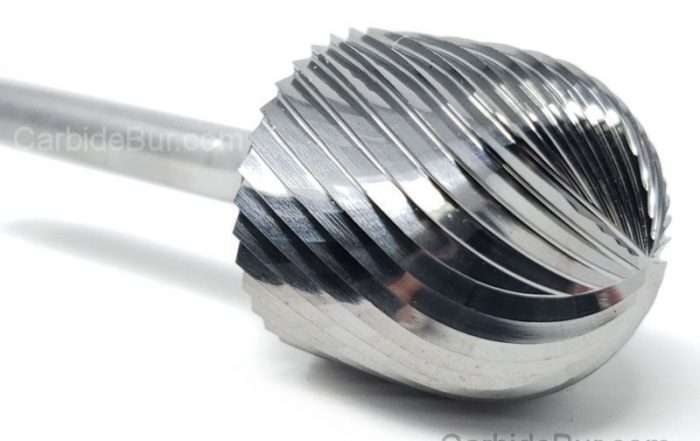
How to Use Carbide Burrs for Port Matching
How to Use Carbide Burrs for Port Matching Most engine builds hit a wall when airflow doesn’t flow smoothly between the ports and manifolds. If your engine isn’t breathing right, your performance stalls. Using the [...]
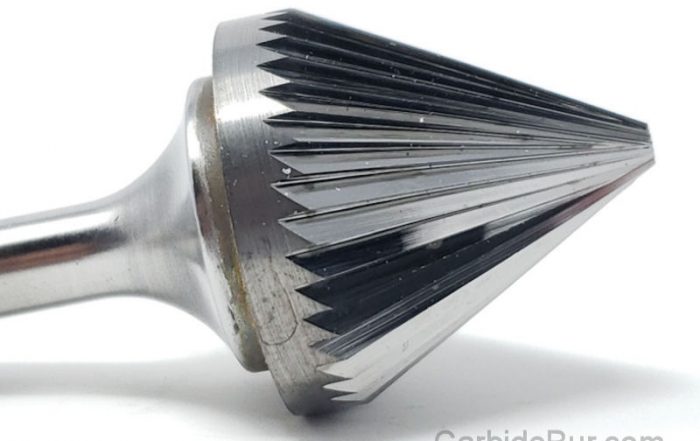
Best Carbide Burr for Porting Intake Manifolds
Best Carbide Burr for Porting Intake Manifolds Porting intake manifolds can make or break your engine’s airflow, yet many struggle with the right tools for the job. Choosing the best carbide burrs is key to [...]
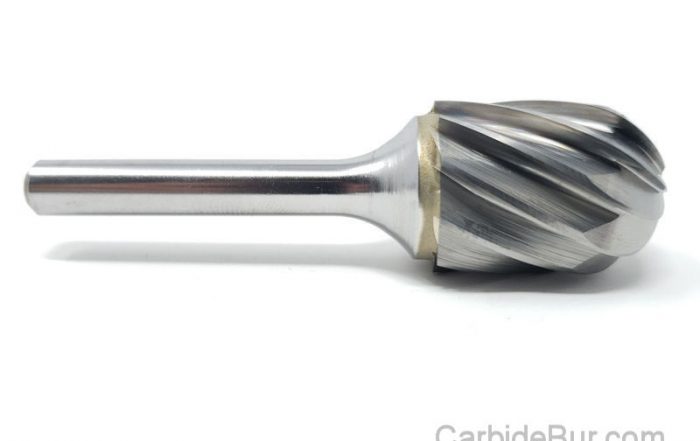
Best Carbide Burr for Concave Surfaces
Best Carbide Burr for Concave Surfaces Concave surfaces can turn a straightforward project into a frustrating challenge if you don’t have the right tool. Carbide burrs designed for these tricky curves make all the difference [...]
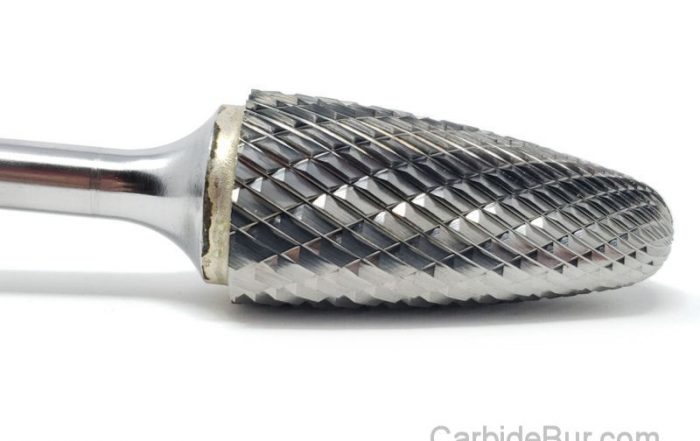
How to Grind a Slot in Metal With a Carbide Burr
How to Grind a Slot in Metal With a Carbide Burr Grinding a precise slot in metal can feel like a tricky task, especially if you’re unsure which tools to trust. Carbide burr grinding offers [...]
