
Mastering Cutting Efficiency: Best RPM Practices for Carbide Burrs
You’ve probably noticed that picking the wrong RPM for your carbide burrs can wreck your work and wear down your tools fast. Getting the optimal RPM right means smoother cuts, less tool wear, and cleaner finishes on metal, wood, or plastic. In this post, you’ll find straightforward tips on how burr size, material hardness, and your project type affect the best speed to use. Let’s get you cutting sharper and lasting longer with your carbide burrs. For more in-depth guidance, check out this ultimate RPM guide.
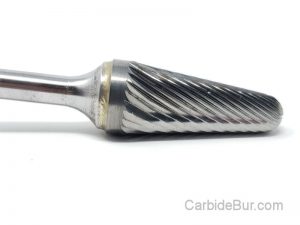
Have you tried using carbide burr tools for your job?
Understanding Carbide Burrs and RPM
Grasping the basics of carbide burrs and their RPM is a game-changer. Knowing why the right speed matters can save you time and money.
Basics of Carbide Burrs
Carbide burrs are small, rotary cutting tools used in various projects. They carve, shape, and remove material. Their sharp edges make them perfect for detailed work. These tools come in many shapes and sizes, each suited for specific tasks. Because of their versatility, they are popular among woodworkers, metalworkers, and hobbyists. When you pick the right burr, you get better results with less effort.
Importance of Optimal RPM
Using the correct RPM is crucial for efficient work. The right speed ensures smoother cuts and extends the life of your burrs. Too fast, and you risk burning the material or damaging the burr. Too slow, and the work becomes inefficient and frustrating. By understanding the optimal RPM, you align your tool’s speed with your project needs. This alignment boosts both quality and speed.
Benefits of Proper RPM Settings
Proper RPM settings offer multiple benefits. First, they lead to cleaner finishes. When the speed matches the material, you’re left with a smooth surface. Second, the correct RPM minimizes tool wear. This means fewer replacements and more savings. Lastly, optimal RPM settings improve cutting efficiency. The right speed means less resistance and quicker results. For more insights, visit this detailed article.
Factors Influencing RPM Choices
Choosing the right RPM isn’t just about speed. Several factors come into play, each affecting your results differently.
Burr Size Considerations
Burr size plays a significant role in deciding RPM. Larger burrs require slower speeds to prevent overheating. Smaller burrs can handle higher speeds, allowing for more precise work. Always match the burr size with your tool’s capability. This ensures safety and efficiency. Keep in mind that using the wrong size at the wrong speed can lead to poor performance and damage.
Material Hardness Impact
Material hardness is another critical factor. Softer materials like wood need slower speeds to avoid tearing. Metals, being tougher, often require higher RPMs for effective cutting. Knowing the material’s hardness helps in setting the right speed. This understanding results in better cuts and reduced tool wear. For a comprehensive guide, check out this resource.
Surface Finish Requirements
The desired surface finish also affects RPM choice. A smooth finish usually requires a slower speed for precision. For rougher surfaces, a higher speed might be more suitable. Deciding on the finish helps in selecting the appropriate RPM. This decision enhances the quality of the final product, meeting your project’s specific needs.

Specific Recommendations by Material
Your material choice dictates the RPM settings. Tailoring your approach ensures better results across different materials.
Best Practices for Metals
When working with metals, choosing the right RPM is key. Metals often demand higher speeds for effective cutting. Ensure your burr is suitable for metal to prevent rapid wear. Use consistent pressure for even cuts. Frequent breaks help in avoiding overheating. For metalworkers, understanding RPM nuances leads to cleaner results. For more metal-working tips, explore this expert guide.
Effective Techniques for Wood
Wood requires a careful approach. Use slower RPMs to prevent splitting. Different woods have different hardness levels, so adjust accordingly. Keep the tool moving to avoid burns. Regular cleaning of the burr ensures effective cutting. Woodworkers benefit from this tailored approach by achieving smooth, precise finishes.
Ideal Approaches for Plastics
Plastics can be tricky. They melt easily, so lower RPMs are best. Use sharp burrs to minimize resistance. Avoid applying too much pressure, as it can warp the material. Frequent cleaning helps in maintaining effectiveness. Adapting these techniques leads to superior results and prevents common mistakes.
Application Tips and Project Recommendations
Getting the most out of your carbide burrs requires strategic approaches. These tips help you tackle projects with confidence.
Strategies for Reducing Tool Wear
Reducing tool wear extends the life of your burrs. Start by using the right burr for each task. Regularly check for signs of wear and replace when necessary. Proper maintenance, like cleaning and sharpening, keeps tools in top shape. Following these steps saves money and ensures consistent results.
Enhancing Cutting Efficiency
To enhance cutting efficiency, match RPM with project needs. Knowing when to adjust speed can improve your workflow. Use the right burr shape for each material. Consistent practice helps in refining techniques. Efficient cutting means more projects completed in less time.
Achieving a Superior Surface Finish
Achieving a superior surface finish requires attention to detail. Start with the correct RPM for your material. Use steady, even pressure for uniform cuts. Regularly inspect your work to catch imperfections early. Implementing these tips guarantees a polished, professional finish every time. For additional tips, visit this helpful guide.
By mastering RPM settings and techniques, you unlock your potential in woodworking, metalworking, and beyond. The right approach leads to efficiency, precision, and exceptional results.
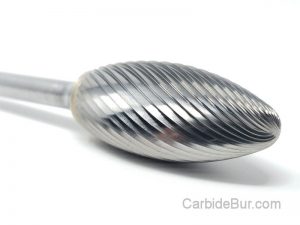
Looking for Carbide Bur Tools?
Check out our entire selection of USA made carbide bur die grinder tool bits
Follow us on Twitter

Return to CarbideBur.com
Carbide Burs – 1/4″ on 1/8″ Shanks – Accessories – Aluminum Cut – Bur Sets – End Mills – Long Shank – Solid Burs
The Art of Using Carbide Burrs on Stainless Steel Welds
Mastering Metalwork: The Art of Using Carbide Burrs on Stainless Steel Welds Most welders waste hours struggling with stainless steel welds that refuse to smooth out. Using the wrong metalworking tools only makes burr grinding [...]
Innovative Tool Uses for Carbide Burrs in Your Workshop
From Metal to Wood: Innovative Tool Uses for Carbide Burrs in Your Workshop Most woodworkers stick to traditional carving tools, missing out on a powerful option hiding in their metal toolboxes. Carbide burrs, known for [...]
The Essential Guide to Carbide Burs and Burr Comparison
Tool Selection Made Easy: The Essential Guide to Carbide Burs and Burr Comparison Choosing the right machining tools can feel like navigating a maze, especially when it comes to carbide burs and traditional burrs. Many [...]
Top Features of Carbide Burrs for Porting
Enhance Engine Performance: Top Features of Carbide Burrs for Porting Most people think any carbide burr will do for porting heads. That’s where they go wrong. Choosing the best burrs for porting means understanding cutting [...]
Tips for Using Carbide Burrs in Metal Sculpting
Safe and Stunning: Tips for Using Carbide Burrs in Metal Sculpting Carbide burrs often get overlooked in metal sculpting, even though they shape metal with unmatched precision. If you’ve struggled to get smooth curves or [...]
The Power of Double Cut Carbide Burrs
Mastering Metalworking: The Power of Double Cut Carbide Burrs Most metalworkers waste hours struggling with dull tools that slow every project. Your choice of cutting tool can make or break your machining efficiency. This post [...]
The Best Applications for USA Made Carbide Burrs
Perfecting Your Craft: The Best Applications for USA Made Carbide Burrs Most carbide burrs look the same at first glance. But when you use USA made carbide burrs, the difference in quality and precision is [...]
Carbide Burrs and Flap Discs for Metalworkers
The Ultimate Tool Comparison: Carbide Burrs and Flap Discs for Metalworkers Choosing between carbide burrs and flap discs can feel like picking the ultimate tool for your metalwork projects. Each tool offers distinct advantages depending [...]
Crafting Clean Finishes with Carbide Burrs
Reduce Dust, Increase Precision: Crafting Clean Finishes with Carbide Burrs Fiberglass crafting often means battling dust and rough edges that slow your progress. Using the right carbide burr can change how you cut and shape, [...]
Effective Techniques for Using Carbide Burrs on Tough Materials
Enhance Your Metalworking Skills: Effective Techniques for Using Carbide Burrs on Tough Materials Carbide burrs often face tough questions when it comes to cutting hardened steel. You know this material doesn’t give up easily—it’s dense [...]
Understanding and Preventing Carbide Burr Chattering
Troubleshooting Tool Performance: Understanding and Preventing Carbide Burr Chattering Carbide burr chattering throws off your metalworking rhythm and ruins your finish. It’s frustrating when your tool jumps instead of cutting cleanly. Most chatter comes from [...]
Choosing the Right Long Shank Carbide Burr
The Art of Precision Cutting: Choosing the Right Long Shank Carbide Burr Most cutting tools struggle to reach tight spaces or deep cavities without losing control. That’s where a long shank carbide burr changes the [...]
