
Mastering Metalwork: Selecting the Right Rotary Burrs for Superior Steel Fabrication
Most metalworkers underestimate how much the right rotary burrs for steel can improve their projects. Using generic tools wastes time and leaves rough finishes that need rework. This guide breaks down key features like cutting edge design and burr shapes and sizes to help you pick the best rotary burrs for steel fabrication tasks like deburring, shaping, and engraving. Get ready to sharpen your metalworking efficiency and finish quality with tools built for the job. For more insights, check this guide on rotary burrs for metal fabrication.
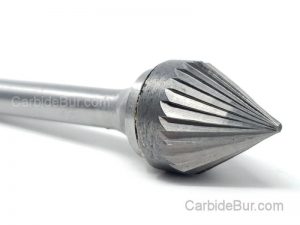
Which carbide bur tool shape do you use most?
Understanding Rotary Burrs
Grasping the basics of rotary burrs is crucial to achieving stellar results in steel fabrication. Let’s explore the types and functions of these handy tools.
Types and Functions
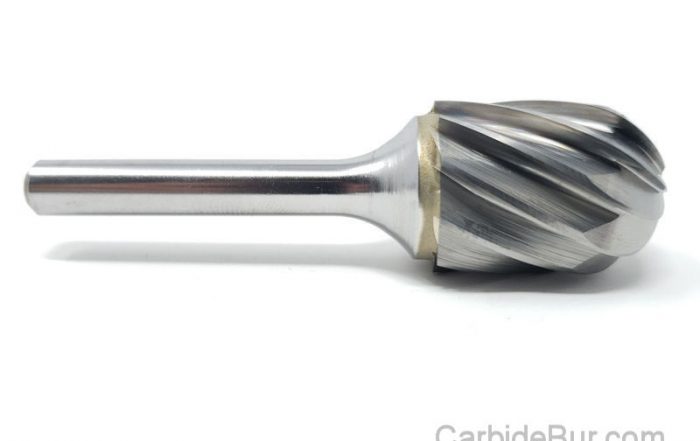
Rotary burrs come in various shapes, each serving a unique purpose. Cylindrical burrs are great for flat surfaces, while spherical ones excel in shaping curves. With pointed burrs, engraving intricate designs becomes a breeze. Understanding these functions helps you pick the right tool for your project. Did you know that choosing the right rotary burr can save you up to 30% of your working time? Next, let’s see why these tools are essential in steel work.
Why Choose Rotary Burrs for Steel
When it comes to steel, precision is key. Rotary burrs offer that exact control, making them a favorite among professionals. They effortlessly cut through tough materials, ensuring a smooth finish. Plus, they reduce the need for excessive sanding or grinding. This not only saves time but also keeps your tools in better condition. Most people think steel fabrication is labor-intensive, but with the right burrs, it becomes much easier. Curious about the features that make these tools stand out? Keep reading.
Key Features to Consider
Selecting the perfect rotary burr involves understanding its key features. Cutting edge design significantly influences performance. Look for burrs made from high-quality materials like tungsten carbide. They offer durability and maintain sharpness over time. Also, consider the burr’s shape and size. These factors determine the kind of tasks it can handle efficiently. Are you ready to dive into the selection process? Let’s move forward.
Selecting the Best Burrs
Now that you know the basics, it’s time to pick the best burrs for your steel projects. Start with understanding cutting edge designs.
Cutting Edge Design Explained
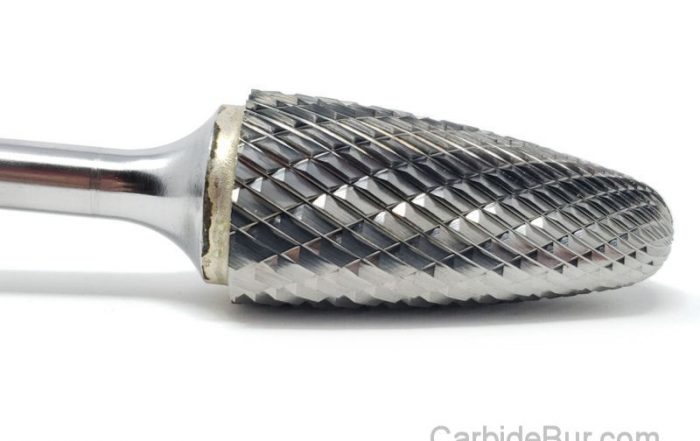
The cutting edge is what sets one burr apart from another. Double-cut burrs are preferred for softer metals, while single-cut burrs excel in aggressive stock removal. The angle and placement of teeth influence how the burr cuts through steel. Opt for designs that match your specific needs. For a deeper dive into cutting edge designs, check out this comprehensive guide.
Material Hardness and Durability
Material choice is vital for a burr’s lifespan. Tungsten carbide offers unmatched hardness, essential for tackling tough steel. These burrs withstand heat better, preventing premature wear. Investing in durable burrs saves costs in the long run. Imagine reducing tool replacements by over 50% with the right choice. Now, let’s look at some top picks for steel fabrication.
Top Picks for Steel Fabrication
Several burrs stand out for steel work. The SA-1 cylindrical burr is ideal for flat surfaces. For detailed engraving, the SC-3 rounded burr is a favorite. These burrs are praised for their performance and longevity. Want to know more about their applications? The next section will enhance your metalworking efficiency.

Enhancing Metalworking Efficiency
Efficiency in metalworking isn’t a luxury; it’s a necessity. Discover the techniques that maximize the potential of your rotary burrs.
Shaping and Engraving Techniques
With the right burrs, shaping and engraving become straightforward tasks. Use slow, steady motions for precision. This ensures clean cuts and sharp edges. Trying different angles can yield surprising results, adding depth to your designs. Most people overlook the power of technique in efficiency. You’re not just cutting metal; you’re crafting art. Ready to explore deburring tools?
Deburring Tools: A Closer Look
Deburring is essential for a polished finish. Rotary burrs excel in removing rough edges. Choose a tapered burr for tight corners. This reduces the need for additional sanding. Proper deburring not only enhances appearance but also improves safety by eliminating sharp edges. Discover the best shapes and sizes for your projects next.
Burr Shapes and Sizes Guide
Selecting the right shape and size determines the outcome of your work. Flat surfaces require a cylindrical burr, while intricate details demand cone-shaped burrs. It’s about matching the tool to the task. Here’s a tip: keep a variety of sizes on hand for flexibility. Feeling inspired to try new applications with your burrs? The following section offers practical recommendations.
Practical Applications and Recommendations
Ready to put your knowledge into practice? Here are some applications and recommendations to guide you.
Best Rotary Burrs for Professionals
For professionals, durability is key. Tungsten carbide burrs are the top choice. They handle heavy-duty tasks with ease. Ensuring a smooth finish, these burrs stand the test of time. They’re an investment in quality. Interested in DIY solutions? Let’s explore what’s essential for hobbyists.
DIY Metalworker’s Must-Haves
As a DIY enthusiast, you need versatile tools. Start with a basic set: cylindrical, spherical, and pointed burrs. These cover most tasks without overwhelming your toolkit. Ease into projects with confidence, knowing you have the right tools. Want to ensure superior finishes? Follow our upcoming recommendations.
Recommendations for Superior Finish Quality
Achieving a superior finish requires attention to detail. Use fine grit burrs for the final touches. This minimizes scratches, leaving a polished look. Remember, patience pays off. With each step, you’re refining your craft. Ready to master steel fabrication? Let’s dive into expert tips and common pitfalls.
Mastering Steel Fabrication
You’re on the path to mastering steel fabrication. These tips and stories will guide you to perfection.
Tips for Optimal Results
For the best results, practice makes perfect. Consistency in technique leads to better outcomes. Don’t rush the process. Allow the tool to do the work. Small adjustments can make a big difference. Stay curious and keep learning. Want to avoid common mistakes? Read on.
Common Mistakes to Avoid
Mistakes happen, but learning from them is crucial. Avoid using the wrong burr for the task; it can damage your workpiece. Applying too much pressure leads to uneven cuts. Remember, let the burr guide you. Most people think speed is key, but precision is more important. Ready for some inspirational success stories?
Inspirational Success Stories
Many professionals started where you are now. With perseverance and the right tools, they’ve crafted incredible projects. One metalworker transformed his garage into a thriving business, all thanks to his dedication to mastering the craft. His story reminds us that with passion and the right approach, anything is possible. You’re ready to create your own success story.
In conclusion, selecting and mastering the right rotary burrs for steel can transform your metalworking experience. With the correct tools and techniques, your projects will reflect quality and precision. Keep honing your skills, and let your creativity shine.
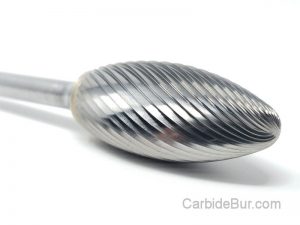
Looking for Carbide Bur Tools?
Check out our entire selection of USA made carbide bur die grinder tool bits
Follow us on Twitter

Return to CarbideBur.com
Carbide Burs – 1/4″ on 1/8″ Shanks – Accessories – Aluminum Cut – Bur Sets – End Mills – Long Shank – Solid Burs
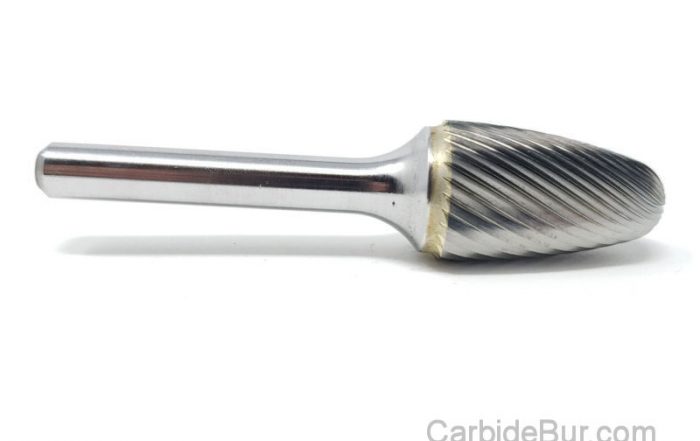
How to Grind a Groove in Metal With a Carbide Burr
How to Grind a Groove in Metal With a Carbide Burr Most metalworkers struggle to cut clean grooves without wasting time or ruining their workpiece. Many try different metalworking tools but end up with uneven [...]
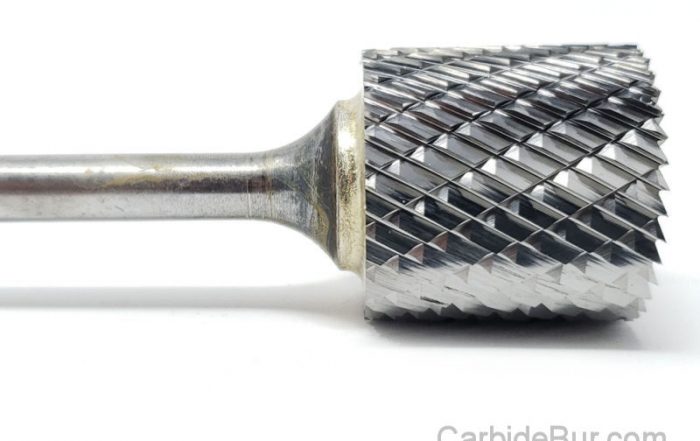
Can Carbide Burrs Cut Through Welds?
Can Carbide Burrs Cut Through Welds? Cutting through welds can feel like a battle, especially when you need clean results without harming the base metal. Carbide burrs offer a sharp edge in this fight, but [...]
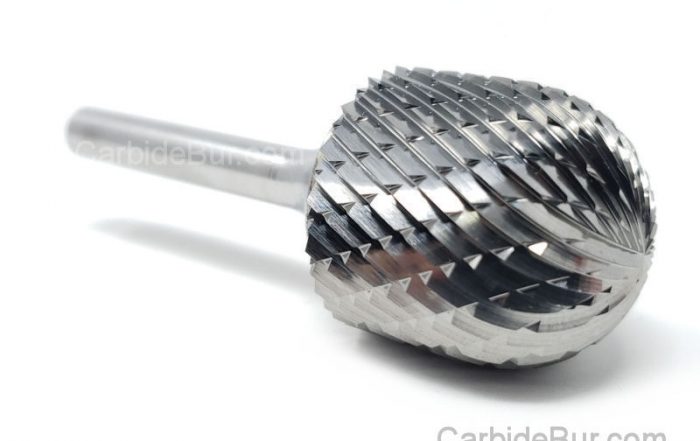
How to Use a Carbide Burr With a Die Grinder
How to Use a Carbide Burr With a Die Grinder Most people treat a carbide burr like just another tool, but using it with a die grinder takes skill. If you’ve struggled with burr installation [...]
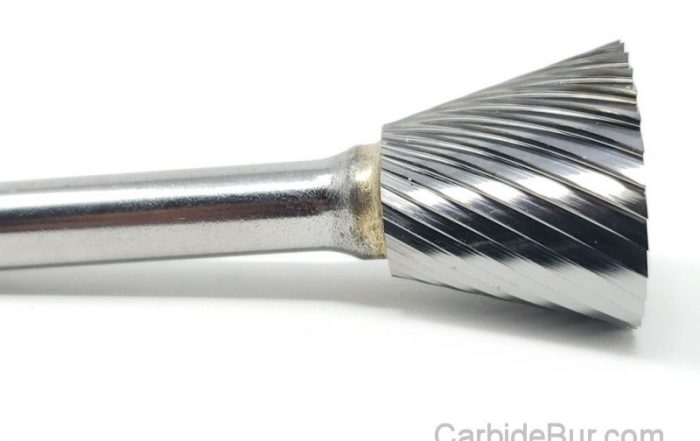
1/8 vs 1/4 Inch Carbide Burrs: What’s the Difference?
1/8 vs 1/4 Inch Carbide Burrs: What's the Difference? Choosing between a 1/8 inch carbide burr and a 1/4 inch carbide burr can change how your project turns out. Many machinists and hobbyists overlook how [...]
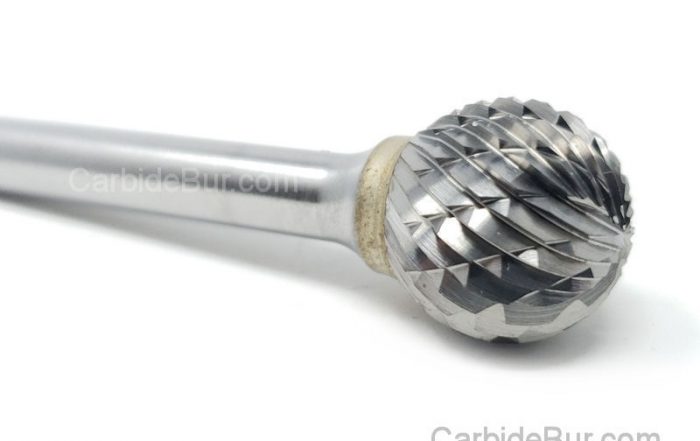
Best Carbide Burr for Removing Flash From Castings
Best Carbide Burr for Removing Flash From Castings Removing flash from castings is a task that can slow down your entire metalworking process if you don’t have the right tools. Picking the best carbide burr [...]
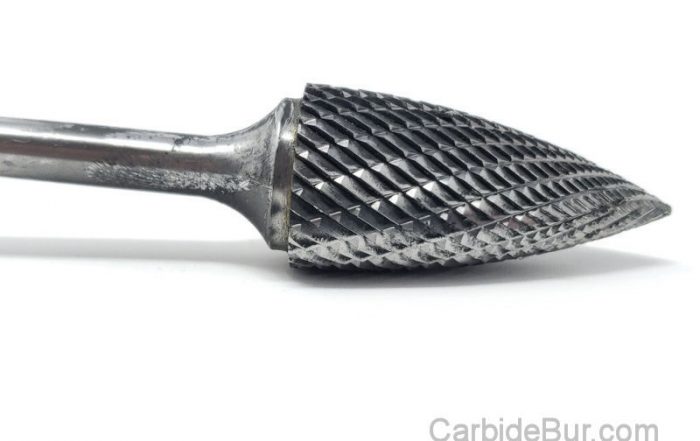
What RPM Should You Use for a 1/4 Inch Carbide Burr?
What RPM Should You Use for a 1/4 Inch Carbide Burr? Most machinists guess the right speed for a 1/4 inch carbide burr and hope for the best. Using the wrong carbide burr RPM can [...]
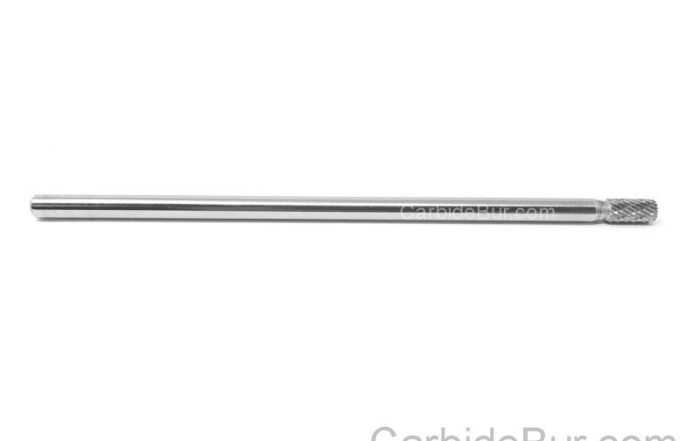
Long Shank Carbide Burrs: When Do You Need One?
Long Shank Carbide Burrs: When Do You Need One? Most machinists overlook the power of long shank carbide burrs until a project demands precision in tight spaces. When your usual tools can’t reach intricate contours, [...]
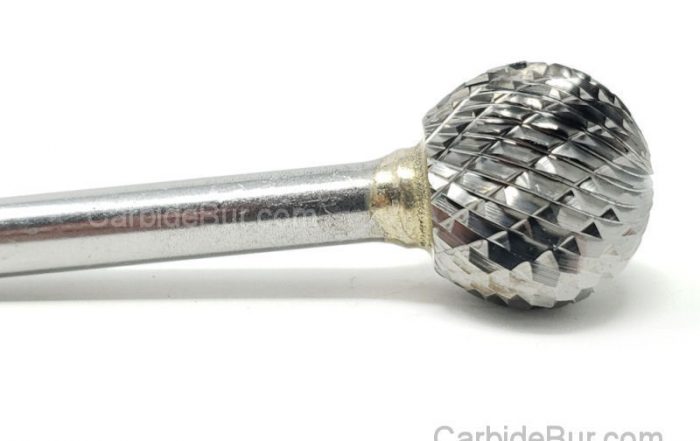
How Deep Can a Carbide Burr Cut Metal?
How Deep Can a Carbide Burr Cut Metal? Carbide burrs often get praised for their precision, but many users hit a wall wondering how deep they can actually cut metal. The truth is, cutting depth [...]
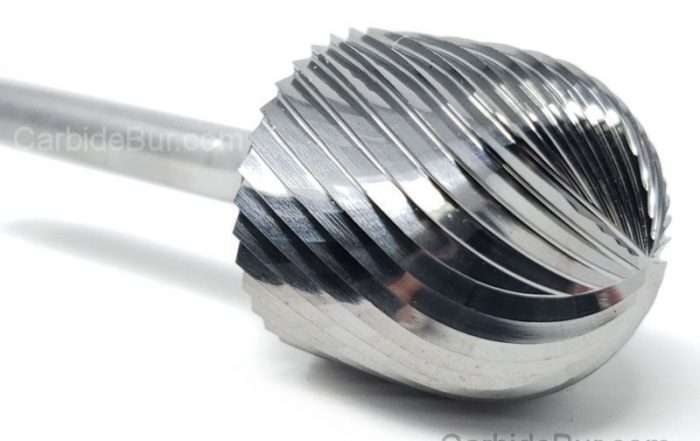
How to Use Carbide Burrs for Port Matching
How to Use Carbide Burrs for Port Matching Most engine builds hit a wall when airflow doesn’t flow smoothly between the ports and manifolds. If your engine isn’t breathing right, your performance stalls. Using the [...]
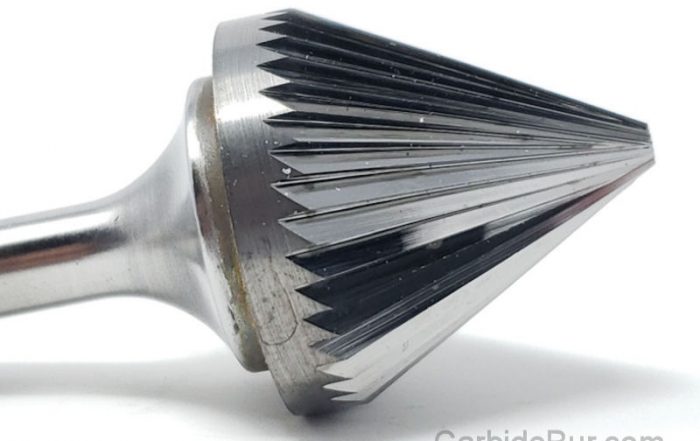
Best Carbide Burr for Porting Intake Manifolds
Best Carbide Burr for Porting Intake Manifolds Porting intake manifolds can make or break your engine’s airflow, yet many struggle with the right tools for the job. Choosing the best carbide burrs is key to [...]
Best Carbide Burr for Concave Surfaces
Best Carbide Burr for Concave Surfaces Concave surfaces can turn a straightforward project into a frustrating challenge if you don’t have the right tool. Carbide burrs designed for these tricky curves make all the difference [...]
How to Grind a Slot in Metal With a Carbide Burr
How to Grind a Slot in Metal With a Carbide Burr Grinding a precise slot in metal can feel like a tricky task, especially if you’re unsure which tools to trust. Carbide burr grinding offers [...]
