
Choosing the Right Die Grinder Attachments for Your Projects
Most beginners grab a die grinder and start without thinking about the attachments they need. That’s a quick way to waste time or damage your project. Knowing how to use a die grinder properly and picking the right accessories changes everything. This guide will walk you through die grinder tips, safety basics, and how to choose attachments that fit your task perfectly. For more detailed insights, check out this guide.
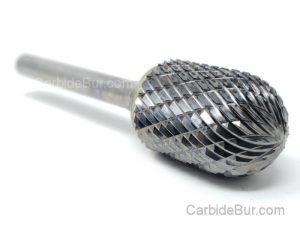
Have you tried our Carbide Burs for your job?
Understanding Die Grinders
Getting familiar with die grinders is the first step toward mastering their use. Let’s explore the types of die grinders available and the safety basics you need to know.
Types of Die Grinders
Die grinders come in various types, each serving a different need. You might find electric die grinders in your local store; they’re great for general use. If you’re looking for something powerful, consider pneumatic die grinders. These tools offer speed and power, ideal for more demanding tasks. There’s also the corded vs. cordless debate. Cordless models offer mobility, while corded ones provide consistent power. Depending on your project, choose the one that suits your needs. By knowing these types, you’re already on your way to making informed decisions.
Die Grinder Safety Basics
Safety should always be your priority. Before you start, ensure you wear the right gear: goggles, gloves, and a dust mask. These protect you from flying debris and dust. It’s also important to inspect the tool before use. Check for any damage and ensure it’s functioning properly. Always secure your workpiece to prevent accidents. By taking these steps, you minimize risk and create a safer work environment.
Choosing Attachments Wisely
With a clear understanding of die grinders, it’s time to focus on choosing the right attachments. These can greatly impact your project’s outcome.
Essential Die Grinder Attachments
Attachments make your grinder versatile. Cut-off wheels are perfect for slicing through metal. If you’re working with wood, try sanding discs for a smooth finish. For those intricate details, burr bits are your go-to. They allow precision in tight spots. Having a range of these attachments ensures you can handle any task. Remember, the right attachment can make or break your project, so choose wisely.
Comparing Attachment Materials
Not all attachments are created equal. The material of the attachment affects its performance. Aluminum oxide is great for general grinding. If you need something tougher, zirconia alumina offers durability. For finishing touches, consider silicon carbide; it’s excellent for non-ferrous metals. Understanding these materials helps in selecting the best tool for your job. By doing so, you’re ensuring quality results every time.
Die Grinder Techniques for Beginners
Knowing how to use your die grinder and attachments is crucial. Let’s dive into some beginner techniques.

Grinding and Sanding Techniques
Starting with basic grinding techniques, always keep a steady hand. Apply even pressure to avoid gouging the surface. When sanding, move in circular motions for a uniform finish. Keep your speed consistent to avoid overheating. These simple methods enhance your skills and result in smoother surfaces. Practice makes perfect, so don’t hesitate to experiment.
Polishing and Finishing Tips
Polishing brings out the shine in your work. Use polishing pads for metals and softer materials. Apply a small amount of polish and work in slow, circular motions. Finish by wiping with a clean cloth. Finishing tips include using finer grits for that extra shine. By mastering these, your projects will not only look professional but also last longer.
Safety Precautions and Best Practices
Safety and maintenance go hand in hand. Maintaining your tools ensures safety and longevity.
Protective Gear for Safety
Never underestimate the importance of protective gear. Safety goggles shield your eyes from particles. Gloves prevent cuts and burns, while a dust mask guards against harmful dust. Invest in quality gear for maximum protection. Remember, safety gear is not optional; it’s essential.
Maintenance Tips for Longevity
Proper maintenance extends your tool’s life. After each use, clean the attachments to remove debris. Lubricate moving parts to prevent rust. Store your die grinder in a dry place to avoid moisture damage. Regular maintenance means your tool is always ready when you need it. By caring for your tools, you’re ensuring they serve you well for years.
Building Confidence with Your Projects
Armed with knowledge and practice, you’re ready to tackle projects with your die grinder. Let’s explore some ideas and solutions for common issues.
Practical Project Ideas
Start small. Try creating metal sculptures or refinishing furniture. These projects build skills and confidence. As you progress, challenge yourself with more complex tasks. Remember, every project is a learning experience. Take on projects that excite you and watch your skills grow.
Troubleshooting Common Issues
Sometimes things don’t go as planned. If your grinder overheats, check for clogs or reduce speed. Uneven surfaces? Adjust your pressure and technique. Encountering issues is part of the learning process. Don’t get discouraged; instead, see them as opportunities to improve. By troubleshooting effectively, you’ll become a die grinder pro in no time.
By integrating these insights and techniques, you’re set to achieve professional results with your die grinder. Remember, practice and patience are key. Enjoy the process and watch your skills soar.
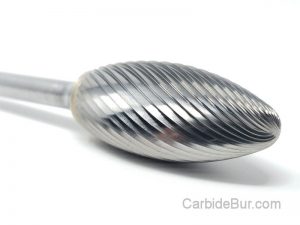
Looking for Carbide Bur Tools?
Check out our entire selection of USA made carbide bur die grinder tool bits
Follow us on Twitter

Return to CarbideBur.com
Carbide Burs – 1/4″ on 1/8″ Shanks – Accessories – Aluminum Cut – Bur Sets – End Mills – Long Shank – Solid Burs
Can Carbide Burrs Cut Through Welds?
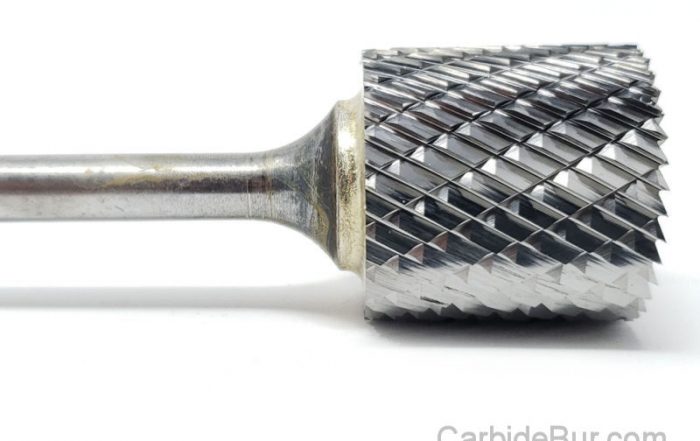
Can Carbide Burrs Cut Through Welds? Cutting through welds can feel like a battle, especially when you need clean results without harming the base metal. Carbide burrs offer a sharp edge in this fight, but [...]
How to Use a Carbide Burr With a Die Grinder
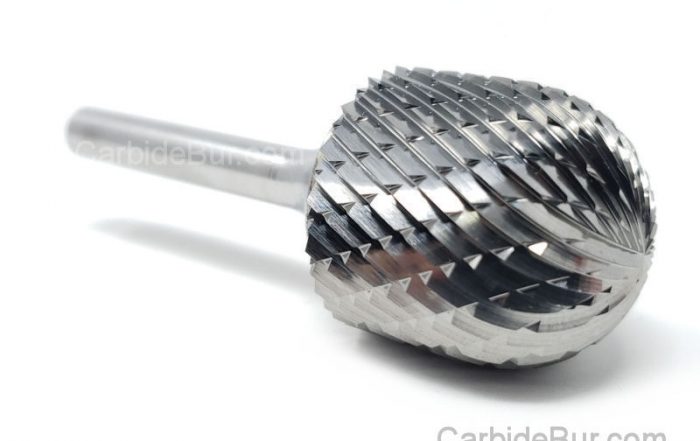
How to Use a Carbide Burr With a Die Grinder Most people treat a carbide burr like just another tool, but using it with a die grinder takes skill. If you’ve struggled with burr installation [...]
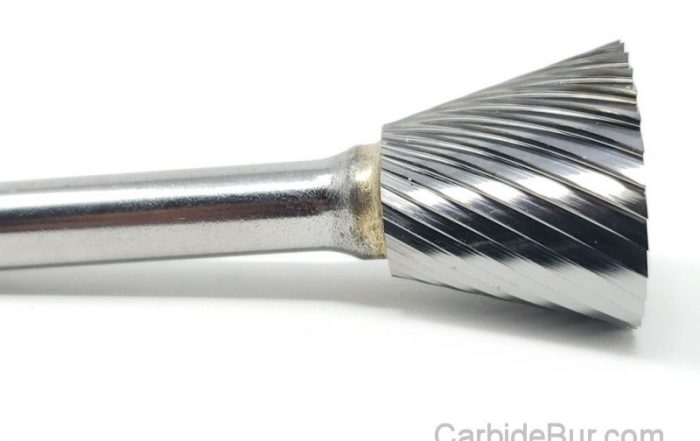
1/8 vs 1/4 Inch Carbide Burrs: What’s the Difference?
1/8 vs 1/4 Inch Carbide Burrs: What's the Difference? Choosing between a 1/8 inch carbide burr and a 1/4 inch carbide burr can change how your project turns out. Many machinists and hobbyists overlook how [...]
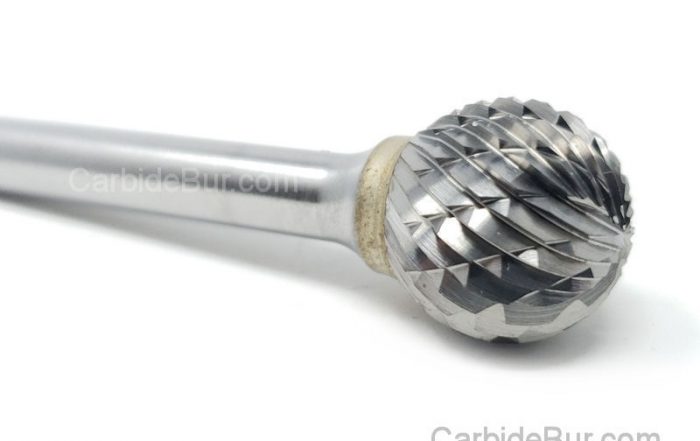
Best Carbide Burr for Removing Flash From Castings
Best Carbide Burr for Removing Flash From Castings Removing flash from castings is a task that can slow down your entire metalworking process if you don’t have the right tools. Picking the best carbide burr [...]
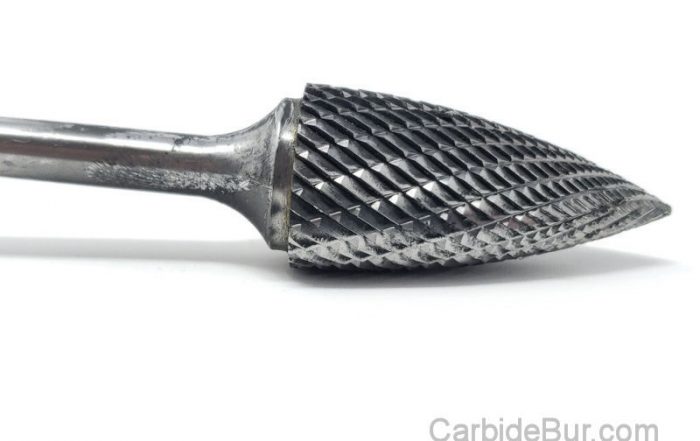
What RPM Should You Use for a 1/4 Inch Carbide Burr?
What RPM Should You Use for a 1/4 Inch Carbide Burr? Most machinists guess the right speed for a 1/4 inch carbide burr and hope for the best. Using the wrong carbide burr RPM can [...]
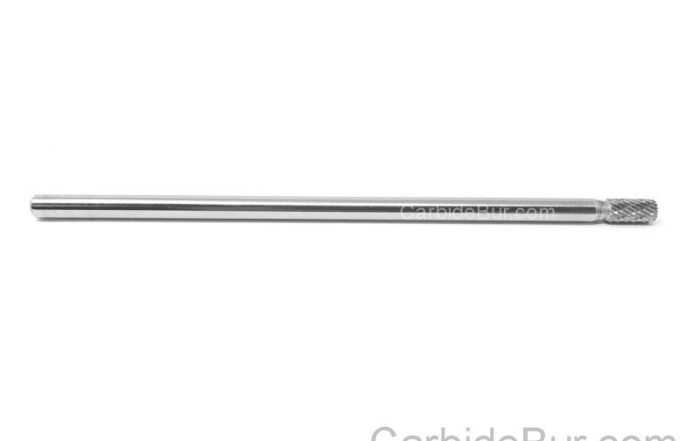
Long Shank Carbide Burrs: When Do You Need One?
Long Shank Carbide Burrs: When Do You Need One? Most machinists overlook the power of long shank carbide burrs until a project demands precision in tight spaces. When your usual tools can’t reach intricate contours, [...]
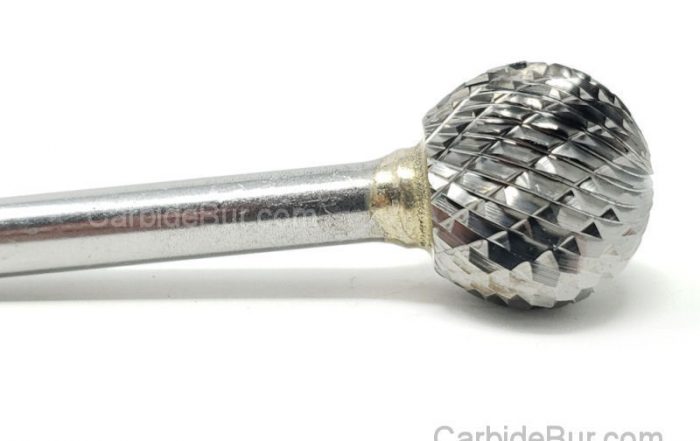
How Deep Can a Carbide Burr Cut Metal?
How Deep Can a Carbide Burr Cut Metal? Carbide burrs often get praised for their precision, but many users hit a wall wondering how deep they can actually cut metal. The truth is, cutting depth [...]
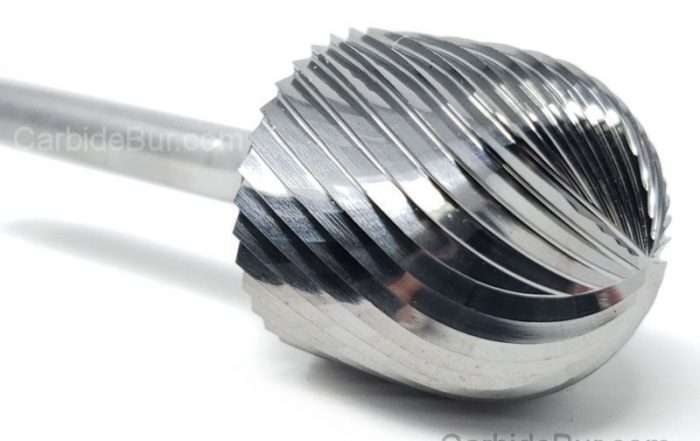
How to Use Carbide Burrs for Port Matching
How to Use Carbide Burrs for Port Matching Most engine builds hit a wall when airflow doesn’t flow smoothly between the ports and manifolds. If your engine isn’t breathing right, your performance stalls. Using the [...]
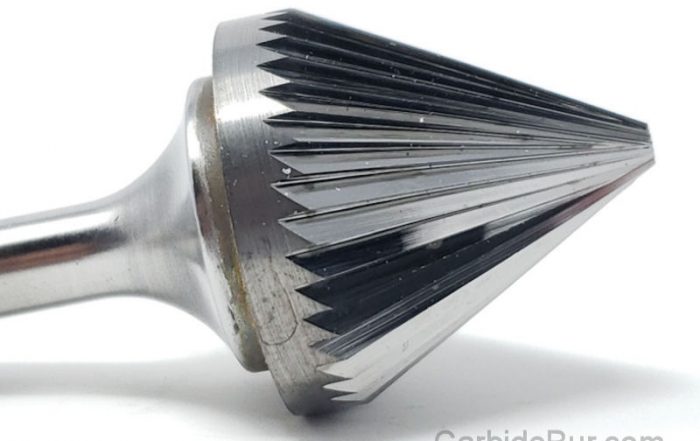
Best Carbide Burr for Porting Intake Manifolds
Best Carbide Burr for Porting Intake Manifolds Porting intake manifolds can make or break your engine’s airflow, yet many struggle with the right tools for the job. Choosing the best carbide burrs is key to [...]
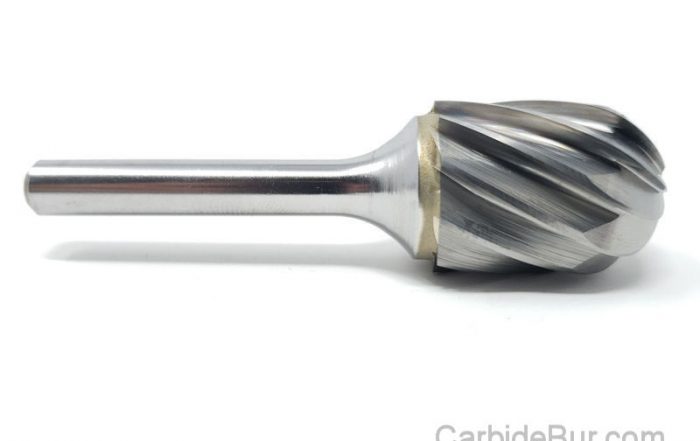
Best Carbide Burr for Concave Surfaces
Best Carbide Burr for Concave Surfaces Concave surfaces can turn a straightforward project into a frustrating challenge if you don’t have the right tool. Carbide burrs designed for these tricky curves make all the difference [...]
How to Grind a Slot in Metal With a Carbide Burr
How to Grind a Slot in Metal With a Carbide Burr Grinding a precise slot in metal can feel like a tricky task, especially if you’re unsure which tools to trust. Carbide burr grinding offers [...]

Best Carbide Burr for Inside Corners
Best Carbide Burr for Inside Corners Working in tight inside corners can turn even simple projects into frustrating tasks. Many carbide burrs just don’t fit or cut cleanly where you need them most. The best [...]
