
Cutting Tool Durability: Extending the Life of Your Carbide Burrs
Carbide burrs wear out faster than you might expect when the wrong factors come into play. If you don’t understand the key elements affecting carbide burr lifespan, you could waste money and time on frequent replacements. This guide breaks down the real reasons behind cutting tool durability and offers practical advice on maintenance for carbide burrs. Keep reading to learn how to get the most from your tools and avoid costly mistakes on your next project. For more insights, check out this guide on carbide burs lifespan.
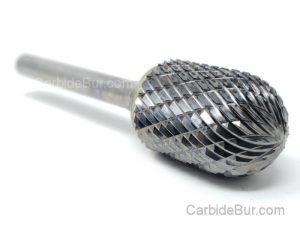
Have you tried our Carbide Burs for your job?
Understanding Carbide Burr Lifespan
When it comes to cutting tools like carbide burrs, understanding their lifespan is crucial. Knowing what influences their longevity helps you make informed decisions, saving both time and resources.
Factors Influencing Durability
Several elements come into play when considering how long your carbide burrs might last. Usage Frequency: How often you use your burrs directly affects their wear. Tool Quality: High-quality burrs tend to last longer, offering better performance. Finally, Environmental Conditions: Dusty or humid environments can accelerate wear. By paying attention to these factors, you ensure you get the most out of your tools. For more expert advice, visit this comprehensive guide.
Material Type and Impact
The type of material you’re working on also matters. Steel vs. Iron: Using burrs on steel may lead to faster wear due to its hardness. Wood vs. Metal: Wood tends to be less abrasive, extending the life of your burrs. The key is matching the burr to the material for optimum results. Experimenting with different materials can provide insights into what works best for your specific needs.
Operating Speed Considerations
Speed is another critical factor. High speeds generate more heat, which can reduce the lifespan of your burrs. Optimal Speed: Find a balance between efficiency and tool wear by experimenting with different RPM settings. Cooling Techniques: Utilizing cooling methods can help manage heat and extend your burrs’ life. By understanding these dynamics, you can make smarter choices in speed settings.
Factors Affecting Carbide Burrs
Understanding the main factors affecting carbide burrs can help you make better decisions in their use and care. This knowledge ensures you get the most value out of your tools.
Feed Rate and Its Effects
The feed rate, or how fast you move the burr along the material, plays a significant role in its lifespan. Slow vs. Fast: A slower feed rate allows for more precise cuts and reduces heat build-up. Balance: Finding the right feed rate balance is essential for reducing wear and enhancing durability. Experiment with different feed rates to find what works best for your tasks.
Importance of Proper Alignment
Alignment impacts both the quality of your work and the life of your burrs. Misalignment Issues: Poor alignment can lead to uneven wear and reduced tool life. Correct Practices: Ensure your burrs are properly aligned to maximize efficiency and longevity. Paying attention to alignment can significantly impact your project outcomes.
Role of Coolants and Lubricants
Coolants and lubricants serve critical functions in extending the life of your carbide burrs. Heat Management: These substances help dissipate heat, preventing premature wear. Friction Reduction: They also reduce friction, making cuts smoother and more precise. Incorporating coolants and lubricants into your processes can make a significant difference in tool performance.
Maintenance for Carbide Burrs
Proper maintenance practices ensure your carbide burrs remain in top condition. Keeping them well-maintained extends their life and performance.

Cleaning and Storage Tips
Regular cleaning and correct storage are vital. Post-Use Cleaning: Remove debris and residue after each use to prevent build-up. Storage Solutions: Store burrs in a dry, clean environment to avoid corrosion and damage. These simple practices keep your tools ready for action and extend their usability.
Inspecting for Wear and Tear
Regular inspections are key to identifying issues before they become significant problems. Visual Checks: Look for signs of wear such as chipping or dullness. Routine Checks: Make inspections a regular part of your maintenance routine to catch problems early. Staying proactive prevents larger issues down the line.
Sharpening Techniques and Tools
When burrs become dull, sharpening them is essential. Proper Tools: Use the right sharpening tools to maintain the burr’s edge. Consistent Angles: Ensure consistent sharpening angles to preserve tool integrity. Keeping your burrs sharp maintains their cutting efficiency and extends their life.
Maximizing Cutting Tool Life
By understanding and applying the right techniques, you can significantly extend the life of your cutting tools, ensuring they serve you well over time.
Best Practices for Usage
Implementing best practices ensures the longevity of your carbide burrs. Controlled Pressure: Apply consistent pressure to avoid excessive wear. Proper Techniques: Use the right techniques for each material to optimize performance. By adhering to these practices, you maximize tool life and efficiency.
Choosing the Right Burr for the Job
Selecting the correct burr for your specific task is crucial. Task Match: Different tasks require different burr shapes and sizes. Quality Matters: Investing in high-quality burrs pays off in the long run. Choosing the right burrs enhances performance and tool longevity.
Avoiding Common Mistakes
Avoiding common pitfalls can save you time and money in the long run. Overuse: Replacing burrs when they’re worn out prevents damage to materials. Ignoring Maintenance: Regular maintenance is key to tool longevity. Being aware of these common mistakes helps you avoid unnecessary expenses and prolongs the life of your tools.
By understanding these factors and applying these insights, you can maximize the durability and performance of your carbide burrs. For more expert tips, check out this Facebook group discussion.
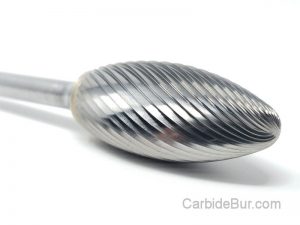
Looking for Carbide Bur Tools?
Check out our entire selection of USA made carbide bur die grinder tool bits
Follow us on Twitter

Return to CarbideBur.com
Carbide Burs – 1/4″ on 1/8″ Shanks – Accessories – Aluminum Cut – Bur Sets – End Mills – Long Shank – Solid Burs
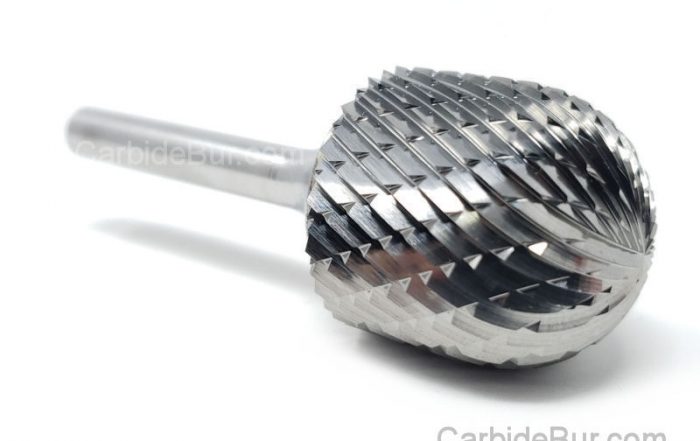
How to Use a Carbide Burr With a Die Grinder
How to Use a Carbide Burr With a Die Grinder Most people treat a carbide burr like just another tool, but using it with a die grinder takes skill. If you’ve struggled with burr installation [...]
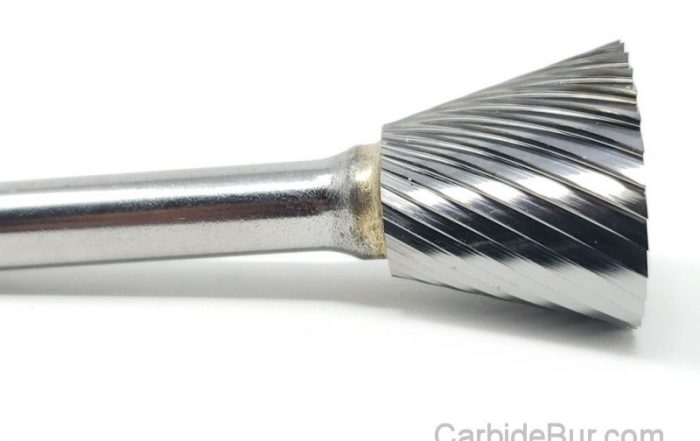
1/8 vs 1/4 Inch Carbide Burrs: What’s the Difference?
1/8 vs 1/4 Inch Carbide Burrs: What's the Difference? Choosing between a 1/8 inch carbide burr and a 1/4 inch carbide burr can change how your project turns out. Many machinists and hobbyists overlook how [...]

Best Carbide Burr for Removing Flash From Castings
Best Carbide Burr for Removing Flash From Castings Removing flash from castings is a task that can slow down your entire metalworking process if you don’t have the right tools. Picking the best carbide burr [...]
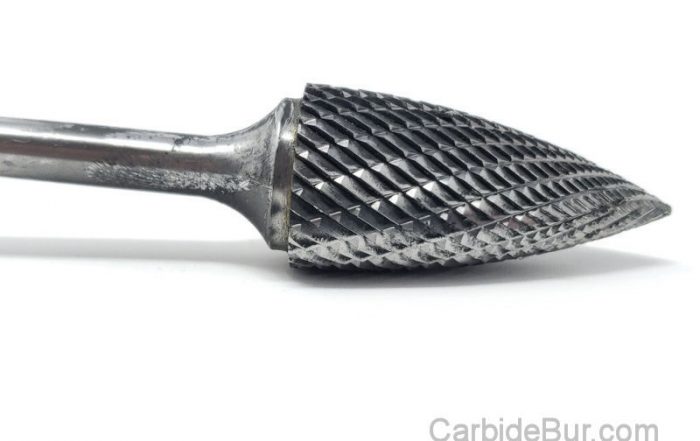
What RPM Should You Use for a 1/4 Inch Carbide Burr?
What RPM Should You Use for a 1/4 Inch Carbide Burr? Most machinists guess the right speed for a 1/4 inch carbide burr and hope for the best. Using the wrong carbide burr RPM can [...]
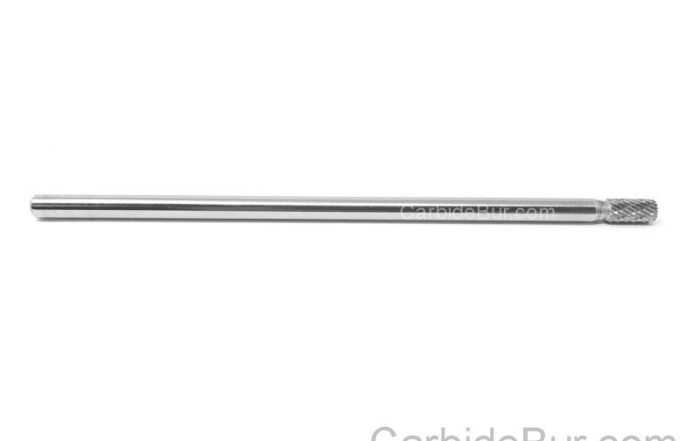
Long Shank Carbide Burrs: When Do You Need One?
Long Shank Carbide Burrs: When Do You Need One? Most machinists overlook the power of long shank carbide burrs until a project demands precision in tight spaces. When your usual tools can’t reach intricate contours, [...]
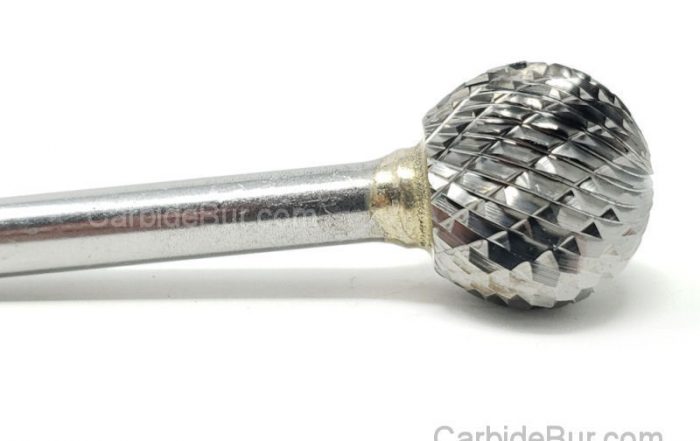
How Deep Can a Carbide Burr Cut Metal?
How Deep Can a Carbide Burr Cut Metal? Carbide burrs often get praised for their precision, but many users hit a wall wondering how deep they can actually cut metal. The truth is, cutting depth [...]
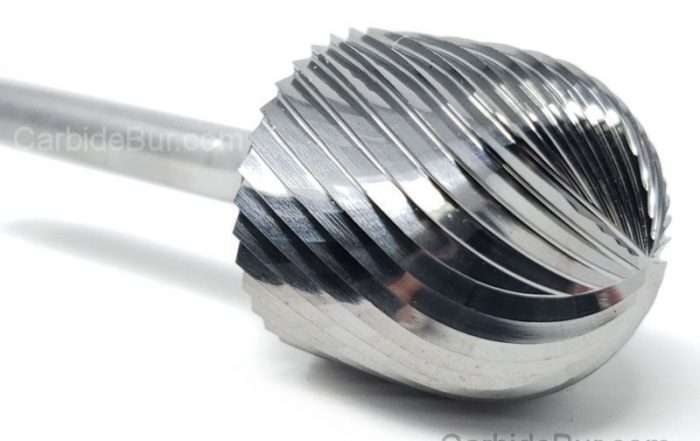
How to Use Carbide Burrs for Port Matching
How to Use Carbide Burrs for Port Matching Most engine builds hit a wall when airflow doesn’t flow smoothly between the ports and manifolds. If your engine isn’t breathing right, your performance stalls. Using the [...]
Best Carbide Burr for Porting Intake Manifolds
Best Carbide Burr for Porting Intake Manifolds Porting intake manifolds can make or break your engine’s airflow, yet many struggle with the right tools for the job. Choosing the best carbide burrs is key to [...]
Best Carbide Burr for Concave Surfaces
Best Carbide Burr for Concave Surfaces Concave surfaces can turn a straightforward project into a frustrating challenge if you don’t have the right tool. Carbide burrs designed for these tricky curves make all the difference [...]
How to Grind a Slot in Metal With a Carbide Burr
How to Grind a Slot in Metal With a Carbide Burr Grinding a precise slot in metal can feel like a tricky task, especially if you’re unsure which tools to trust. Carbide burr grinding offers [...]

Best Carbide Burr for Inside Corners
Best Carbide Burr for Inside Corners Working in tight inside corners can turn even simple projects into frustrating tasks. Many carbide burrs just don’t fit or cut cleanly where you need them most. The best [...]
What Size Carbide Burr Do I Need?
What Size Carbide Burr Do I Need? Picking the wrong carbide burr can turn a simple project into a frustrating mess. You might have the best machining tools but still miss the mark if your [...]
