
Carving and Finishing Aluminum: Finding the Perfect Burr for Clean Results
You’ve struggled with burrs that clog and leave rough edges on aluminum. Getting clean cuts on this soft metal isn’t about just any tool—it’s about the right shape, flutes, and coatings. In this post, you’ll find the best burrs for aluminum that match your machining, carving, and finishing needs, so your projects come out sharp and precise every time. For more information, check out this guide.
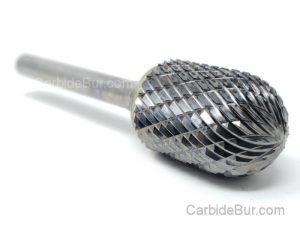
Have you tried our Carbide Burs for your job?
Understanding Aluminum’s Unique Properties
When working with aluminum, understanding its properties is key. This metal is both soft and versatile, making it ideal for many projects. But it brings some challenges too.
Aluminum’s Softness and Versatility
Aluminum is known for being lightweight and flexible. It’s used in everything from soda cans to airplane parts. Being soft, it allows for easy shaping and molding, which is great for custom designs. This flexibility makes it a favorite among metalworkers and woodworkers alike. Its lightweight nature also means you can handle larger pieces without getting tired. However, this softness also means it’s easy to damage if you’re not careful.
Challenges with Clogging and Chip Removal
One major issue with aluminum is its tendency to clog cutting tools. The metal’s softness can cause chips to stick, leading to tool jamming. This can make your project take longer and lead to rougher edges. Efficient chip removal is crucial to avoid these problems. You need tools designed to handle aluminum’s unique characteristics to prevent clogging and ensure smooth operations.
Importance of Flutes and Coatings
The right flutes and coatings on your burrs make a big difference. Flutes are the grooves that help remove chips as you cut. For aluminum, more open flutes work best to prevent clogging. Coatings provide an extra layer of protection, helping your tools last longer and perform better. They reduce friction and wear, which is essential when working with soft metals.
Choosing the Right Burr
Now that you understand aluminum’s properties, let’s explore how to choose the right burr. The right burr can make your work more efficient and precise.
Best Burrs for Aluminum Cutting
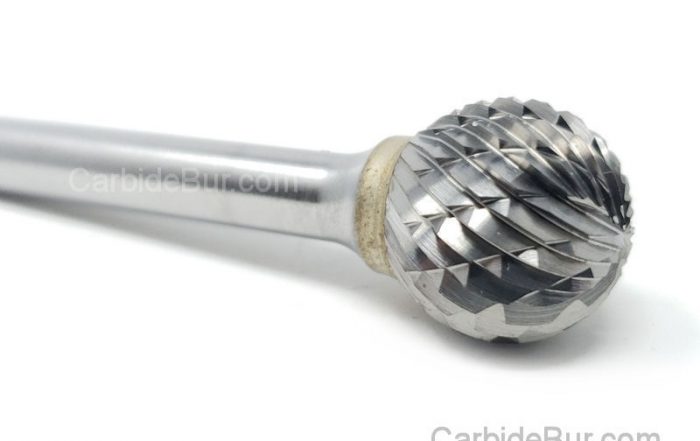
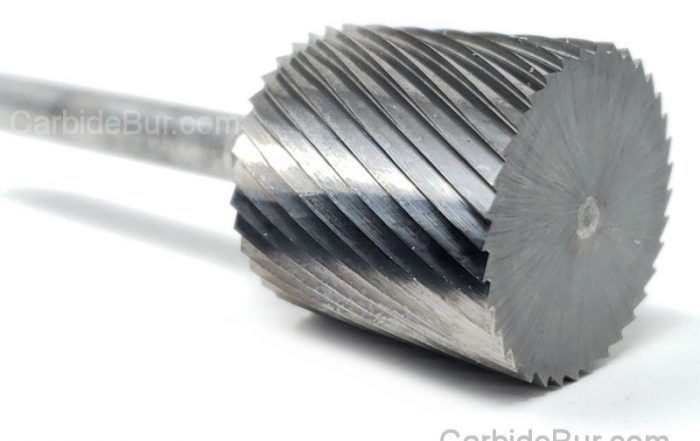
Selecting the best burr involves considering the material and design. Carbide burrs are often recommended. They are strong and can handle aluminum’s softness without dulling quickly. Look for burrs specifically designed for aluminum, as they feature open flutes and coatings that minimize clogging. Many professionals swear by carbide burr sets for aluminum for their reliability and performance.
Burr for Machining Aluminum
Machining aluminum requires precision. The right burr should help you achieve smooth edges without overheating. Choose burrs with a single cut that allows for a cleaner surface finish. Single-cut burrs reduce the chance of tool chatter and provide a smoother cut, which is essential for machining applications.
Burr for Carving Aluminum
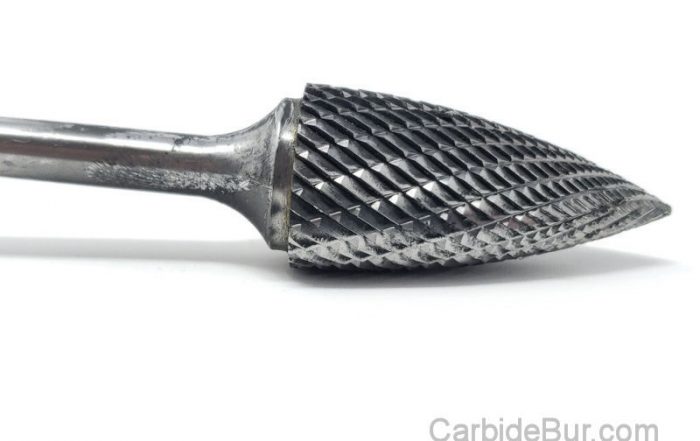
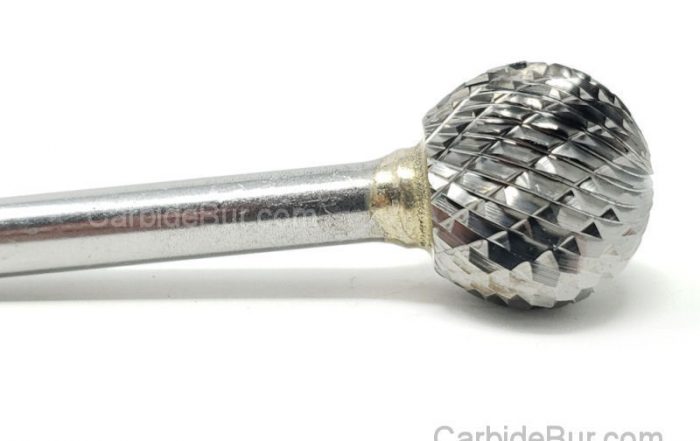
Carving aluminum is an art. You need burrs that offer control and detail. Choose burrs with a double cut for more aggressive material removal. This type gives you more control over the carving process. Double-cut burrs provide smoother finishes, making them ideal for artistic and detailed work.
Optimal Burr Performance
For the best results, you need to optimize burr performance. This involves enhancing efficiency and preventing common issues.
Enhancing Burr Efficiency in Aluminum
To enhance efficiency, focus on using burrs that match your workload. Keep your tools sharp and clean. Regular maintenance ensures they perform at their best. Store them properly to avoid damage, and clean them after each use to prevent build-up.
Techniques to Prevent Clogging
Preventing clogging starts with choosing the right burr. Use burrs with open flutes to allow chips to escape easily. Keep your tools cool by using a lubricant or coolant. This reduces heat build-up, which can cause chips to stick. Regularly check and clear out any debris from your tools during use.

Achieving Clean and Precise Cuts
For clean cuts, ensure your burrs are sharp. A dull burr increases friction and can damage your workpiece. Use a steady hand and consistent pressure. Adjust your speed according to the material’s thickness and hardness. This approach helps achieve precise cuts and a professional finish.
Application-Specific Burr Recommendations
Different applications require different burrs. Here’s how to choose based on your specific needs.
Burr for Finishing Aluminum Projects
Finishing involves smoothing and polishing. Use burrs designed for finesse, like those with fine flutes. They help achieve that polished look without removing too much material. The right burr will leave a smooth surface, ready for any additional finishing touches.
Selecting Burrs for Different Aluminum Applications
Each application has unique requirements. For heavy-duty cutting, choose durable, long-lasting burrs. For detailed work, select burrs that offer precision and control. Consider the size and shape of the burr to match the specific needs of your project. Always prioritize the quality and design of the burr for the task at hand.
Tips for Woodworkers and Metalworkers
Woodworkers and metalworkers can benefit from using burrs that are versatile and high-performing. Look for carbide burrs that suit both woodworking and metalworking. These burrs should provide smooth cuts and handle various materials efficiently. Always check the material compatibility before starting your project.
Ensuring Exceptional Finishes
Achieving a professional finish involves more than just the right burr; it requires proper care and technique.
Achieving Professional Results with Cutting Tools
To achieve professional results, ensure your tools are well-maintained. Clean and inspect them regularly. Use techniques that minimize heat and friction. This not only prolongs tool life but also enhances the quality of your cuts. Consistent practice and attention to detail make a significant difference.
Maintenance and Care for Burr Longevity
Proper maintenance extends the life of your burrs. Store them in a dry place to prevent rust. Clean them after each use to remove any debris or residue. Regularly sharpen your burrs to keep them in top condition. A little care goes a long way in ensuring their longevity and performance.
Final Thoughts on Burr Selection
Selecting the right burr for aluminum projects ensures success. Consider the material, application, and desired finish when making your choice. With the right tools, your aluminum projects will be precise and professional. Remember, the better your burr, the better your results.
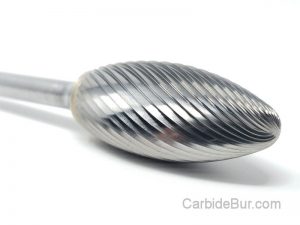
Looking for Carbide Bur Tools?
Check out our entire selection of USA made carbide bur die grinder tool bits
Follow us on Twitter

Return to CarbideBur.com
Carbide Burs – 1/4″ on 1/8″ Shanks – Accessories – Aluminum Cut – Bur Sets – End Mills – Long Shank – Solid Burs
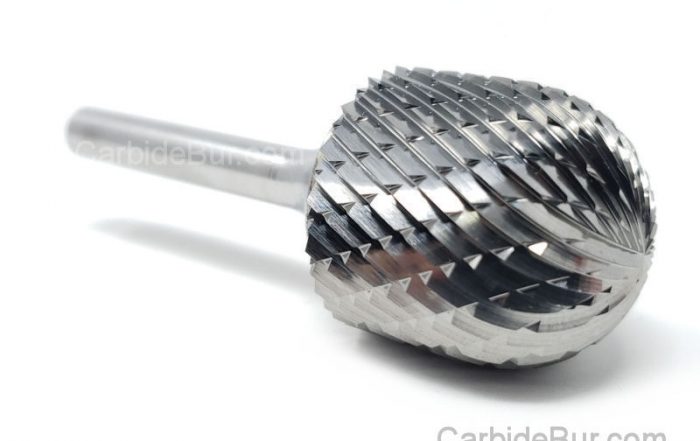
How to Use a Carbide Burr With a Die Grinder
How to Use a Carbide Burr With a Die Grinder Most people treat a carbide burr like just another tool, but using it with a die grinder takes skill. If you’ve struggled with burr installation [...]
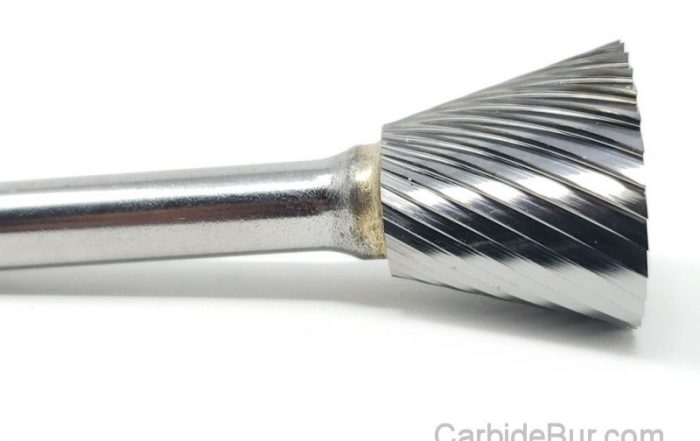
1/8 vs 1/4 Inch Carbide Burrs: What’s the Difference?
1/8 vs 1/4 Inch Carbide Burrs: What's the Difference? Choosing between a 1/8 inch carbide burr and a 1/4 inch carbide burr can change how your project turns out. Many machinists and hobbyists overlook how [...]
Best Carbide Burr for Removing Flash From Castings
Best Carbide Burr for Removing Flash From Castings Removing flash from castings is a task that can slow down your entire metalworking process if you don’t have the right tools. Picking the best carbide burr [...]
What RPM Should You Use for a 1/4 Inch Carbide Burr?
What RPM Should You Use for a 1/4 Inch Carbide Burr? Most machinists guess the right speed for a 1/4 inch carbide burr and hope for the best. Using the wrong carbide burr RPM can [...]
Long Shank Carbide Burrs: When Do You Need One?
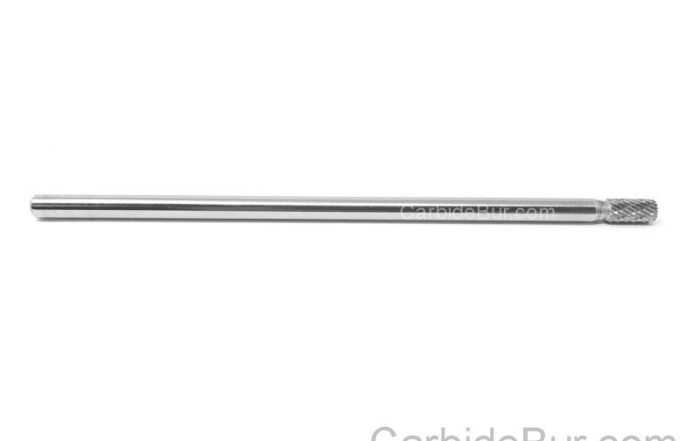
Long Shank Carbide Burrs: When Do You Need One? Most machinists overlook the power of long shank carbide burrs until a project demands precision in tight spaces. When your usual tools can’t reach intricate contours, [...]
How Deep Can a Carbide Burr Cut Metal?
How Deep Can a Carbide Burr Cut Metal? Carbide burrs often get praised for their precision, but many users hit a wall wondering how deep they can actually cut metal. The truth is, cutting depth [...]
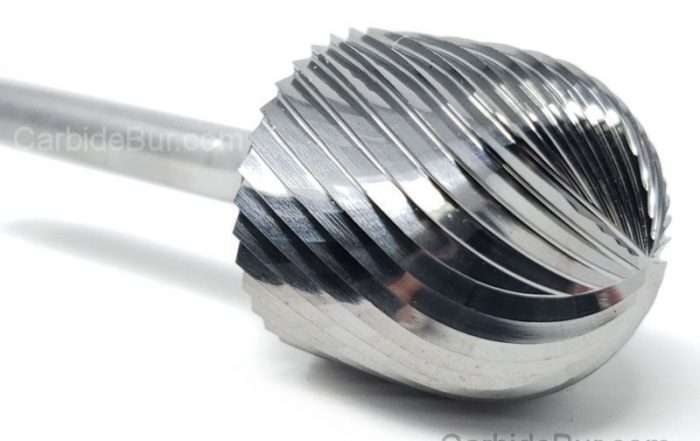
How to Use Carbide Burrs for Port Matching
How to Use Carbide Burrs for Port Matching Most engine builds hit a wall when airflow doesn’t flow smoothly between the ports and manifolds. If your engine isn’t breathing right, your performance stalls. Using the [...]
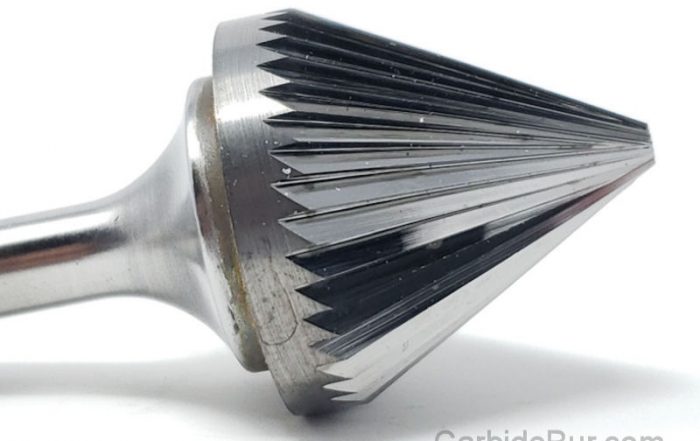
Best Carbide Burr for Porting Intake Manifolds
Best Carbide Burr for Porting Intake Manifolds Porting intake manifolds can make or break your engine’s airflow, yet many struggle with the right tools for the job. Choosing the best carbide burrs is key to [...]
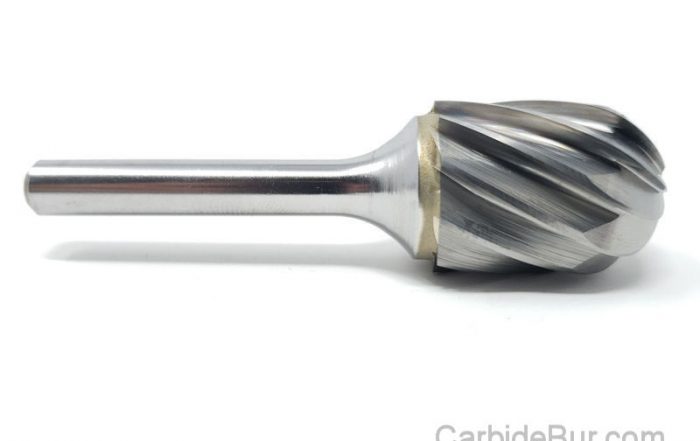
Best Carbide Burr for Concave Surfaces
Best Carbide Burr for Concave Surfaces Concave surfaces can turn a straightforward project into a frustrating challenge if you don’t have the right tool. Carbide burrs designed for these tricky curves make all the difference [...]
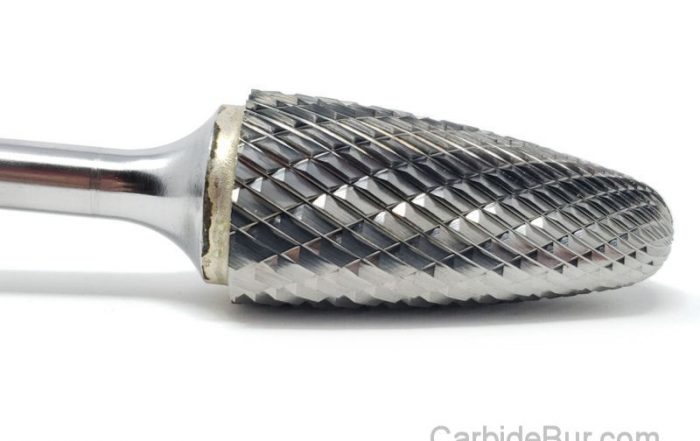
How to Grind a Slot in Metal With a Carbide Burr
How to Grind a Slot in Metal With a Carbide Burr Grinding a precise slot in metal can feel like a tricky task, especially if you’re unsure which tools to trust. Carbide burr grinding offers [...]

Best Carbide Burr for Inside Corners
Best Carbide Burr for Inside Corners Working in tight inside corners can turn even simple projects into frustrating tasks. Many carbide burrs just don’t fit or cut cleanly where you need them most. The best [...]
What Size Carbide Burr Do I Need?
What Size Carbide Burr Do I Need? Picking the wrong carbide burr can turn a simple project into a frustrating mess. You might have the best machining tools but still miss the mark if your [...]
