
From Sharp to Smooth: Metal Polishing Techniques for Flawless Steel Edges
Sharp, jagged edges from plasma cutting can turn a solid project into a safety risk. Tackling those rough spots isn’t just about looks—it’s about handling steel with care and skill. In this guide, you’ll learn how to deburr plasma cut steel using the right handheld deburring tools, sanding discs for steel, and carbide burrs to create smooth metal edges that last. Stick around to find out which metal polishing techniques suit your steel type and thickness, so your work shines with clean, professional finishes.
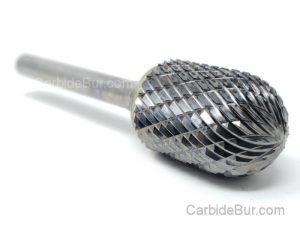
Have you tried our Carbide Burs for your job?
Essential Deburring Techniques
Mastering deburring is key to achieving those smooth, professional finishes on plasma cut steel. Let’s dive into the tools and methods that make it possible.
Handheld Tools for Clean Edges
Handheld tools offer precision for deburring plasma cut steel. These tools are perfect for tackling smaller areas and tight corners. With a simple design, they make it easy for you to control the pressure and angle used on the metal. You’ll find tools like deburring blades and deburring tools for metal handy in this process.
Another great option is the rotary tool. Lightweight and versatile, rotary tools come with various attachments to sand, polish, or grind away rough edges. These are particularly useful for intricate designs that need careful detailing. Remember, the key is to go slow and steady for the best results.
Best Burr Tools for Metalwork
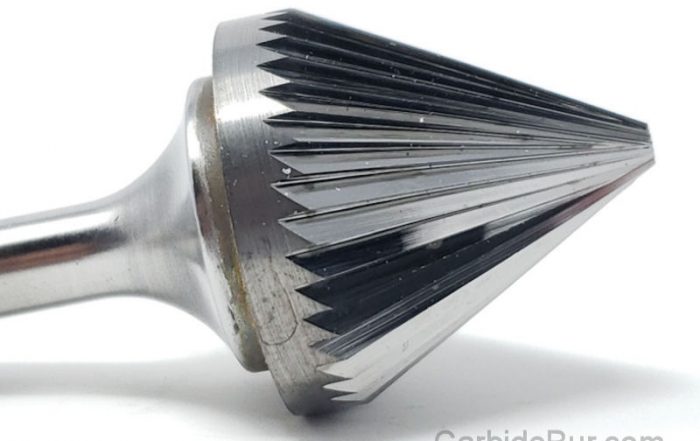
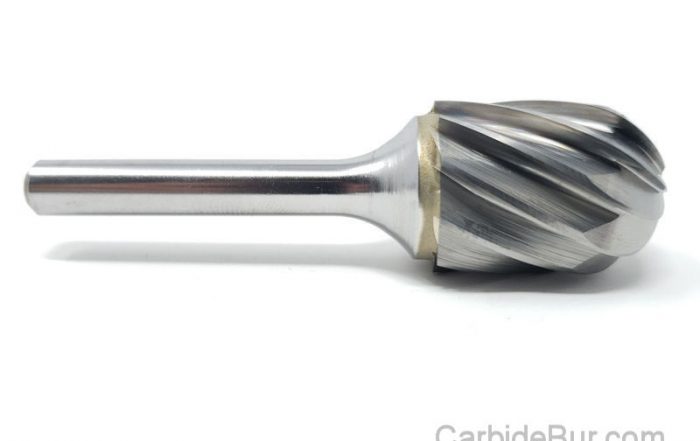
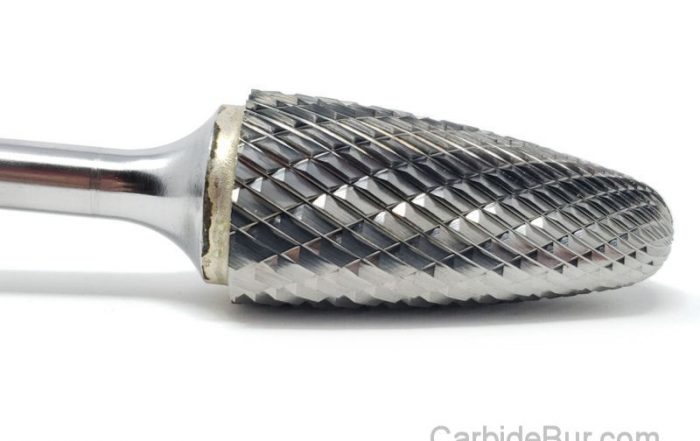
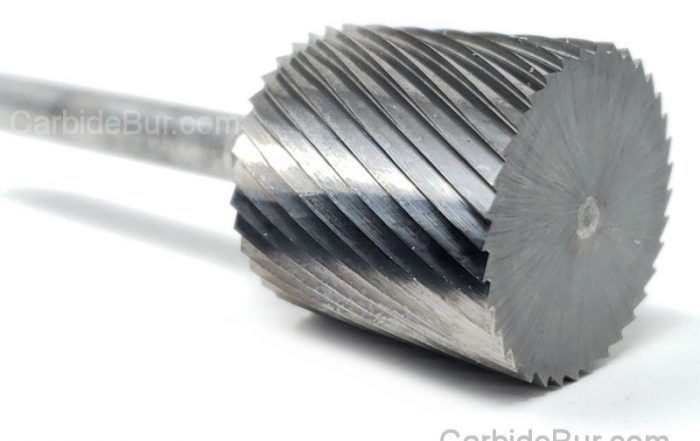
When it comes to metalwork, burr tools are your best friends. They quickly remove burrs, making them essential in your toolkit. You can find burr tools crafted from high-speed steel or carbide. Carbide burrs tend to last longer and cut through metal more effectively. If you’re working on a project requiring precise and smooth finishes, investing in the best burr tools is worth it.
Burr tools are used by inserting them into a rotary tool or die grinder. They come in various shapes and sizes that cater to different needs, from grinding to shaping. It’s important to select the right size based on your project’s specific requirements, ensuring efficiency and precision.
Sanding Discs for Steel
Sanding discs offer a smooth finish on any steel surface. These discs come in different grits, suitable for varying stages of the deburring process. Coarse grits remove heavy burrs, while finer grits add a polished look to the steel.
When using sanding discs, attach them to an angle grinder for the best results. This combination allows for quick removal of burrs and a smooth finish. Be sure to wear safety gear to protect against flying particles. Choose discs designed specifically for metal to ensure durability and effectiveness.
Selecting the Right Abrasives
Choosing the right abrasives makes all the difference in your deburring efforts. Let’s explore how to select the perfect materials for your project.
Abrasive Materials for Metal
Abrasive materials come in various forms like aluminum oxide, silicon carbide, and zirconia alumina. Each type offers unique benefits for different metal types. For instance, aluminum oxide is a great all-purpose option, while silicon carbide is known for its sharpness and fine finishes.
When picking abrasive materials for metal, consider the metal’s hardness and the finish you desire. Softer metals might require less aggressive abrasives, ensuring you don’t remove too much material too quickly.
Choosing Based on Steel Thickness
Steel thickness dictates the type of abrasive you should use. Thicker steel demands more robust abrasives to effectively remove burrs. In contrast, thinner steel may call for finer abrasives to prevent damage during the deburring process.
Start with a coarse abrasive to tackle the initial burrs, then move to a finer grit for the finishing touches. This approach helps you achieve smooth edges without compromising the material’s integrity.
Matching Abrasives to Steel Types
Matching the right abrasive to your steel type is crucial. Different steels, like stainless or carbon, have distinct properties affecting how they’re deburred. Stainless steel might need specialized abrasives to maintain its corrosion resistance, while carbon steel can use standard options.
By understanding your steel type, you’ll make informed decisions on abrasive selection. This ensures your project maintains its desired finish and durability.

Effective Metal Polishing Techniques
Polishing isn’t just for aesthetics; it enhances metal’s durability too. Discover methods to achieve a flawless polish on steel edges.
Achieving Smooth Metal Edges
Achieving smooth metal edges involves a combination of techniques. Start with a deburring tool to remove larger burrs. Follow this with a series of sanding stages using discs of progressively finer grits.
Polishing compounds can then be applied to enhance the shine. These compounds help remove any fine scratches left from sanding, providing a bright, smooth finish. A buffing wheel attached to a rotary tool can make this step much easier.
Steel Finishing Techniques Explained
Finishing techniques ensure your steel looks professional and lasts longer. Some methods include chemical treatments, which offer additional corrosion resistance. Other options, like powder coating, add both color and protection.
When selecting steel finishing techniques, consider the environment where the metal will be used. Harsh conditions require more robust finishes to withstand wear and tear.
Using Carbide Bur for Polishing
Carbide burs are fantastic for achieving a polished finish. They’re durable and perfect for detailed work on metal surfaces. Attach them to a rotary tool to refine edges and remove any remaining imperfections.
With carbide burs, you can create intricate designs and achieve a high level of detail. They’re especially useful for those final touches that make your project stand out.
Plasma Cutting Tips and Tricks
Mastering plasma cutting means fewer burrs to handle and cleaner finishes. Here are some tips to refine your technique.
Ensuring Safe and Clean Edges
Safety is crucial when plasma cutting. Ensure you have the right protective gear, including gloves and goggles. Clean edges begin with a steady hand and consistent speed.
Keep your cutting area free from obstructions to maintain a straight line. This approach not only improves cut quality but also reduces the amount of deburring needed afterward.
Improving Plasma Cut Quality
To enhance cut quality, adjust your settings based on the metal’s thickness. Proper settings ensure a smoother cut and reduce the need for excessive deburring.
Ensure your equipment is well-maintained. Regularly check the condition of your plasma cutter’s consumables, as worn parts affect performance and cut quality.
Common Mistakes to Avoid
Avoid common mistakes like rushing through cuts or using worn consumables. These errors lead to jagged edges that require more deburring.
Focus on maintaining the right angle and speed while cutting. This technique minimizes mistakes and improves the final product’s appearance. Avoiding these pitfalls saves time and ensures your project’s success.
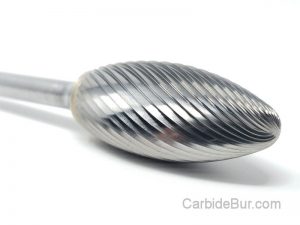
Looking for Carbide Bur Tools?
Check out our entire selection of USA made carbide bur die grinder tool bits
Follow us on Twitter

Return to CarbideBur.com
Carbide Burs – 1/4″ on 1/8″ Shanks – Accessories – Aluminum Cut – Bur Sets – End Mills – Long Shank – Solid Burs
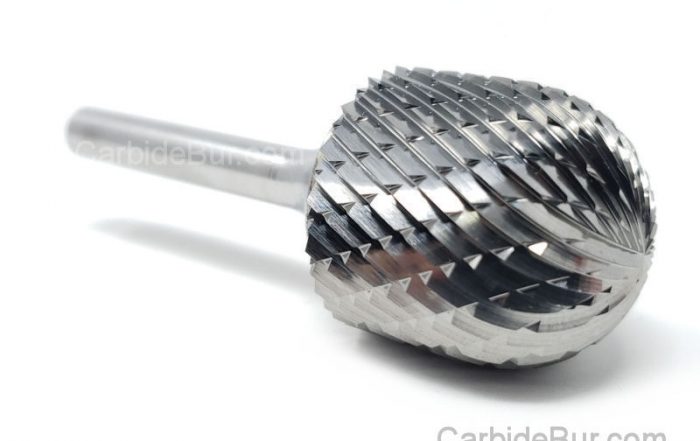
How to Use a Carbide Burr With a Die Grinder
How to Use a Carbide Burr With a Die Grinder Most people treat a carbide burr like just another tool, but using it with a die grinder takes skill. If you’ve struggled with burr installation [...]
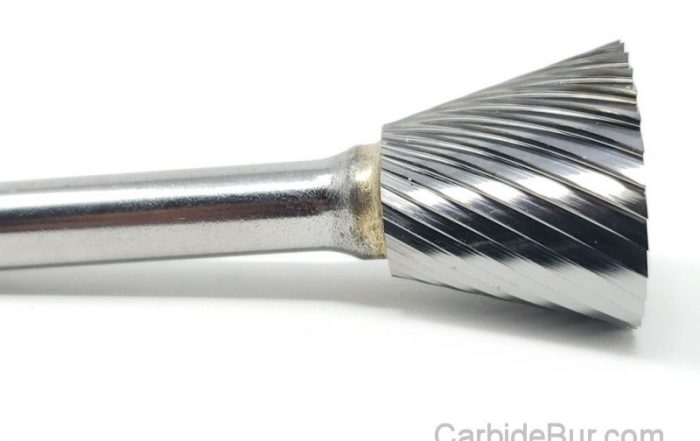
1/8 vs 1/4 Inch Carbide Burrs: What’s the Difference?
1/8 vs 1/4 Inch Carbide Burrs: What's the Difference? Choosing between a 1/8 inch carbide burr and a 1/4 inch carbide burr can change how your project turns out. Many machinists and hobbyists overlook how [...]

Best Carbide Burr for Removing Flash From Castings
Best Carbide Burr for Removing Flash From Castings Removing flash from castings is a task that can slow down your entire metalworking process if you don’t have the right tools. Picking the best carbide burr [...]
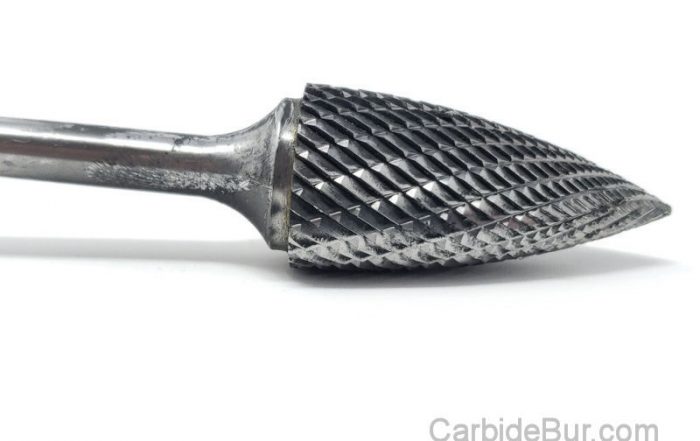
What RPM Should You Use for a 1/4 Inch Carbide Burr?
What RPM Should You Use for a 1/4 Inch Carbide Burr? Most machinists guess the right speed for a 1/4 inch carbide burr and hope for the best. Using the wrong carbide burr RPM can [...]
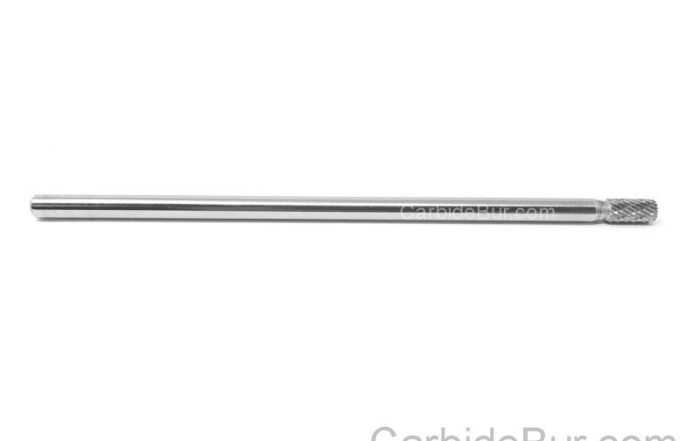
Long Shank Carbide Burrs: When Do You Need One?
Long Shank Carbide Burrs: When Do You Need One? Most machinists overlook the power of long shank carbide burrs until a project demands precision in tight spaces. When your usual tools can’t reach intricate contours, [...]
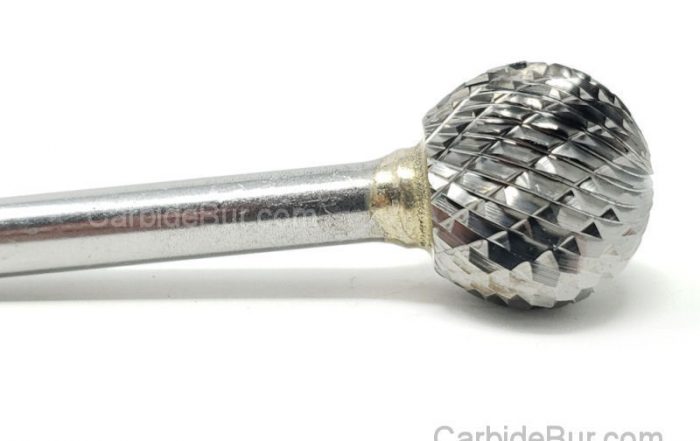
How Deep Can a Carbide Burr Cut Metal?
How Deep Can a Carbide Burr Cut Metal? Carbide burrs often get praised for their precision, but many users hit a wall wondering how deep they can actually cut metal. The truth is, cutting depth [...]
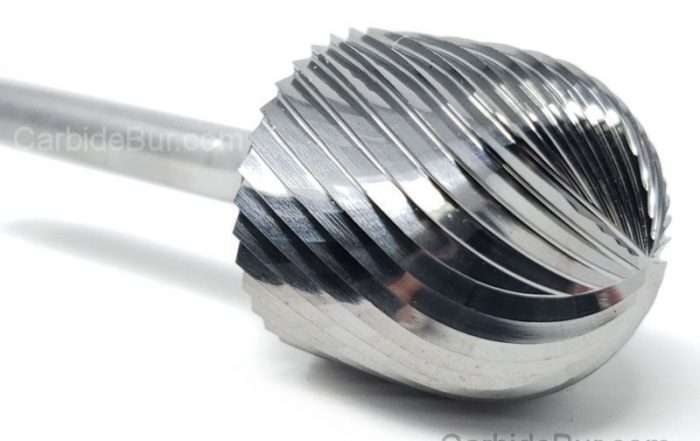
How to Use Carbide Burrs for Port Matching
How to Use Carbide Burrs for Port Matching Most engine builds hit a wall when airflow doesn’t flow smoothly between the ports and manifolds. If your engine isn’t breathing right, your performance stalls. Using the [...]
Best Carbide Burr for Porting Intake Manifolds
Best Carbide Burr for Porting Intake Manifolds Porting intake manifolds can make or break your engine’s airflow, yet many struggle with the right tools for the job. Choosing the best carbide burrs is key to [...]
Best Carbide Burr for Concave Surfaces
Best Carbide Burr for Concave Surfaces Concave surfaces can turn a straightforward project into a frustrating challenge if you don’t have the right tool. Carbide burrs designed for these tricky curves make all the difference [...]
How to Grind a Slot in Metal With a Carbide Burr
How to Grind a Slot in Metal With a Carbide Burr Grinding a precise slot in metal can feel like a tricky task, especially if you’re unsure which tools to trust. Carbide burr grinding offers [...]

Best Carbide Burr for Inside Corners
Best Carbide Burr for Inside Corners Working in tight inside corners can turn even simple projects into frustrating tasks. Many carbide burrs just don’t fit or cut cleanly where you need them most. The best [...]
What Size Carbide Burr Do I Need?
What Size Carbide Burr Do I Need? Picking the wrong carbide burr can turn a simple project into a frustrating mess. You might have the best machining tools but still miss the mark if your [...]
