
Mastering the Art of Removing Broken Bolts with Carbide Burrs
Broken bolts can bring your mechanical repair to a grinding halt, wasting hours and testing your patience. If you’ve struggled with stuck or snapped fasteners, carbide burrs offer a practical way to regain control. This guide breaks down the exact bolt extraction techniques using carbide drill bits, helping you remove broken bolts safely and efficiently in your next DIY repair or professional project. Learn more here.
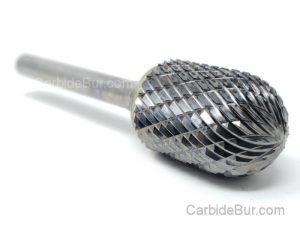
Have you tried our Carbide Burs for your job?
Introduction to Bolt Extraction
Tackling broken bolts can feel like an uphill battle. But with the right approach, you can turn this challenge into a manageable task. Let’s dive into how you can make this process easier.
Understanding Broken Bolts
Broken bolts occur when a bolt gets stuck or snaps during mechanical repair. They can halt your progress and become a source of frustration. It’s important to identify the cause, whether it’s corrosion or over-tightening. Understanding the root issue helps you prevent future occurrences. Most people think broken bolts are inevitable, but with the right tools, you can reduce the risk significantly.
Importance of Carbide Burrs
Carbide burrs are the secret weapon in bolt removal. These tools make the process smoother by cutting through tough materials. Compared to other options, carbide burrs are durable and precise. They allow you to extract broken bolts without damaging the surrounding area. Learn how these tools can help you.
Selecting the Right Tools
Choosing the right tools is crucial for successful bolt extraction. Having the appropriate carbide burr shape and drill bits will make your task much easier.
Choosing Carbide Burr Shapes
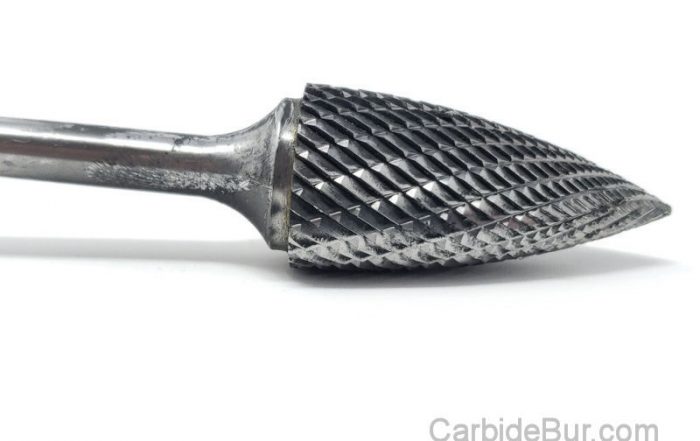
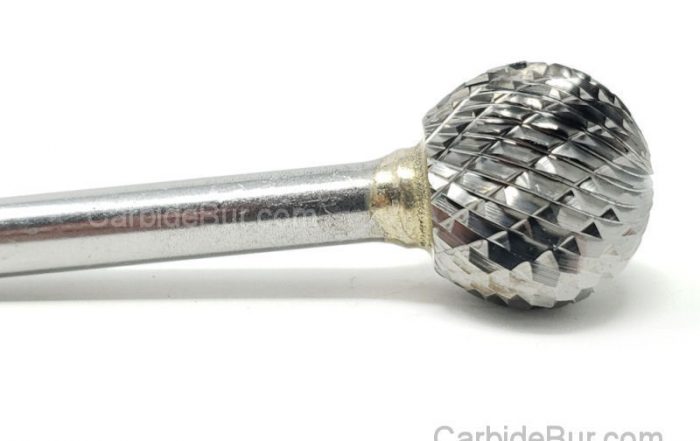
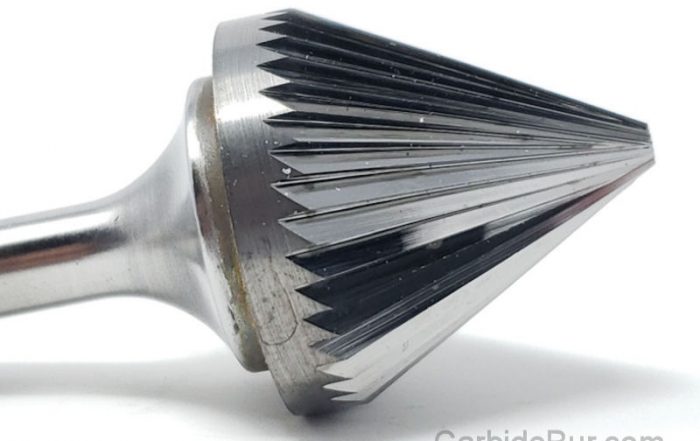
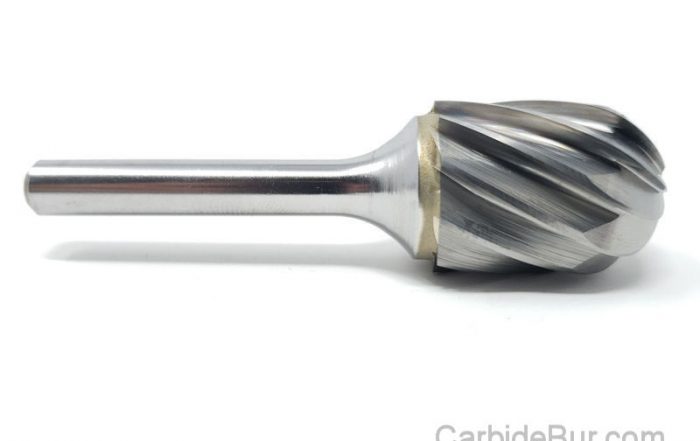
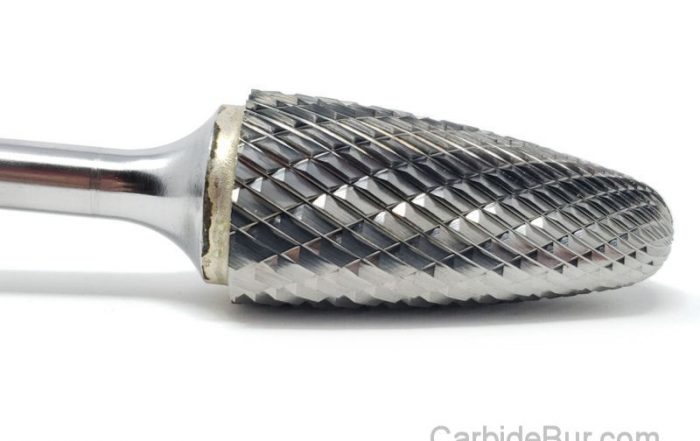
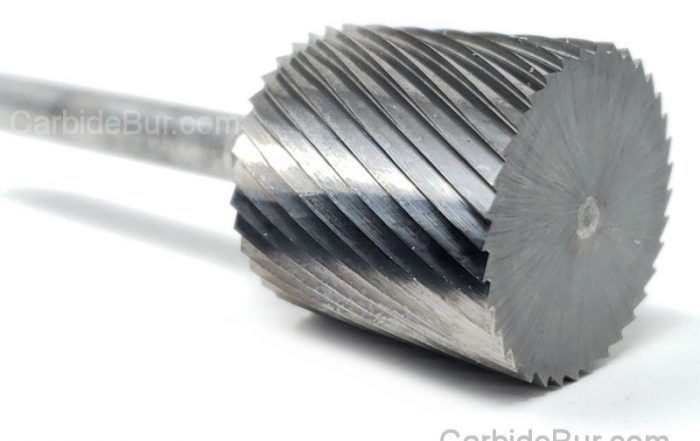
The shape of your carbide burr affects how well you can access and remove a broken bolt. For tight spaces, a slim, pointed burr works best. For larger areas, a round burr provides more coverage. Each shape offers unique benefits, so select one based on your specific needs. Remember, the right shape can save you time and effort.
Selecting Carbide Drill Bits
Carbide drill bits are essential for penetrating tough materials. Select bits that match the size and material of the broken bolt. Ensure your drill bits are sharp and well-maintained to avoid complications. A good quality bit cuts faster and cleaner, reducing your workload. If you’re unsure, consult experts for guidance on the best options. Explore expert opinions here.
Effective Bolt Removal Techniques
With the right tools at hand, it’s time to focus on effective techniques for removing broken bolts. Follow these tips for a hassle-free experience.

Step-by-Step Extraction Process
-
Assess the situation: Determine the bolt’s condition and plan your approach.
-
Prepare the area: Clear debris and ensure good visibility.
-
Use the carbide burr: Carefully grind away any excess material around the bolt.
-
Drill around the bolt: Use a carbide drill bit to create a path for extraction.
-
Remove the bolt: Gently extract the bolt using pliers or an extractor tool.
Ensuring Clean and Safe Extraction
A clean extraction process minimizes damage and ensures safety. Keep the work area clean, removing metal shavings as you go. Use safety gear such as gloves and goggles to protect yourself. A steady hand and patience are your best allies in this task. Remember, rushing can lead to mistakes and further complications. Get more safety tips here.
Advanced Tips for Stubborn Bolts
Sometimes, bolts don’t cooperate, and you need advanced techniques to succeed. Let’s explore some alternatives and additional tips for stubborn situations.
Alternative Methods for Bolt Removal
When standard methods fail, try alternative approaches. Heat can expand the metal, loosening the bolt. Chemical penetrants can also help by breaking down rust and corrosion. Tapping the bolt with a hammer may dislodge it. These methods require caution but can be effective when used correctly.
Repair Tips for DIY Enthusiasts
DIY enthusiasts can benefit from practice and experimentation. Work on scrap materials to build confidence before tackling real projects. Keep a variety of tools on hand to adapt to different situations. Learning from mistakes is part of the process, so don’t be afraid to try new things.
Safety and Best Practices
Safety is a priority in any mechanical repair. Knowing the best practices ensures you work efficiently while minimizing risks.
Safe Extraction Methods
Always prioritize safe extraction methods. Use stable work surfaces and secure your materials to prevent accidents. Avoid excessive force, which can cause injury or equipment damage. Proper planning and a calm, methodical approach go a long way in ensuring a safe environment.
Essential Mechanic Tools and Gear
Equipping yourself with essential tools and gear is a wise investment. Quality tools yield better results and last longer. From safety goggles to precision drills, each piece plays a critical role. A well-stocked toolkit empowers you to handle unexpected challenges with confidence.
In summary, mastering bolt extraction is about preparation, technique, and safety. With the right knowledge and tools, you can tackle any broken bolt challenge with ease.
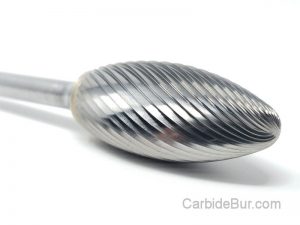
Looking for Carbide Bur Tools?
Check out our entire selection of USA made carbide bur die grinder tool bits
Follow us on Twitter

Return to CarbideBur.com
Carbide Burs – 1/4″ on 1/8″ Shanks – Accessories – Aluminum Cut – Bur Sets – End Mills – Long Shank – Solid Burs
How to Use a Carbide Burr With a Die Grinder
How to Use a Carbide Burr With a Die Grinder Most people treat a carbide burr like just another tool, but using it with a die grinder takes skill. If you’ve struggled with burr installation [...]
1/8 vs 1/4 Inch Carbide Burrs: What’s the Difference?
1/8 vs 1/4 Inch Carbide Burrs: What's the Difference? Choosing between a 1/8 inch carbide burr and a 1/4 inch carbide burr can change how your project turns out. Many machinists and hobbyists overlook how [...]

Best Carbide Burr for Removing Flash From Castings
Best Carbide Burr for Removing Flash From Castings Removing flash from castings is a task that can slow down your entire metalworking process if you don’t have the right tools. Picking the best carbide burr [...]
What RPM Should You Use for a 1/4 Inch Carbide Burr?
What RPM Should You Use for a 1/4 Inch Carbide Burr? Most machinists guess the right speed for a 1/4 inch carbide burr and hope for the best. Using the wrong carbide burr RPM can [...]
Long Shank Carbide Burrs: When Do You Need One?
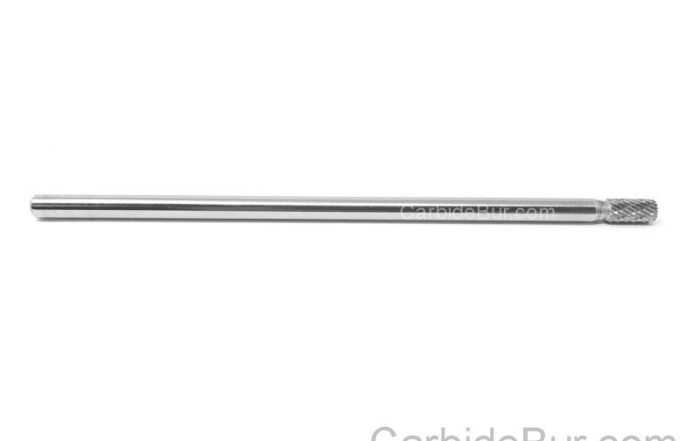
Long Shank Carbide Burrs: When Do You Need One? Most machinists overlook the power of long shank carbide burrs until a project demands precision in tight spaces. When your usual tools can’t reach intricate contours, [...]
How Deep Can a Carbide Burr Cut Metal?
How Deep Can a Carbide Burr Cut Metal? Carbide burrs often get praised for their precision, but many users hit a wall wondering how deep they can actually cut metal. The truth is, cutting depth [...]
How to Use Carbide Burrs for Port Matching
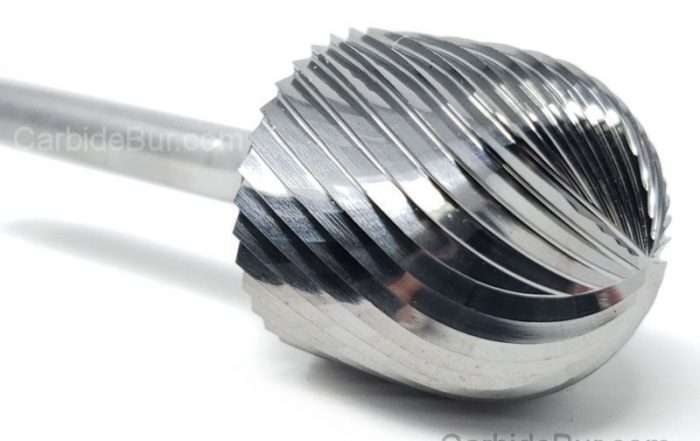
How to Use Carbide Burrs for Port Matching Most engine builds hit a wall when airflow doesn’t flow smoothly between the ports and manifolds. If your engine isn’t breathing right, your performance stalls. Using the [...]
Best Carbide Burr for Porting Intake Manifolds
Best Carbide Burr for Porting Intake Manifolds Porting intake manifolds can make or break your engine’s airflow, yet many struggle with the right tools for the job. Choosing the best carbide burrs is key to [...]
Best Carbide Burr for Concave Surfaces
Best Carbide Burr for Concave Surfaces Concave surfaces can turn a straightforward project into a frustrating challenge if you don’t have the right tool. Carbide burrs designed for these tricky curves make all the difference [...]
How to Grind a Slot in Metal With a Carbide Burr
How to Grind a Slot in Metal With a Carbide Burr Grinding a precise slot in metal can feel like a tricky task, especially if you’re unsure which tools to trust. Carbide burr grinding offers [...]

Best Carbide Burr for Inside Corners
Best Carbide Burr for Inside Corners Working in tight inside corners can turn even simple projects into frustrating tasks. Many carbide burrs just don’t fit or cut cleanly where you need them most. The best [...]
What Size Carbide Burr Do I Need?
What Size Carbide Burr Do I Need? Picking the wrong carbide burr can turn a simple project into a frustrating mess. You might have the best machining tools but still miss the mark if your [...]
