
Mastering Carbide Burr Maintenance: Tips for Preventing Burr Clogging
Clogged carbide burrs slow down your work and wear out your tools faster than you realize. If you’ve been struggling with burr buildup, you’re not alone—and the fix isn’t as complicated as it seems. This post breaks down key carbide burr maintenance tips, from setting the right feed rates to smart cleaning habits that keep your tools sharp and cutting smoothly. Stick around to learn simple steps that protect your tools and improve your cutting efficiency every time. Check out this carbide burr maintenance guide for more insights.
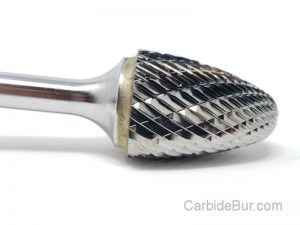
Check out this selection of USA made carbide burs
Understanding Carbide Burrs
Before diving into maintenance, it’s crucial to understand what carbide burrs are and how they function. This knowledge will help you maintain them effectively and ensure they last longer in both industrial and DIY settings.
What Are Carbide Burrs?
Carbide burrs are small cutting tools made from tungsten carbide. They’re used for grinding, shaping, and deburring hard materials. Tungsten carbide is extremely hard, making these burrs ideal for precision work on metals, stone, and wood. Their strength and durability allow them to perform intricate cuts without dulling quickly.
Common Uses in Industry and DIY
Carbide burrs are versatile tools used in various fields. In industries, they’re commonly found in metalworking and automotive applications, where precision is key. They’re also popular among hobbyists and DIY enthusiasts for wood carving, jewelry making, and more. Their ability to handle a wide range of materials makes them indispensable in both professional and personal projects.
Importance of Maintenance
Maintaining your carbide burrs is crucial to preserving their functionality. Regular care prevents clogging, which can hinder performance and lead to premature wear. By maintaining your tools, you ensure they remain sharp and efficient, saving time and enhancing the quality of your results. Proper upkeep not only extends their lifespan but also maximizes their cutting efficiency.
Preventing Burr Clogging
Once you understand the basics of carbide burrs, prevention of clogging becomes your next priority. Proper techniques and tools are essential to keep your burrs in optimal condition.
Proper Feed Rates
Setting the right feed rate is essential to prevent clogging. Feed rate refers to the speed at which you move the burr through the material. If it’s too fast, the burr can clog, leading to inefficient cutting. Experiment with different speeds to find the optimal rate that allows smooth and efficient cutting without causing buildup.

Need a longer reach for your die grinder?
Optimal Cutting Speeds
Selecting the right cutting speed is equally important. High speeds can generate excessive heat, leading to material buildup and dulling of the burr. Aim for a balanced speed that ensures effective cutting while keeping the burr cool. Regularly adjusting the speed to match the material you’re working on can make a significant difference in performance.
Essential Lubricants
Using lubricants can greatly reduce the risk of clogging. Lubricants help cool the burr and material, preventing overheating and buildup. Apply a small amount of lubricant to the material before cutting to ensure smooth operation. Not only does this improve efficiency, but it also extends the life of your burrs by reducing wear.
Effective Carbide Burr Techniques
Knowing how to use your burrs effectively can make a world of difference. Let’s explore some techniques that will enhance your results.
Choosing the Right Burr for the Job
Selecting the appropriate burr type for your project is crucial. Different shapes and sizes are designed for specific tasks. For instance, ball-shaped burrs are ideal for concave cuts, while cylindrical burrs work best for flat surfaces. Matching the burr to the task ensures precision and reduces the risk of clogging.
Techniques for Smooth Cutting
Adopting the right cutting technique will improve your results. Light, consistent pressure is key to avoiding buildup. Avoid pushing too hard; let the burr do the work. Smooth, controlled movements will yield cleaner cuts and prolong the tool’s life.
Avoiding Excessive Heat
Heat is your enemy when it comes to carbide burrs. Excessive heat can cause the material to melt and stick to the burr. To avoid this, use intermittent cutting. Pause occasionally to let the tool cool down. This simple practice can significantly improve your burr’s performance and lifespan.
Burr Cleaning Methods
Regular cleaning is vital for maintaining burr effectiveness. Let’s discuss some straightforward methods to keep your burrs in top shape.
Routine Cleaning Practices
Routine cleaning prevents material buildup on your burrs. After each use, remove debris with a brush or compressed air. This step ensures the burr stays sharp and ready for the next project. Making cleaning a habit will save you time and effort in the long run.
Tools for Keeping Burrs Sharp
Invest in tools designed to keep burrs sharp. A diamond file or grinding stone can be used to touch up dull edges. Regular sharpening will maintain cutting efficiency and prevent clogging. Keeping a set of sharpening tools handy ensures your burrs are always performing at their best.
Safe Cleaning Procedures
Always follow safety guidelines when cleaning burrs. Wear protective gloves and goggles to avoid injury. Secure the burr in a vise or tool holder before cleaning to prevent accidents. Prioritizing safety will keep both you and your tools in good condition.
Enhancing Cutting Efficiency
With proper maintenance and techniques, you can enhance your overall cutting efficiency. Consistent care will deliver better results every time.
Regular Maintenance Tips
Develop a routine maintenance schedule for your carbide burrs. Regular inspections for wear and damage will help you catch issues early. Consistent upkeep ensures your tools remain effective and ready for any project.
Identifying Wear and Tear
Recognizing signs of wear and tear is crucial. Look for dull edges or material buildup that doesn’t come off with regular cleaning. Early detection allows for timely repairs or replacements, preventing further damage.
Extending Tool Lifespan
To extend the lifespan of your carbide burrs, store them properly. Use a protective case to prevent damage during storage. Regular maintenance and careful handling will keep your burrs functional for years to come.
By following these tips, you’ll ensure your carbide burrs stay sharp and effective, enhancing both your productivity and the quality of your work. For more detailed techniques, check out essential cutting techniques for long-lasting carbide burrs.
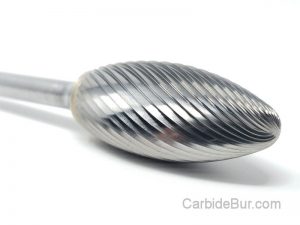
Looking for Carbide Bur Tools?
Check out our entire selection of USA made carbide bur die grinder tool bits
Follow us on Twitter

Return to CarbideBur.com
Carbide Burs – 1/4″ on 1/8″ Shanks – Accessories – Aluminum Cut – Bur Sets – End Mills – Long Shank – Solid Burs
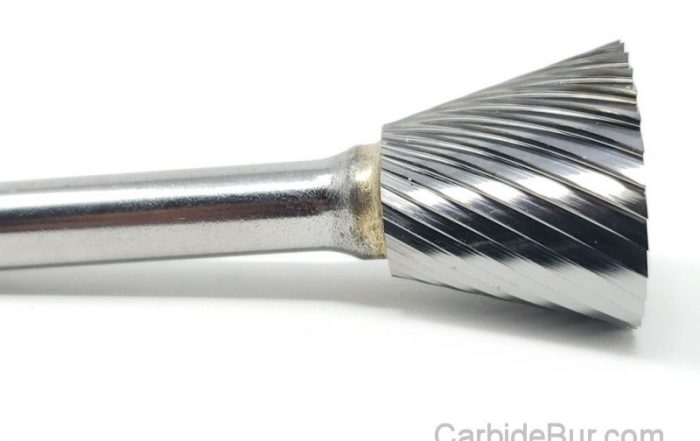
1/8 vs 1/4 Inch Carbide Burrs: What’s the Difference?
1/8 vs 1/4 Inch Carbide Burrs: What's the Difference? Choosing between a 1/8 inch carbide burr and a 1/4 inch carbide burr can change how your project turns out. Many machinists and hobbyists overlook how [...]

Best Carbide Burr for Removing Flash From Castings
Best Carbide Burr for Removing Flash From Castings Removing flash from castings is a task that can slow down your entire metalworking process if you don’t have the right tools. Picking the best carbide burr [...]
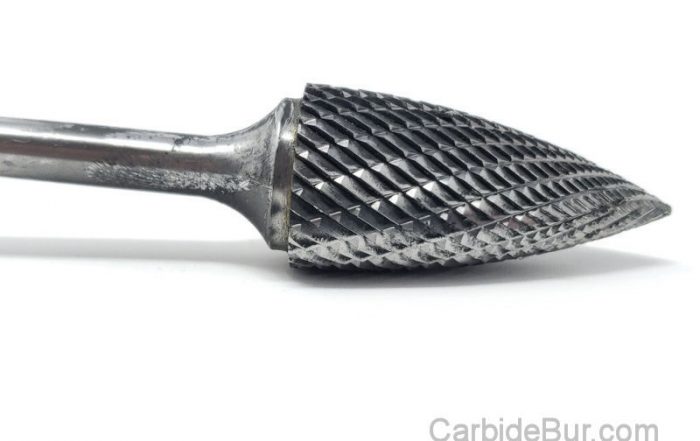
What RPM Should You Use for a 1/4 Inch Carbide Burr?
What RPM Should You Use for a 1/4 Inch Carbide Burr? Most machinists guess the right speed for a 1/4 inch carbide burr and hope for the best. Using the wrong carbide burr RPM can [...]
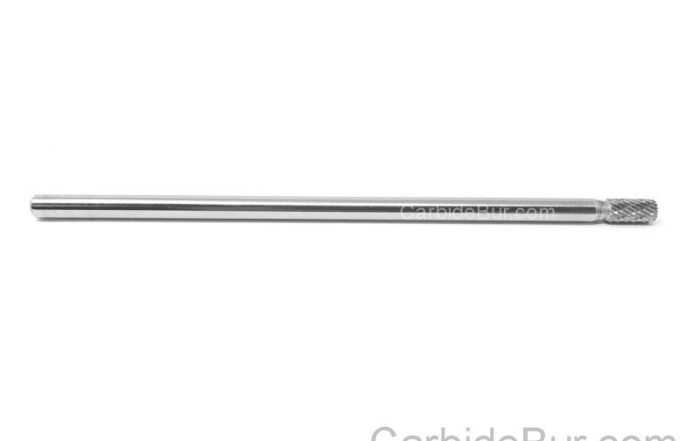
Long Shank Carbide Burrs: When Do You Need One?
Long Shank Carbide Burrs: When Do You Need One? Most machinists overlook the power of long shank carbide burrs until a project demands precision in tight spaces. When your usual tools can’t reach intricate contours, [...]
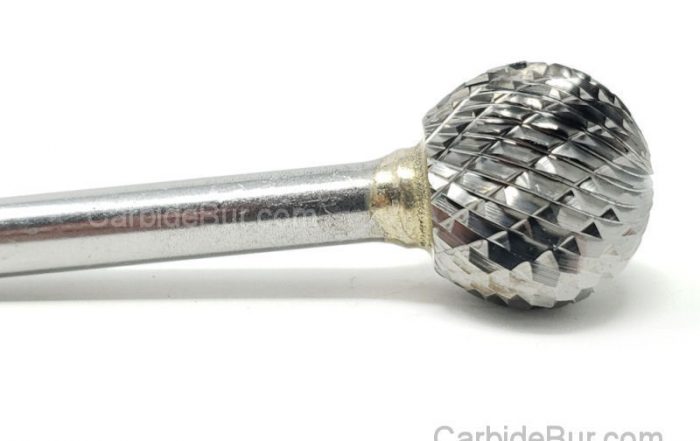
How Deep Can a Carbide Burr Cut Metal?
How Deep Can a Carbide Burr Cut Metal? Carbide burrs often get praised for their precision, but many users hit a wall wondering how deep they can actually cut metal. The truth is, cutting depth [...]
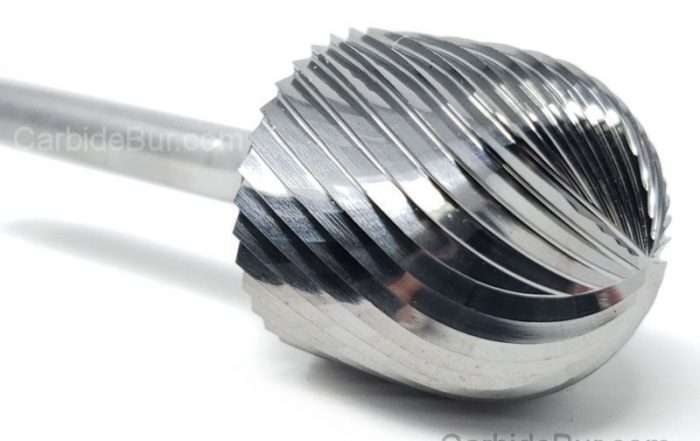
How to Use Carbide Burrs for Port Matching
How to Use Carbide Burrs for Port Matching Most engine builds hit a wall when airflow doesn’t flow smoothly between the ports and manifolds. If your engine isn’t breathing right, your performance stalls. Using the [...]
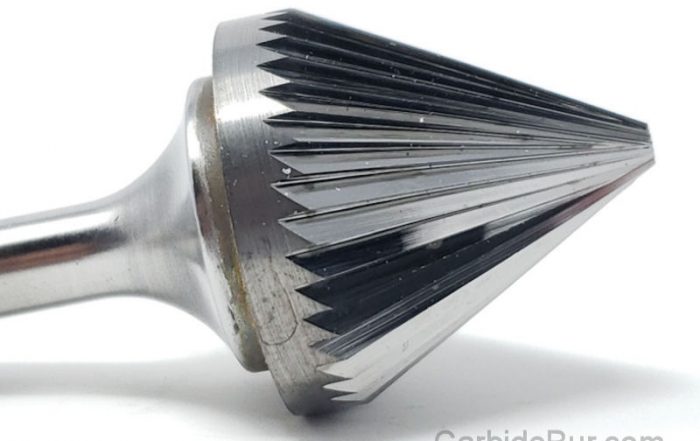
Best Carbide Burr for Porting Intake Manifolds
Best Carbide Burr for Porting Intake Manifolds Porting intake manifolds can make or break your engine’s airflow, yet many struggle with the right tools for the job. Choosing the best carbide burrs is key to [...]
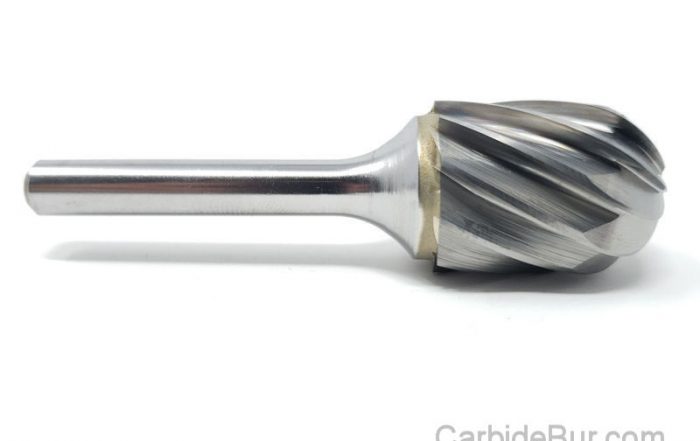
Best Carbide Burr for Concave Surfaces
Best Carbide Burr for Concave Surfaces Concave surfaces can turn a straightforward project into a frustrating challenge if you don’t have the right tool. Carbide burrs designed for these tricky curves make all the difference [...]
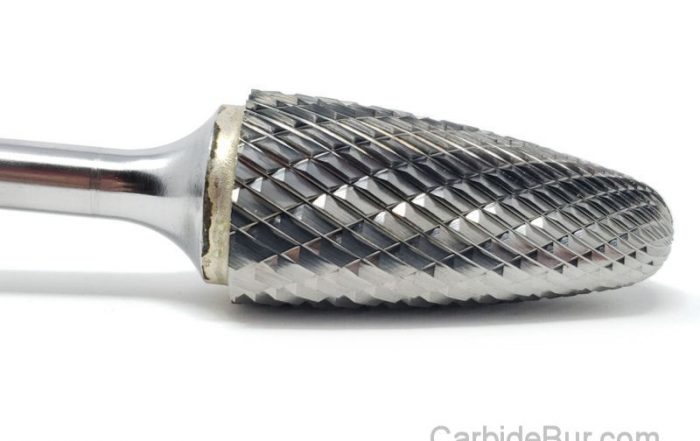
How to Grind a Slot in Metal With a Carbide Burr
How to Grind a Slot in Metal With a Carbide Burr Grinding a precise slot in metal can feel like a tricky task, especially if you’re unsure which tools to trust. Carbide burr grinding offers [...]

Best Carbide Burr for Inside Corners
Best Carbide Burr for Inside Corners Working in tight inside corners can turn even simple projects into frustrating tasks. Many carbide burrs just don’t fit or cut cleanly where you need them most. The best [...]
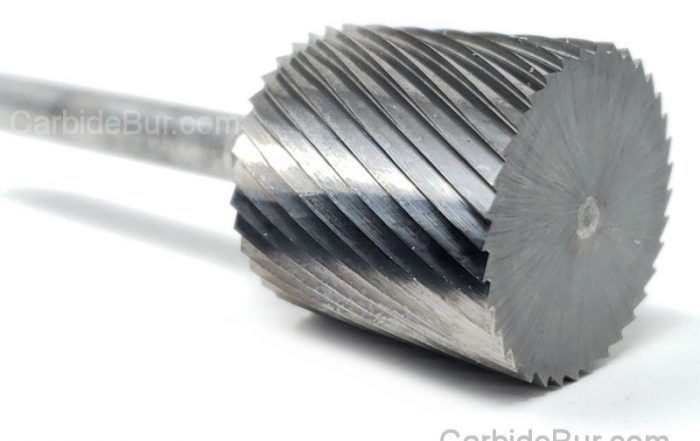
What Size Carbide Burr Do I Need?
What Size Carbide Burr Do I Need? Picking the wrong carbide burr can turn a simple project into a frustrating mess. You might have the best machining tools but still miss the mark if your [...]
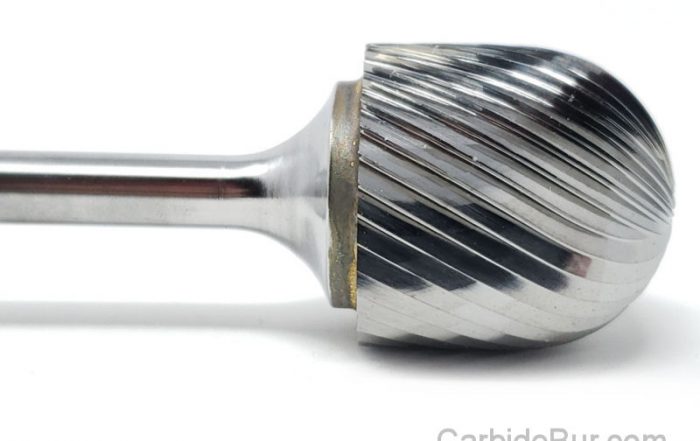
How to Smooth Sharp Metal Edges With a Carbide Burr
How to Smooth Sharp Metal Edges With a Carbide Burr Sharp metal edges can turn your project from professional to risky in seconds. If you’ve struggled with smoothing metal edges without scratching or weakening the [...]
