
Essential Cutting Techniques for Long-Lasting Carbide Burrs
Carbide burrs chip and break faster than you think when cutting the wrong way. If you’ve lost tools mid-project, you know how costly that can get. This guide on cutting techniques for carbide burrs will show you how to keep your tungsten carbide burrs sharp and intact longer. Stick around to learn simple steps that protect your tools and improve your results every time. For more information, check out this article.
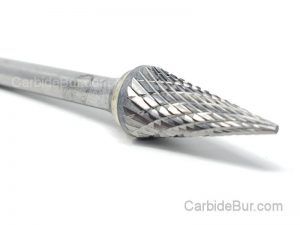
Click here for our entire selection of carbide bur tools
Tool Selection for Carbide Burrs
Choosing the right tool is your first step towards success. When you understand the importance of using the correct burr, you set the stage for smoother operations and fewer mishaps.
Choosing the Right Burr Type
Picking the right burr type can make or break your project. You need to consider the material you’re working with. For soft metals like aluminum, a single cut carbide burr works best. It removes material quickly without clogging. On the other hand, hard metals benefit from a double cut carbide burr. This type provides a smoother finish and greater control. Knowing the difference helps you avoid unnecessary wear and tear.
Choosing incorrectly could lead to costly mistakes. Imagine working on a project and your tool suddenly chips. It’s frustrating and avoidable. By understanding these nuances, you save time and money.
Selecting a Quality Carbide Burr Set
A quality carbide burr set is a worthwhile investment. It provides a variety of shapes and sizes, which is perfect for tackling different tasks. High-grade tungsten carbide burrs, known for their durability, offer extended tool life. You want your tools to serve you well and not give up mid-project. Buying a reputable brand ensures consistency and reliability.
A poorly made burr set leads to frequent replacements. This not only increases costs but also interrupts your workflow. A good set enhances your capability and boosts your confidence in handling diverse tasks.
Speed Settings and Cutting Techniques
Once you’ve selected the right burr, it’s time to focus on speed and technique. Proper speed settings can prolong tool life and improve your work quality.
Optimal Speed for Cutting
The speed at which you run your burrs is crucial. Fast speeds might seem tempting to finish quickly, but they often do more harm than good. Running at 20,000 to 35,000 RPM is ideal for most tasks. This range balances efficiency and control. It reduces the risk of overheating and chipping, ensuring your carbide burrs last longer.
Consider this: high speeds can cause excessive heat, which can damage both the burr and your workpiece. Slower speeds might require patience, but they foster precision and care. Remember, it’s not just about speed; it’s about smart, effective cutting.
Best Cutting Practices
Adopting the best cutting practices safeguards your tools. First, always keep a steady hand and move the burr in a consistent direction. This reduces unwanted friction. Second, applying even pressure prevents unnecessary force on the burr, which can lead to premature breakage.
Cutting against the grain? That’s a recipe for disaster. Instead, work with the material’s natural lines to achieve a smoother finish. Consistency and control are your best allies. Practicing these techniques not only protects your tools but also enhances your craftsmanship. For more cutting tips, check out this guide.
Maintenance for Longevity
Proper maintenance is the final piece of the puzzle. It ensures your tools remain in top condition, ready for any challenge.
Cleaning and Storage Tips
Cleaning your carbide burrs is essential. After each use, remove debris with a wire brush. This prevents buildup that can dull the burr. For storage, keep them in a dry place away from moisture. Moisture can lead to rust, compromising the tool’s integrity. Utilize a storage case to protect them from accidental damage.
Neglecting these steps could mean a shorter tool lifespan. A little care goes a long way. By dedicating time to maintenance, you ensure your burrs are always ready for action.
Regular Inspection and Replacement
Regular inspection is key. Before starting a project, check for any signs of wear or damage. A chipped burr can lead to poor results and potential safety hazards. If you notice any issues, it’s best to replace the tool. Continuing to use a damaged burr can escalate problems and increase costs.
Don’t wait for a tool to fail mid-project. Being proactive with inspections helps you avoid interruptions. Regular checks keep your operations smooth and efficient, ensuring you’re always ready for the next task. For more insights on maintaining carbide burrs, see these best practices.
Click here for our entire selection of carbide bur tools

Can You Use a Carbide Burr With an Electric Die Grinder?
Can You Use a Carbide Burr With an Electric Die Grinder? Most people don’t realize how much a carbide burr can change the way an electric die grinder works. Using the right burr type can [...]
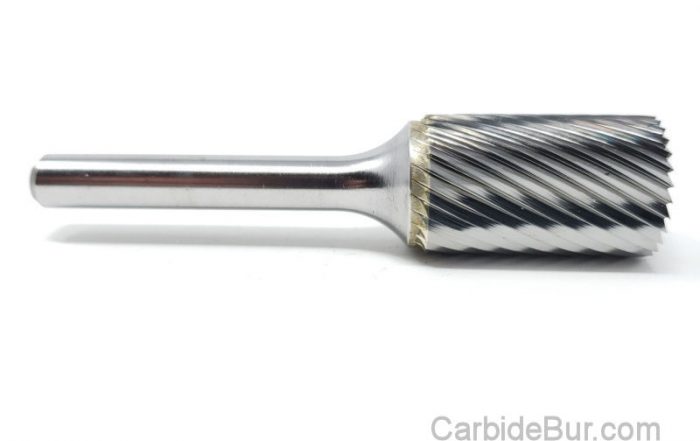
How to Deburr Holes With a Carbide Burr
How to Deburr Holes With a Carbide Burr Most people think any tool will do for deburring holes. The truth is, using the right carbide burr with the correct size and shape changes everything. In [...]
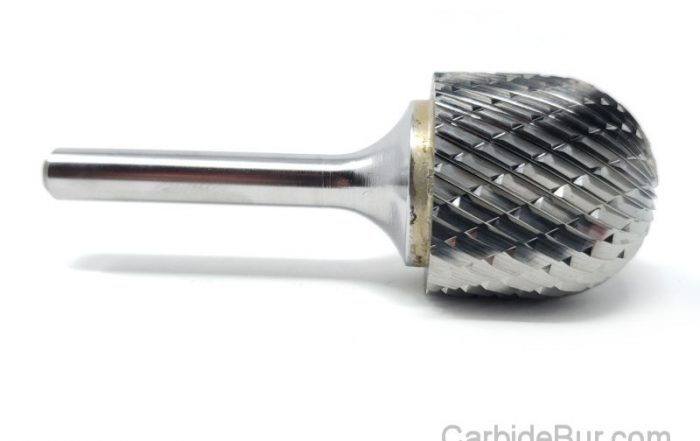
How to Choose the Correct Carbide Burr Shank Size
How to Choose the Correct Carbide Burr Shank Size Many machinists lose hours troubleshooting tool issues caused by the wrong carbide burr shank size. Using a shank that doesn’t fit your grinder can lead to [...]
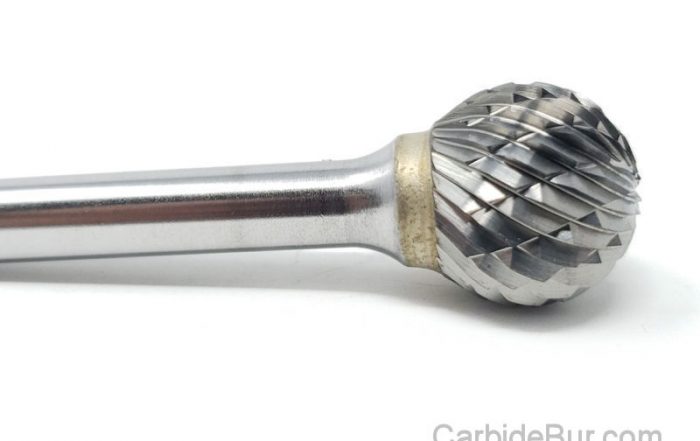
How to Remove Casting Flash With a Carbide Burr
How to Remove Casting Flash With a Carbide Burr Casting flash ruins the look and fit of your metal parts. You’ve tried sanding or grinding, but the results aren’t clean or fast enough. Learning how [...]
Best Carbide Burr for Enlarging a Hole in Metal
Best Carbide Burr for Enlarging a Hole in Metal When you need to enlarge a hole in metal, grabbing the wrong carbide burr can turn a simple task into a frustrating mess. Picking the best [...]
Carbide Burr Safety: 15 Mistakes That Can Cause Injury or Damage
Carbide Burr Safety: 15 Mistakes That Can Cause Injury or Damage Carbide burr safety is often overlooked until a costly mistake happens. Many metalworkers and DIYers make the same errors that lead to injuries or [...]
Can You Use a Carbide Burr in a Drill?
Can You Use a Carbide Burr in a Drill? Most people think a standard drill can’t handle a carbide burr, but that’s not true. Using carbide burr in the right drill can speed up your [...]
Carbide Burrs for Removing Rust: What Works Best?
Carbide Burrs for Removing Rust: What Works Best? Rust can turn your favorite tools into useless junk faster than you expect. Removing it without ruining the metal underneath takes more than just elbow grease—it demands [...]
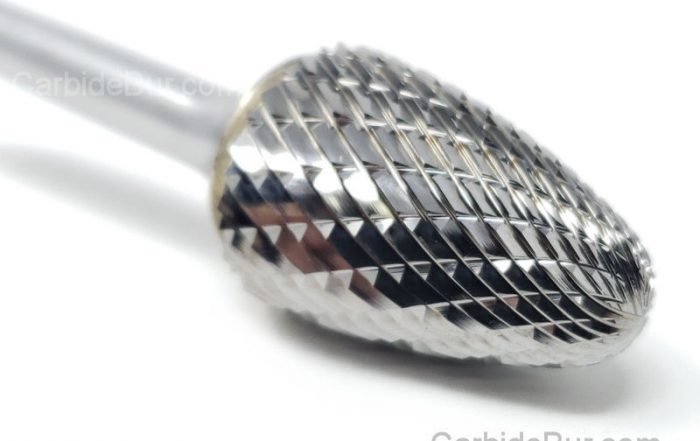
How Much Pressure Should You Use With a Carbide Burr?
How Much Pressure Should You Use With a Carbide Burr? Most people think pressing harder with a carbide burr speeds up the job. That’s not true—too much pressure wears out your tool and ruins the [...]
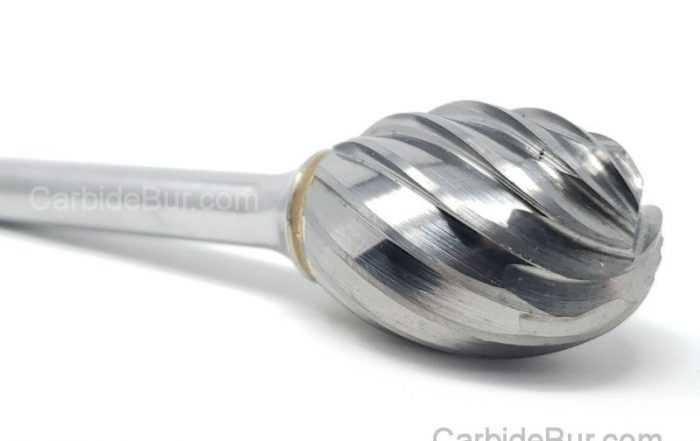
Can You Use Carbide Burrs With an Air Die Grinder?
Can You Use Carbide Burrs With an Air Die Grinder? Most people don’t realize how well carbide burrs work with air die grinders until they try them. If you’ve ever struggled with finding the right [...]
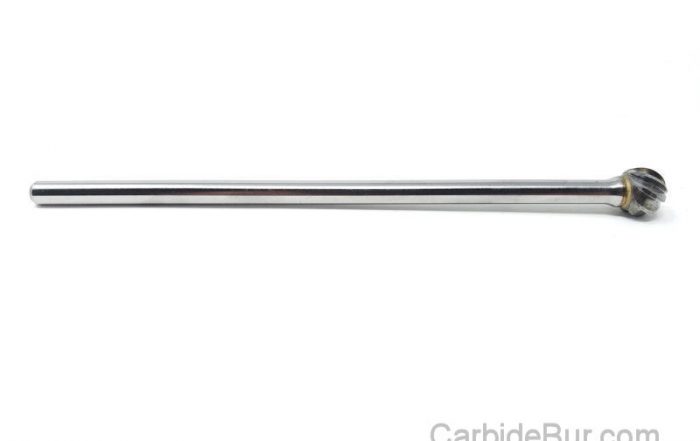
Best Long Reach Carbide Burr for Deep Metal Work
Best Long Reach Carbide Burr for Deep Metal Work Long reach carbide burrs often promise deep metal access, but many fall short where it counts most. You need a tool that cuts cleanly, lasts through [...]
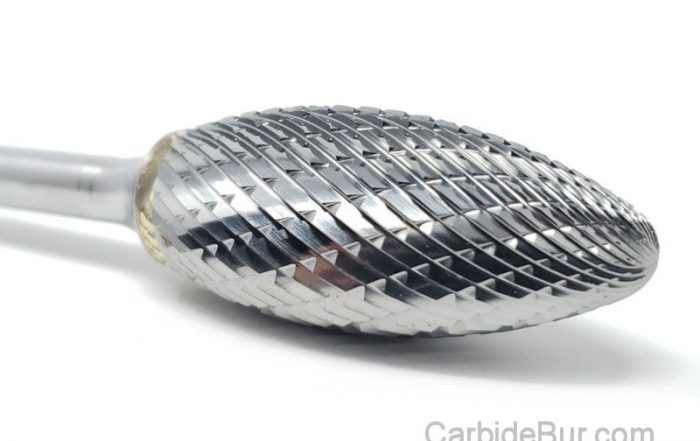
What RPM Should You Use for a 1/8 Inch Carbide Burr?
What RPM Should You Use for a 1/8 Inch Carbide Burr? Most people guess the right carbide burr RPM by feel—and waste hours redoing work. If you want cleaner cuts and longer tool life, your [...]
