Best Carbide Burr for Aluminum Without Clogging
Clogging ruins more than just your workflow when machining aluminum—it wastes your time and wears out your tools. If you’ve struggled to find a carbide burr that keeps cutting clean without packing up, you’re not alone. This guide breaks down the best carbide burr for aluminum, showing you which shapes, sizes, and tooth patterns cut smoothly and resist clogging. You’ll also get practical tips on feed rates, cutting speeds, and maintenance to keep your tools sharp and your projects on track. For a detailed guide, check out this resource.
Understanding Aluminum’s Unique Properties
Aluminum is a widely used material, but it’s notorious for clogging issues in machining. Understanding why this happens can save you time and effort.
Why Aluminum Clogs Easily
The soft nature of aluminum is the main culprit for clogging. When cutting, aluminum chips tend to stick to the tool, creating buildup that can halt your progress. This happens because aluminum has a lower melting point, causing the material to adhere to the burr when it heats up. To combat this, choose burrs with a coating that reduces friction and use lubrication to keep temperatures down. This approach can significantly minimize clogging.
Impact on Machining Efficiency
Clogging doesn’t just slow you down; it affects the quality of your work too. When your burr is clogged, it can’t cut as effectively, leading to uneven surfaces and potential damage to the material. This inefficiency can increase production time and costs. By addressing clogging, you ensure a smoother and more precise machining process. This not only enhances your productivity but also the quality of your finished product.
Selecting the Right Carbide Burr
Choosing the right burr is crucial for effective machining. The shape and size of the burr play a significant role in performance.
Carbide Burr Shapes and Sizes
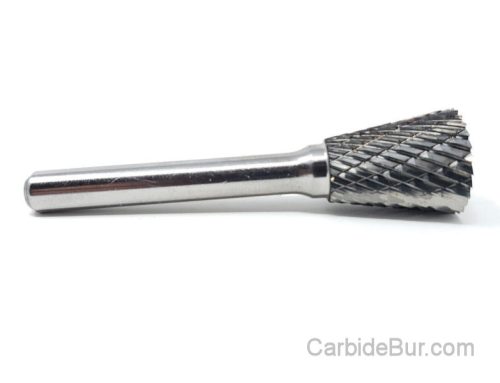
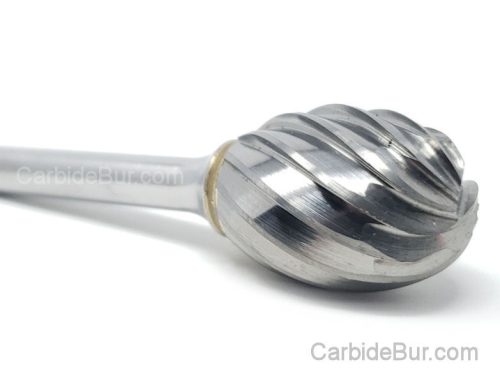
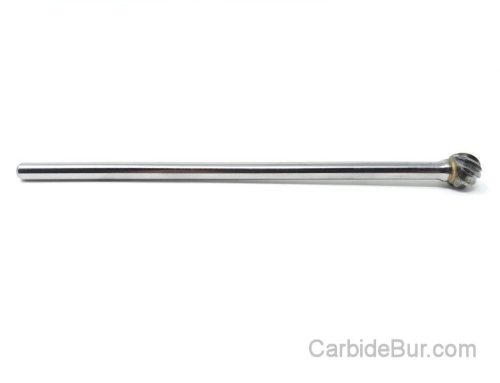
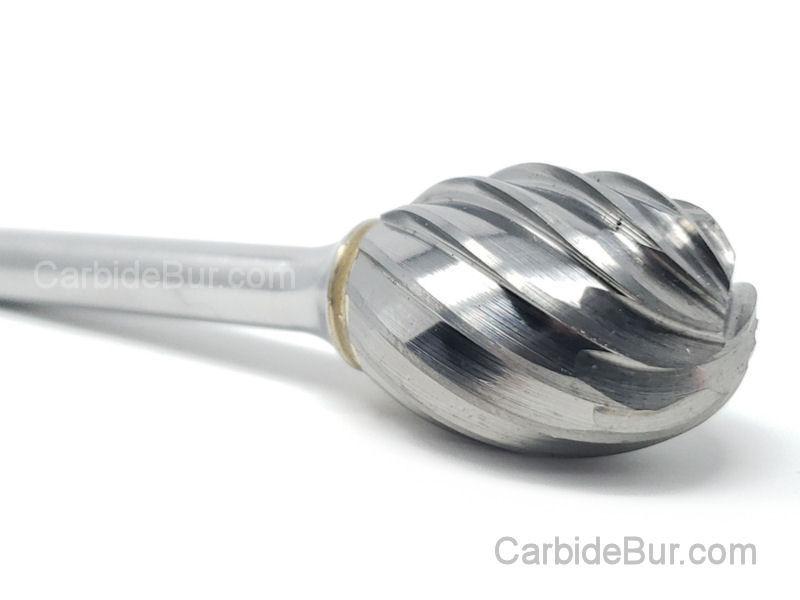
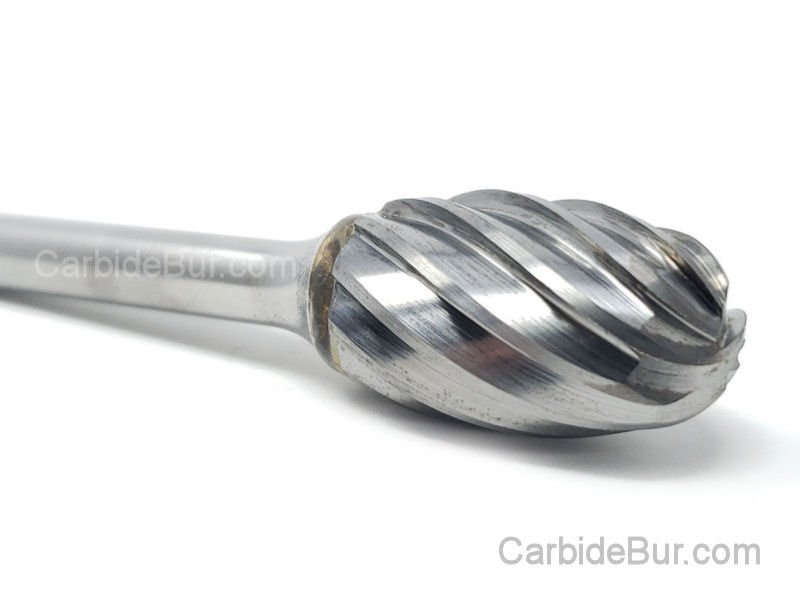
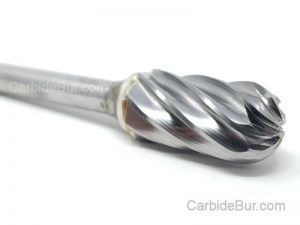
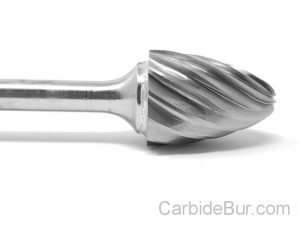
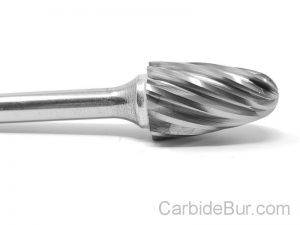
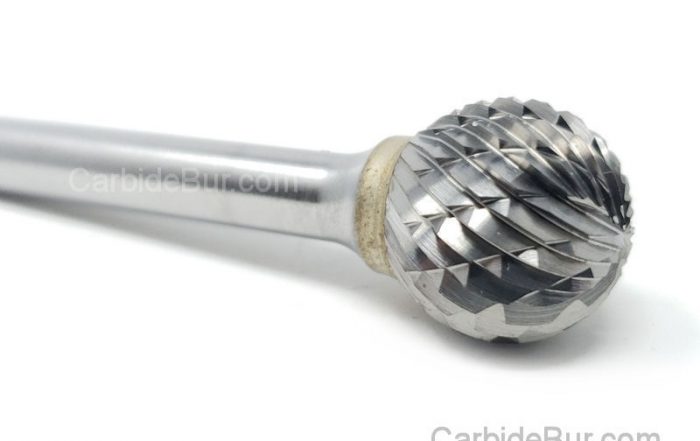
Different shapes serve different purposes. Cylindrical burrs are great for flat surfaces, while rounded shapes work well for contouring. The size of the burr affects how much material you can remove at once. For broader surfaces, a larger burr is ideal, while smaller burrs are better for detailed work. By selecting the right shape and size, you can tailor your tool to your specific needs, improving your machining efficiency.
Tooth Configurations for Best Results
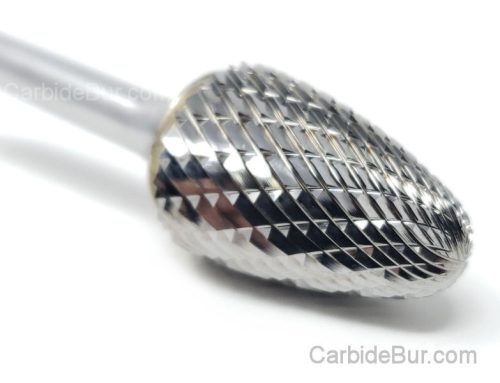
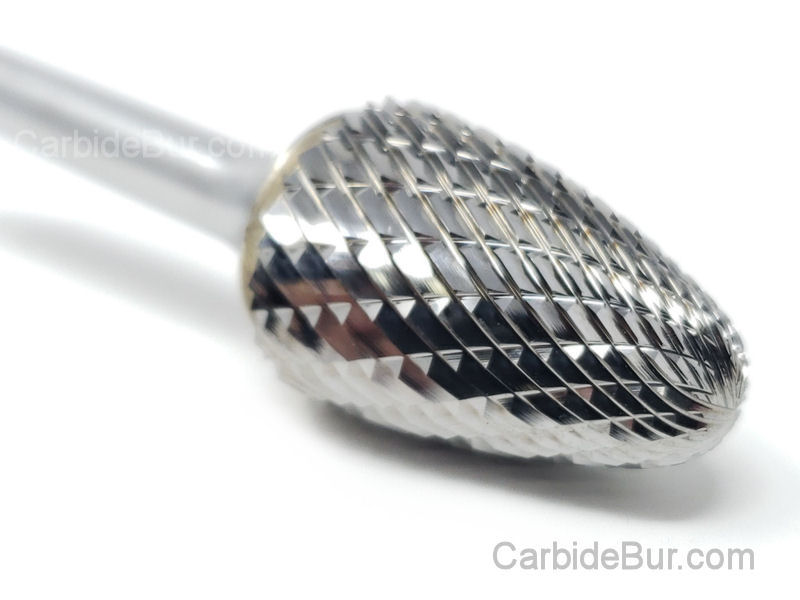
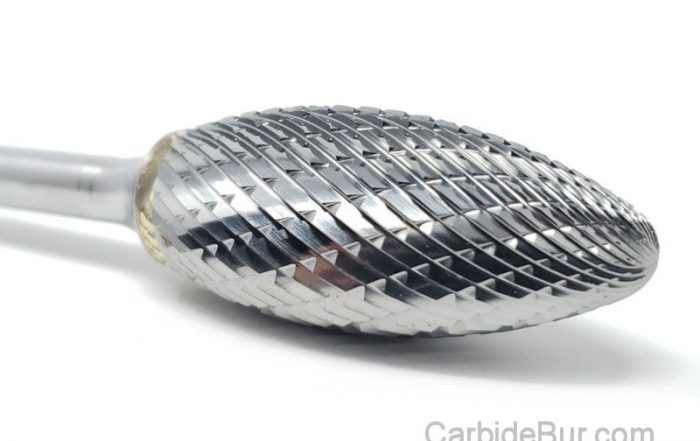
The configuration of the burr’s teeth can dramatically impact performance. Coarse teeth remove material quickly but may leave a rough finish. Finer teeth provide a smoother finish but require more time. For aluminum, cross-cut teeth are recommended as they help in reducing clogging by efficiently dispersing chips. This configuration allows you to maintain a cleaner tool and achieve a high-quality finish.
Optimizing Cutting Process
Fine-tuning your cutting process can help prevent common machining issues. Adjusting feed rates and cutting speeds is key.
Adjusting Feed Rates
Your feed rate determines how fast your tool moves through the material. A slower feed rate can reduce clogging by allowing the burr time to clear chips. However, too slow a rate can lead to overheating. It’s a balancing act. Experiment with different rates to find the sweet spot that maintains tool integrity while efficiently removing material. This can be your best strategy for extending tool life and improving results.
Ideal Cutting Speeds
The speed at which your burr spins affects the heat produced during cutting. Lower speeds can help reduce heat buildup, but if too low, it will reduce efficiency. Finding the right speed depends on the material and burr type. Typically, slower speeds work better for aluminum, as they help manage heat and reduce clogging. Adjusting speeds according to these factors can enhance your machining process and tool longevity.
Maintenance and Safety Practices
Proper maintenance and safety practices are essential for effective machining. They ensure your tools last longer and keep you safe.
Extending Burr Life
Regular maintenance can significantly extend the life of your burrs. Clean your burrs after each use to remove any buildup and inspect them for wear. Replace worn-out burrs promptly to maintain optimal performance. Store them in a dry, safe place to prevent rust and damage. These simple steps can preserve your investment and ensure consistent results.

Essential Safety Tips
Safety should always be a priority. Wear appropriate protective gear, such as goggles and gloves, to protect yourself from flying debris. Ensure your workspace is well-lit and organized to prevent accidents. Always secure your material before cutting and be mindful of your surroundings. Following these practices can keep you safe and optimize your machining experience.
Advanced Machining Tips
For those looking to refine their techniques, advanced tips can elevate your machining results.
Prevent Clogging Techniques
To prevent clogging, keep your burrs sharp and clean. Use a light lubricant to reduce friction and heat. Regularly check your burrs for sharpness and replace them as needed. These techniques help maintain an uninterrupted workflow, allowing for smoother cuts and cleaner finishes.
Achieving High-Quality Results
High-quality results require attention to detail. Use the right burr for the job and keep your tools in peak condition. Practice patience and precision in your work, and don’t rush the process. By focusing on these elements, you can achieve professional-level quality in your aluminum machining projects.
Frequently Asked Questions
What is the best shape of carbide burr for aluminum?
The best shape depends on your task. Cylindrical burrs are suitable for flat surfaces, while rounded burrs work well for contouring and detailed areas.
How can I prevent my carbide burr from clogging?
To prevent clogging, use burrs with a suitable coating, apply a light lubricant, and ensure the burr is sharp. Proper feed rates and cutting speeds also help.
Why is selecting the right tooth configuration important?
The tooth configuration affects chip removal and surface finish. Cross-cut teeth are often recommended for aluminum as they reduce clogging and provide a smoother finish.
Looking for Carbide Bur Tools?
Check out our entire selection of USA made carbide bur die grinder tool bits
Follow us on Twitter

Return to CarbideBur.com
Carbide Burs – 1/4″ on 1/8″ Shanks – Accessories – Aluminum Cut – Bur Sets – End Mills – Long Shank – Solid Burs
Carbide Burrs for Removing Rust: What Works Best?
Carbide Burrs for Removing Rust: What Works Best? Rust can turn your favorite tools into useless junk faster than you expect. Removing it without ruining the metal underneath takes more than just elbow grease—it demands [...]
How Much Pressure Should You Use With a Carbide Burr?
How Much Pressure Should You Use With a Carbide Burr? Most people think pressing harder with a carbide burr speeds up the job. That’s not true—too much pressure wears out your tool and ruins the [...]
Can You Use Carbide Burrs With an Air Die Grinder?
Can You Use Carbide Burrs With an Air Die Grinder? Most people don’t realize how well carbide burrs work with air die grinders until they try them. If you’ve ever struggled with finding the right [...]
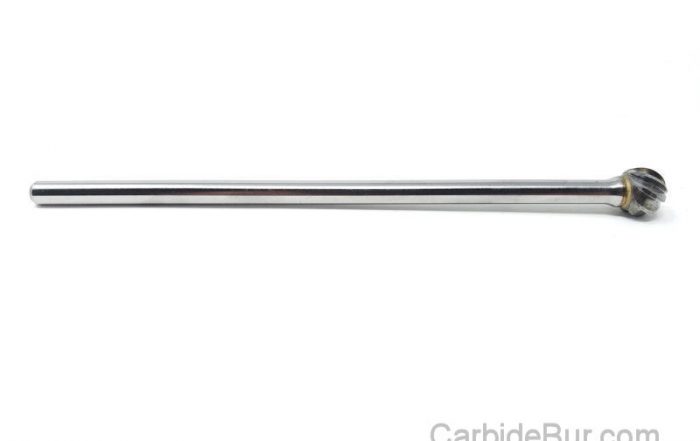
Best Long Reach Carbide Burr for Deep Metal Work
Best Long Reach Carbide Burr for Deep Metal Work Long reach carbide burrs often promise deep metal access, but many fall short where it counts most. You need a tool that cuts cleanly, lasts through [...]
What RPM Should You Use for a 1/8 Inch Carbide Burr?
What RPM Should You Use for a 1/8 Inch Carbide Burr? Most people guess the right carbide burr RPM by feel—and waste hours redoing work. If you want cleaner cuts and longer tool life, your [...]
Carbide Burrs for Tight Spaces: Choosing the Right Shape
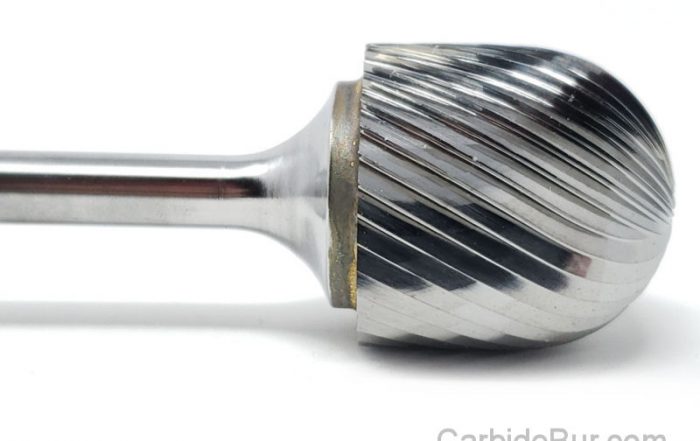
Carbide Burrs for Tight Spaces: Choosing the Right Shape Tackling tight spaces with the wrong carbide burrs wastes time and risks damaging your work. Choosing the right burr shape makes all the difference when working [...]
Can Carbide Burrs Remove Paint From Metal?
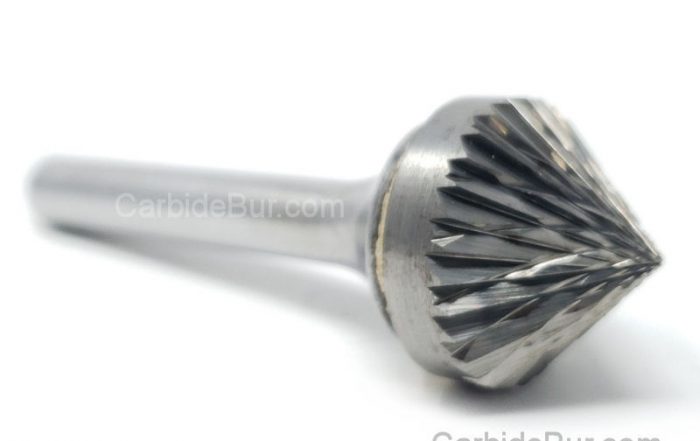
Can Carbide Burrs Remove Paint From Metal? Stripping paint from metal often feels like a tough chore that risks damaging the surface underneath. Many turn to carbide burrs hoping they can speed things up without [...]
How to Grind a Groove in Metal With a Carbide Burr
How to Grind a Groove in Metal With a Carbide Burr Most metalworkers struggle to cut clean grooves without wasting time or ruining their workpiece. Many try different metalworking tools but end up with uneven [...]
Can Carbide Burrs Cut Through Welds?
Can Carbide Burrs Cut Through Welds? Cutting through welds can feel like a battle, especially when you need clean results without harming the base metal. Carbide burrs offer a sharp edge in this fight, but [...]
How to Use a Carbide Burr With a Die Grinder
How to Use a Carbide Burr With a Die Grinder Most people treat a carbide burr like just another tool, but using it with a die grinder takes skill. If you’ve struggled with burr installation [...]
1/8 vs 1/4 Inch Carbide Burrs: What’s the Difference?
1/8 vs 1/4 Inch Carbide Burrs: What's the Difference? Choosing between a 1/8 inch carbide burr and a 1/4 inch carbide burr can change how your project turns out. Many machinists and hobbyists overlook how [...]
Best Carbide Burr for Removing Flash From Castings
Best Carbide Burr for Removing Flash From Castings Removing flash from castings is a task that can slow down your entire metalworking process if you don’t have the right tools. Picking the best carbide burr [...]