Carbide Burr RPM Guide: How Fast Should You Run a Carbide Burr?
Most people run their carbide burrs too fast or too slow without realizing it. Using the wrong speed wears out your tools faster and ruins your cuts. This guide breaks down the optimal RPM for carbide burrs based on material, burr size, and task, so you get cleaner results and longer tool life every time. For more information on choosing the right burrs, check out this link.
Understanding Carbide Burr RPM
Finding the right RPM for your carbide burr is crucial. This ensures precision and prolongs the life of your tool.
Importance of RPM Settings
RPM settings can make or break your projects. Running at the correct speed means your cuts are smooth, not jagged. More importantly, it saves money by reducing wear on your tools. When your burr spins too fast, it heats up, which dulls the cutting edges. Too slow, and you’re left with rough surfaces. In both cases, tool life is compromised, and results suffer.
Factors Influencing RPM
Several factors influence the ideal RPM for carbide burrs. The material you’re working with is key. Metal, wood, or plastic, each requires different speeds. Burr size is another factor; smaller burrs generally spin faster. Lastly, consider the precise task you are performing. Is it grinding, shaping, or cutting? Each task demands specific adjustments. These factors combined guide you to the perfect RPM.
Matching RPM to Burr Specifications
Matching the RPM to your burr’s specifications is essential for optimal performance. Each burr type has a recommended speed range. Refer to manufacturer guidelines before starting any project. These specifications ensure the burr performs at its best, delivering clean, accurate results and maximizing tool life. Understanding these settings is foundational for both safety and effectiveness.
Material Considerations
Materials play a significant role in deciding the RPM settings. Different materials require specific approaches for effective cutting.
Metalworking with Carbide Burrs
When working with metal, you need to adjust speeds carefully. Metals like steel require lower speeds compared to softer metals like aluminum. Lower speeds prevent overheating and protect the burr. Always ensure you’re using the correct burr type for the metal. For more insight, this link offers detailed guidance on burrs for aluminum.
Woodworking with Carbide Burrs
Woodworking involves different considerations. Wood is softer, allowing for higher RPMs. Higher speeds prevent burning and provide smoother finishes. However, too high, and you risk losing control or causing damage. Ensure you’re using burrs designed for wood to enhance your results. Choosing the right speed makes a noticeable difference in the finish quality.
Burr Size and Shape Impact
Understanding how burr size and shape affect performance is crucial.
Selecting the Right Burr Size
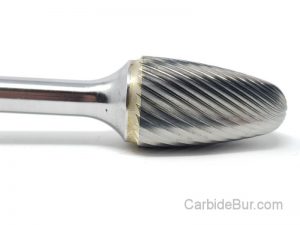
Burr size directly affects the RPM you choose. Larger burrs require slower speeds to maintain control and precision. Smaller burrs can handle higher RPMs, allowing them to cut or grind more effectively. Always consider the specific task at hand and match the burr size to it. This ensures optimal performance and tool longevity.
How Shape Affects Speed
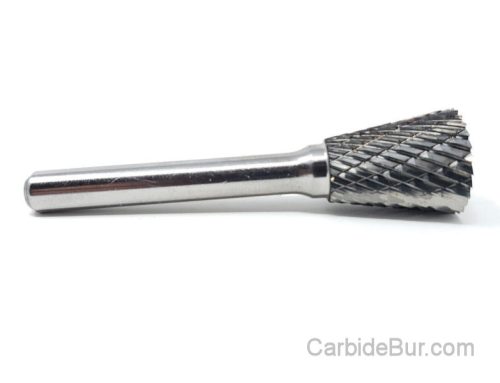
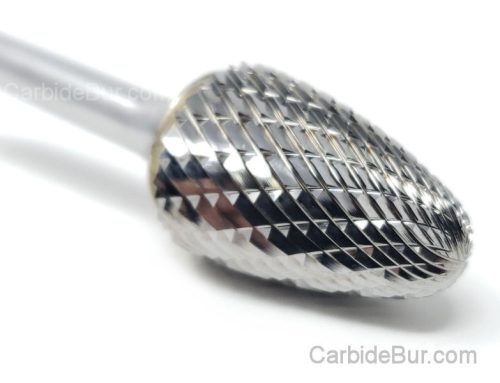
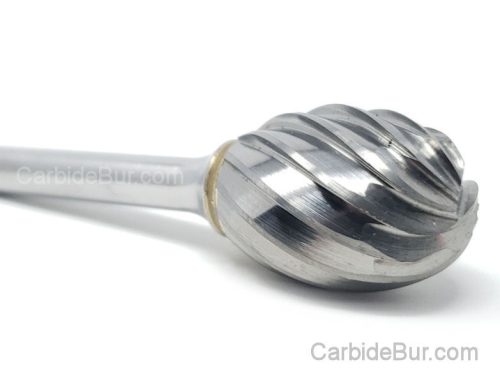
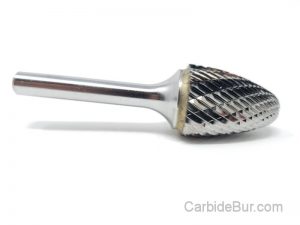
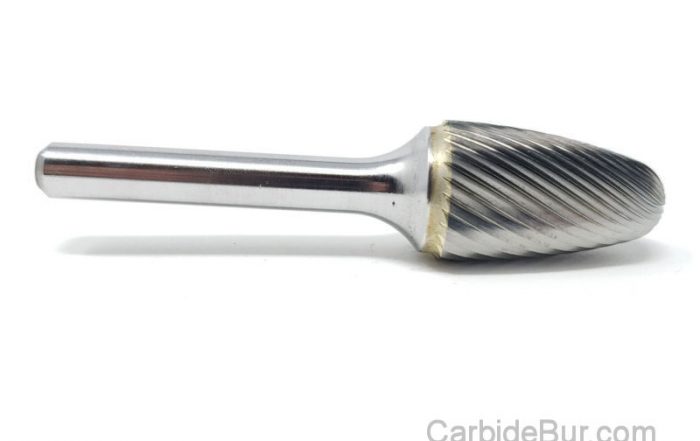
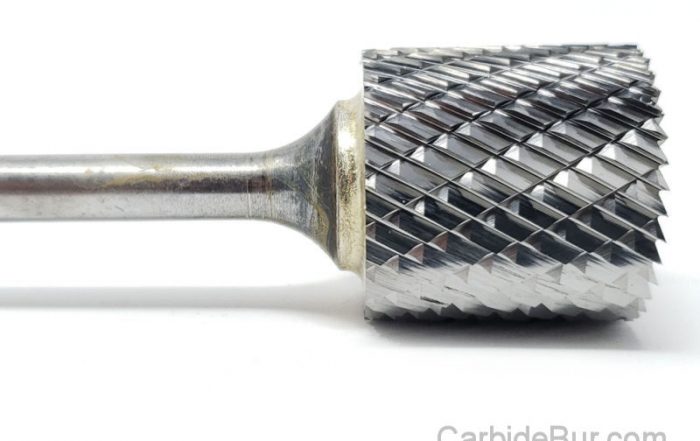
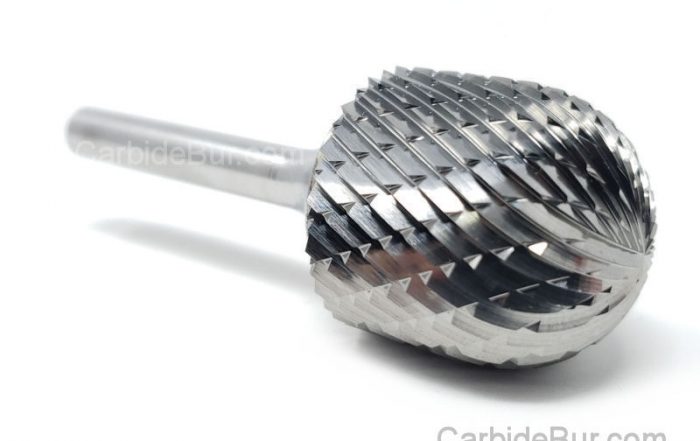
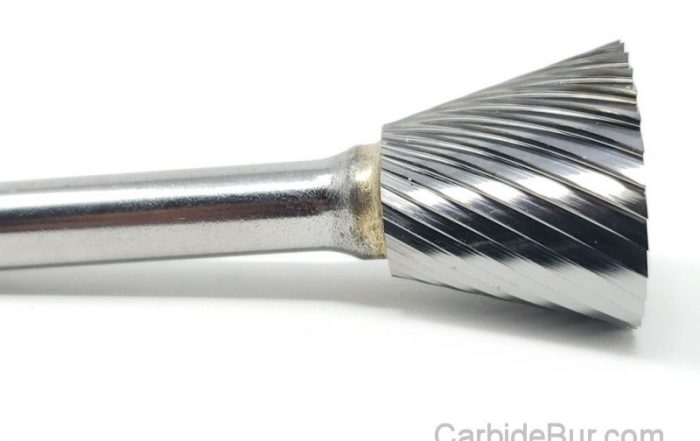
The shape of your burr determines how you should set your RPM. For instance, a cylindrical burr is perfect for surface work, while a round nose might be better for contouring. Each shape interacts with the material differently, requiring specific speed adjustments. Knowing which shape to use for each task can save time and improve outcomes.
Practical Burr Speed Tips
Implementing practical speed strategies can elevate your projects.
Adjusting Burr Speed for Tasks
Adjusting speed is simple with a few tips. Start by testing your burr on scrap material. Gradually increase the speed, observing how the burr interacts with the material. Listen for any unusual sounds; these can indicate incorrect settings. This method allows you to find the perfect speed, optimizing performance and results.
Troubleshooting Burr Performance Issues
When you encounter performance issues, consider a few adjustments. If your burr is not cutting smoothly, check the RPM settings. It might be too high or too low. Inspect the burr for wear or damage. Finally, ensure that you’re using the correct type for your material. Solving these common problems quickly restores efficiency.
Enhancing Cutting Efficiency
Improving efficiency is about more than just speed.
Maximizing Burr Cutting Efficiency
Efficiency in cutting means faster work with less wear. Ensure your burr is sharp and clean. Dull burrs require more force and create rough finishes. Regular maintenance, including cleaning and sharpening, increases performance. Efficient cutting saves time and extends the life of your tools.
Improving Burr Performance with Technology
Embracing new technology can enhance your burr’s performance. Advanced tools now offer adjustable speed settings and improved materials. These innovations provide better control, allowing for precision work. Investing in modern tools can pay off with improved results and less downtime. For more on perfecting material removal, explore this link.
Frequently Asked Questions
What is the optimal RPM for carbide burrs?
The optimal RPM varies, but generally, smaller burrs use higher RPMs, while larger burrs run slower. Always refer to manufacturer guidelines for specifics.
Why does material type affect RPM settings?
Different materials have unique properties. For instance, metals require slower speeds to prevent overheating, while wood can handle faster speeds for a smooth finish.
How can I tell if my RPM setting is incorrect?
Look for signs like rough cuts, excessive heat, or unusual noises. These indicate that adjustments to your RPM settings might be necessary.
Can burr shape impact my project’s outcome?
Yes, the shape of the burr affects how it interacts with the material. Using the right shape for the task ensures cleaner, more accurate results.
Is it worth investing in technology for burr performance?
Yes, advanced technology provides better control and efficiency, leading to improved outcomes and reduced tool wear.
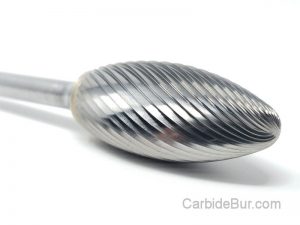
Looking for Carbide Bur Tools?
Check out our entire selection of USA made carbide bur die grinder tool bits
Follow us on Twitter

Return to CarbideBur.com
Carbide Burs – 1/4″ on 1/8″ Shanks – Accessories – Aluminum Cut – Bur Sets – End Mills – Long Shank – Solid Burs
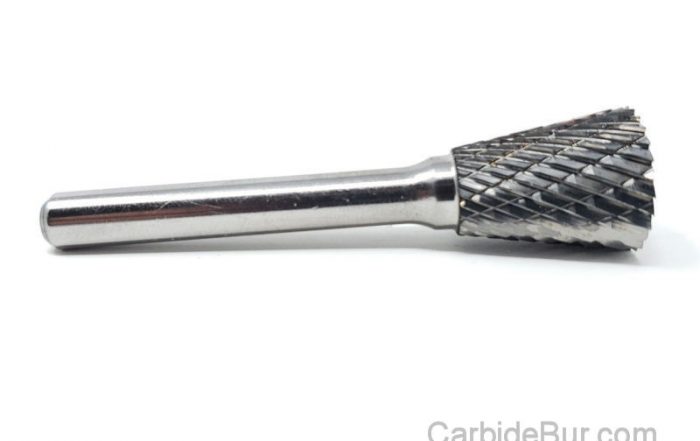
Carbide Burrs for Removing Rust: What Works Best?
Carbide Burrs for Removing Rust: What Works Best? Rust can turn your favorite tools into useless junk faster than you expect. Removing it without ruining the metal underneath takes more than just elbow grease—it demands [...]
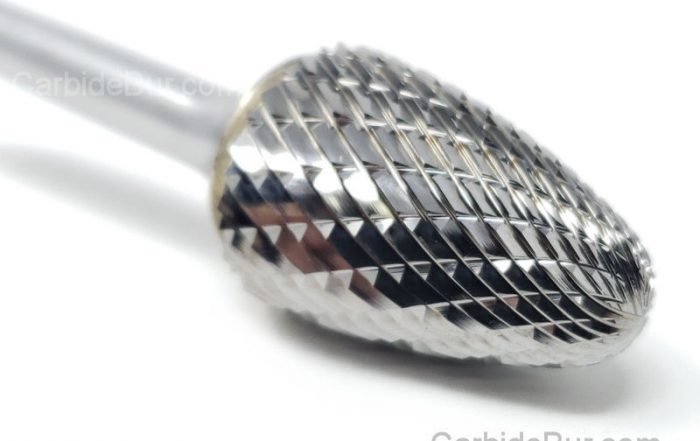
How Much Pressure Should You Use With a Carbide Burr?
How Much Pressure Should You Use With a Carbide Burr? Most people think pressing harder with a carbide burr speeds up the job. That’s not true—too much pressure wears out your tool and ruins the [...]
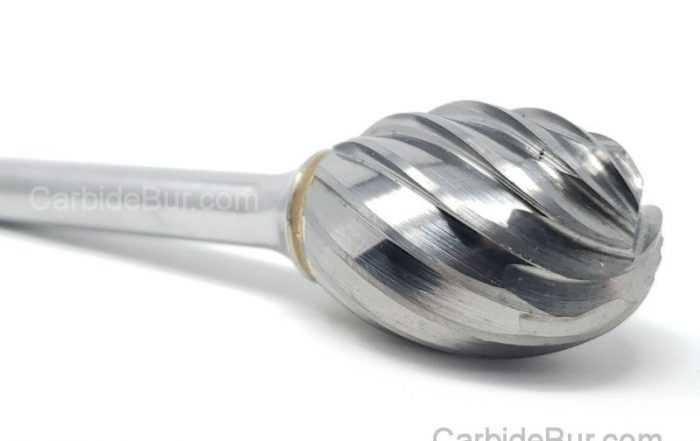
Can You Use Carbide Burrs With an Air Die Grinder?
Can You Use Carbide Burrs With an Air Die Grinder? Most people don’t realize how well carbide burrs work with air die grinders until they try them. If you’ve ever struggled with finding the right [...]
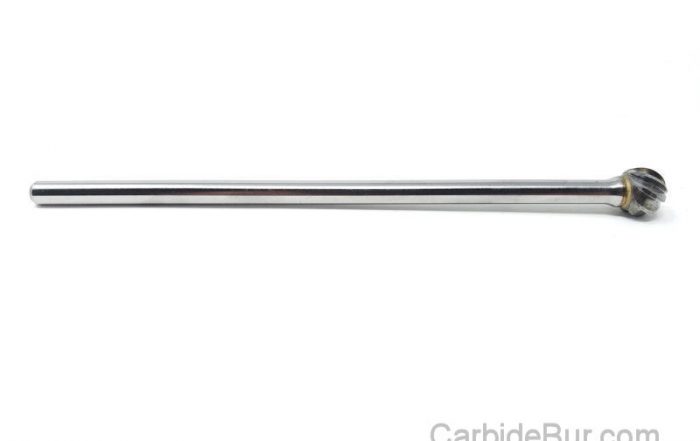
Best Long Reach Carbide Burr for Deep Metal Work
Best Long Reach Carbide Burr for Deep Metal Work Long reach carbide burrs often promise deep metal access, but many fall short where it counts most. You need a tool that cuts cleanly, lasts through [...]
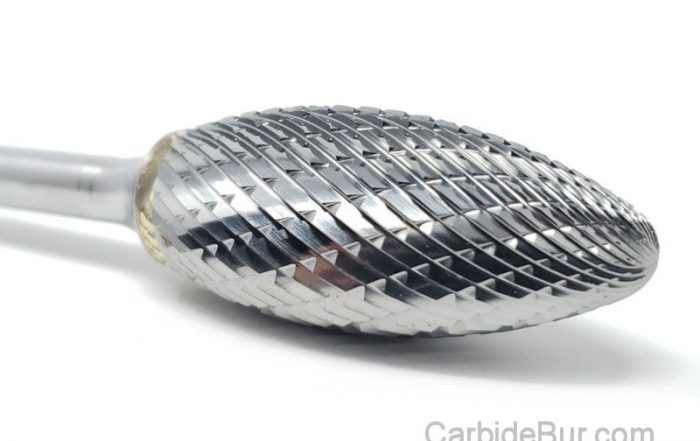
What RPM Should You Use for a 1/8 Inch Carbide Burr?
What RPM Should You Use for a 1/8 Inch Carbide Burr? Most people guess the right carbide burr RPM by feel—and waste hours redoing work. If you want cleaner cuts and longer tool life, your [...]
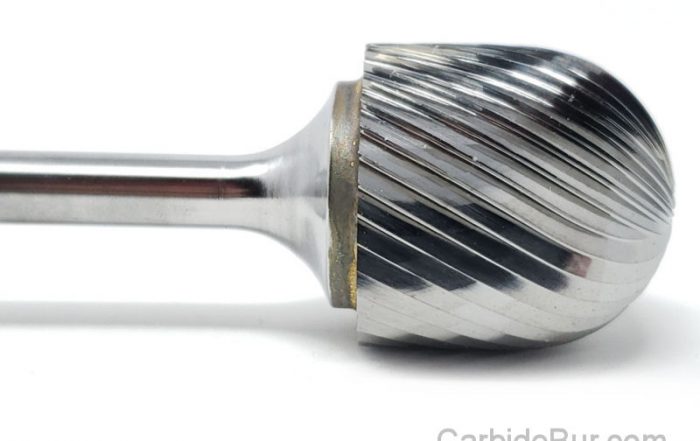
Carbide Burrs for Tight Spaces: Choosing the Right Shape
Carbide Burrs for Tight Spaces: Choosing the Right Shape Tackling tight spaces with the wrong carbide burrs wastes time and risks damaging your work. Choosing the right burr shape makes all the difference when working [...]
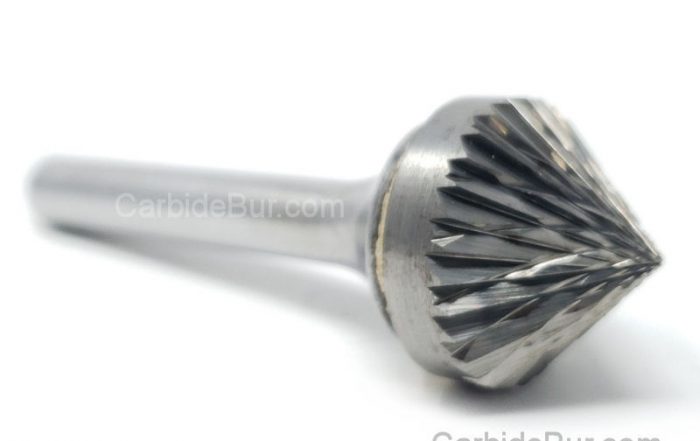
Can Carbide Burrs Remove Paint From Metal?
Can Carbide Burrs Remove Paint From Metal? Stripping paint from metal often feels like a tough chore that risks damaging the surface underneath. Many turn to carbide burrs hoping they can speed things up without [...]
How to Grind a Groove in Metal With a Carbide Burr
How to Grind a Groove in Metal With a Carbide Burr Most metalworkers struggle to cut clean grooves without wasting time or ruining their workpiece. Many try different metalworking tools but end up with uneven [...]
Can Carbide Burrs Cut Through Welds?
Can Carbide Burrs Cut Through Welds? Cutting through welds can feel like a battle, especially when you need clean results without harming the base metal. Carbide burrs offer a sharp edge in this fight, but [...]
How to Use a Carbide Burr With a Die Grinder
How to Use a Carbide Burr With a Die Grinder Most people treat a carbide burr like just another tool, but using it with a die grinder takes skill. If you’ve struggled with burr installation [...]
1/8 vs 1/4 Inch Carbide Burrs: What’s the Difference?
1/8 vs 1/4 Inch Carbide Burrs: What's the Difference? Choosing between a 1/8 inch carbide burr and a 1/4 inch carbide burr can change how your project turns out. Many machinists and hobbyists overlook how [...]

Best Carbide Burr for Removing Flash From Castings
Best Carbide Burr for Removing Flash From Castings Removing flash from castings is a task that can slow down your entire metalworking process if you don’t have the right tools. Picking the best carbide burr [...]