Carbide Burr vs. Grinding Wheel: Which Is Better for Metal?
Choosing the right metalworking tools can make or break your project, but picking between a carbide burr and a grinding wheel often leaves you stuck. Each tool offers different strengths when it comes to material removal and finish quality, and knowing which fits your machining projects saves time and frustration. This guide breaks down carbide burr pros and cons against grinding wheel pros and cons so you can make the best choice for your metalworking applications. Learn more here.
Understanding Metalworking Tools
Understanding the tools you use is crucial in metalworking. This section introduces the two primary tools at your disposal.
Carbide Burr Overview
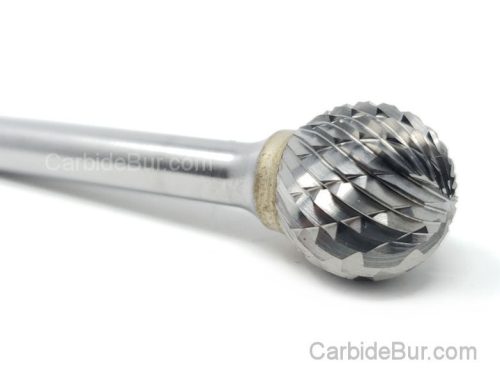
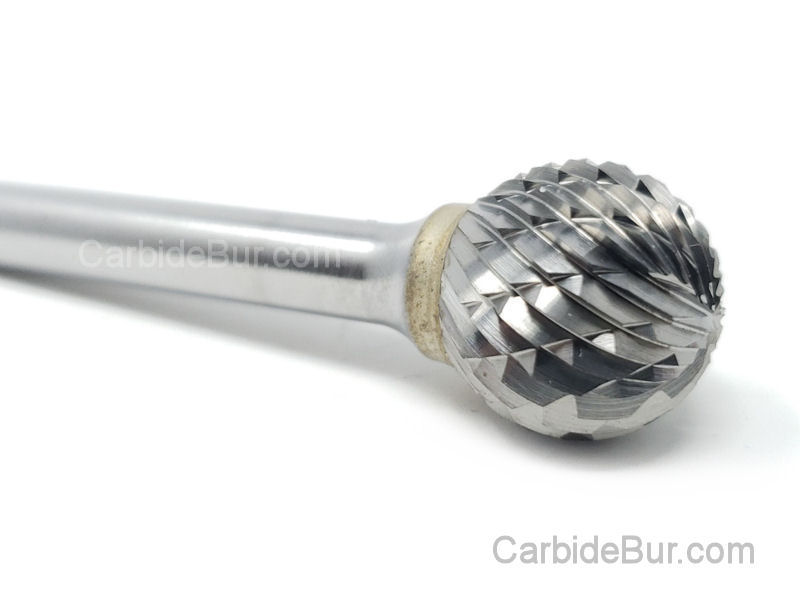
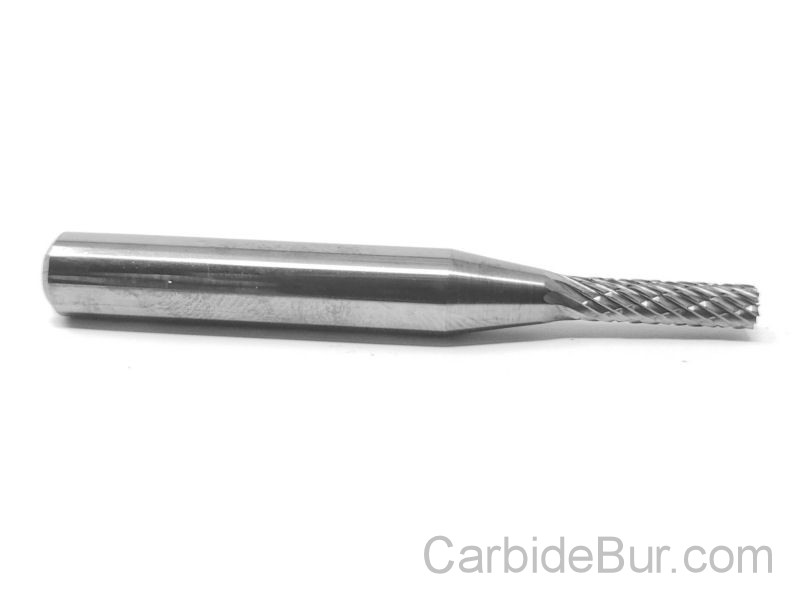
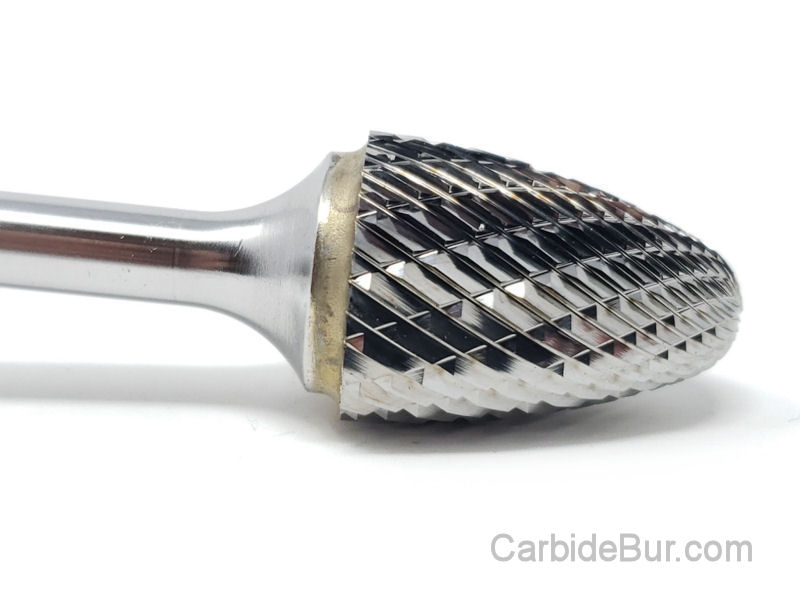
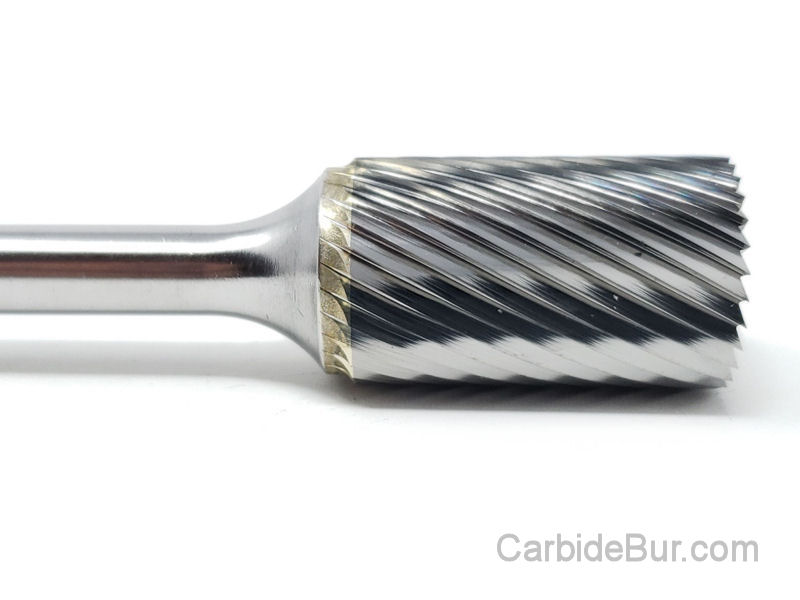
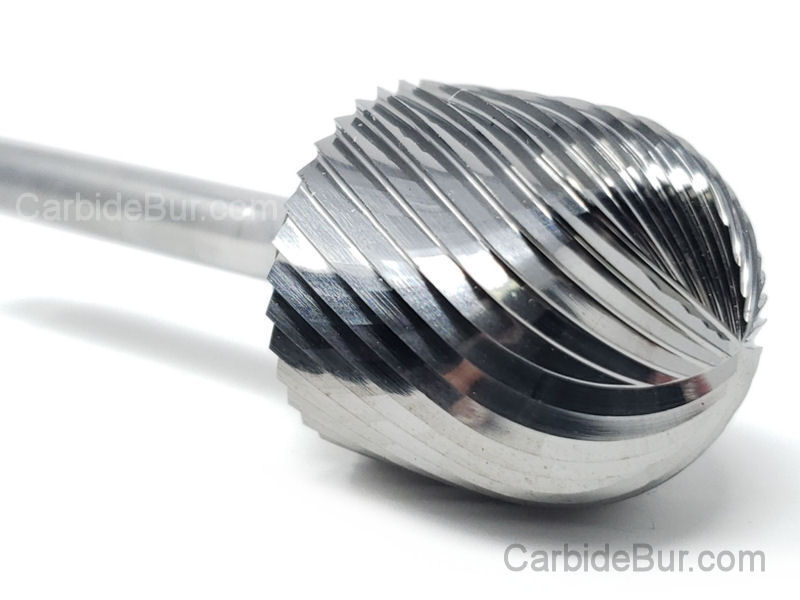
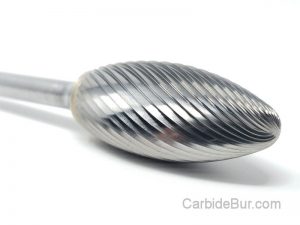
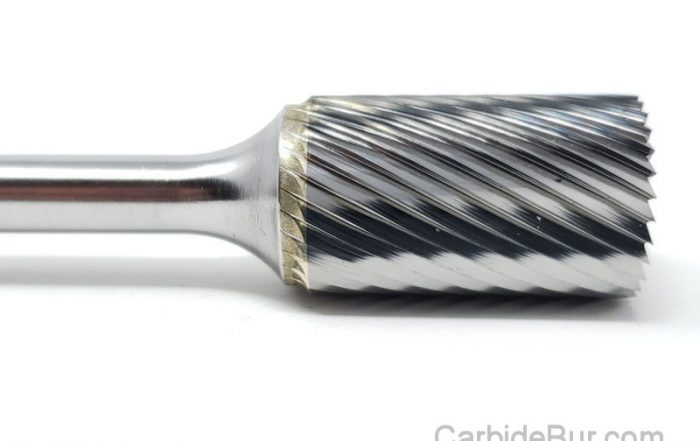
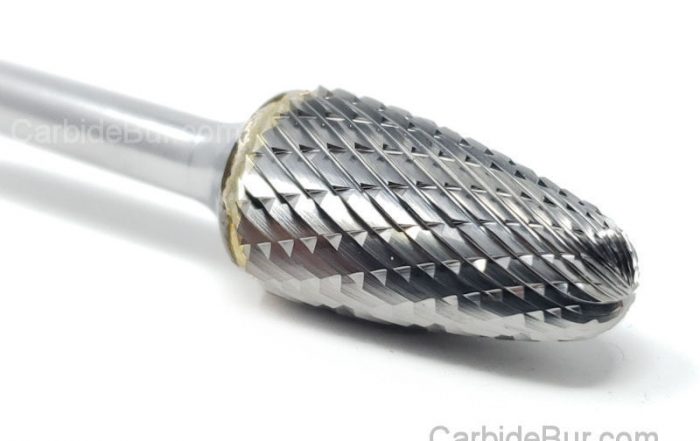
A carbide burr is a tool used for precise cutting, shaping, and grinding. It is favored for its durability and ability to handle tough materials. Whether you’re working with aluminum or steel, a carbide burr can swiftly shape and smooth edges. Because of its hardness, it wears down slower, providing a longer-lasting performance. Think of it as the sculptor’s chisel, perfect for detail work.
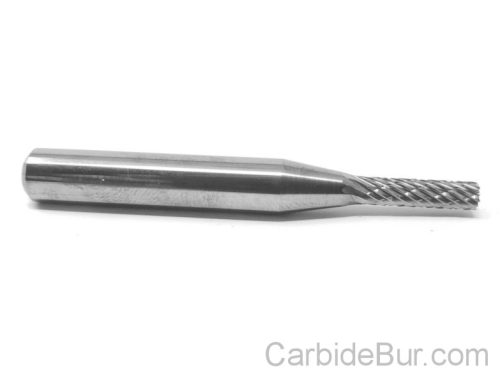
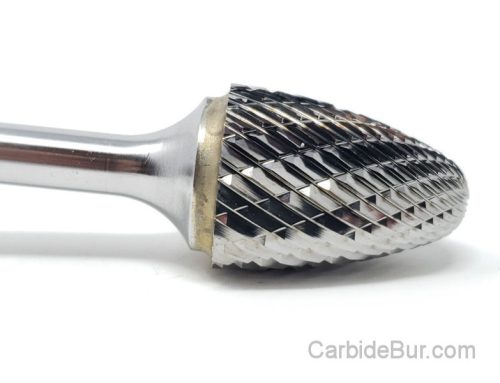
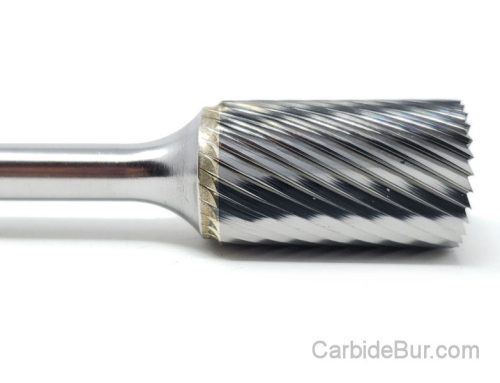
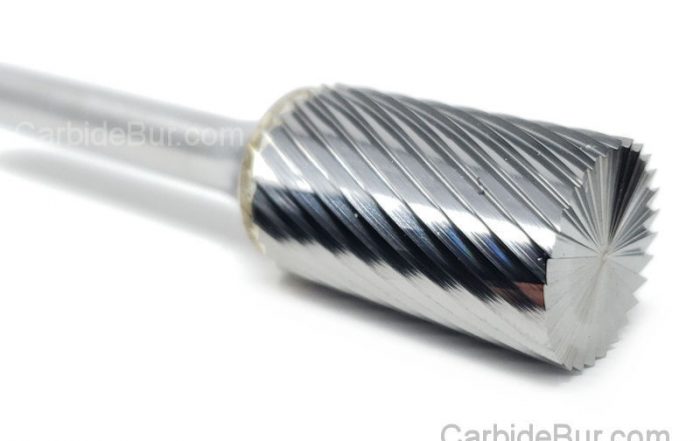
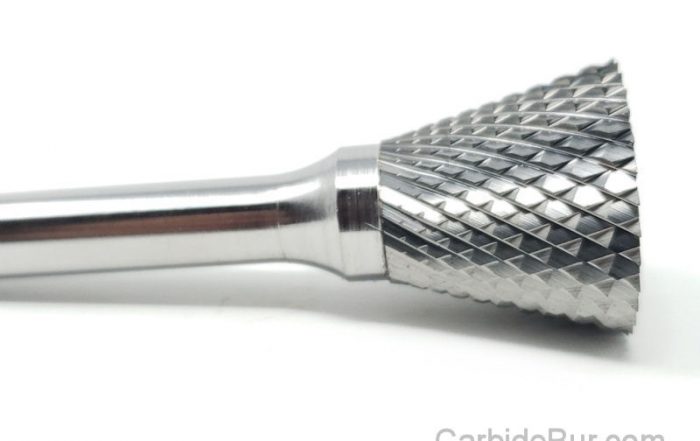
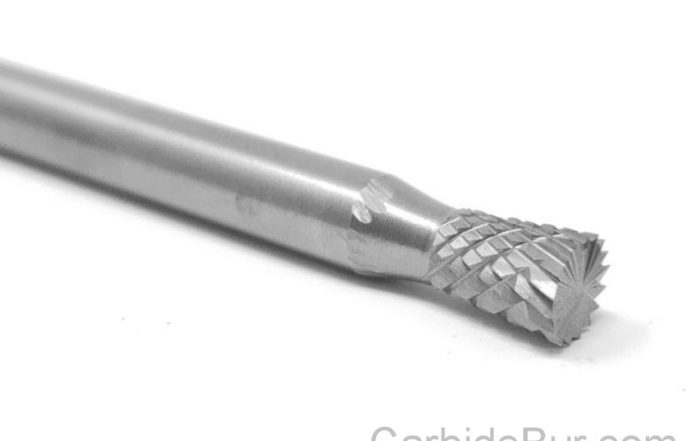
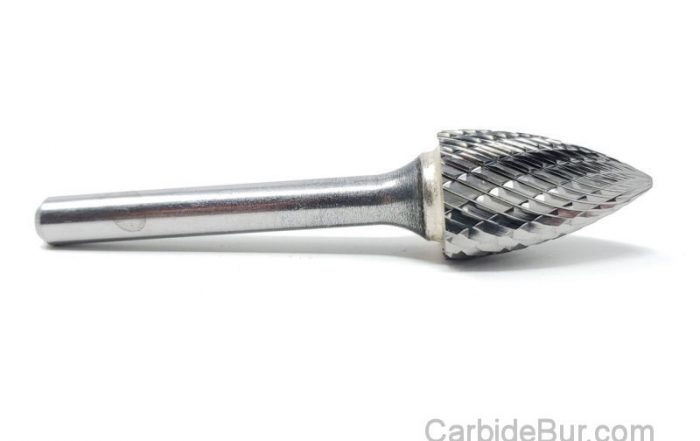
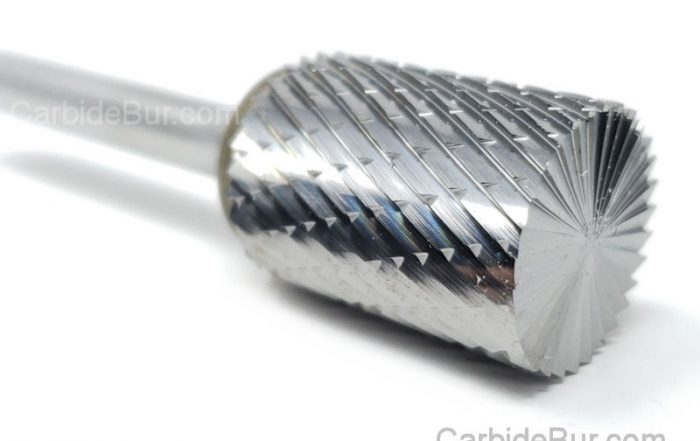
These tools come in various shapes and sizes, each designed for specific tasks. Cylindrical burrs are excellent for shaping flat surfaces, while conical ones can create intricate grooves. The best carbide burrs for aluminum offer efficiency in softer metals. Using the right shape ensures optimal results, preventing unnecessary wear on the tool and material.
Grinding Wheel Overview
A grinding wheel is the powerhouse in the metalworking world. It’s designed to remove significant amounts of material quickly, making it perfect for heavy-duty tasks. This tool uses abrasive grains to grind down surfaces and edges, ideal for preparing metal for further processing.
These wheels come in different materials and grit levels, allowing you to choose based on the project’s requirements. Coarser grits remove material faster, while finer ones provide a smoother finish. Grinding wheels are indispensable for large projects needing fast material removal. Their versatility makes them a staple in both professional and DIY settings, where speed and power are paramount.

Material Removal Rate
The rate at which a tool removes material affects efficiency and project timelines. Let’s explore how different tools perform in this area.
Speed and Efficiency
When it comes to speed, grinding wheels take the lead. These tools can quickly remove large amounts of material, making them ideal for tasks requiring significant shaping and reduction. They get the job done faster, especially on hard metals.
However, if precision is your goal, a carbide burr is the better choice. It may not match the grinding wheel’s speed, but it offers more control for intricate work. This tool excels in tight spaces where detail matters. See how carbide burrs perform in tight spaces.
Comparing Metal Types
Not all metals are alike, and choosing the right tool can depend on what you’re working with. Carbide burrs are versatile across various metals, from soft aluminum to tough steel. They provide precision without damaging delicate surfaces.
Grinding wheels, however, are best for harder metals where rapid material removal is needed. They excel in heavy-duty tasks, making them the go-to for robust materials. For softer metals, they might be overkill, potentially leading to unwanted material loss.
Finish Quality
The finish quality can make a difference in the final look of your project. Let’s see how these tools stack up in delivering a smooth, polished result.
Surface Smoothness
A carbide burr is a master of finesse. It can achieve a high-quality finish, smoothing surfaces without leaving marks. This is crucial for projects where appearance matters. The precision cutting minimizes rough edges, delivering a polished result.
In contrast, a grinding wheel is more about power than precision. While it rapidly removes material, it can leave a rougher finish. You may need additional steps to refine the surface, which can be time-consuming.
Edge Precision
When it comes to edge detail, carbide burrs shine. They provide clean, sharp edges that are hard to achieve with coarse tools. This makes them ideal for projects demanding intricate detail and craftsmanship.
Grinding wheels, while effective for reshaping edges, might not match a burr’s precision. They are better suited for bulk shaping rather than detailed edge work. For those intricate cuts, a burr is your best friend.
Versatility Across Metals
Flexibility in tool use can significantly impact your workflow. Here’s how each tool adapts to different projects.
Adapting to Different Projects
Carbide burrs offer adaptability across various tasks. From smoothing welds to shaping metal parts, their precision allows them to handle different materials with ease. They’re a go-to for projects that require a fine touch.
In contrast, a grinding wheel is more specialized. It excels in heavy-duty tasks and is less versatile for detailed work. For projects needing quick material removal, it’s irreplaceable. Knowing when to switch between these tools can save time and effort.
Tool Design Varieties
The design of a tool plays a huge role in its versatility. Carbide burrs come in numerous shapes and sizes, each catering to specific tasks. This variety allows you to pick the perfect tool for any job, providing flexibility in design.
Meanwhile, grinding wheels offer a range of materials and grit levels. Though less varied in shape, the choice of grit can fine-tune the wheel for specific projects. This selection is vital for achieving the desired finish.
Pros and Cons Comparison
Finally, let’s weigh the advantages and drawbacks of each tool to help you make an informed decision.
Carbide Burr Advantages and Drawbacks
Advantages:
-
Precision work on various metals
-
Long-lasting and durable
-
Versatile in design and application
Drawbacks:
-
Slower material removal compared to grinding wheels
-
May require more effort for large-scale projects
For more insights, explore the versatility of carbide burrs.
Grinding Wheel Strengths and Limitations
Strengths:
-
Rapid material removal, great for large tasks
-
Suitable for hard metals
-
High efficiency in industrial applications
Limitations:
-
Less precision, can leave a rough finish
-
Limited versatility for detailed projects
Frequently Asked Questions
What is the main difference between carbide burrs and grinding wheels?
Carbide burrs offer precision and versatility for detailed work, while grinding wheels are better for rapid material removal and large tasks.
Can carbide burrs be used on all metals?
Yes, carbide burrs can be used on a variety of metals, including aluminum and steel, due to their durability and precision.
Are grinding wheels suitable for finishing tasks?
Grinding wheels are not ideal for finishing tasks as they may leave a rough surface. Additional steps may be required to achieve a smooth finish.
Looking for Carbide Bur Tools?
Check out our entire selection of USA made carbide bur die grinder tool bits
Follow us on Twitter

Return to CarbideBur.com
Carbide Burs – 1/4″ on 1/8″ Shanks – Accessories – Aluminum Cut – Bur Sets – End Mills – Long Shank – Solid Burs
Carbide Burr vs. Grinding Stone: Which Is Better for Metal Removal?
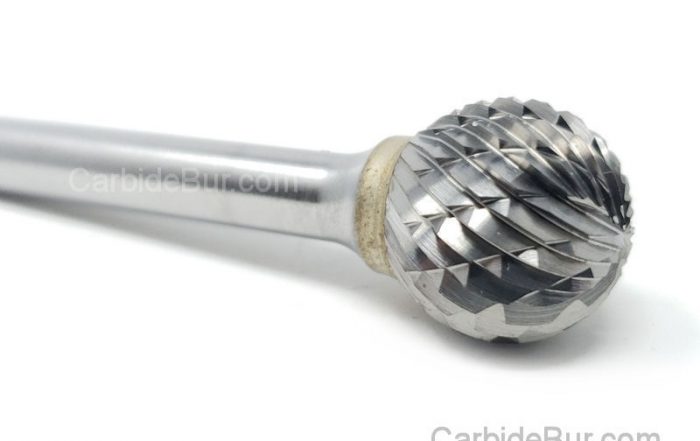
Carbide Burr vs. Grinding Stone: Which Is Better for Metal Removal? When you need to remove metal, smooth a rough edge, or shape a metal component, two common options are carbide burrs and grinding stones. [...]
Carbide Burr Safety: RPM, Eye Protection, and Common Mistakes
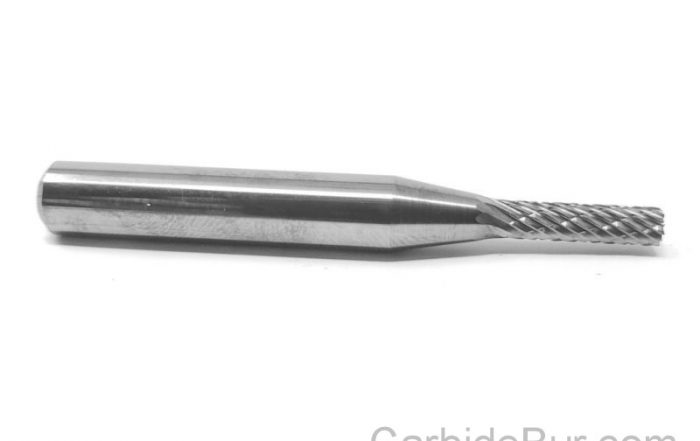
Carbide Burr Safety: RPM, Eye Protection, and Common Mistakes Carbide burrs are versatile cutting tools used for metal fabrication, welding cleanup, engine porting, deburring, and general material removal. When used correctly, they can help remove [...]
How to Stop Aluminum from Clogging Your Carbide Burr
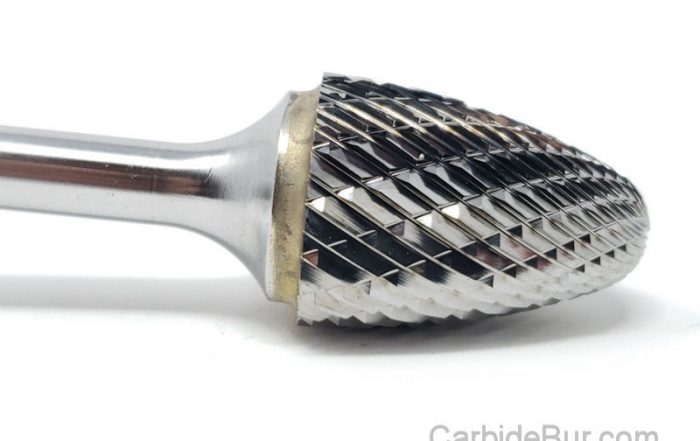
How to Stop Aluminum from Clogging Your Carbide Burr Aluminum is widely used in automotive work, welding, metal fabrication, aerospace components, and general machining. It is lightweight, relatively easy to machine, and versatile across many [...]
Carbide Burrs for Intake Manifolds: Shaping, Cleanup, and Fitment
Carbide Burrs for Intake Manifolds: Shaping, Cleanup, and Fitment Intake manifold work often involves more than simply bolting a component onto an engine. Depending on the application, metal intake components may have casting irregularities, rough [...]
Why Long-Shank Carbide Burrs Are Useful for Hard-to-Reach Areas
Why Long-Shank Carbide Burrs Are Useful for Hard-to-Reach Areas When working on metal parts, the area that needs grinding or shaping is not always easy to reach. Recessed openings, deep cavities, interior surfaces, and complicated [...]
Choosing Carbide Burrs for Stainless Steel Fabrication
Choosing Carbide Burrs for Stainless Steel Fabrication Stainless steel is widely used in fabrication because of its corrosion resistance, strength, and durability. However, those same properties can make it challenging to machine and finish. Removing [...]
Can You Use Carbide Burrs in a Dremel? Shank Sizes Explained
Can You Use Carbide Burrs in a Dremel? Shank Sizes Explained If you use a Dremel or another rotary tool for detail work, metal shaping, or small fabrication projects, you may wonder whether you can [...]
How to Choose the Best Carbide Burr for Welding and Metal Fabrication
How to Choose the Best Carbide Burr for Welding and Metal Fabrication Welding and metal fabrication often require more than joining two pieces of metal together. Once the welding is finished, fabricators frequently need to [...]
Carbide Burrs for Cylinder Heads: What Automotive Enthusiasts Need to Know
Carbide Burrs for Cylinder Heads: What Automotive Enthusiasts Need to Know Cylinder head work is an important part of engine building, restoration, and performance machining. Whether you are cleaning up casting imperfections, refining port surfaces, [...]
Engine Porting 101: How Carbide Burrs Help Shape Cylinder Head Ports
Engine Porting 101: How Carbide Burrs Help Shape Cylinder Head Ports Engine performance enthusiasts, automotive machinists, and engine builders often look for ways to improve airflow through an engine's cylinder heads. One technique used in [...]
When to Use a 4-Inch or 9-Inch Die Grinder Extension
When to Use a 4-Inch or 9-Inch Die Grinder Extension Metal fabrication, welding, automotive repair, and engine building often require working in places where a standard die grinder and carbide burr cannot easily reach. Recessed [...]
Why Buy USA-Made Carbide Burr Tools? What Buyers Should Compare
Why Buy USA-Made Carbide Burr Tools? What Buyers Should Compare When shopping for carbide burr tools, it's tempting to compare products based on price alone. However, professionals who use rotary cutting tools for welding, metal [...]