Engine Porting 101: How Carbide Burrs Help Shape Cylinder Head Ports
Engine performance enthusiasts, automotive machinists, and engine builders often look for ways to improve airflow through an engine’s cylinder heads. One technique used in engine building is porting, which involves carefully shaping the intake and exhaust passages to achieve the desired airflow characteristics.
A quality carbide burr for engine porting is an important tool for this type of work. Designed to cut metal with fluted cutting edges, carbide burrs allow users to remove material gradually, refine port contours, and reach areas that are difficult to access with larger tools.
Whether you’re working on an aluminum cylinder head, a cast-iron head, or another compatible engine component, choosing the right burr shape and using proper technique are essential for achieving consistent results.

Do you need a longer reach for your die grinder tool bits?
What Is Engine Porting?
Engine porting involves modifying the intake and exhaust ports in a cylinder head to influence how gases move through the engine.
Intake ports carry the air or air-fuel mixture into the combustion chamber, depending on the engine design. Exhaust ports carry combustion gases away from the cylinders.
The shape, cross-sectional area, surface transitions, and overall geometry of these passages influence airflow. Engine builders may modify selected areas to address casting irregularities, match ports to adjoining components, or achieve a particular airflow target.
However, bigger ports are not automatically better. Excessive enlargement can reduce air velocity, weaken material, or negatively affect engine performance. Successful porting requires an understanding of the engine’s design and the airflow characteristics being targeted.
Why Use a Carbide Burr for Engine Porting?
Cylinder head ports often contain curves, transitions, and recessed areas that require a tool capable of controlled material removal. Carbide burrs are useful because their cutting heads are available in different shapes and sizes.
A suitable burr can help with:
- Removing selected casting irregularities.
- Shaping accessible areas inside intake and exhaust ports.
- Refining transitions between adjoining surfaces.
- Blending contours where the engine design permits.
- Reaching recessed areas with an appropriate burr profile or compatible extended-reach tooling.
Carbide burrs are cutting tools rather than abrasive polishing stones. Their fluted edges remove metal as the tool rotates, making them useful for shaping and stock removal before any additional finishing work.
The right tool depends on the material, port geometry, equipment, and amount of material that needs to be removed.
Choosing the Right Carbide Burr Shape for Cylinder Head Porting
Different burr shapes serve different purposes. Selecting a profile that fits the port’s geometry helps improve access and control.
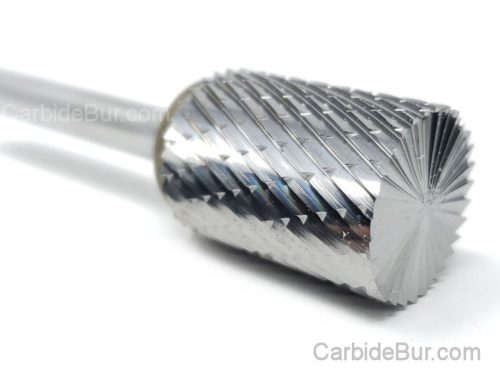
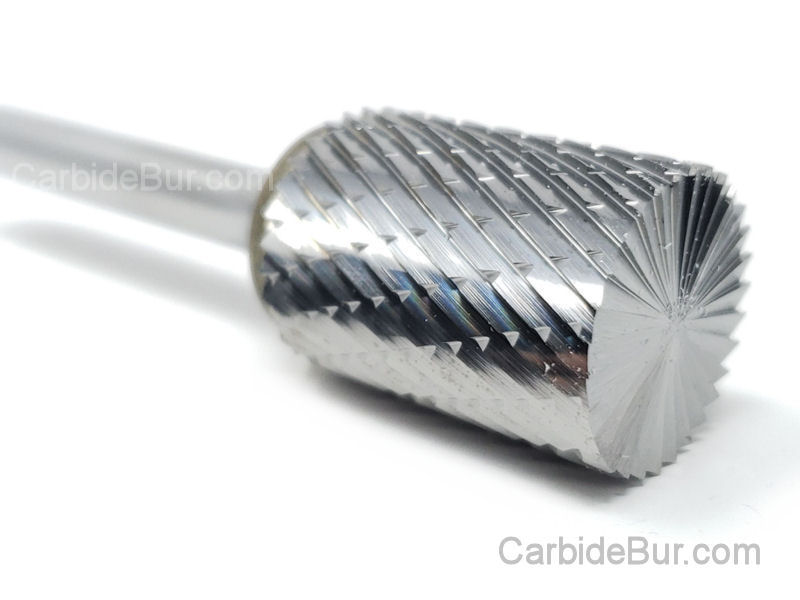
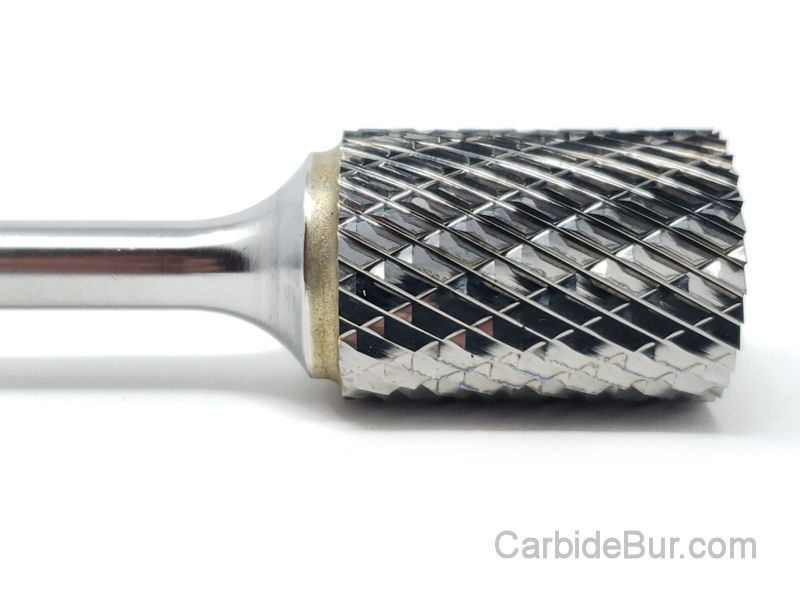
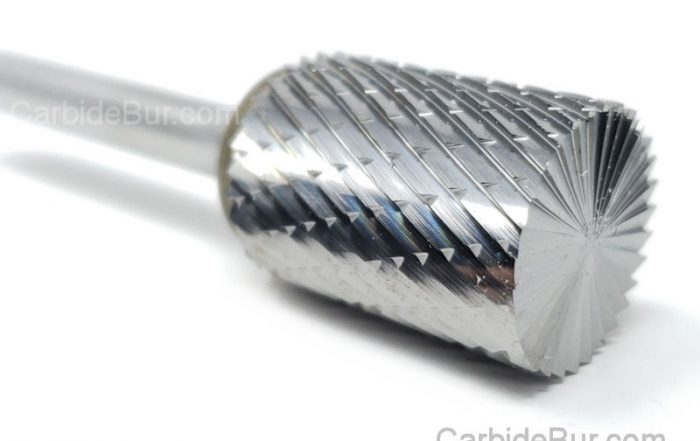
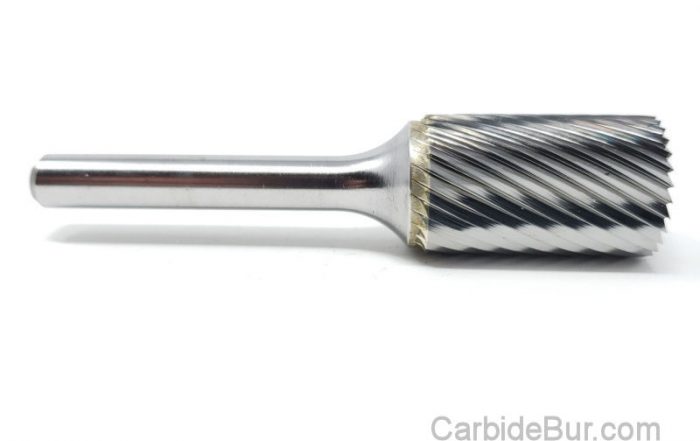
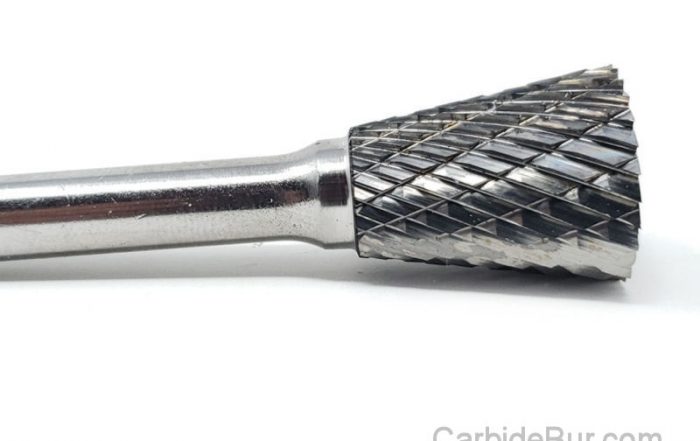
Cylindrical Carbide Burrs
Cylindrical burrs are useful for working on accessible surfaces, flattening selected high spots, and refining relatively straight sections of a port.
Depending on the head design, they may also help with port matching and removing material from areas where a flatter cutting surface is appropriate.
Use care around port openings, gasket surfaces, and other areas where maintaining the original dimensions is critical.
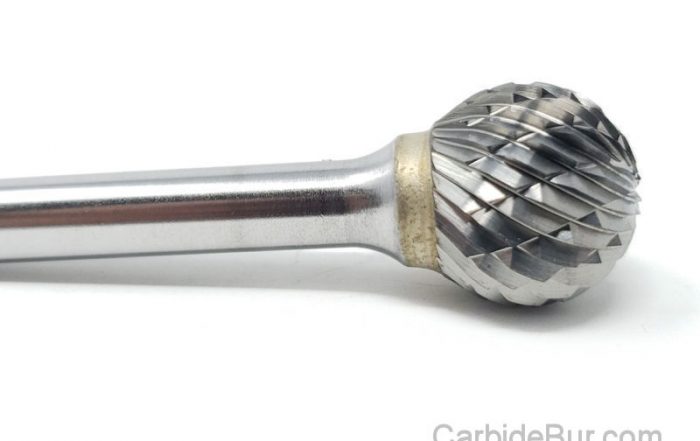
Ball-Shaped Carbide Burrs
Ball burrs are useful for curved surfaces, rounded transitions, and localized shaping.
Their rounded profiles can help when working on contours that would be difficult to reach with a flat-ended tool. They may be useful for certain areas of intake and exhaust passages, depending on the required shape.
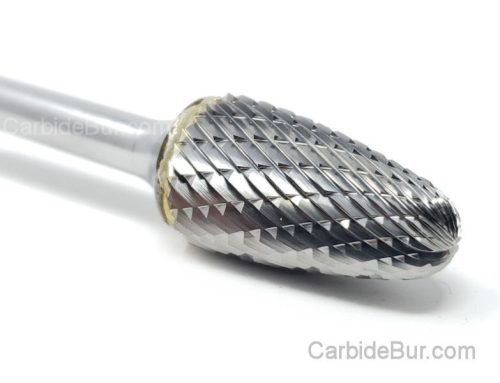
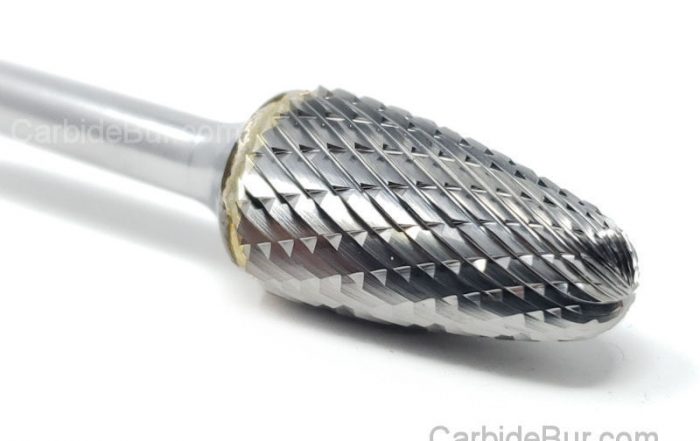
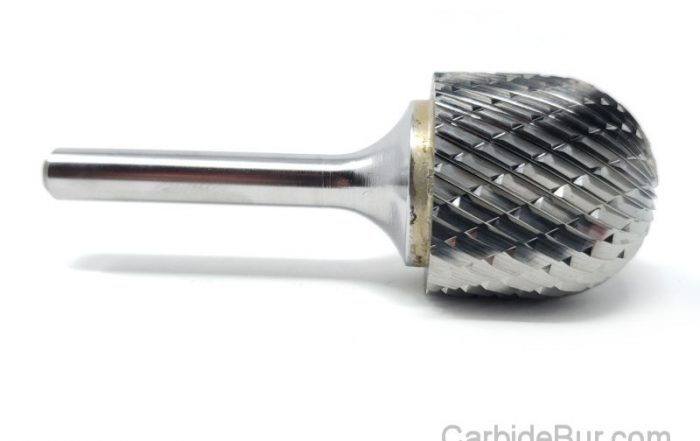
Oval Carbide Burrs
Oval burrs can help refine rounded contours and blend selected curved surfaces. They are worth considering when the port geometry requires a smooth transition rather than a flat surface.
Their profile can make them useful for detail work where maintaining a consistent contour is important.
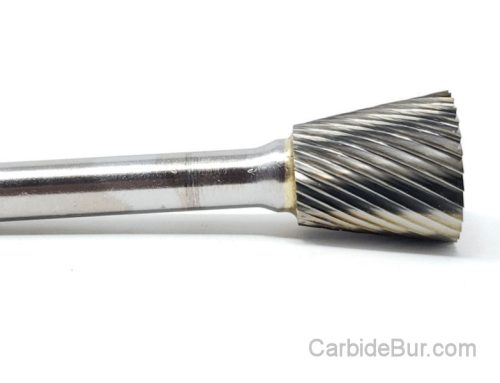
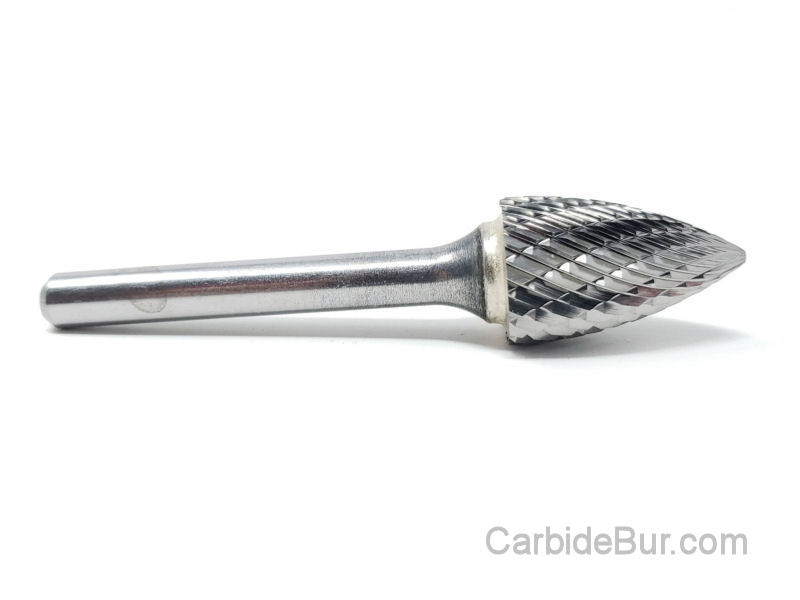
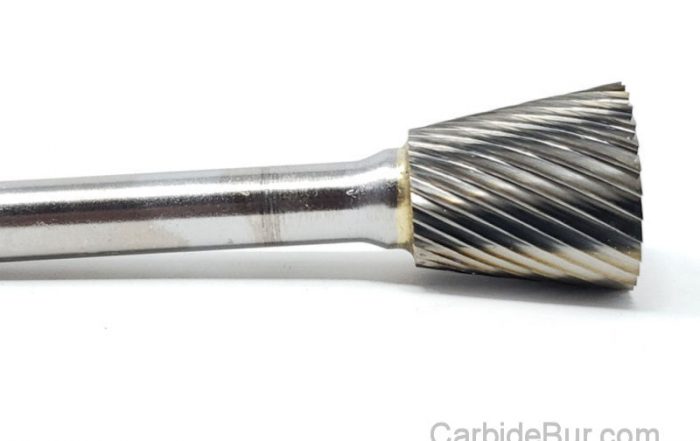
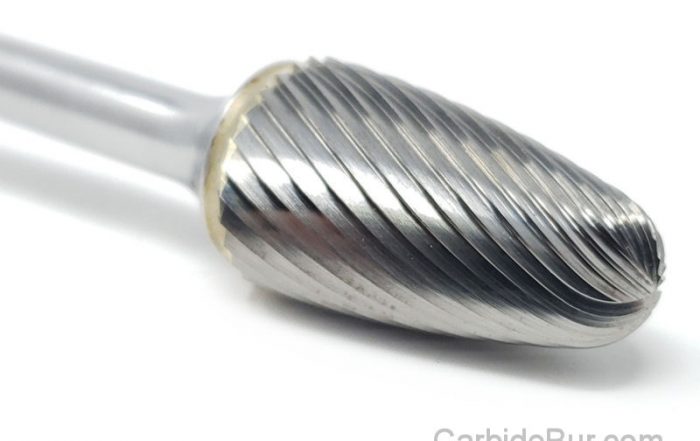
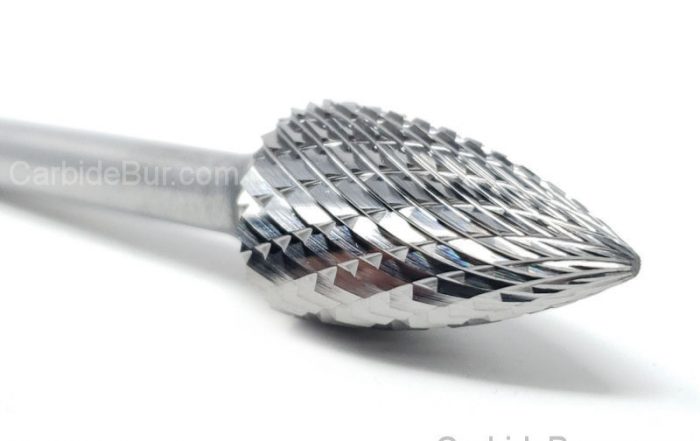
Tree-Shaped Carbide Burrs
Tree-shaped burrs have tapered profiles that can help reach certain corners, angled transitions, and narrow areas.
Depending on the head design, they may be useful for refining selected transitions or working around changes in port direction. Choose a profile that provides access without contacting nearby surfaces unintentionally.
Long-Reach Carbide Burrs and Extensions
Some cylinder head designs have deep or curved passages that are difficult to access with a standard-length tool.
A suitable long-reach burr or compatible die grinder extension may help reach recessed areas. However, additional reach also requires careful control because excessive side pressure, vibration, or an unsuitable setup can make the tool difficult to handle.
Always confirm compatibility and operating-speed ratings for the grinder, burr, and extension before use.
Carbide Burrs for Aluminum and Cast-Iron Cylinder Heads
Cylinder heads are commonly manufactured from aluminum alloys or cast iron. The material affects how you should approach porting and which cutting tool is appropriate.
Porting Aluminum Cylinder Heads
Aluminum is relatively soft and can accumulate on cutting flutes if the burr is not suited to the material. This buildup can reduce cutting efficiency and affect the quality of the work.
When working on aluminum, consider carbide burrs specifically designed for aluminum cutting. Suitable flute geometry, controlled pressure, and appropriate operating speed can help reduce loading.
Avoid forcing the tool into the metal. Inspect the burr regularly and clean it using an appropriate method recommended by the tool manufacturer.
Porting Cast-Iron Cylinder Heads
Cast iron has different cutting characteristics and can produce significant dust and debris during material removal.
Choose a burr appropriate for cast iron, use controlled passes, and take measures to contain and remove dust. Appropriate eye, face, and respiratory protection are important when working with these materials.
Regardless of the cylinder head material, the objective is controlled shaping rather than removing as much metal as possible.
Why You Should Remove Material Gradually
One of the most important principles of engine porting is to remove material gradually and check your progress frequently.
It is easy to remove metal, but replacing it is much more difficult. Excessive material removal can permanently change port geometry, weaken a casting, damage a sealing surface, or compromise an area surrounding a valve seat or water passage.
A careful approach includes the following practices:
1. Inspect the cylinder head before grinding. Identify the intended areas for modification and understand the casting’s limitations.
2. Establish your target geometry. Use appropriate measurements, templates, technical specifications, or professional porting guidance rather than relying on appearance alone.
3. Make light, controlled passes. Remove small amounts of material instead of applying excessive pressure or attempting to finish an area in one pass.
4. Check your progress frequently. Compare the work against your intended dimensions and inspect the surrounding material.
5. Protect critical surfaces. Avoid unintended contact with valve seats, gasket surfaces, and other precision features. These areas may require specialized machining equipment if correction becomes necessary.
6. Stop when the target is achieved. More material removal does not necessarily produce better airflow or more horsepower.
For serious performance builds, airflow testing and guidance from an experienced engine machinist can help determine whether a modification is beneficial.
Port Shape and Surface Consistency Matter
Engine porting is not simply a matter of making every surface as smooth as possible. Port geometry and the characteristics of the airflow are often more important than achieving a polished appearance.
Abrupt transitions, inconsistent contours, and unnecessary enlargement can affect airflow behavior. Depending on the engine and the port location, some surface texture may be acceptable or even preferable to an indiscriminate polishing process.
Carbide burrs can help establish the intended shape, but the final surface finish should be determined by the engine design and the requirements of the build.
If additional finishing is necessary, choose an appropriate abrasive or polishing method after the shaping work is complete.
Selecting a Carbide Burr for Your Engine-Building Toolkit
When choosing a carbide burr for engine porting, consider these factors before purchasing:
- Burr profile: Select cylindrical, ball, oval, or tapered shapes according to the areas you need to reach.
- Cutting style: Choose flute geometry suitable for the cylinder head material and the intended cutting operation.
- Shank size: Verify compatibility with your die grinder or rotary tool’s collet.
- Tool reach: Determine whether a standard-length burr provides sufficient access or whether a compatible extension is appropriate.
- Operating speed: Check the manufacturer’s limits for the burr, grinder, and extension.
- Material suitability: Use a burr designed for the metal being worked.
Having several suitable shapes available can be useful because cylinder head passages contain different contours and access requirements. A tool that works well on an accessible surface may not be the best choice for a narrow or curved section.
Why Quality Carbide Burrs Matter for Automotive Projects
Engine builders depend on tools that suit the job and allow controlled, repeatable material removal. When comparing carbide burrs, consider the manufacturing origin, product specifications, cutting geometry, available shapes, and suitability for your intended application.
For buyers who prefer American-made tooling, choosing a supplier that clearly identifies its products’ country of origin can help inform purchasing decisions.
At CarbideBurr.net, you can explore USA-made carbide burr tools for automotive projects, metal shaping, and other precision material-removal applications. Different burr profiles can help address a range of port shapes and access requirements.
Selecting appropriate tooling for the task can make it easier to work methodically while preserving important engine components.
Find the Right Carbide Burr for Engine Porting
Engine porting requires patience, an understanding of airflow, and careful control over material removal. The right carbide burr can help you shape selected intake and exhaust port surfaces, refine contours, and reach difficult areas without relying on a tool that is poorly suited to the geometry.
Choose a suitable burr profile, verify that the shank fits your equipment, and follow the manufacturer’s operating and safety instructions. Most importantly, remove material gradually and protect critical sealing surfaces, valve-seat areas, and the structural integrity of the cylinder head.
If you’re preparing for an automotive machining or engine-building project, explore the USA-made carbide burr tools at CarbideBurr.net to find suitable shapes for metal shaping and precision grinding.
The right tools, combined with a sound porting plan and careful technique, can help you approach your next cylinder-head project with greater confidence.
Looking for Carbide Bur Tools?
Check out our entire selection of USA made carbide bur die grinder tool bits
Follow us on Twitter

Return to CarbideBur.com
Carbide Burs – 1/4″ on 1/8″ Shanks – Accessories – Aluminum Cut – Bur Sets – End Mills – Long Shank – Solid Burs
Engine Porting 101: How Carbide Burrs Help Shape Cylinder Head Ports
Engine Porting 101: How Carbide Burrs Help Shape Cylinder Head Ports Engine performance enthusiasts, automotive machinists, and engine builders often look for ways to improve airflow through an engine's cylinder heads. One technique used in [...]
When to Use a 4-Inch or 9-Inch Die Grinder Extension
When to Use a 4-Inch or 9-Inch Die Grinder Extension Metal fabrication, welding, automotive repair, and engine building often require working in places where a standard die grinder and carbide burr cannot easily reach. Recessed [...]
Why Buy USA-Made Carbide Burr Tools? What Buyers Should Compare
Why Buy USA-Made Carbide Burr Tools? What Buyers Should Compare When shopping for carbide burr tools, it's tempting to compare products based on price alone. However, professionals who use rotary cutting tools for welding, metal [...]
How to Use 1/8-Inch Rotary Bits with a Die Grinder
How to Use 1/8-Inch Rotary Bits with a Die Grinder Die grinders are popular tools for metalworking, fabrication, deburring, and precision material removal. However, many die grinders use a 1/4-inch collet, while smaller rotary tools [...]

Can You Use a Carbide Burr With an Electric Die Grinder?
Can You Use a Carbide Burr With an Electric Die Grinder? Most people don’t realize how much a carbide burr can change the way an electric die grinder works. Using the right burr type can [...]
How to Deburr Holes With a Carbide Burr
How to Deburr Holes With a Carbide Burr Most people think any tool will do for deburring holes. The truth is, using the right carbide burr with the correct size and shape changes everything. In [...]
How to Choose the Correct Carbide Burr Shank Size
How to Choose the Correct Carbide Burr Shank Size Many machinists lose hours troubleshooting tool issues caused by the wrong carbide burr shank size. Using a shank that doesn’t fit your grinder can lead to [...]
How to Remove Casting Flash With a Carbide Burr
How to Remove Casting Flash With a Carbide Burr Casting flash ruins the look and fit of your metal parts. You’ve tried sanding or grinding, but the results aren’t clean or fast enough. Learning how [...]
Best Carbide Burr for Enlarging a Hole in Metal
Best Carbide Burr for Enlarging a Hole in Metal When you need to enlarge a hole in metal, grabbing the wrong carbide burr can turn a simple task into a frustrating mess. Picking the best [...]
Carbide Burr Safety: 15 Mistakes That Can Cause Injury or Damage
Carbide Burr Safety: 15 Mistakes That Can Cause Injury or Damage Carbide burr safety is often overlooked until a costly mistake happens. Many metalworkers and DIYers make the same errors that lead to injuries or [...]
Can You Use a Carbide Burr in a Drill?
Can You Use a Carbide Burr in a Drill? Most people think a standard drill can’t handle a carbide burr, but that’s not true. Using carbide burr in the right drill can speed up your [...]
Carbide Burrs for Removing Rust: What Works Best?
Carbide Burrs for Removing Rust: What Works Best? Rust can turn your favorite tools into useless junk faster than you expect. Removing it without ruining the metal underneath takes more than just elbow grease—it demands [...]