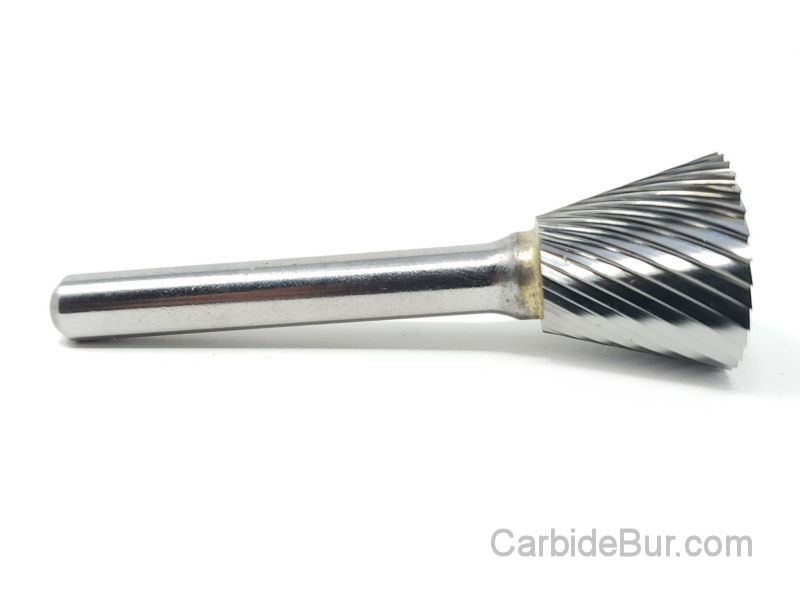
Can You Use Carbide Burrs in a Dremel? Shank Sizes Explained
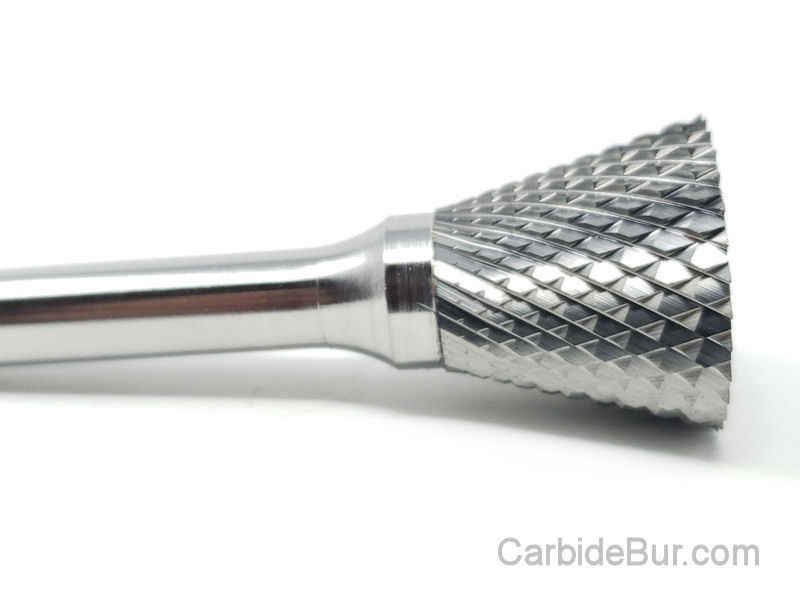
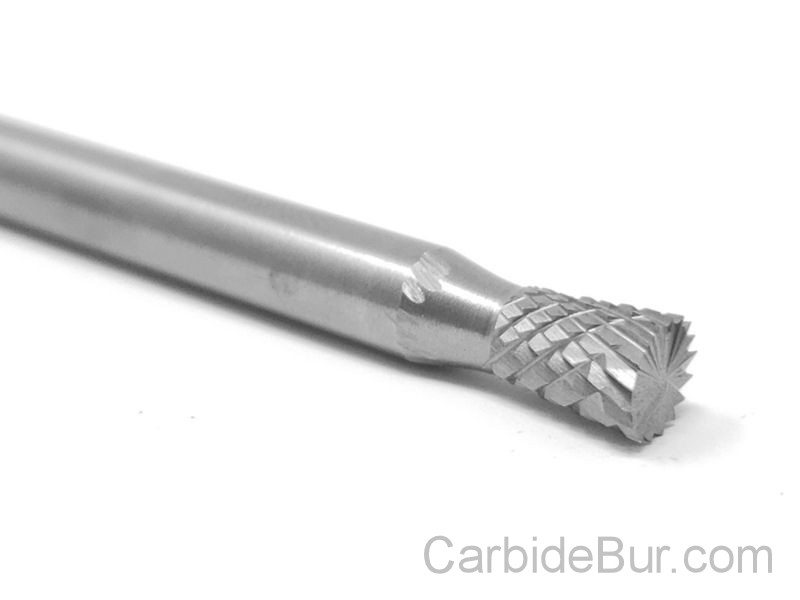
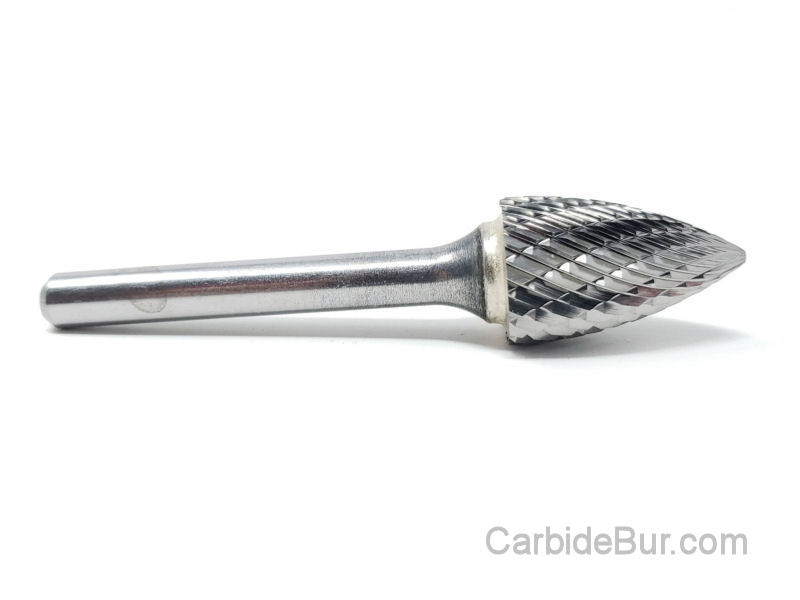
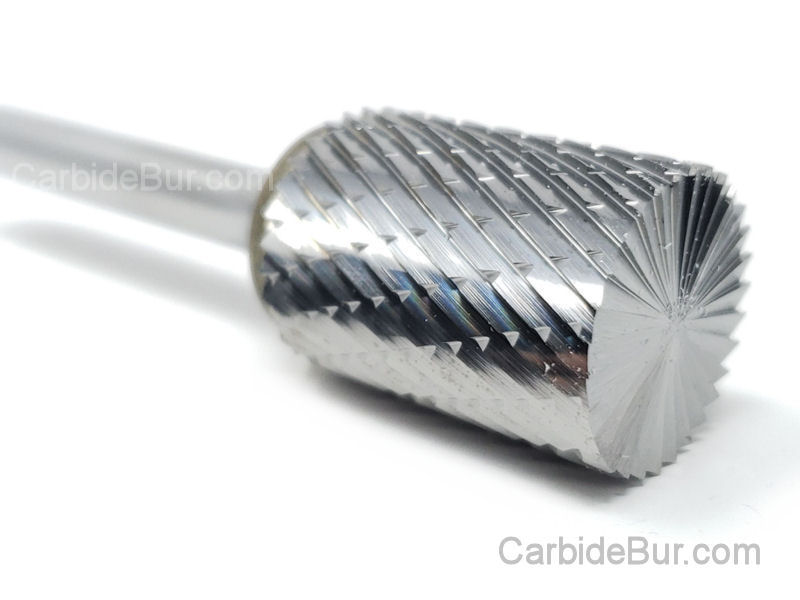
If you use a Dremel or another rotary tool for detail work, metal shaping, or small fabrication projects, you may wonder whether you can use carbide burrs instead of traditional sanding drums or grinding stones. The answer is yes, provided you choose a burr with the correct shank size and make sure it is compatible with your tool.
A carbide burr for Dremel applications can help with removing material, smoothing rough edges, shaping metal, and reaching areas where larger grinding tools may be difficult to control. However, not every carbide burr fits every rotary tool. Understanding shank sizes is essential for choosing the right accessory and using it safely.

Do you need a longer reach for your die grinder tool bits?
What Is the Difference Between a 1/8-Inch Shank and a Die Grinder Shank?
The shank is the smooth portion of a rotary accessory that fits into the tool’s collet or chuck. Its diameter determines whether the accessory can be secured correctly.
1/8-Inch Shank Carbide Burrs
Many Dremel rotary tools use accessories with a 1/8-inch shank. This size is popular for detail work because it is compatible with many small rotary tools equipped with the appropriate collet or chuck.
A 1/8-inch shank carbide burr can be useful for:
- Removing small amounts of metal during detail work
- Smoothing rough edges and imperfections
- Shaping metal components
- Working on small fabrication projects
- Reaching tight areas where a larger tool may be cumbersome
- Performing precision work on compatible materials
Always check your rotary tool’s manual to confirm the supported shank sizes and operating speeds before installing a carbide burr.
Larger Shanks Used in Die Grinders
Pneumatic and electric die grinders commonly use larger-shank accessories, including 1/4-inch shanks. These accessories are designed for compatible die grinders and should not automatically be assumed to fit a Dremel.
A 1/4-inch shank is twice the diameter of a 1/8-inch shank. It will not fit into a standard 1/8-inch collet unless the tool has a specifically approved compatible holding system.
Larger-shank carbide burrs are frequently used for metal fabrication, weld cleanup, casting work, and other demanding grinding applications with suitable die grinders.
The important distinction: Choose the shank size for your tool, not simply the burr shape or cutting style you prefer.
How to Check Whether a Carbide Burr Fits Your Dremel
Before purchasing a carbide burr, take a moment to verify compatibility.
1. Check your rotary tool’s specifications.
Look up the model number and confirm the supported accessory shank diameters. Many Dremel tools accept 1/8-inch accessories, but you should verify the specifications for your particular model.
2. Check the collet size.
The collet holds the accessory in place. Its size must match the shank diameter, unless the manufacturer specifies another compatible holding system. A collet that is too large or too small will not secure the accessory correctly.
3. Confirm the accessory’s maximum operating speed.
Rotary tools can operate at high RPM. Check that the carbide burr is rated for the speed of your tool, and follow the accessory manufacturer’s instructions.
4. Make sure the burr is securely held.
Insert the shank to the depth specified by the tool manufacturer, tighten the collet correctly, and inspect the setup before switching on the tool. Never operate a burr that wobbles, slips, or appears damaged.
Why You Should Never Force an Oversized Carbide Burr Into a Dremel
Trying to install a larger-shank burr in an incompatible rotary tool is unsafe. Never force the shank into the collet, grind down the shank to make it fit, or rely on an improvised adapter that has not been approved for the application.
An incorrectly secured accessory can slip, vibrate excessively, or come loose during operation. The wrong accessory may also exceed the tool’s speed or power limitations.
If you have a 1/4-inch carbide burr intended for a die grinder, use it with a compatible die grinder and properly sized collet. If you want to work with a Dremel, choose a carbide burr with a compatible 1/8-inch shank instead.
How to Choose the Right Carbide Burr for Dremel Projects
Once you have confirmed the shank size, consider the job you need to complete.
- For detailed shaping: Choose a burr profile that lets you reach the target area without removing more material than necessary.
- For smoothing rough metal: Select a suitable cutting profile and work gradually, checking your progress frequently.
- For tight or recessed areas: Consider the burr’s overall length and shape, while maintaining adequate control and clearance.
- For aluminum: Look for a burr designed for aluminum, since appropriate flute geometry can help reduce material buildup and clogging.
- For general metalworking: Match the burr’s cutting style and material compatibility to the job rather than assuming one burr is suitable for every metal.
Use light, controlled pressure and avoid forcing the accessory into the workpiece. Excessive pressure can increase heat, damage the cutting edges, and make the tool harder to control.
Always wear suitable eye protection, secure the workpiece, keep loose clothing and hair away from rotating equipment, and follow the safety instructions for both the rotary tool and the burr.
Shop 1/8-Inch Shank Carbide Burrs at CarbideBurr.net
If you want the cutting performance of a carbide burr for smaller rotary-tool projects, start by choosing an accessory with a shank that matches your equipment.
At CarbideBurr.net, you can explore USA-made carbide burr tools for metalworking applications. Our 1/8-inch shank carbide burrs are an option for users whose rotary tools accept that size, including compatible Dremel-style tools.
Before ordering, confirm the shank diameter, cutting profile, material suitability, and operating-speed requirements for your specific tool.
Choose the right shank, match the burr to your project, and work with greater confidence. Visit CarbideBurr.net to explore our carbide burr selection and find a tool suited to your application.
Looking for Carbide Bur Tools?
Check out our entire selection of USA made carbide bur die grinder tool bits
Follow us on Twitter

Return to CarbideBur.com
Carbide Burs – 1/4″ on 1/8″ Shanks – Accessories – Aluminum Cut – Bur Sets – End Mills – Long Shank – Solid Burs
Can You Use Carbide Burrs in a Dremel? Shank Sizes Explained
Can You Use Carbide Burrs in a Dremel? Shank Sizes Explained If you use a Dremel or another rotary tool for detail work, metal shaping, or small fabrication projects, you may wonder whether you can [...]
How to Choose the Best Carbide Burr for Welding and Metal Fabrication
How to Choose the Best Carbide Burr for Welding and Metal Fabrication Welding and metal fabrication often require more than joining two pieces of metal together. Once the welding is finished, fabricators frequently need to [...]
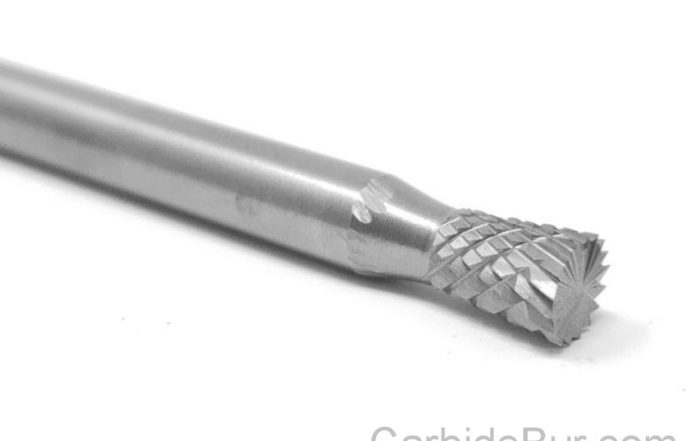
Carbide Burrs for Cylinder Heads: What Automotive Enthusiasts Need to Know
Carbide Burrs for Cylinder Heads: What Automotive Enthusiasts Need to Know Cylinder head work is an important part of engine building, restoration, and performance machining. Whether you are cleaning up casting imperfections, refining port surfaces, [...]
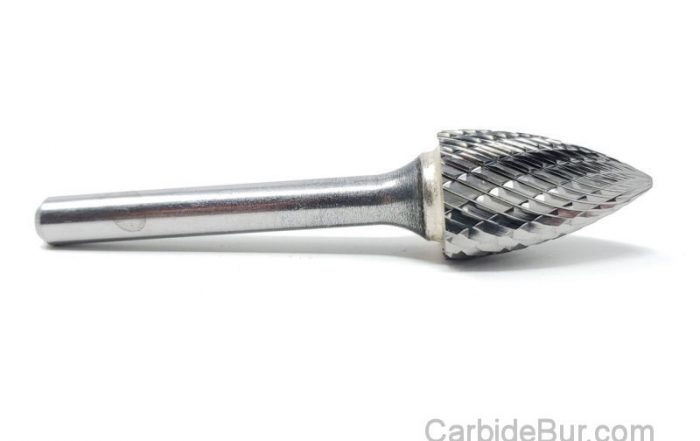
Engine Porting 101: How Carbide Burrs Help Shape Cylinder Head Ports
Engine Porting 101: How Carbide Burrs Help Shape Cylinder Head Ports Engine performance enthusiasts, automotive machinists, and engine builders often look for ways to improve airflow through an engine's cylinder heads. One technique used in [...]
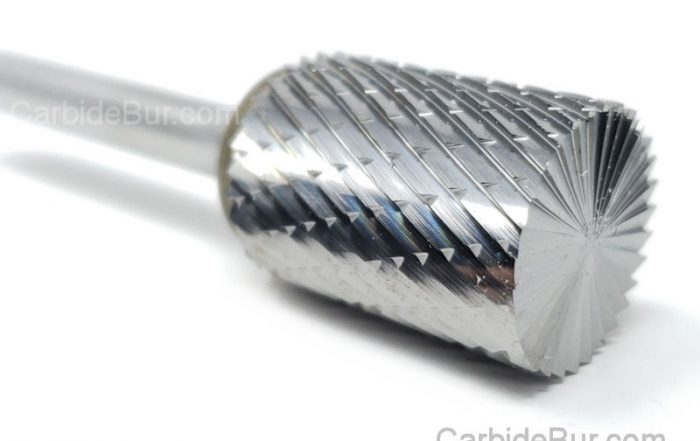
When to Use a 4-Inch or 9-Inch Die Grinder Extension
When to Use a 4-Inch or 9-Inch Die Grinder Extension Metal fabrication, welding, automotive repair, and engine building often require working in places where a standard die grinder and carbide burr cannot easily reach. Recessed [...]
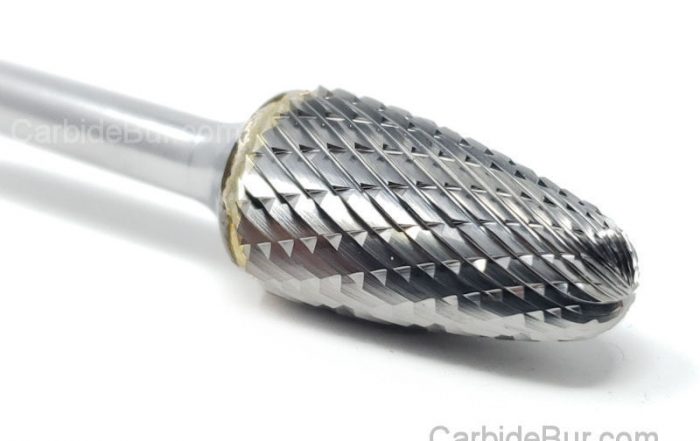
Why Buy USA-Made Carbide Burr Tools? What Buyers Should Compare
Why Buy USA-Made Carbide Burr Tools? What Buyers Should Compare When shopping for carbide burr tools, it's tempting to compare products based on price alone. However, professionals who use rotary cutting tools for welding, metal [...]
How to Use 1/8-Inch Rotary Bits with a Die Grinder
How to Use 1/8-Inch Rotary Bits with a Die Grinder Die grinders are popular tools for metalworking, fabrication, deburring, and precision material removal. However, many die grinders use a 1/4-inch collet, while smaller rotary tools [...]

Can You Use a Carbide Burr With an Electric Die Grinder?
Can You Use a Carbide Burr With an Electric Die Grinder? Most people don’t realize how much a carbide burr can change the way an electric die grinder works. Using the right burr type can [...]
How to Deburr Holes With a Carbide Burr
How to Deburr Holes With a Carbide Burr Most people think any tool will do for deburring holes. The truth is, using the right carbide burr with the correct size and shape changes everything. In [...]
How to Choose the Correct Carbide Burr Shank Size
How to Choose the Correct Carbide Burr Shank Size Many machinists lose hours troubleshooting tool issues caused by the wrong carbide burr shank size. Using a shank that doesn’t fit your grinder can lead to [...]
How to Remove Casting Flash With a Carbide Burr
How to Remove Casting Flash With a Carbide Burr Casting flash ruins the look and fit of your metal parts. You’ve tried sanding or grinding, but the results aren’t clean or fast enough. Learning how [...]
Best Carbide Burr for Enlarging a Hole in Metal
Best Carbide Burr for Enlarging a Hole in Metal When you need to enlarge a hole in metal, grabbing the wrong carbide burr can turn a simple task into a frustrating mess. Picking the best [...]