Carbide Burr vs. HSS: Which Cutting Tool Is Better?
Choosing the right cutting tool can make or break your project’s success. When it comes to carbide burrs and HSS cutting tools, knowing their strengths and limits saves time and money. This cutting tool comparison breaks down material properties, cutting performance, wear resistance, and cost, so you can pick the best cutting tool for your machining materials and boost your tool life. Keep reading to make smarter choices that fit your needs. Explore more about carbide burrs.
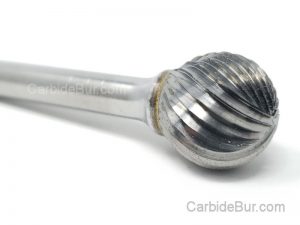
Understanding Carbide Burrs
When you think about precision and durability, carbide burrs often stand out. Let’s explore what makes them a top choice.
Material Properties of Carbide Burrs
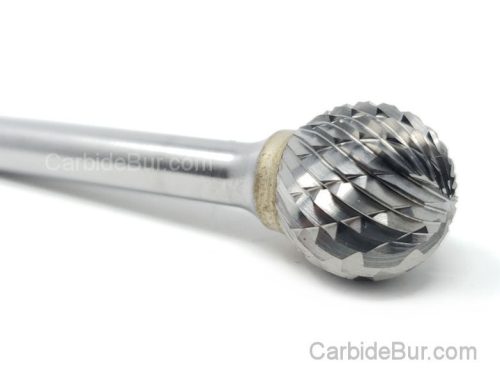
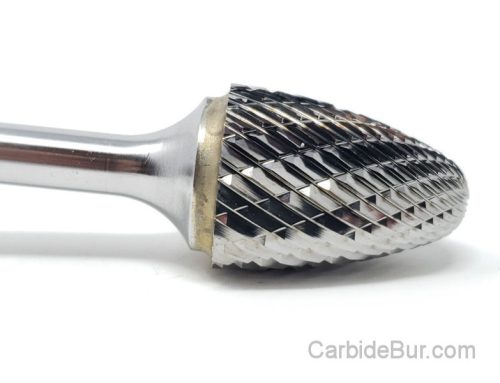
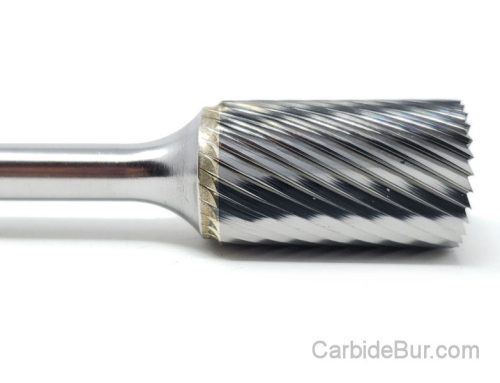
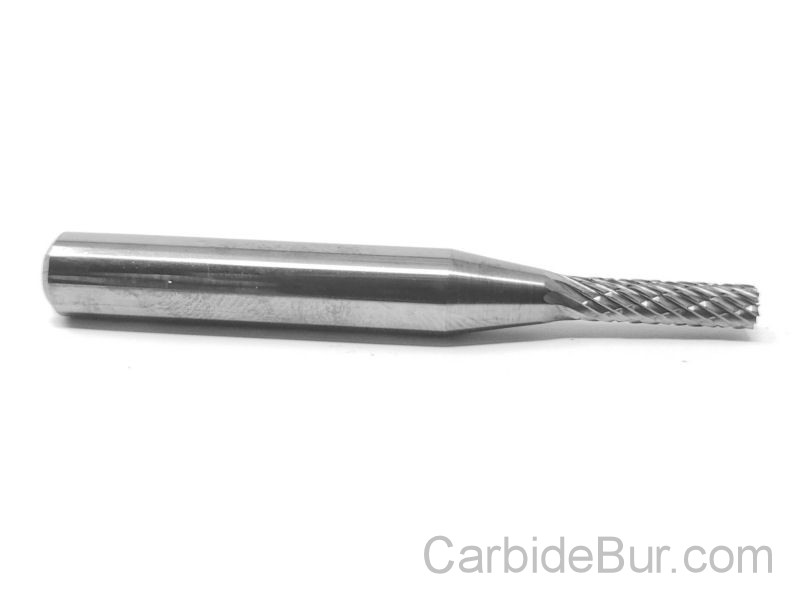
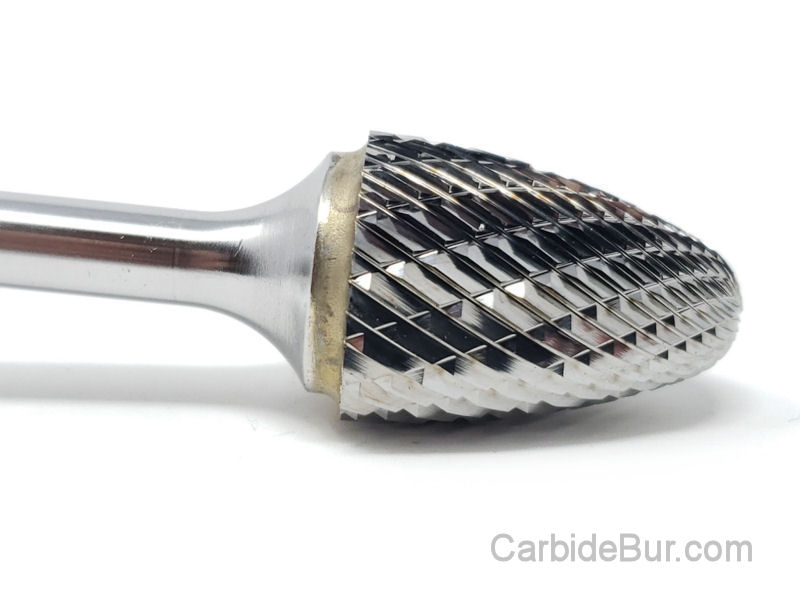
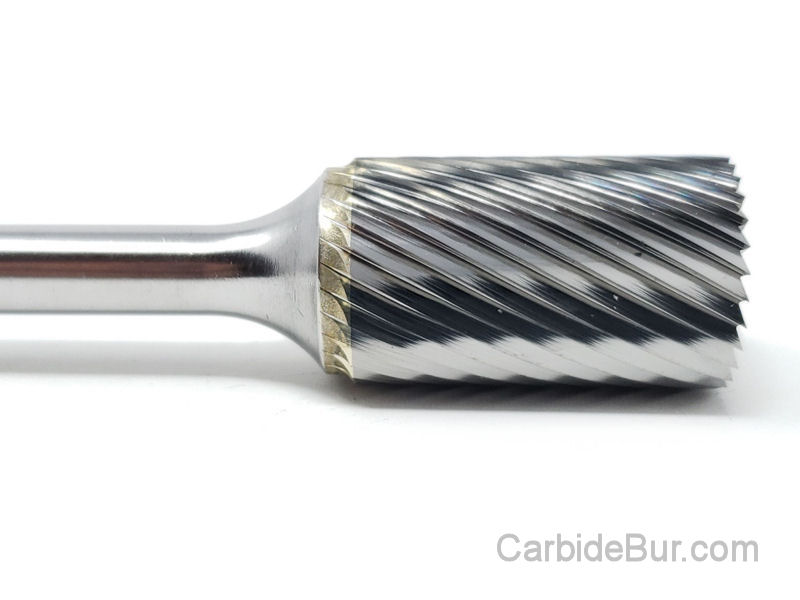
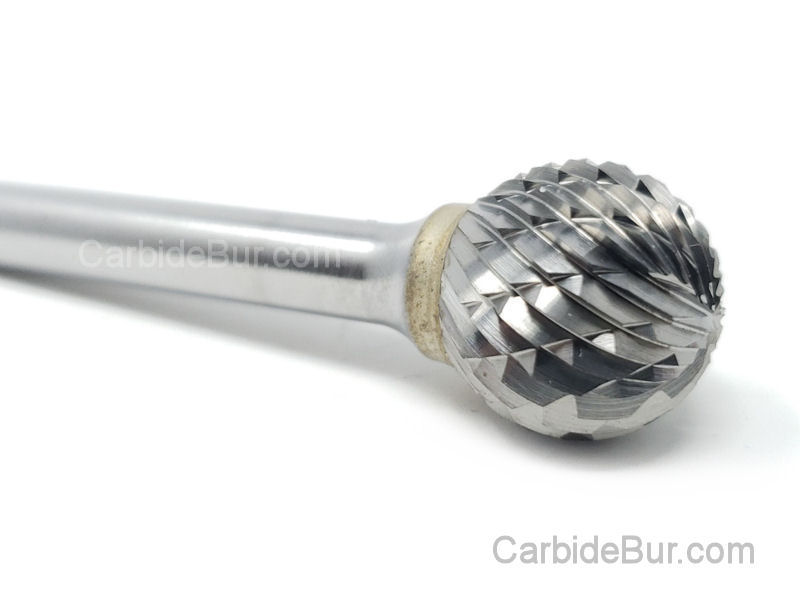
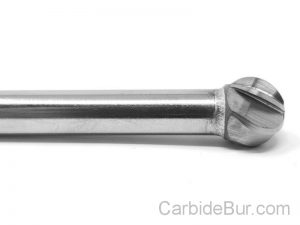
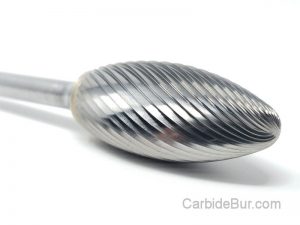
Carbide burrs are made from tungsten carbide, a material known for its hardness, approximately three times stiffer than steel. This makes them perfect for cutting through hard materials. The high density of carbide ensures stability during operation, reducing vibrations. Moreover, the thermal resistance of carbide is beneficial, maintaining performance even under heat. This stability and resistance make carbide burrs ideal for challenging tasks.
Cutting Performance of Carbide Burrs
In terms of cutting capability, carbide burrs perform exceptionally well. They can tackle metals like steel and aluminum with ease. The sharp edges of the burrs allow for smooth and precise cuts, minimizing the time spent on a single task. You can achieve cleaner finishes, reducing the need for additional polishing. This efficiency means less wear and tear on your equipment, translating to long-term savings.
Wear Resistance in Carbide Burrs
Wear resistance is another strong suit of carbide burrs. Thanks to their robust material, these burrs have a prolonged lifespan, even under continuous use. The surface stays sharp, which means fewer replacements. This durability is essential in high-production environments. Using carbide burrs ensures you’re getting the most out of your investment, without frequent interruptions.
Exploring HSS Cutting Tools
High-speed steel, or HSS, offers its unique benefits and can often be the right tool for specific tasks. Here’s what you need to know.
Material Properties of HSS
HSS cutting tools are made from a blend of steel alloys, giving them a balanced strength and toughness. They are less hard than carbide, but their flexibility helps in applications where precision isn’t the sole priority. The heat tolerance of HSS is notable, allowing it to perform well without overheating. This makes HSS suitable for extended periods of use across various applications.
Cutting Performance of HSS Tools
HSS tools shine in tasks requiring flexibility and moderate precision. While they might not cut as fast as carbide burrs, they excel in tasks needing varied cuts. The ability to handle a range of materials—from wood to soft metals—makes HSS tools versatile. This is especially useful for projects requiring different cutting styles.
Wear Resistance in HSS Tools
When it comes to wear resistance, HSS tools do need more frequent sharpening compared to carbide burrs. However, their ability to withstand impact without chipping is a plus. This resilience can be advantageous in settings where cutting conditions vary. Maintaining HSS tools is simpler, but the trade-off is their shorter lifespan compared to carbide burrs.
Comparing Cutting Tool Performance
Understanding the differences can help you decide which tool suits your needs best. Let’s dive into a detailed comparison.
Cutting Tool Comparison: Speed and Precision
Carbide burrs provide faster cutting speeds and precision, a must for projects needing tight tolerances. HSS tools offer versatility, handling a diverse range of tasks, making them great for general purposes. If speed is your priority, carbide is the way to go. But for adaptability, HSS might serve you better.
Best Cutting Tool for Various Applications
Carbide burrs excel in industrial settings where productivity and precision are key. They are perfect for metalworking, such as aluminum and steel cutting. On the other hand, HSS tools are better for tasks requiring adaptability, like woodworking or small-scale machining. Decide based on your project’s demands.
Tool Life: Carbide Burr vs HSS
Tool life is a crucial consideration. Carbide burrs, with their superior wear resistance, last longer, making them cost-effective in the long run. HSS tools, while shorter-lived, offer flexibility and ease of use. Consider the frequency of use and material you’re working with to make the best choice.
Practical Decision-Making
Balancing cost and performance is essential. Here’s how you can make informed decisions.
Cost of Carbide vs HSS
Carbide burrs are more expensive upfront, but their longevity and reduced replacement needs save money over time. HSS tools are cheaper initially, ideal if you’re budget-conscious. Weigh immediate costs against long-term savings when choosing.
Choosing Based on Machining Materials
Selecting the right tool depends on what you’re cutting. For hard metals, carbide is the ideal choice due to its strength and precision. For softer materials and varied projects, HSS tools are more suitable. Evaluate your primary material to determine the best fit.
Factors Influencing Cutting Tool Choice
Consider the nature of your tasks, the budget, and tool life when choosing. Speed, precision, and material compatibility should guide your decision. Additionally, think about the maintenance level you’re willing to commit to.
Industry-Specific Recommendations
Different industries have varied needs. Let’s tailor the advice to specific fields.
For Manufacturers and Machinists
For those in manufacturing, carbide burrs offer efficiency and precision, crucial for large-scale operations. Their durability minimizes downtime, keeping production lines running smoothly. Explore top carbide burrs for aluminum for enhanced productivity.
DIY Enthusiasts’ Cutting Tool Guide
DIY projects often require versatility, making HSS tools a great choice. They handle diverse tasks, from woodworking to light metalwork. Their affordability also suits hobbyists starting out.
Case Studies and User Experiences
Real-world examples highlight the effectiveness of each tool type. Users report increased productivity with carbide burrs in metalworking. Meanwhile, DIY enthusiasts value the adaptability of HSS tools. Both tools have their place depending on your specific needs and applications.
Frequently Asked Questions
What are carbide burrs best used for?
Carbide burrs are best for cutting hard materials like steel and aluminum. They offer precision and speed, making them ideal for industrial applications requiring high productivity and accuracy.
When should I choose HSS over carbide burrs?
HSS tools are better when working on projects needing flexibility, such as woodworking or handling softer materials. They are also more budget-friendly for occasional use.
How does tool life compare between carbide and HSS?
Carbide burrs generally last longer due to their wear resistance, making them cost-effective for frequent use. HSS tools may require more frequent replacements but are useful for varied tasks.
Are carbide burrs more cost-effective than HSS tools?
While initially more expensive, carbide burrs prove cost-effective over time due to their durability and reduced replacement frequency. Consider long-term savings versus initial costs when choosing.
What factors should influence my cutting tool choice?
Consider material type, required precision, budget, and tool maintenance when choosing. Each tool type has its strengths, so align your choice with your specific project needs.
Looking for Carbide Bur Tools?
Check out our entire selection of USA made carbide bur die grinder tool bits
Follow us on Twitter

Return to CarbideBur.com
Carbide Burs – 1/4″ on 1/8″ Shanks – Accessories – Aluminum Cut – Bur Sets – End Mills – Long Shank – Solid Burs
Carbide Burr vs. Grinding Stone: Which Is Better for Metal Removal?
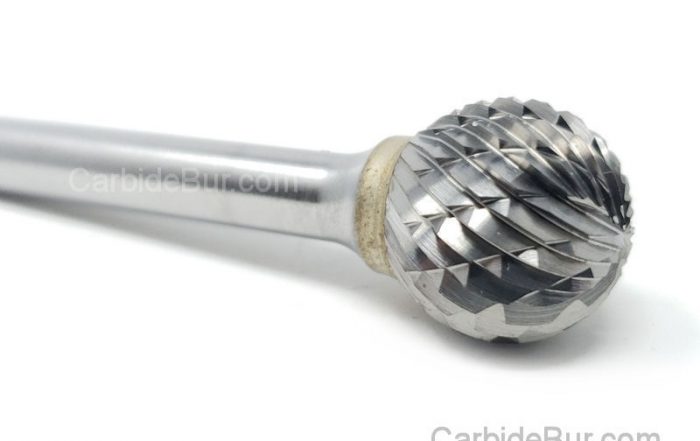
Carbide Burr vs. Grinding Stone: Which Is Better for Metal Removal? When you need to remove metal, smooth a rough edge, or shape a metal component, two common options are carbide burrs and grinding stones. [...]
Carbide Burr Safety: RPM, Eye Protection, and Common Mistakes
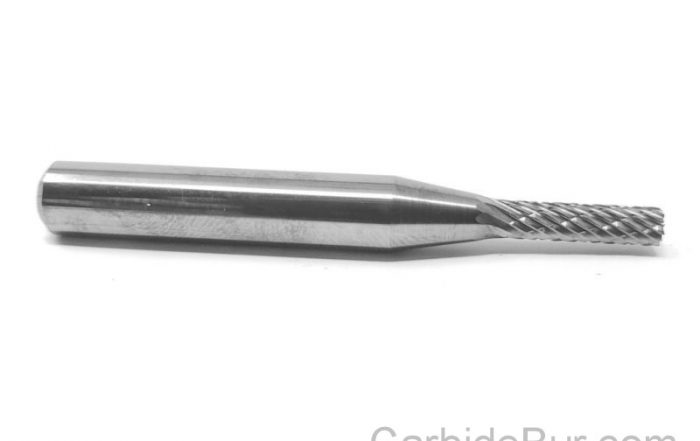
Carbide Burr Safety: RPM, Eye Protection, and Common Mistakes Carbide burrs are versatile cutting tools used for metal fabrication, welding cleanup, engine porting, deburring, and general material removal. When used correctly, they can help remove [...]
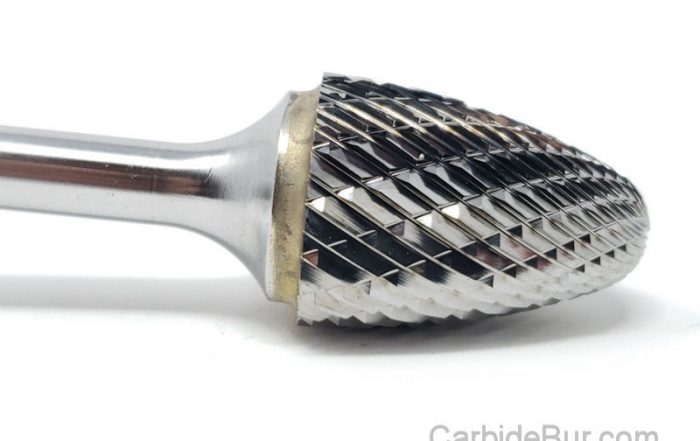
How to Stop Aluminum from Clogging Your Carbide Burr
How to Stop Aluminum from Clogging Your Carbide Burr Aluminum is widely used in automotive work, welding, metal fabrication, aerospace components, and general machining. It is lightweight, relatively easy to machine, and versatile across many [...]
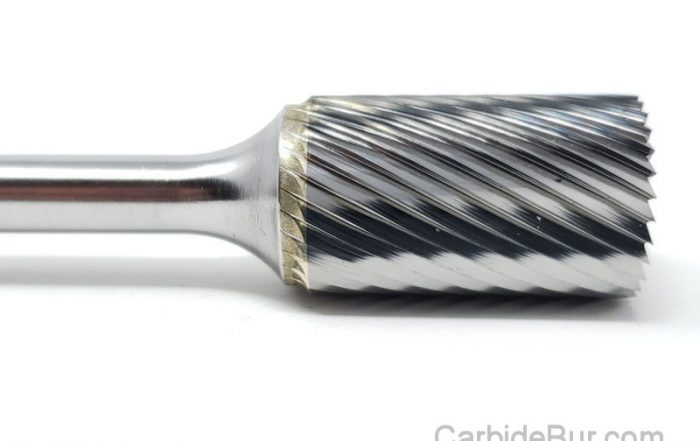
Carbide Burrs for Intake Manifolds: Shaping, Cleanup, and Fitment
Carbide Burrs for Intake Manifolds: Shaping, Cleanup, and Fitment Intake manifold work often involves more than simply bolting a component onto an engine. Depending on the application, metal intake components may have casting irregularities, rough [...]
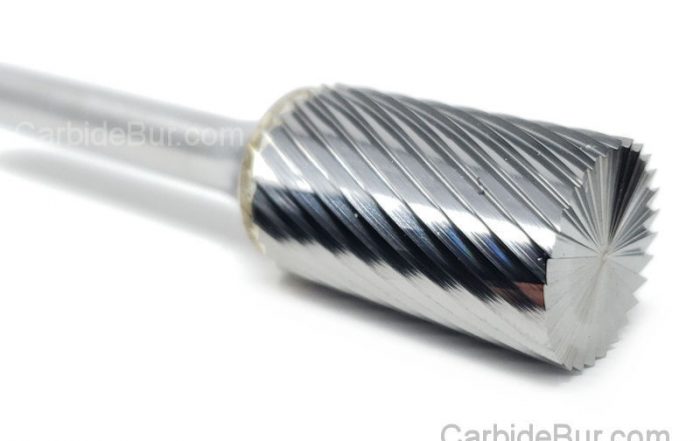
Why Long-Shank Carbide Burrs Are Useful for Hard-to-Reach Areas
Why Long-Shank Carbide Burrs Are Useful for Hard-to-Reach Areas When working on metal parts, the area that needs grinding or shaping is not always easy to reach. Recessed openings, deep cavities, interior surfaces, and complicated [...]
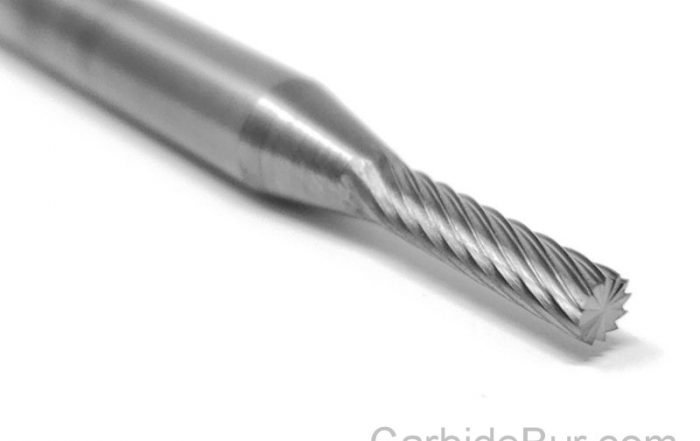
Choosing Carbide Burrs for Stainless Steel Fabrication
Choosing Carbide Burrs for Stainless Steel Fabrication Stainless steel is widely used in fabrication because of its corrosion resistance, strength, and durability. However, those same properties can make it challenging to machine and finish. Removing [...]
Can You Use Carbide Burrs in a Dremel? Shank Sizes Explained
Can You Use Carbide Burrs in a Dremel? Shank Sizes Explained If you use a Dremel or another rotary tool for detail work, metal shaping, or small fabrication projects, you may wonder whether you can [...]
How to Choose the Best Carbide Burr for Welding and Metal Fabrication
How to Choose the Best Carbide Burr for Welding and Metal Fabrication Welding and metal fabrication often require more than joining two pieces of metal together. Once the welding is finished, fabricators frequently need to [...]
Carbide Burrs for Cylinder Heads: What Automotive Enthusiasts Need to Know
Carbide Burrs for Cylinder Heads: What Automotive Enthusiasts Need to Know Cylinder head work is an important part of engine building, restoration, and performance machining. Whether you are cleaning up casting imperfections, refining port surfaces, [...]
Engine Porting 101: How Carbide Burrs Help Shape Cylinder Head Ports
Engine Porting 101: How Carbide Burrs Help Shape Cylinder Head Ports Engine performance enthusiasts, automotive machinists, and engine builders often look for ways to improve airflow through an engine's cylinder heads. One technique used in [...]
When to Use a 4-Inch or 9-Inch Die Grinder Extension
When to Use a 4-Inch or 9-Inch Die Grinder Extension Metal fabrication, welding, automotive repair, and engine building often require working in places where a standard die grinder and carbide burr cannot easily reach. Recessed [...]
Why Buy USA-Made Carbide Burr Tools? What Buyers Should Compare
Why Buy USA-Made Carbide Burr Tools? What Buyers Should Compare When shopping for carbide burr tools, it's tempting to compare products based on price alone. However, professionals who use rotary cutting tools for welding, metal [...]