What RPM Should You Use for a 1/4 Inch Carbide Burr?
Most machinists guess the right speed for a 1/4 inch carbide burr and hope for the best. Using the wrong carbide burr RPM can wear your tools faster and ruin your finish. This guide breaks down how to pick burr speed settings based on material, burr type, and the finish you want. Stick with me to learn how to get the best results while keeping your burrs sharp longer. For more insights, you can check out this guide on mastering carbide burr RPM settings for superior metal cutting.
Understanding Carbide Burrs
Before diving into RPM settings, let’s understand what carbide burrs are and how they function in machining. This section covers the basics to set a solid foundation.
Basics of Carbide Burrs
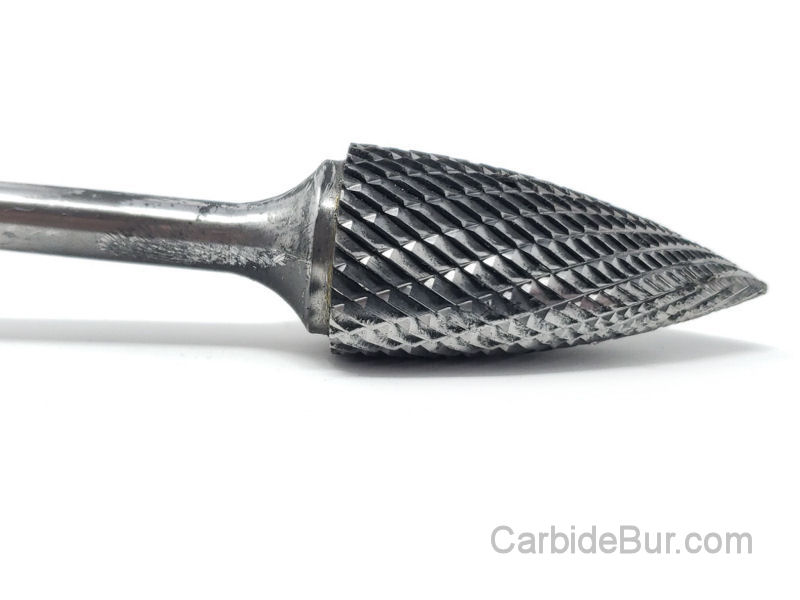
Carbide burrs are essential for shaping, grinding, and cutting. They’re made from tungsten carbide, which makes them strong and durable. These tools are perfect for a variety of materials. Their main advantage is their ability to maintain sharpness over time. You can use them on metals, woods, plastics, and even composites. This versatility makes them a staple in any machinist’s toolkit. By understanding the basics, you’ll know why choosing the right RPM is crucial.
Importance of RPM Settings
Why does RPM matter so much? Simply put, the right RPM ensures cleaner cuts and prolongs tool life. If you use a speed that’s too high, you risk damaging both the material and the burr. On the flip side, too low an RPM can lead to inefficient work and poor finishes. The art lies in balancing these speeds to match your specific job. Always remember: the right RPM can make all the difference in the quality of your work.
Different Burr Designs
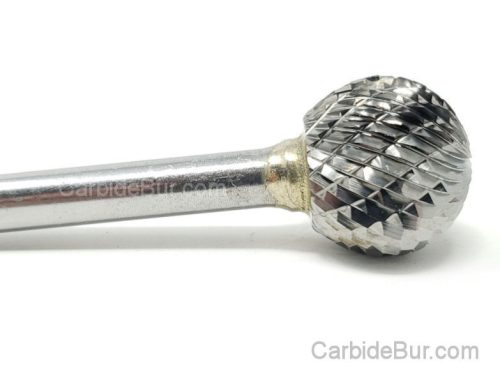
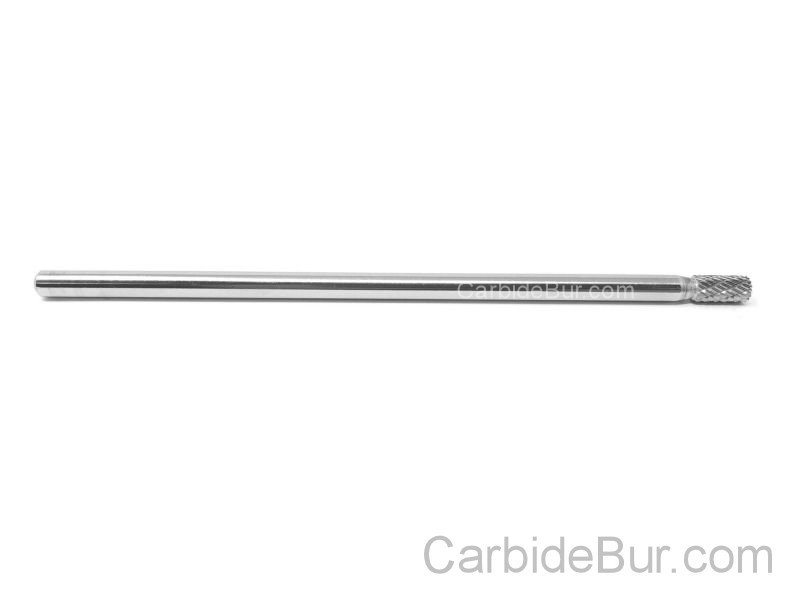
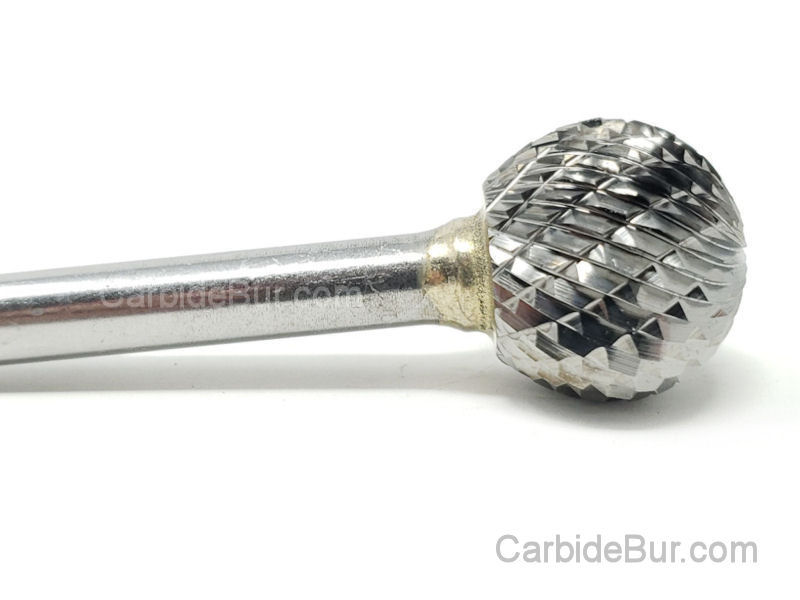
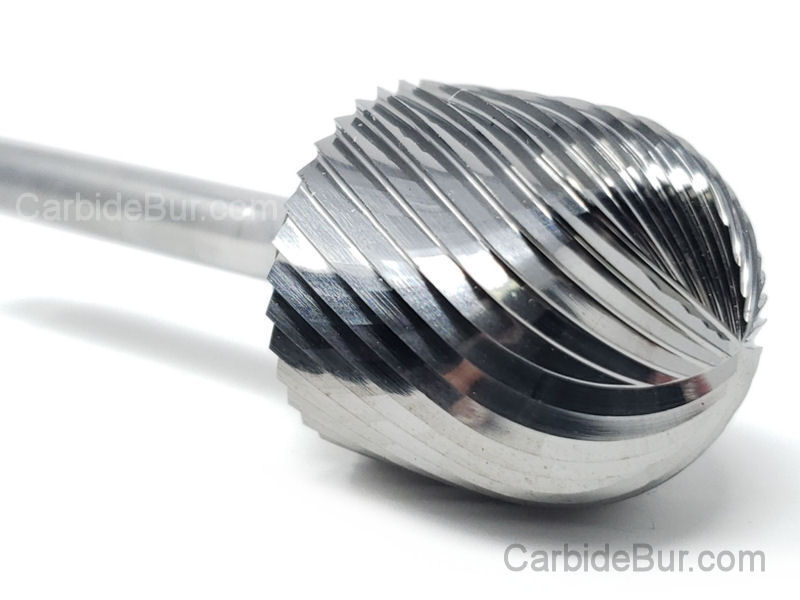
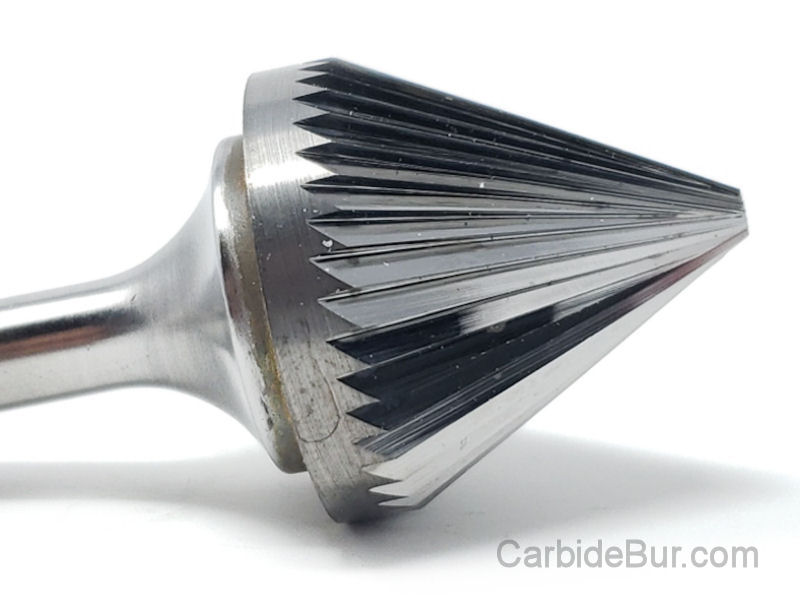
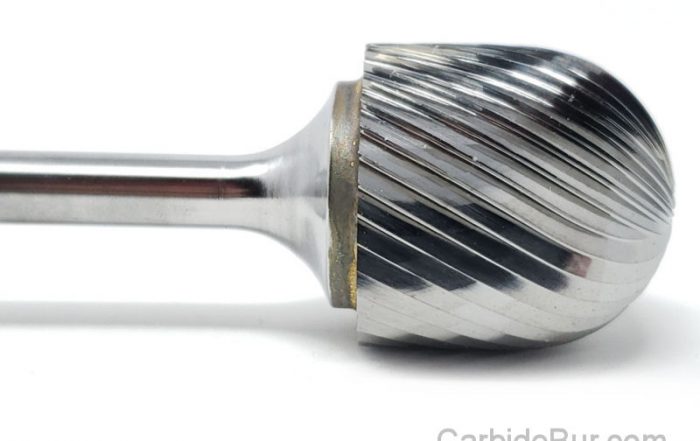
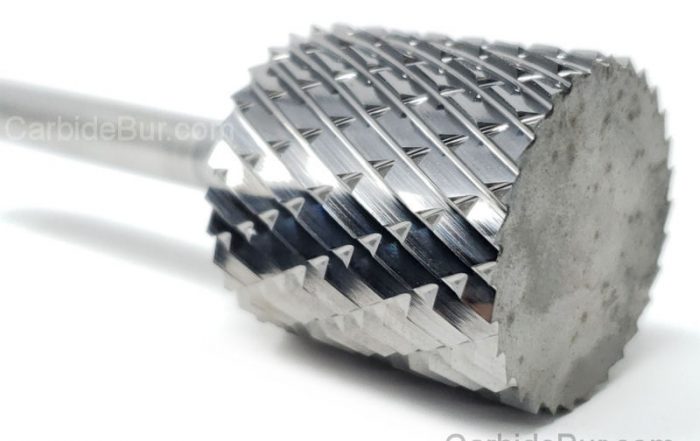
Not all carbide burrs are the same. They come in various shapes and sizes, each designed for specific tasks. For instance, cylindrical burrs are great for flat surfaces, while ball-shaped ones excel at contouring. Choosing the correct design impacts your RPM settings. Matching the design with the material and desired finish ensures optimal results. Explore the different designs at The Art of Crafting Carbide Burrs.
Factors Affecting RPM Choice
Choosing the right RPM involves understanding different factors. This section breaks down these elements, helping you make informed decisions.
Material Considerations
When working with different materials, RPM settings vary. Metals like aluminum require higher speeds, while steels need slower settings. Plastics and woods, being softer, also demand specific attention. Knowing your material’s properties helps in selecting the right speed. Always test on a scrap piece if unsure.
Desired Finish Quality
The finish you want plays a role in determining RPM. A smooth finish might require lower speeds to reduce chatter. Conversely, roughing out material quickly can be done at higher speeds. Balancing speed with your finish goal is key. Experimenting with different settings helps achieve the desired smoothness or texture.
Burr Design Variations
The shape and size of your burr affect RPM choice. Larger burrs need slower speeds to prevent overheating. Smaller burrs, on the other hand, perform well at higher RPMs. Matching the right burr design with the correct speed ensures efficient work and a longer tool life.
RPM Guidelines for Various Materials
Now that you know how factors influence RPM, let’s look at specific guidelines for different materials.
Working with Metals
Metals like steel and aluminum have specific RPM needs. For steel, slower speeds help maintain control and avoid overheating. Aluminum requires faster speeds to prevent material build-up. Each metal has its quirks, so adjusting accordingly is crucial. Check out this guide for more on working with stainless steel.
Handling Plastics and Woods
Plastics and woods are generally easier to work with but still need proper RPM settings. Plastics can melt if speeds are too high, while woods might burn. Using moderate speeds ensures clean cuts without damage. Always consider the material’s density before setting your speed.
Dealing with Composites
Composites can be tricky. They often combine materials with different properties. Test different RPMs to find what works best. Start slow and increase speed gradually, monitoring the results closely. This approach helps in avoiding splintering or delamination.
Optimizing Burr Performance
With RPM guidelines in mind, learn how to enhance your burr’s performance for optimal results.
Adjusting RPM for Specific Tasks
Different tasks call for different RPMs. Whether you’re cutting, grinding, or shaping, the key is to adjust your speed accordingly. Having a variable speed tool can be beneficial. It allows you to fine-tune your settings on the fly, adapting to each task’s demands.
Ensuring Burr Tool Longevity
Proper RPM settings not only improve performance but also extend the life of your burrs. Avoid overheating by using the right speed for each material and task. Keeping your tools sharp and clean further ensures their longevity. Regular maintenance is essential for achieving consistent results.
Safety Tips for Machining
Safety should always be a priority. Use protective gear and ensure your workspace is well-lit and organized. Be mindful of flying debris, especially when working at high speeds. Following safety protocols keeps you protected while maximizing your burr’s performance.
Enhancing Machining Techniques
Mastering RPM settings opens doors to new machining possibilities. Let’s explore how you can elevate your skills.
Best Practices for RPM Control
Consistency is key in machining. Stick to proven RPM settings for each material type. Over time, you’ll intuitively know which settings work best. Document your findings for future reference. This practice helps in refining your skills and achieving better results.
Tips for Beginners
Starting out in machining can be daunting. Begin with basic materials and simple tasks. Familiarize yourself with how your tool responds to different speeds. Gradually, experiment with more complex projects. Patience and practice are your best allies.
Advanced Techniques for Experts
For seasoned machinists, exploring advanced techniques keeps things interesting. Consider trying multi-axis machining or intricate designs. Push the boundaries by experimenting with new materials and burr designs. These challenges can lead to innovative breakthroughs.
Frequently Asked Questions
What RPM is best for a 1/4 inch carbide burr?
The ideal RPM varies based on material and task. Generally, a range between 18,000 to 25,000 RPM works well for most applications. Adjust according to the specific material and desired finish.
How do I prevent my burr from overheating?
Ensure you’re using the correct RPM for the material. Overheating often occurs at speeds too high for the task. Regularly clean your burr and allow it to cool between uses.
What safety gear should I use while machining?
Always wear safety goggles and gloves. A dust mask is also crucial when working with materials that produce fine particles. Ensure your workspace is clear and well-lit.
Can I use the same RPM for different materials?
It’s not recommended. Each material has unique properties, requiring specific RPM settings. Testing on scraps can help determine the best speed for each material.
Why does my burr leave a rough finish?
A rough finish could result from incorrect RPM settings, dull burrs, or improper technique. Ensure your burr is sharp and adjust your speed to match the material and desired finish.
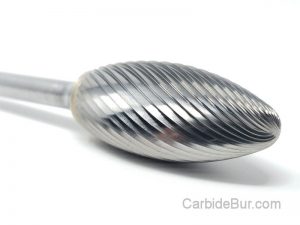
Looking for Carbide Bur Tools?
Check out our entire selection of USA made carbide bur die grinder tool bits
Follow us on Twitter

Return to CarbideBur.com
Carbide Burs – 1/4″ on 1/8″ Shanks – Accessories – Aluminum Cut – Bur Sets – End Mills – Long Shank – Solid Burs
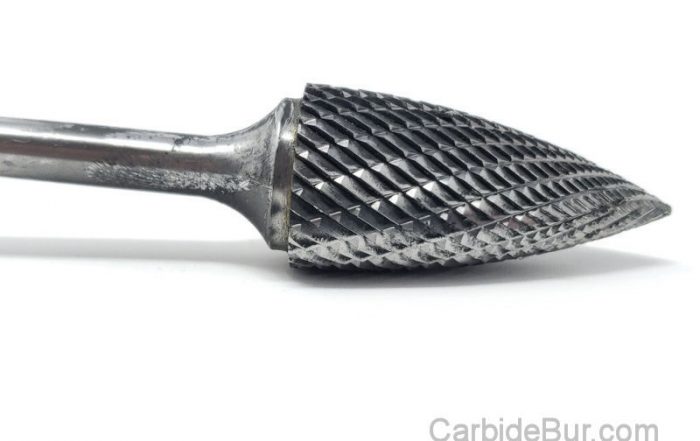
What RPM Should You Use for a 1/4 Inch Carbide Burr?
What RPM Should You Use for a 1/4 Inch Carbide Burr? Most machinists guess the right speed for a 1/4 inch carbide burr and hope for the best. Using the wrong carbide burr RPM can [...]
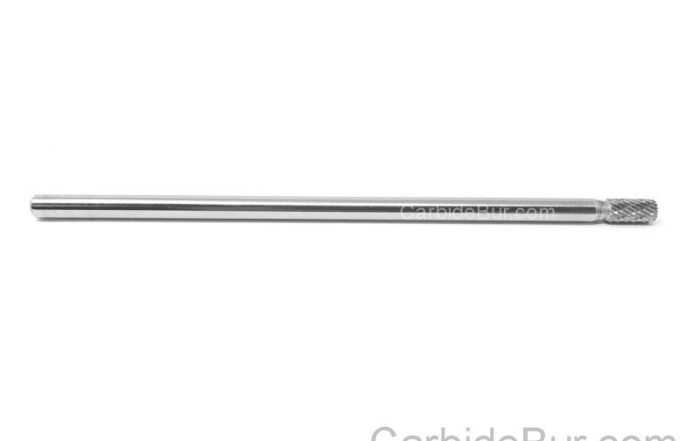
Long Shank Carbide Burrs: When Do You Need One?
Long Shank Carbide Burrs: When Do You Need One? Most machinists overlook the power of long shank carbide burrs until a project demands precision in tight spaces. When your usual tools can’t reach intricate contours, [...]
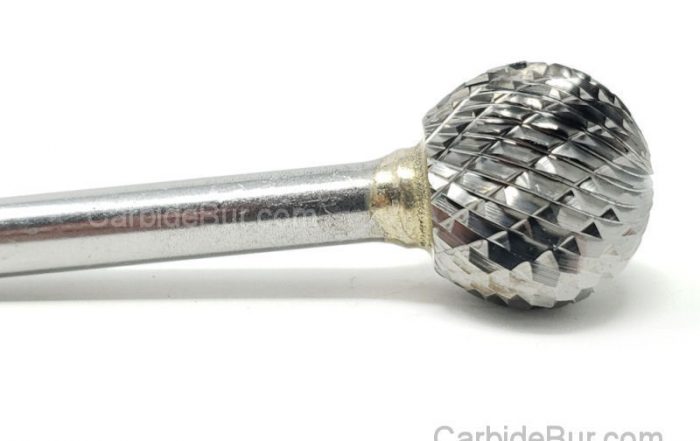
How Deep Can a Carbide Burr Cut Metal?
How Deep Can a Carbide Burr Cut Metal? Carbide burrs often get praised for their precision, but many users hit a wall wondering how deep they can actually cut metal. The truth is, cutting depth [...]
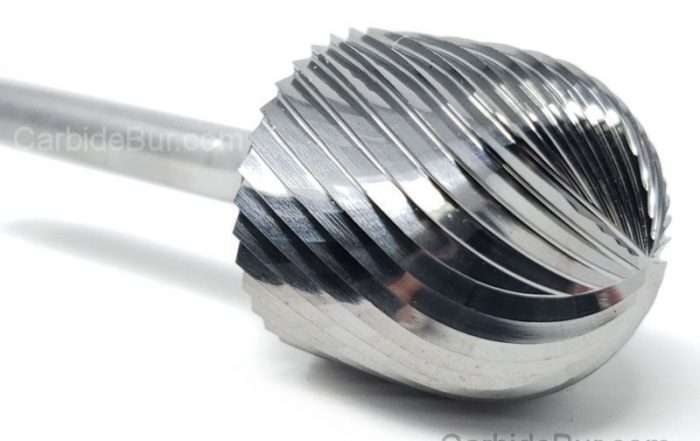
How to Use Carbide Burrs for Port Matching
How to Use Carbide Burrs for Port Matching Most engine builds hit a wall when airflow doesn’t flow smoothly between the ports and manifolds. If your engine isn’t breathing right, your performance stalls. Using the [...]
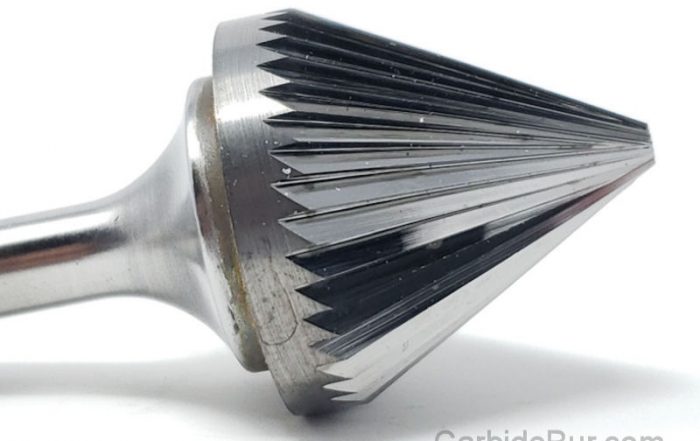
Best Carbide Burr for Porting Intake Manifolds
Best Carbide Burr for Porting Intake Manifolds Porting intake manifolds can make or break your engine’s airflow, yet many struggle with the right tools for the job. Choosing the best carbide burrs is key to [...]
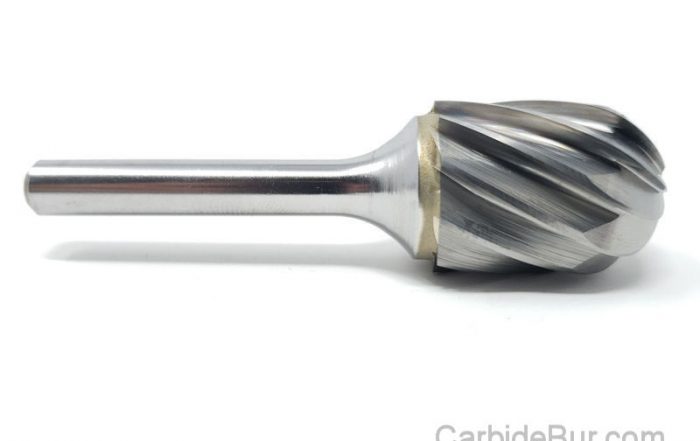
Best Carbide Burr for Concave Surfaces
Best Carbide Burr for Concave Surfaces Concave surfaces can turn a straightforward project into a frustrating challenge if you don’t have the right tool. Carbide burrs designed for these tricky curves make all the difference [...]
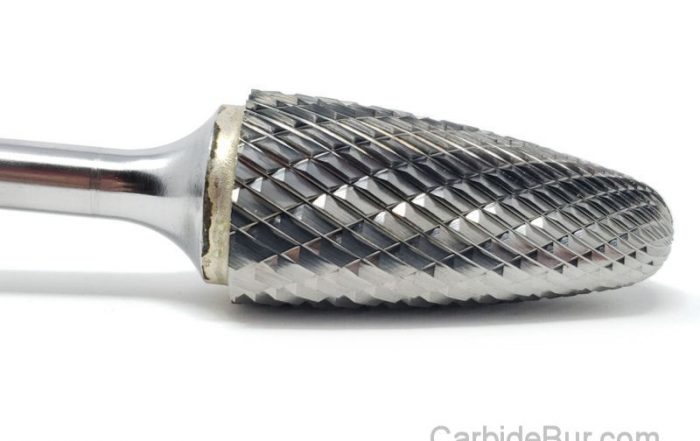
How to Grind a Slot in Metal With a Carbide Burr
How to Grind a Slot in Metal With a Carbide Burr Grinding a precise slot in metal can feel like a tricky task, especially if you’re unsure which tools to trust. Carbide burr grinding offers [...]

Best Carbide Burr for Inside Corners
Best Carbide Burr for Inside Corners Working in tight inside corners can turn even simple projects into frustrating tasks. Many carbide burrs just don’t fit or cut cleanly where you need them most. The best [...]
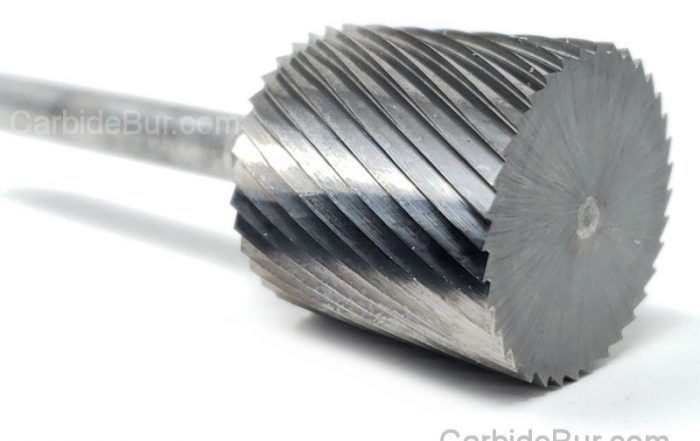
What Size Carbide Burr Do I Need?
What Size Carbide Burr Do I Need? Picking the wrong carbide burr can turn a simple project into a frustrating mess. You might have the best machining tools but still miss the mark if your [...]
How to Smooth Sharp Metal Edges With a Carbide Burr
How to Smooth Sharp Metal Edges With a Carbide Burr Sharp metal edges can turn your project from professional to risky in seconds. If you’ve struggled with smoothing metal edges without scratching or weakening the [...]

Best Carbide Burr for Porting and Polishing Engine Heads
Best Carbide Burr for Porting and Polishing Engine Heads You’ve spent hours porting engine heads, only to find the finish isn’t quite right. Choosing the right carbide burr for porting and polishing can make all [...]
What Is a Cylinder Carbide Burr Used For?
What Is a Cylinder Carbide Burr Used For? Most metalworking tools and woodworking tools promise precision but fall short when handling tough shaping and finishing tasks. If you’ve struggled with rough edges or uneven cuts, [...]