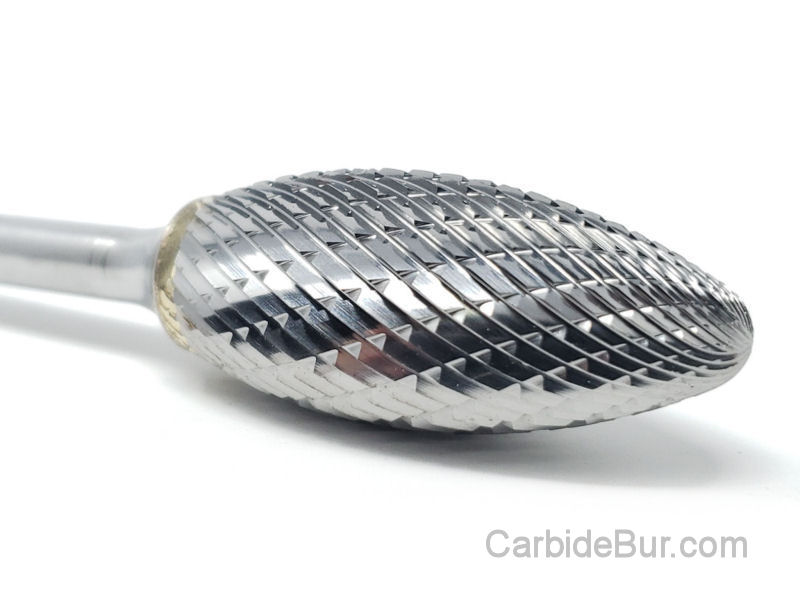
What RPM Should You Use for a 1/8 Inch Carbide Burr?
Most people guess the right carbide burr RPM by feel—and waste hours redoing work. If you want cleaner cuts and longer tool life, your RPM settings must match the material and burr design. This guide breaks down how to use carbide burrs at the optimal RPM, so your 1/8 inch carbide burr delivers precise results every time.
Understanding Carbide Burr RPM
Getting your RPM settings right can make a world of difference. Using the optimal RPM helps you achieve precision in your work, saving time and effort. Let’s unpack why this matters and how it impacts your projects.
Importance of Optimal RPM Settings
The right RPM setting ensures your carbide burr cuts efficiently. When you dial in the correct speed, you gain cleaner cuts and extend your tool’s lifespan. Without proper settings, you risk damaging your workpiece and the burr itself, leading to frustration and wasted resources. A well-set RPM allows you to work smoothly and confidently.
Factors Influencing RPM Selection
Selecting the right RPM depends on several factors: the material you’re working with, the burr design, and the task at hand. Different materials require different speeds to achieve the best results. A softer material like wood might need a lower RPM compared to harder metals. Understanding these factors helps you choose the right settings for each job, maximizing effectiveness.
Common Mistakes to Avoid
Avoid these pitfalls to make the most of your carbide burrs. First, running the tool too fast can cause overheating, damaging the burr. Second, using a speed that’s too low may lead to inefficient cutting and rough finishes. Lastly, not adjusting RPM for different materials can result in poor outcomes. Keep these points in mind to improve your results.
Material Considerations
Every material demands a unique approach. Knowing how material type affects RPM helps you adjust settings properly. Let’s explore how to handle various materials and the importance of understanding hardness.
Machining Different Materials
Using carbide burrs on different materials requires understanding their distinct characteristics. For example, wood and metal behave differently under the same RPM. When working with wood, too high a speed might cause burning. Metals, on the other hand, might need higher RPMs for smooth cutting. Adjust your approach based on the material for optimal results.
Impact of Material Hardness
Harder materials demand careful RPM adjustments. When cutting harder metals, you need higher speeds for effective results. However, maintaining control is crucial to prevent overheating. In contrast, softer materials might need lower RPMs to avoid damaging the workpiece. Balancing speed with material hardness ensures precision in your projects.
Selecting RPM for Wood and Metal
Choosing the right RPM for wood and metal involves understanding their distinct needs. In general, wood requires a more cautious approach with lower speeds to prevent burning. Metals such as aluminum or steel may require higher RPMs to cut cleanly. Tailor your settings to suit the material for the best outcomes.
Burr Design and Finish Quality
The design of your burr impacts the finish quality significantly. Let’s dive into the types of burr designs and how they affect your work. Matching the right RPM with your burr design can lead to impressive results.
Types of Burr Designs
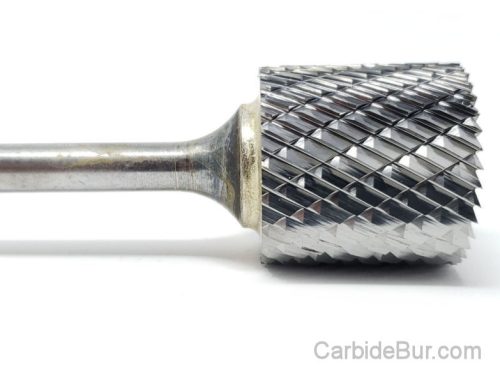
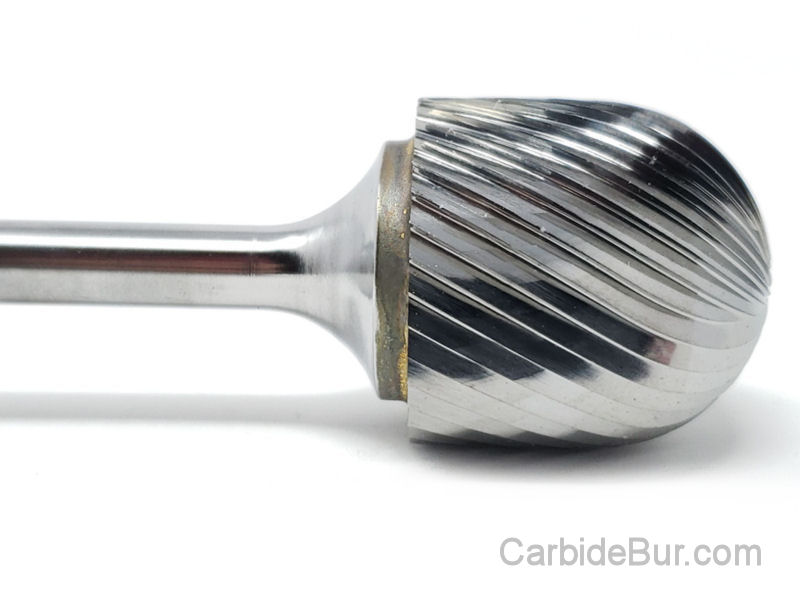
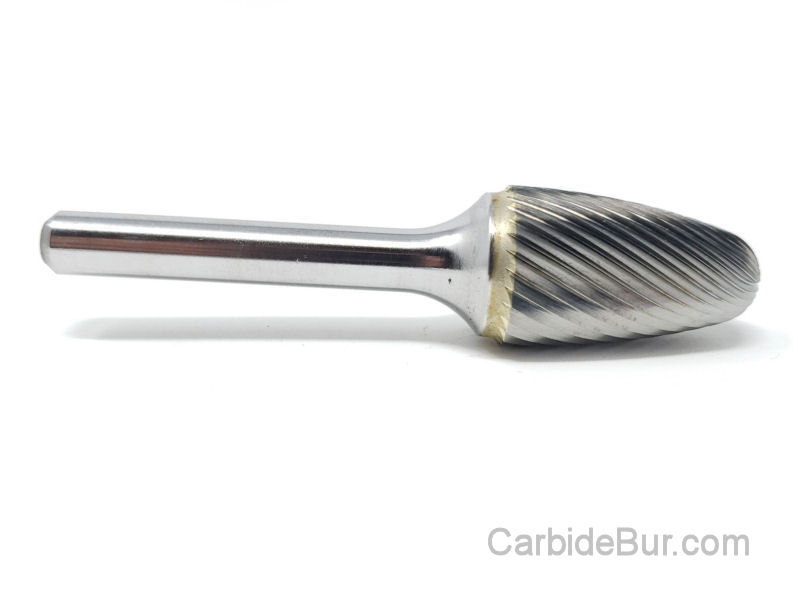
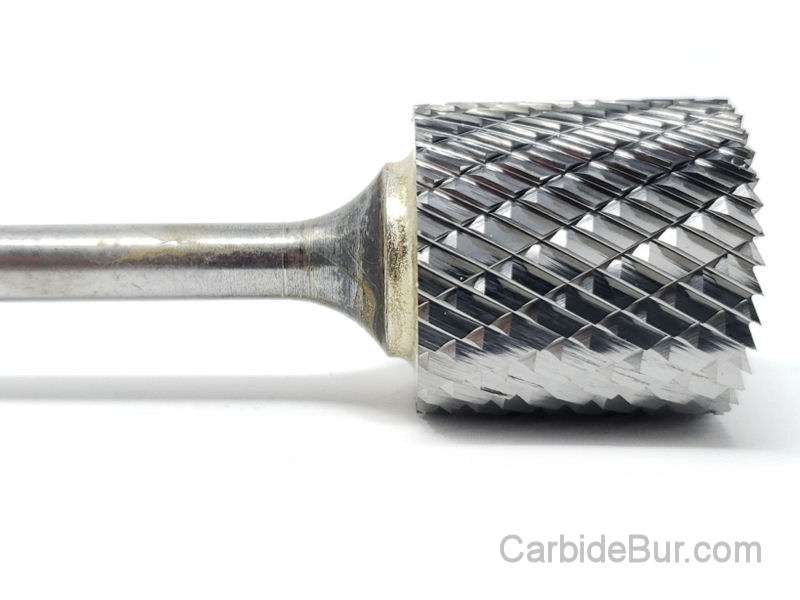
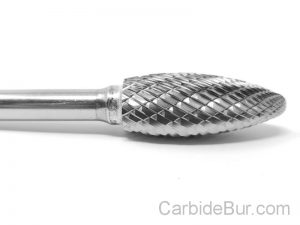
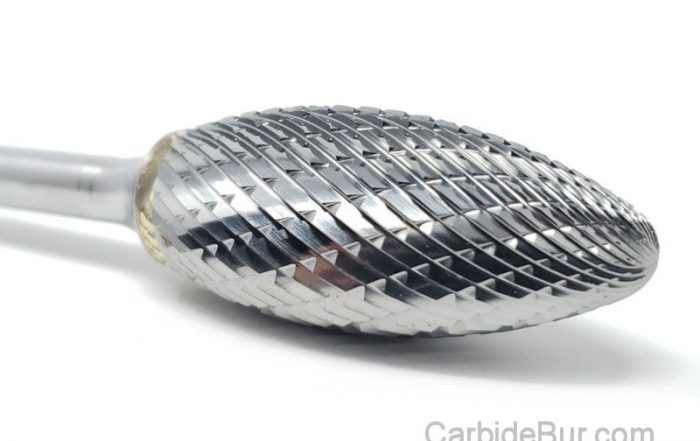
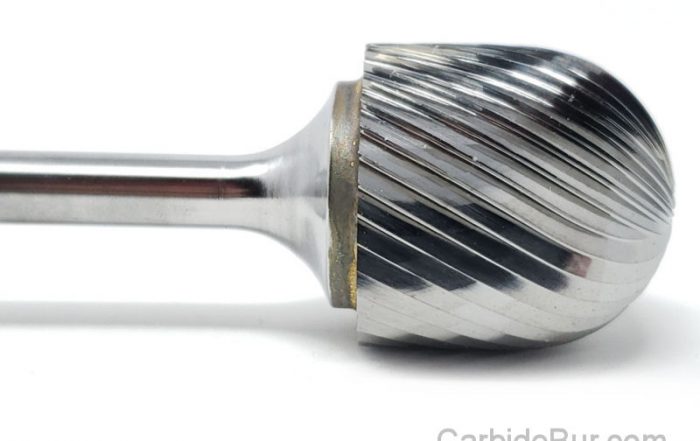
Carbide burrs come in various designs, each suited for specific tasks. Single-cut burrs are ideal for heavy material removal, while double-cut burrs provide smoother finishes. Understanding these designs helps in choosing the right tool for your project. Consider your desired outcome and select the burr design that fits your needs.
Achieving Desired Finish Quality
Finish quality relies heavily on the right combination of burr design and RPM. For a smoother finish, use a double-cut burr at a moderate speed. If material removal is the priority, a single-cut burr with a slightly higher RPM might be the better choice. Experiment with different combinations to achieve the desired finish.
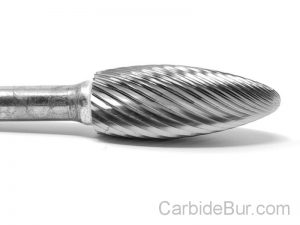
Matching RPM with Burr Design
Aligning your RPM setting with the burr design can improve efficiency. Single-cut burrs often need lower speeds for better control, while double-cut burrs perform well at higher RPMs for a finer finish. Adjust your RPM to complement the burr design for precise and effective results.
Guidelines for RPM Adjustment
Now that you understand the basics, let’s discuss fine-tuning RPM settings. Learning to adjust RPM for precision, extending tool life, and specific task settings can elevate your work quality.
Adjusting RPM for Precision
To achieve precise results, adjust your RPM based on the material and burr design. Start with a moderate speed and make small adjustments as needed. Monitor the burr’s performance and modify the speed to enhance accuracy. Precision comes from understanding how small changes impact your results.
Extending Tool Life
Proper RPM settings not only improve outcomes but also extend tool life. Running your burr at the right speed reduces wear and tear. Avoid excessive RPMs that can lead to overheating and rapid deterioration. By maintaining appropriate speeds, you ensure longer-lasting tools.
RPM Settings for Specific Tasks
Different tasks require specific RPM settings. For detailed work, a lower RPM provides better control and accuracy. For larger material removal tasks, higher speeds might be necessary. Tailor your settings based on the task’s demands for optimal performance.
Practical Tips and Recommendations
With these insights, you’re ready to enhance your carbide burr usage. By following practical tips and understanding the tools, you can achieve outstanding results. Let’s cover the basics and ensure consistent performance.
How to Use Carbide Burrs Effectively
Using carbide burrs effectively involves a few key practices:
-
Always secure your workpiece to prevent movement.
-
Start with a lower RPM and gradually increase as needed.
-
Apply consistent pressure for even cutting.
Following these tips helps you get better results with your burrs.
Burr Tool Guide for Beginners
If you’re new to carbide burrs, start simple. Choose a basic burr design and practice on scrap material. Familiarize yourself with how different speeds affect the cut. As you gain confidence, experiment with various burr designs and materials for diverse projects.
Maintaining Consistent RPM Performance
Consistency is key to achieving reliable results. Regularly check your tool for wear and replace burrs when necessary. Keep your equipment clean to ensure smooth operation. By maintaining your tools, you secure consistent performance every time.
Frequently Asked Questions
What RPM should I use for a 1/8 inch carbide burr?
For a 1/8 inch carbide burr, start with an RPM of around 18,000 to 25,000. Adjust according to the material and burr design for optimal results.
How do I prevent overheating with carbide burrs?
To prevent overheating, use moderate speeds and apply consistent pressure. Avoid running the tool at maximum RPM for prolonged periods.
Can I use the same RPM for all materials?
No, different materials require different RPM settings. Adjust the speed based on the material’s hardness and your desired outcome.
Why is my carbide burr not cutting smoothly?
If your carbide burr isn’t cutting smoothly, the RPM might be too low or too high. Experiment with different speeds until you achieve the desired cut.
How do I extend the life of my carbide burrs?
To extend the life of your carbide burrs, use proper RPM settings and avoid excessive speeds. Regularly clean and inspect the burrs for wear.
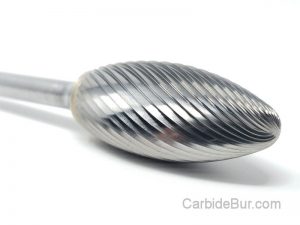
Looking for Carbide Bur Tools?
Check out our entire selection of USA made carbide bur die grinder tool bits
Follow us on Twitter

Return to CarbideBur.com
Carbide Burs – 1/4″ on 1/8″ Shanks – Accessories – Aluminum Cut – Bur Sets – End Mills – Long Shank – Solid Burs
What RPM Should You Use for a 1/8 Inch Carbide Burr?
What RPM Should You Use for a 1/8 Inch Carbide Burr? Most people guess the right carbide burr RPM by feel—and waste hours redoing work. If you want cleaner cuts and longer tool life, your [...]
Carbide Burrs for Tight Spaces: Choosing the Right Shape
Carbide Burrs for Tight Spaces: Choosing the Right Shape Tackling tight spaces with the wrong carbide burrs wastes time and risks damaging your work. Choosing the right burr shape makes all the difference when working [...]
Can Carbide Burrs Remove Paint From Metal?
Can Carbide Burrs Remove Paint From Metal? Stripping paint from metal often feels like a tough chore that risks damaging the surface underneath. Many turn to carbide burrs hoping they can speed things up without [...]
How to Grind a Groove in Metal With a Carbide Burr
How to Grind a Groove in Metal With a Carbide Burr Most metalworkers struggle to cut clean grooves without wasting time or ruining their workpiece. Many try different metalworking tools but end up with uneven [...]
Can Carbide Burrs Cut Through Welds?
Can Carbide Burrs Cut Through Welds? Cutting through welds can feel like a battle, especially when you need clean results without harming the base metal. Carbide burrs offer a sharp edge in this fight, but [...]
How to Use a Carbide Burr With a Die Grinder
How to Use a Carbide Burr With a Die Grinder Most people treat a carbide burr like just another tool, but using it with a die grinder takes skill. If you’ve struggled with burr installation [...]
1/8 vs 1/4 Inch Carbide Burrs: What’s the Difference?
1/8 vs 1/4 Inch Carbide Burrs: What's the Difference? Choosing between a 1/8 inch carbide burr and a 1/4 inch carbide burr can change how your project turns out. Many machinists and hobbyists overlook how [...]
Best Carbide Burr for Removing Flash From Castings
Best Carbide Burr for Removing Flash From Castings Removing flash from castings is a task that can slow down your entire metalworking process if you don’t have the right tools. Picking the best carbide burr [...]
What RPM Should You Use for a 1/4 Inch Carbide Burr?
What RPM Should You Use for a 1/4 Inch Carbide Burr? Most machinists guess the right speed for a 1/4 inch carbide burr and hope for the best. Using the wrong carbide burr RPM can [...]
Long Shank Carbide Burrs: When Do You Need One?
Long Shank Carbide Burrs: When Do You Need One? Most machinists overlook the power of long shank carbide burrs until a project demands precision in tight spaces. When your usual tools can’t reach intricate contours, [...]
How Deep Can a Carbide Burr Cut Metal?
How Deep Can a Carbide Burr Cut Metal? Carbide burrs often get praised for their precision, but many users hit a wall wondering how deep they can actually cut metal. The truth is, cutting depth [...]
How to Use Carbide Burrs for Port Matching
How to Use Carbide Burrs for Port Matching Most engine builds hit a wall when airflow doesn’t flow smoothly between the ports and manifolds. If your engine isn’t breathing right, your performance stalls. Using the [...]